
 By Dwi Wanna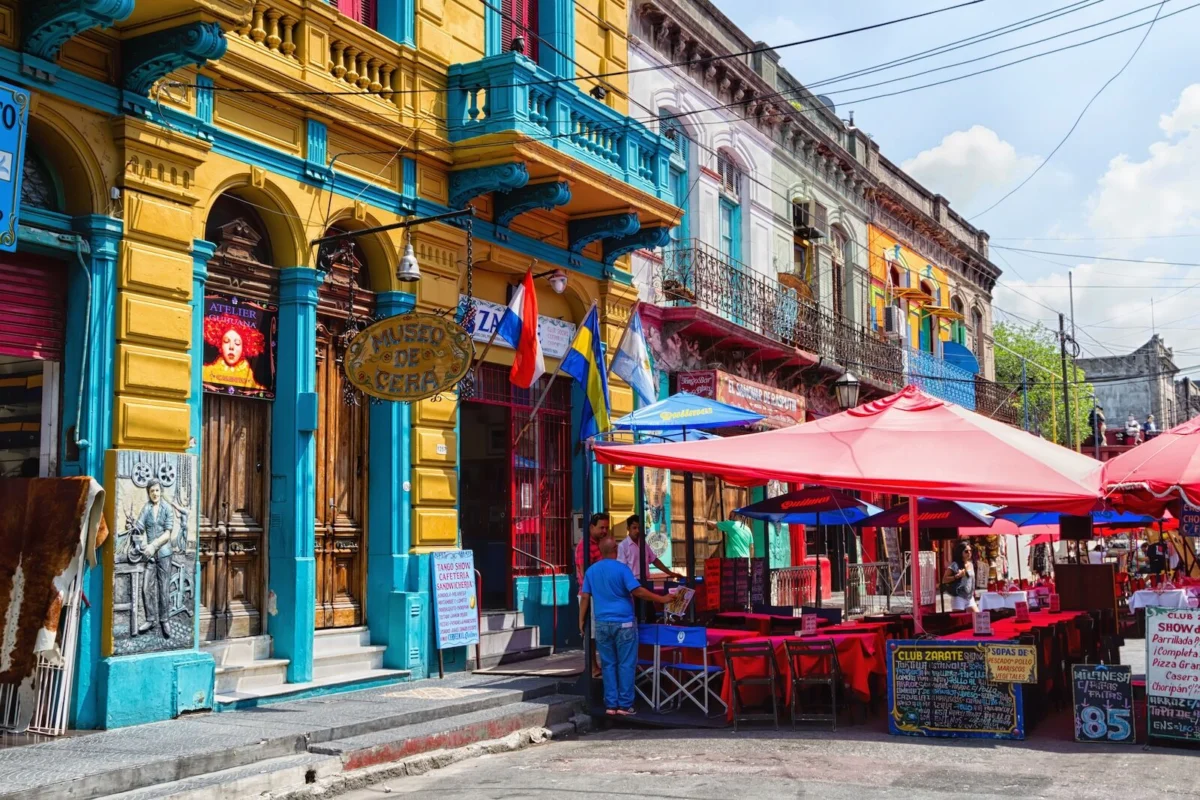
In an era where travel costs are frequently cited as the primary barrier to international exploration, a compelling counter-narrative has emerged. Global economic shifts and local cost-of-living adjustments have created a landscape where some of the world’s most culturally significant cities are also its most affordable. From the ancient streets of Delhi to the vibrant, tango-filled avenues of Buenos Aires, travelers are finding that a modest budget—often less than $80 per day—is more than enough to facilitate a world-class experience.
This report examines the top ten most budget-friendly global capitals, analyzing the economic realities of these destinations, the logistical nuances of low-cost tourism, and the broader implications for the global travel industry.
The Economic Landscape: A Summary of Costs
The cities highlighted in this analysis represent a diverse array of economic models. While some have undergone rapid industrialization, others rely heavily on tourism as a cornerstone of their local economies. According to data from the Travel Cost Calculator, the "average daily cost" for a traveler in these cities ranges from as low as $38 to $78.
These figures represent a comprehensive estimate, including budget-friendly lodging, local transit, and daily food expenditures. For the modern "smart traveler," these destinations prove that proximity to history, art, and high-quality cuisine does not necessitate a premium price tag.
Chronology and Evolution: How These Cities Became Affordable
To understand why these cities remain accessible, one must look at their historical and economic trajectory over the last half-century.
- 1970s–1990s: The Foundation of Accessibility. Cities like Bangkok and Delhi began their integration into the global tourism market by prioritizing high-volume, low-cost hospitality, which remains the backbone of their current tourist economy.
- 2000–2010: Infrastructure Expansion. The 2008 Beijing Olympics served as a catalyst for urban renewal in China, creating world-class public infrastructure—parks, museums, and transit—that remains accessible to the public at little to no cost today.
- 2010–Present: The Digital Shift. The rise of the gig economy and peer-to-peer lodging has allowed cities like Warsaw and Buenos Aires to offer competitive rates, keeping the cost of a private room significantly lower than their Western European or North American counterparts.
Supporting Data: The Breakdown by City
1. Beijing, China ($78/day)
Beijing’s transformation into a global economic powerhouse has been accompanied by a surprising accessibility for tourists. With average nightly lodging around $29 and daily food costs near $12, travelers can maximize their budget. Iconic landmarks such as Tiananmen Square and the National Museum are free, while the 798 Art District offers a window into contemporary Chinese culture without an admission fee.
2. Warsaw, Poland ($78/day)
As the sole European entry on this list, Warsaw serves as a benchmark for affordability in the EU. Food costs are capped at approximately $20 per day, and the cultural scene is highly subsidized; the Warsaw Rising Museum and the National Museum offer free admission days. With hotel averages hovering around $50, it is a rare find for the budget-conscious European traveler.
3. Buenos Aires, Argentina ($50/day)
Argentina’s capital is legendary for its culinary scene. A world-class steak dinner paired with local wine often costs less than a standard meal in the United States. Beyond the plate, the city offers rich cultural experiences like free tango demonstrations and access to the National Museum of Fine Arts.
4. Lima, Peru ($50/day)
While Lima is home to some of the world’s most expensive fine dining, the budget traveler can thrive on fresh ceviche and local market fare for roughly $16 a day. Historic cathedrals and the changing of the guard at the Palacio del Gobierno offer free insights into the city’s colonial and republican past.
5. Istanbul, Turkey ($45/day)
Bridging two continents, Istanbul offers an unmatched cultural density. With $22-a-night lodging and local staples like balik ekmek sandwiches, travelers can afford to splurge on experiences like a traditional Turkish bath (hammam). Several museums, including the Jewish Museum of Turkey, are entirely free.
6. Kuala Lumpur, Malaysia ($39/day)
Kuala Lumpur functions as an affordable alternative to more expensive regional hubs like Singapore. It offers a unique mix of urban grit and natural beauty, with free access to the KL Forest Eco Park and the iconic limestone Batu Caves.
7. Marrakech, Morocco ($38/day)
Marrakech operates on the principle that the most valuable sights—the medina, the souks, and the architectural mosques—are open to the public for free. Haggling is the standard practice here, allowing savvy visitors to acquire local goods at a fraction of the retail price.
8. Bangkok, Thailand ($38/day)
Bangkok remains a titan of budget travel. Its extensive network of free museums—ranging from the Royal Elephant Museum to the Corrections Museum—allows visitors to explore the city’s multifaceted history without spending a single baht on entry fees.
9. Cairo, Egypt ($38/day)
While the pyramids are the main draw, Cairo is a city of layers. Coptic and Fatimid Cairo offer deep dives into religious and architectural history. By utilizing public transit and exploring the city’s numerous independent art galleries, one can experience the ancient and modern worlds on a shoestring budget.
10. Delhi, India ($38/day)
Delhi is perhaps the most cost-efficient city on the list. With a wealth of free movie screenings, art galleries, and vast public gardens like the Lodhi Gardens, the city provides a respite from the urban density at virtually no cost.
Official Responses and Tourism Strategies
Local tourism boards in these cities have largely adopted strategies that favor volume over exclusivity. By keeping public museums, parks, and cultural sites free or low-cost, these cities maintain a high level of "cultural goodwill."
In Warsaw, the municipal government has explicitly focused on promoting the city’s "summer beach culture" along the Vistula River to diversify its appeal beyond business travelers. Similarly, in Kuala Lumpur, the promotion of the "urban forest" initiative reflects a broader trend among developing capital cities to market their natural assets alongside their metropolitan features, effectively reducing the need for costly commercial entertainment.
Implications: The Future of Global Tourism
The prevalence of these low-cost destinations has several profound implications for the travel industry:
- Democratization of Travel: The ability to visit major capitals on a modest budget allows for a more diverse demographic of travelers, including students, retirees, and young professionals who might otherwise be priced out of international tourism.
- Sustainability Concerns: As cities like Marrakech and Bangkok see increased foot traffic, the challenge will be maintaining the authenticity of the local experience without succumbing to the "over-tourism" seen in cities like Venice or Barcelona.
- Economic Shifting: The success of these cities demonstrates that a robust tourism sector does not always require high-ticket luxury. Instead, fostering a vibrant street-food scene, free public access to history, and affordable, safe transit can create a sustainable engine for economic growth.
- The "Slow Travel" Movement: These cities are ideal for long-term travelers who wish to immerse themselves in a culture. Because the daily cost is so low, travelers are more likely to stay for weeks rather than days, which generally results in a more positive impact on the local economy through sustained, smaller daily transactions.
Conclusion
The data confirms that the barriers to international travel are often psychological rather than financial. Whether it is navigating the historic alleyways of Cairo or sampling the street food of Kuala Lumpur, the world remains remarkably accessible to those willing to look past the high-end travel brochures. By embracing the local pace, utilizing free cultural assets, and prioritizing authentic, low-cost experiences, the modern traveler can witness the wonders of the globe without compromising their financial future.
As we look toward the next decade of travel, the trend toward these "value-oriented" destinations is expected to grow, forcing traditional, high-cost tourist hubs to re-evaluate their own pricing strategies to remain competitive in an increasingly globalized market.
 Nana
Nana  Pevita Pearce