
 By Nana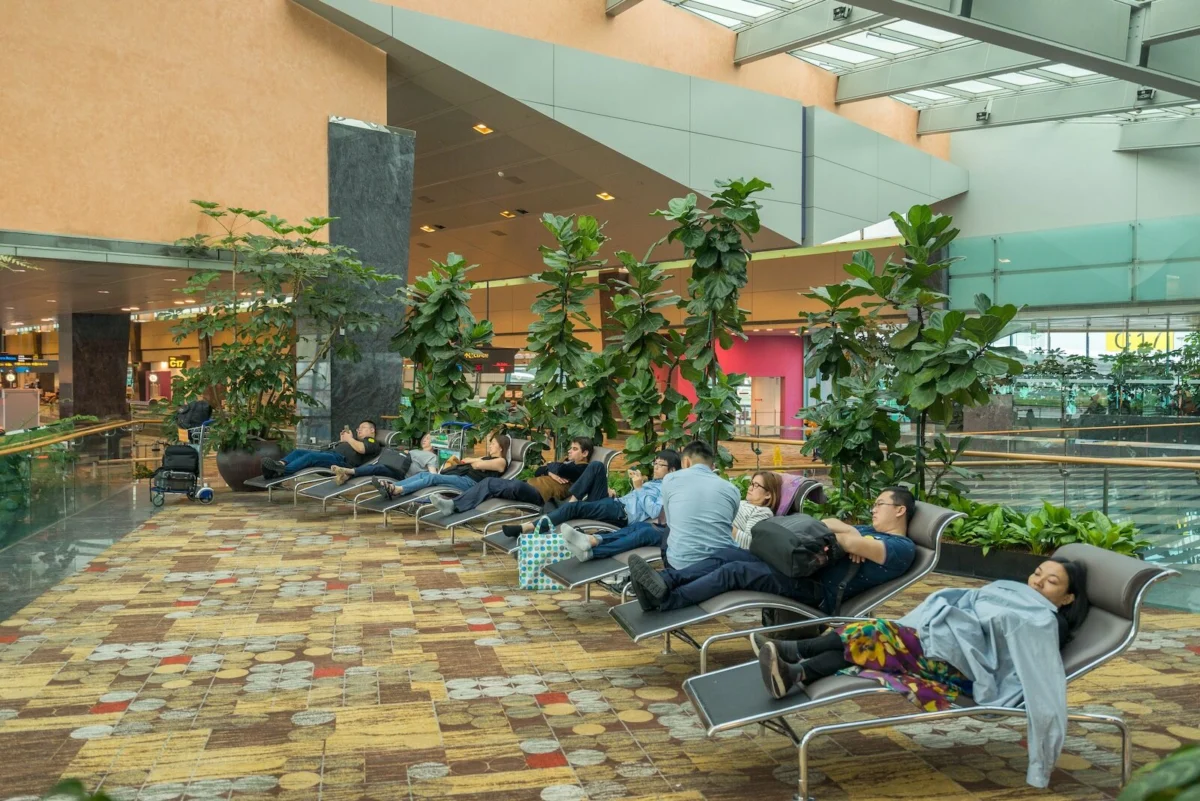
For the modern traveler, the airport is often a place of transit—a brief, bustling threshold between departure and destination. However, for those facing long-haul delays, middle-of-the-night connections, or the unfortunate reality of a canceled flight, the terminal can quickly transform into an impromptu bedroom. While the image of a traveler sprawled across a row of plastic seats is a common trope in cinema, the reality of overnighting in an airport is a nuanced experience governed by logistics, local policies, and a fair amount of strategy.
The Legality of the Overnight Stay: What You Need to Know
The most pressing question for stranded passengers is simple: Is this even allowed? Contrary to popular belief, there is no international law prohibiting travelers from staying inside an airport terminal overnight. However, "legal" does not necessarily mean "accommodating."
“I have never heard of someone getting a ticket or taken to jail for sleeping overnight in an airport,” says industry expert McSherry. While the act itself is not a criminal offense, the operational hours of the specific facility are the primary gatekeeper. Many smaller or regional airports operate on a "closed" model, meaning they shutter their terminals for a few hours in the early morning for cleaning or security resets. In these instances, airport authorities will routinely ask all non-passengers and those without late-night tickets to vacate the premises.
This is where the situation can turn precarious. If an airport closes, travelers may be forced to wait outside the terminal or seek shelter in nearby bus stops. In harsh winter climates, this can move from an inconvenience to a safety concern. Experts strongly advise that travelers check the operating hours of their layover airport in advance. If you are landing at a location that does not permit overnight stays, having a "Plan B"—such as a pre-booked airport hotel or a list of 24-hour amenities—is not just recommended; it is essential.
Furthermore, travelers should be prepared for verification. Airport security or law enforcement may approach you to confirm that you are a legitimate passenger. Always keep your boarding pass and government-issued identification easily accessible. Being able to demonstrate that you have a flight scheduled for the following morning is the fastest way to resolve any concerns officials may have regarding your presence.
Chronology of an Airport Night: From Check-in to Morning Departure
Understanding the lifecycle of an airport at night is crucial for those hoping to secure a few hours of rest.
Phase 1: The Evening Wind-down
Between 10:00 PM and midnight, most major hubs see a significant reduction in foot traffic. This is the "golden hour" for securing a prime sleeping spot. As the commercial shops and food courts close, the terminal atmosphere shifts. This is when you should scout for location—look for areas near security checkpoints or quiet gates that are far from the main thoroughfares.
Phase 2: The Deep Night (1:00 AM – 4:00 AM)
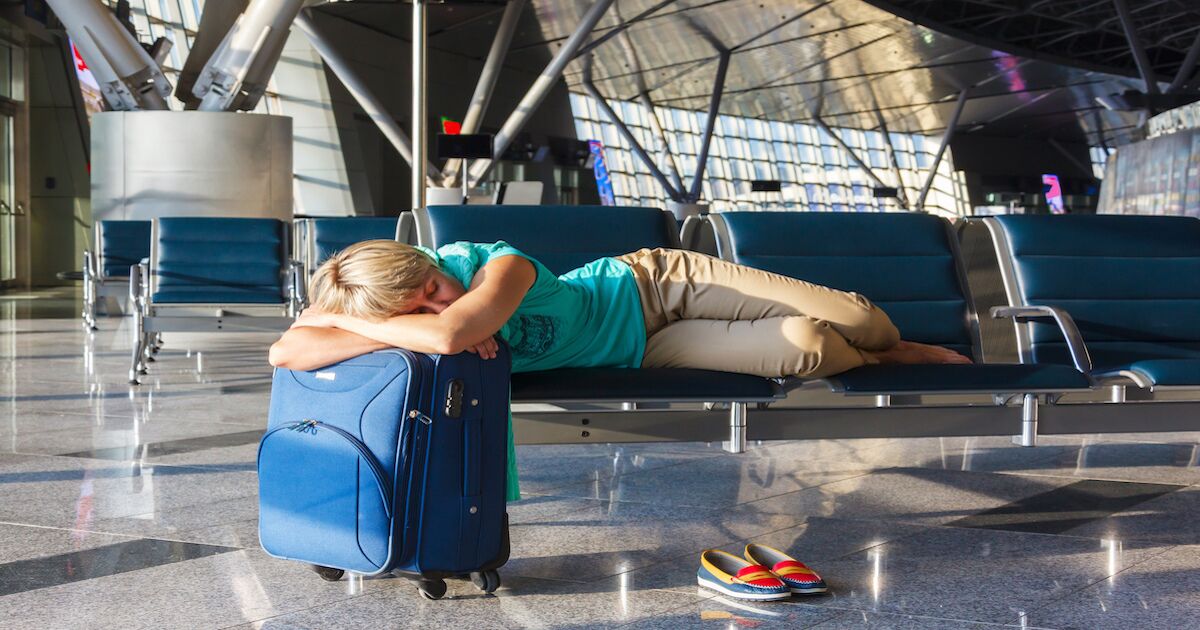
This is the period of maximum vulnerability. If you are in an airport that remains open, this is when the lights may dim and the cleaning crews begin their rounds. If you are in a transit-only area, you may notice security patrols increasing. This is the time to utilize noise-canceling headphones or earplugs, as the acoustics of an empty terminal can amplify even the smallest sounds, such as floor polishers or distant mechanical hums.
Phase 3: The Morning Resurgence (5:00 AM onwards)
As the first wave of departures begins, the airport regains its pulse. For the overnight traveler, this is the time to pack up, refresh, and prepare for the day. It is standard etiquette to vacate your sleeping area well before the morning rush to ensure that departing passengers have access to seating.
Supporting Data: The "Sleepability" Index
In 2019, a comprehensive survey conducted by SleepinginAirports.com shed light on what makes a terminal truly "sleepable." The criteria included proximity to services, quality of seating, navigation, and general customer service. The findings revealed a massive disparity between global hubs.
The gold standard for overnight stays, according to the data, is Singapore’s Changi Airport. Frequently cited as the best airport in the world, Changi offers dedicated "Snooze Lounges" with reclining chairs, free movie theaters that operate 24/7, and expansive, quiet terminals.
Conversely, the data highlights that airports in the United States and parts of Europe often prioritize security and revenue over comfort, frequently installing armrests on seating to prevent passengers from lying down. However, shifts are occurring. Denver International Airport, for instance, has integrated a "rest and recharge" area on Concourse A, providing reclining chairs free of charge—a move that has been widely lauded by budget-conscious travelers.
Official Responses and Strategic Amenities
When extreme weather causes mass flight cancellations, the response from airport authorities changes. In these scenarios, airports are often compelled to provide humanitarian assistance.
“If you find yourself stranded due to weather, many airports will provide cots, pillows, blankets, and even food vouchers,” notes the aviation advisory. However, this is a strictly reactive measure. Travelers should not expect these amenities if they are simply choosing to sleep in the airport to save on hotel costs.
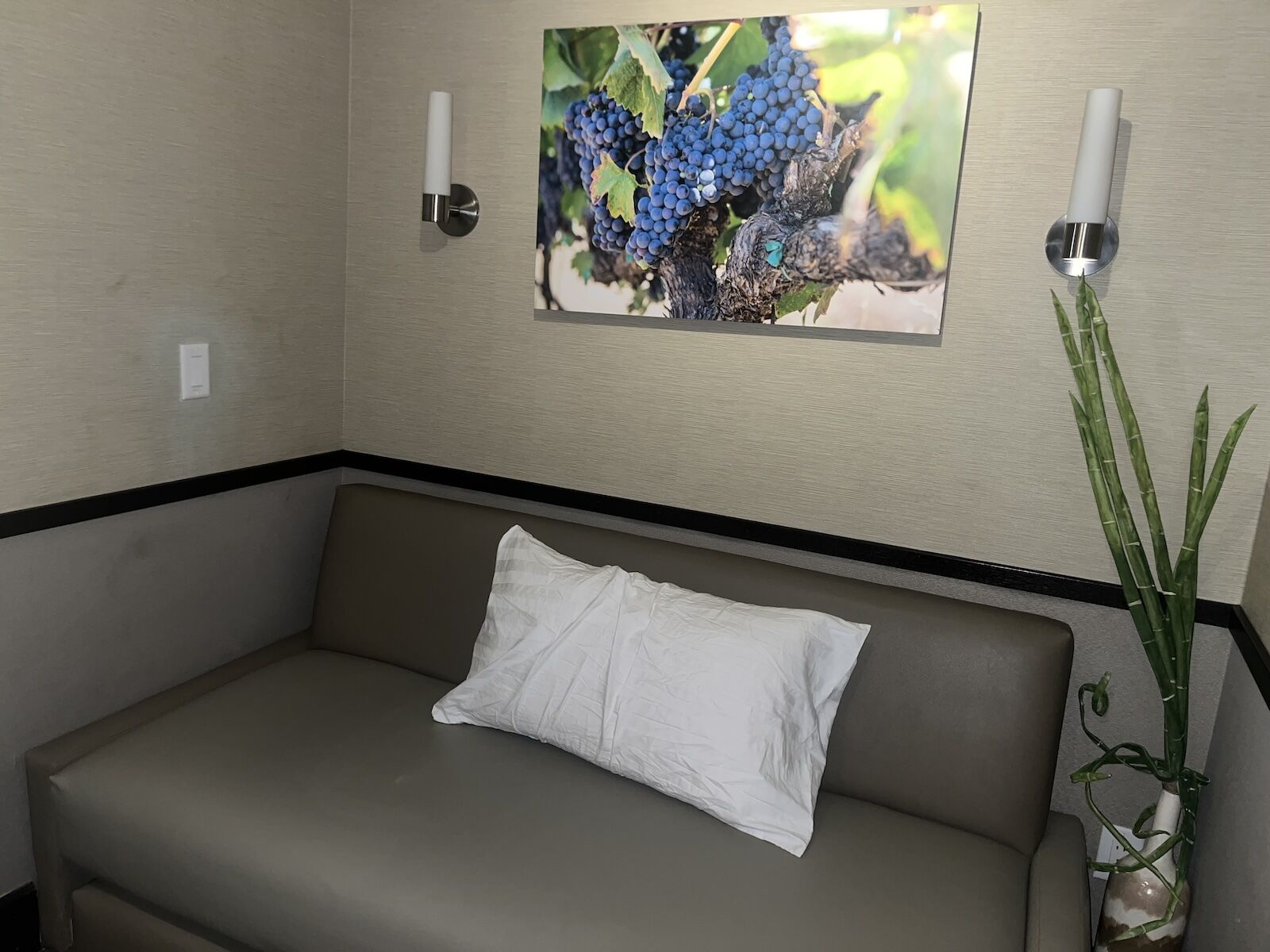
For those willing to invest in their comfort, the rise of "Minute Suites" and sleep pods has changed the landscape. These rentable, miniature hotel rooms are located directly inside the terminal, providing a private sanctuary with a desk, a sofa-bed, and sound isolation. While rates often start at $65 per hour, they offer a level of security and rest that an open terminal floor cannot match. Furthermore, members of programs like Priority Pass can often access these facilities at a discount or through complimentary short-stay sessions, depending on the location.
Implications: The Psychology of the Airport Sleeper
The decision to sleep in an airport carries implications that go beyond simple physical exhaustion. It is a test of resilience. For some, the experience is an adventure—a way to extend the journey and save funds for the destination. For others, it is a source of anxiety.
The primary implication for any traveler is the need for preparedness. A "pro-sleeper" kit is not a luxury; it is a necessity. This should include:
- Eye shades: Airport lighting is rarely fully extinguished.
- Earplugs or Noise-Canceling Headphones: To block out the inevitable announcements and floor machinery.
- A portable power bank: Never assume you will have access to a wall outlet.
- Layers of clothing: Terminals are notoriously cold at night.
However, if the thought of sleeping on a hard floor or a sterile bench is unacceptable, one must consider the "City Escape" option. Most major international airports are located within a 20 to 40-minute commute to the city center. In many cases, the price of a mid-range hotel room in the city, combined with the cost of a taxi, may be comparable to the stress and physical toll of an uncomfortable night in the terminal.
Strategic Locations for the Tired Traveler
If you are currently planning a trip and anticipate a long layover, prioritizing your flight path through "nap-friendly" airports can save you significant hardship.
- Seoul Incheon (South Korea): Famous for its rest zones that feature free padded lounges. Even when these are full, the abundance of armrest-free seating makes it a top-tier destination for a weary traveler.
- Tokyo Narita (Japan): Similar to its regional neighbors, Narita provides dedicated overnight rest areas with padded benches and footrests.
- Vancouver International (Canada): A North American standout, known for its comfortable, modern seating and a layout that doesn’t feel overtly hostile to those resting.
- Amsterdam Schiphol & Munich International (Europe): Both hubs have recognized the needs of the modern traveler by installing quiet zones and nap rooms, acknowledging that a refreshed passenger is a more satisfied customer.
Conclusion: Reframing the Experience
Sleeping in an airport is an art form. It requires the ability to balance caution with comfort and preparedness with flexibility. While it is certainly not the most luxurious way to spend a night, it is a rite of passage for the seasoned traveler. By understanding the policies of your specific airport, preparing with the right gear, and knowing where to find the quietest corners, you can turn a potentially stressful layover into a manageable, and perhaps even restful, experience.
Ultimately, the airport is a public space that serves a singular purpose: getting you from one place to another. If that journey requires a pause, treat it as such—a brief, stationary moment in your travels. Keep your documents close, your valuables secure, and your expectations realistic, and you will find that the terminal is a place where you can, indeed, find your Z’s.
 Dwi Wanna
  Pevita Pearce