
 By Pevita Pearce
By [Author Name]
Published: November 20, 2023
Picture this: You are hosting Thanksgiving dinner, and to streamline the chaos of the big day, you prepared several side dishes in advance, storing them snugly in glass containers inside the refrigerator. On the morning of the feast, you preheat your oven, pull your homemade macaroni and cheese straight from the cold environment of the fridge, and slide it directly into the hot chamber. Within minutes, you hear the unmistakable, heart-dropping sound of shattering glass. Your side dish is ruined, shards of glass are scattered across the oven floor, and your carefully planned holiday meal is suddenly in disarray.
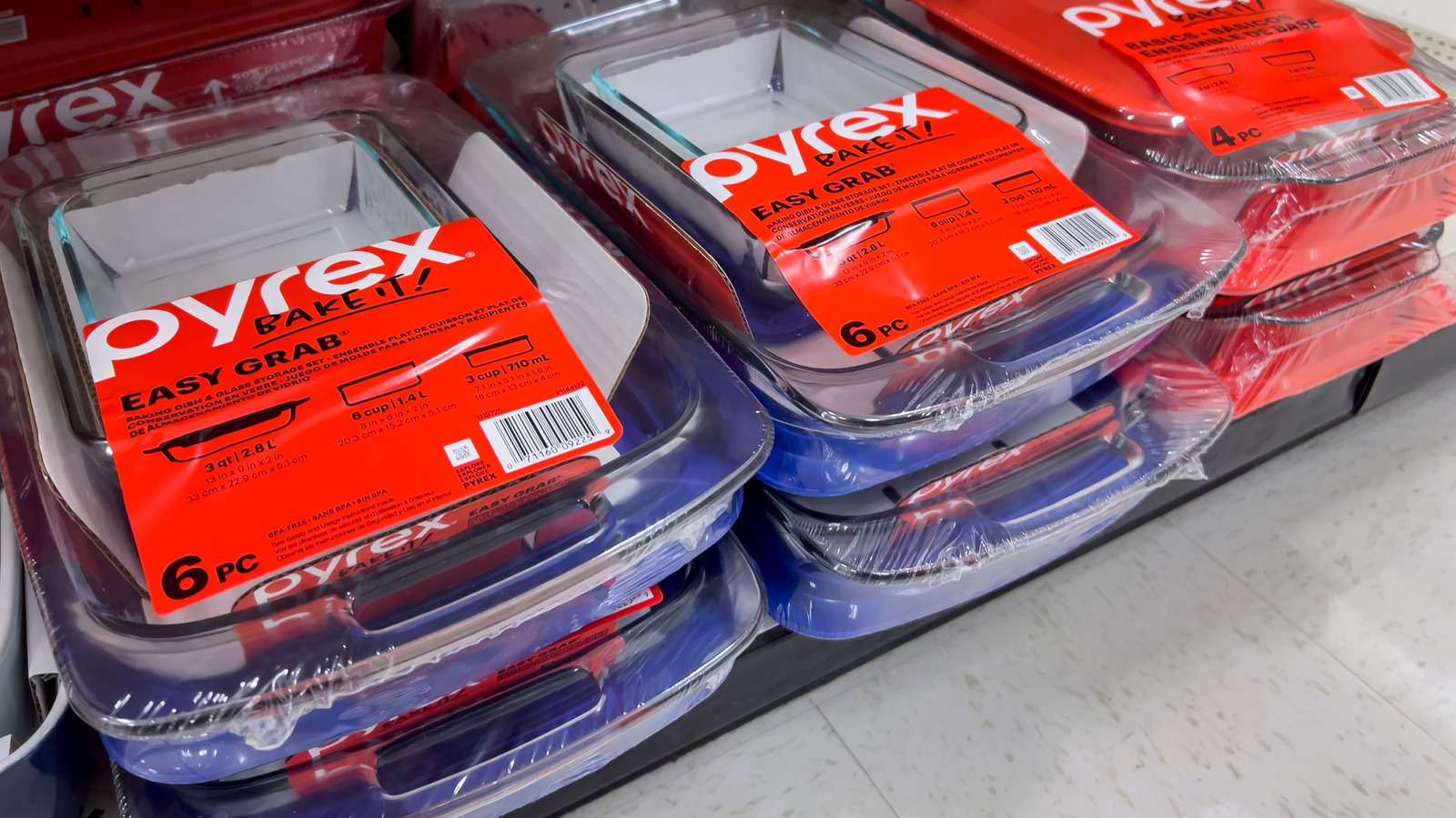
While glass bakeware is a staple in kitchens worldwide, incidents like this happen with alarming frequency. Pyrex glass dishes are specifically engineered for oven use, but that does not mean every type of heat—or every rapid temperature shift—is safe for the material. Using Pyrex safely requires careful attention in the minutes before a dish enters the oven, during the cooking process, and immediately after it is extracted. Whether your favorite casserole dish is a brand-new wedding registry item or a treasured hand-me-down that has survived decades of family suppers, a few seemingly harmless habits can instantly turn dinner into a hazardous cleanup job.
Understanding the science of glass safety can help protect your kitchen, prevent unexpected injuries, and ensure your culinary creations make it safely from the oven to the dinner table.
Main Facts: Understanding Thermal Shock and Glass Integrity
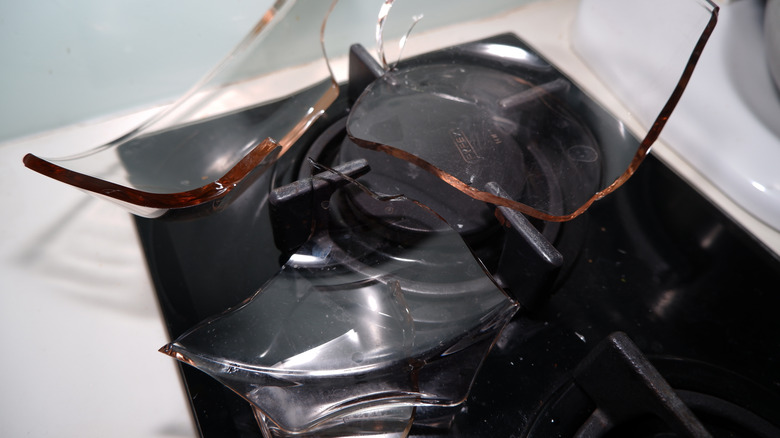
At the core of almost every glass baking dish failure is a phenomenon known to scientists and chefs alike as thermal shock. Glass, by its very nature, responds dynamically to temperature fluctuations. As it heats up, the material expands; as it cools down, it contracts. If the temperature changes too abruptly or unevenly, different parts of a single glass dish will expand or contract at drastically different rates. This creates massive internal mechanical stress, often exceeding the tensile strength of the glass and causing it to crack, fissure, or catastrophically shatter.
Moving a Pyrex dish from a freezing refrigerator straight into a preheated oven is the textbook definition of thermal shock—and it is precisely the kind of abrupt transition that manufacturers warn against.
However, not all glass bakeware is created equal, and the manufacturing history of Pyrex plays a vital role in its durability:
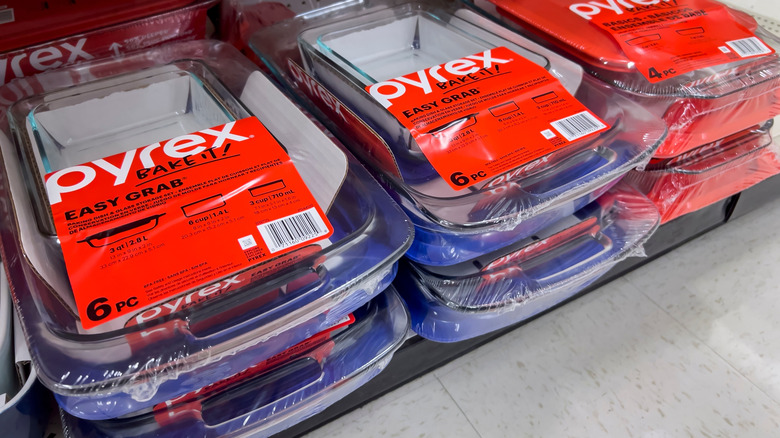
- Borosilicate Glass: Original Pyrex products, launched by Corning in the early 20th century, were manufactured using borosilicate glass. This specialized composition has a very low coefficient of thermal expansion, meaning it reacts minimally to extreme temperature changes and can tolerate dramatic thermal shifts with ease.
- Soda-Lime Glass: Beginning in the 1950s, manufacturing processes shifted in North America. Pyrex transitioned primarily to heat-strengthened soda-lime glass. While soda-lime glass is significantly more resistant to physical impacts (such as being dropped on a hard kitchen floor), it is far more sensitive to rapid temperature fluctuations compared to its borosilicate predecessor.
Regardless of whether your glassware is a vintage borosilicate heirloom or a modern soda-lime dish, structural integrity is paramount. Even microscopic chips, deep scratches, or hairline fractures can compromise the glass, creating focal points where thermal stress concentrates. Inspecting your bakeware regularly for damage is a crucial first step in accident prevention.
Chronology of Safety: A Step-by-Step Guide to Using Pyrex
To eliminate the risk of kitchen catastrophes, culinary safety experts advise adopting a strict chronological approach to how you handle glass bakeware, from preparation to cleanup.
Phase 1: Pre-Oven Preparation
Before a Pyrex dish ever touches a heating element, the environment must be properly prepared.
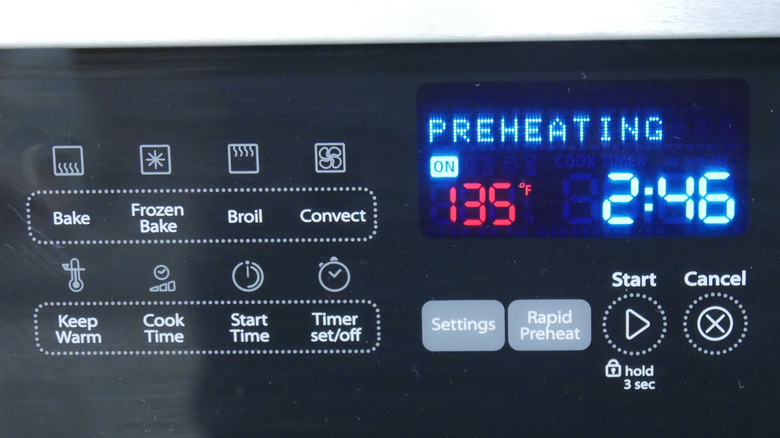
- Complete the Preheating Cycle: Waiting for the oven to signal that it has reached the target temperature is not merely a cooking suggestion; it is a vital safety protocol. When an oven is actively preheating, its internal bake and broil elements cycle on and off, radiating intensive heat far exceeding the oven’s target temperature. Placing a glass dish into an oven during this phase exposes it to dangerous radiant heat. Always wait for the preheat cycle to finish completely before loading your dish.
- Add Liquids Early for Roasting: When preparing dense foods like vegetables, fruits, raw meats, or seafood, ingredients often release moisture as they cook. However, Pyrex guidelines recommend adding a small amount of liquid (such as water or broth) to cover the bottom of the dish before it goes into the oven. Attempting to add cold or room-temperature liquid to an already hot glass dish mid-cooking can instantly trigger thermal shock, weakening or shattering the glass.
Phase 2: During Cooking
Once your food is safely inside a fully preheated oven, managing external heat sources is essential.
- Avoid the Broiler: It is tempting to switch on the broiler for the last few minutes of cooking to achieve a golden-brown, crispy cheese crust on your casserole. However, Pyrex should never be used under a broiler. Unlike conventional baking—where circulating hot air heats a dish evenly—broiling relies on a powerful, concentrated heating element located at the top of the oven, subjecting the glass to extreme, localized thermal stress.
- Ban Countertop Appliances: "Oven-safe" does not mean safe for every appliance with the word "oven" in its title. Pyrex explicitly warns against using its glassware in countertop appliances, including air fryers, toaster ovens, slow cookers, and rice cookers, where heating elements are positioned too close to the glass surface.
Phase 3: Post-Oven Extraction and Cleanup
The safety process does not end when you pull the dish out of the oven. In fact, some of the most dramatic glass-shattering incidents occur during the cooling and serving phases.
- Never Place Hot Glass on Cold Surfaces: Pulling a hot casserole out of the oven and setting it directly onto a cold granite countertop, a metal stovetop, or inside a wet stainless-steel sink invites disaster. Always place hot Pyrex onto a dry potholder, a thick kitchen towel, a wooden cutting board, or a cork trivet.
- Mind Your Utensils: When serving from a Pyrex dish, avoid striking metal spoons or spatulas hard against the rim or base. While wooden and silicone utensils are preferred, any forceful impact can chip or weaken the glass, setting the stage for future failures.
- Cool Before Washing: Allow the dish to cool down completely to room temperature before washing it, submerging it in water, or transferring it to the refrigerator or freezer. Thermal shock works both ways; introducing cold water to a hot dish will shatter it just as reliably as putting a cold dish into a hot oven.
Supporting Data and Technical Insights
Kitchen safety organizations and consumer advocacy groups have tracked appliance-related accidents for decades, providing illuminating data on how cookware failures occur:
- Temperature Differentials: Laboratory testing indicates that soda-lime glass can generally tolerate thermal differentials of up to approximately 90°F to 100°F (approx. 32°C to 38°C) safely. However, moving a dish from a 38°F (3°C) refrigerator into a 400°F (204°C) oven creates an instantaneous thermal differential exceeding 360°F—far beyond the structural threshold of standard consumer glassware.
- Global Material Differences: Interestingly, international markets—particularly in Europe and parts of Asia—frequently continue to use borosilicate glass formulations for kitchenware due to regional regulatory standards and consumer preferences, whereas North American markets predominantly rely on tempered soda-lime glass. This regional discrepancy often leads to consumer confusion regarding international recipes and online safety advice.
Official Responses and Industry Guidelines
In response to consumer queries and historical safety concerns, manufacturing entities and consumer safety commissions have standardized their user guidelines to promote best practices.
Major houseware manufacturers issue explicit care and use instructions printed on packaging and digital platforms, emphasizing the following golden rules:
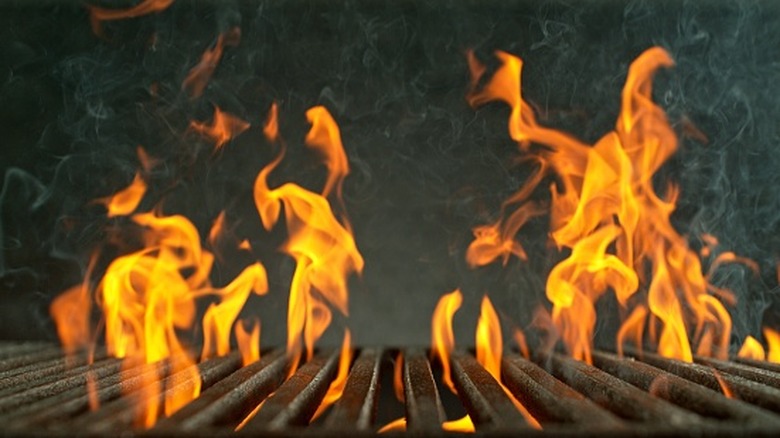
- No Stovetop Use: Pyrex glassware is strictly designated for oven and microwave use; it must never be used on gas, electric, or induction stovetops, nor over open campfires.
- Avoid Sudden Temperature Changes: Consumers are routinely reminded to avoid adding cold liquids to hot dishes, placing hot dishes on cold or wet surfaces, or transitioning items directly from freezer to oven without a gradual thawing process.
- Inspection and Retirement: Safety advocates stress that any glassware showing structural compromise—such as deep scratches, chips along the pouring spout or handles, or visible cracks—should be retired from active kitchen duty immediately, regardless of its sentimental or monetary value.
Implications for Home Cooks
The implications of these safety guidelines extend far beyond avoiding a ruined holiday dinner; they touch on fundamental kitchen safety, injury prevention, and consumer awareness.
Glass shards resulting from thermal shock are notoriously sharp and unpredictable, capable of causing severe lacerations, burns, and foot injuries if safety protocols are ignored. By altering simple kitchen habits—such as waiting for the oven to preheat fully, utilizing trivets instead of cold counters, and abandoning the urge to broil in glass—home cooks can dramatically reduce the risk of accidents.
Ultimately, Pyrex remains one of the most versatile, durable, and reliable tools in the culinary world when treated with the respect its material science demands. By understanding the invisible forces of thermal shock and embracing a disciplined, safety-conscious approach to baking, you can keep your kitchen safe, your dinners intact, and your favorite bakeware functioning flawlessly for years to come.
 Lina Hope
  Neng Nana