
 By Lina Hope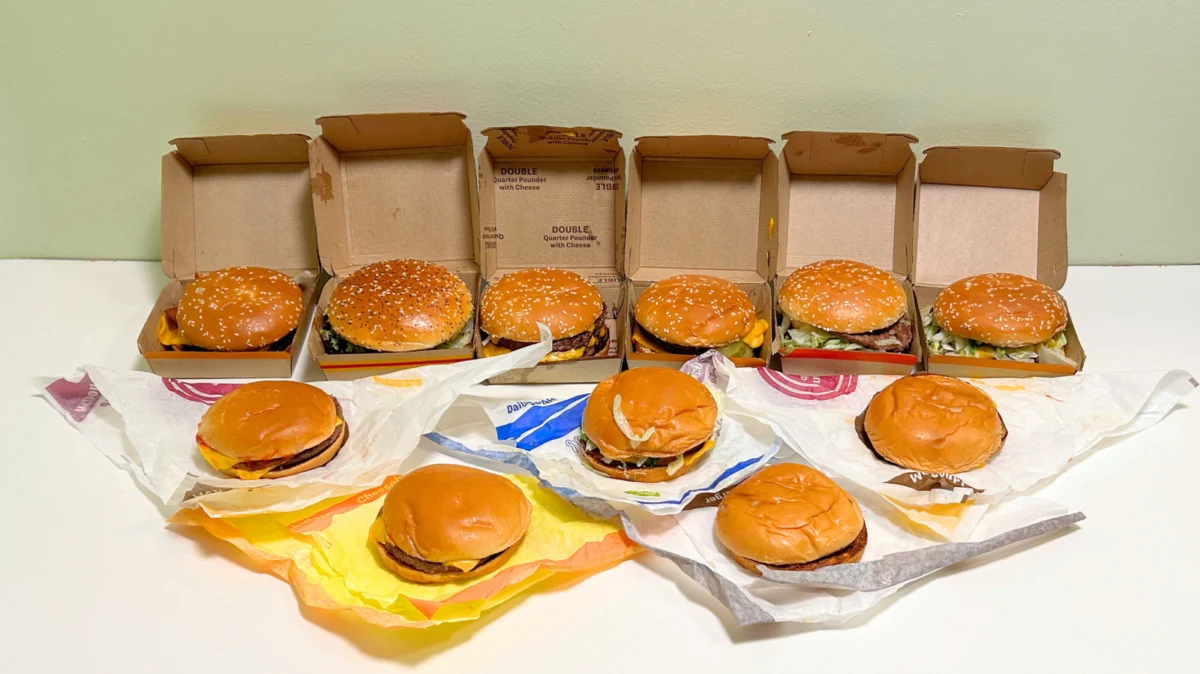
When millions of motorists pull up to a McDonald’s drive-thru across the United States, muscle memory almost always takes the wheel. Without even looking at the illuminated menu boards, customers automatically recite orders for global icons: the legendary Big Mac, with its unmistakable secret sauce and middle bun, or the classic Quarter Pounder with Cheese, prized for its thicker, heavier beef patties. These flagship items have dominated pop culture, television commercials, and nostalgic cravings for decades, cementing themselves as the undisputed royalty of American fast food.
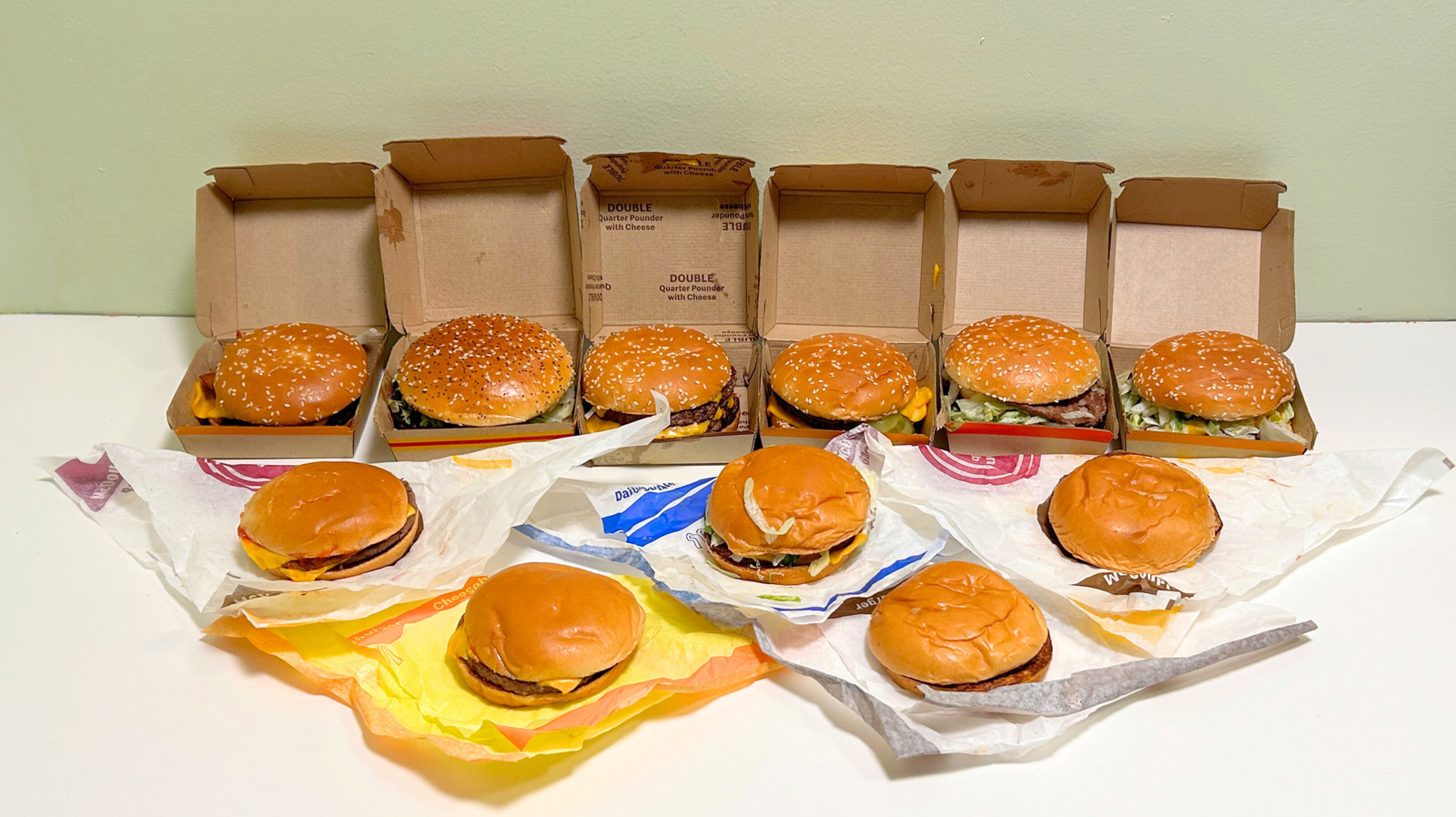
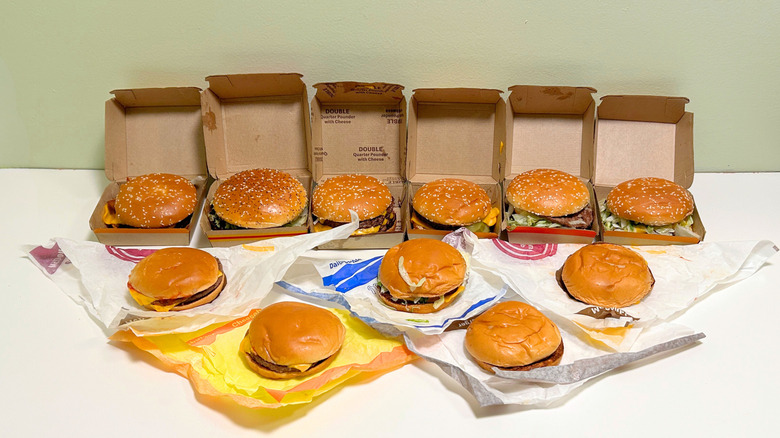
Yet, lurking quietly in the shadows of these heavy hitters lies a secret weapon that seasoned fast-food aficionados have quietly championed for years. According to comprehensive evaluations of fast-food menus, the absolute best burger McDonald’s has to offer is not the Big Mac, nor is it the Quarter Pounder. Instead, that coveted crown goes to a modest, frequently overlooked menu item: The Daily Double.
Main Facts: Deconstructing the Daily Double
To understand why the Daily Double reigns supreme, one must first look at its architectural blueprint. At its core, the Daily Double features two juicy, 100% pure beef patties paired with a single slice of melted American cheese. On paper, this sounds remarkably similar to a standard McDouble. However, what elevates the Daily Double from a budget-tier staple into a gourmet-adjacent fast-food marvel is its approach to fresh produce and condiments.
Unlike standard double cheeseburgers that rely solely on pickles, onions, ketchup, and mustard, the Daily Double is stacked with:
- Crisp, shredded iceberg lettuce
- Slices of fresh, juicy tomatoes
- Slivered white onions
- A generous, creamy spread of mayonnaise
This clever combination of ingredients introduces a vibrant, veggie-packed crunch that directly cuts through the rich, savory profiles of the beef and melted cheese. The result is a balanced flavor profile that mimics a high-end diner burger rather than a mass-produced quick-service meal. Furthermore, the inclusion of slivered onions—as opposed to the dehydrated, rehydrated minced onions found on basic hamburgers—adds a sharp, clean bite that elevates the entire sensory experience.
Chronology: The Evolution of McDonald’s Menu Architecture
To appreciate how the Daily Double earned its status, it is helpful to look back at how McDonald’s menu has evolved over the decades.
The Era of Standardization (1960s–1980s)
Following the explosive success of the Big Mac, introduced nationally in 1968 by franchisee Jim Delligatti, McDonald’s focused heavily on scaling standardized items. The menu was relatively sparse, centered around the single hamburger, cheeseburger, Filet-O-Fish, and eventually, the Quarter Pounder (1971). Customization was minimal, and burgers were built for speed and uniformity.
The Regional and Underground Experiments (1990s)
By the 1990s, consumer palates began demanding more variety and fresher ingredients. It was during this era that regional variations and tests began populating select domestic menus. Former employees and long-time fans note that the Daily Double surfaced as a way to bridge the gap between heavy, premium specialty sandwiches and basic, no-frills double cheeseburgers. Working at the chain during the ’90s, many crew members discovered that adding lettuce, tomato, and mayo to a double patty created a superior off-menu or regional favorite.
The Digital Age and Cult Following (2010s–Present)
In the age of social media, TikTok food reviews, and dedicated Reddit communities (such as r/burgers), hidden menu items and underrated fast-food hacks have found a powerful megaphone. Online threads dedicated to the Daily Double regularly feature testimonials from loyalists who have ordered the burger exclusively for decades. Despite corporate marketing overwhelmingly prioritizing the Big Mac family and the Quarter Pounder lineup, the Daily Due has survived through word-of-mouth endorsement and its dedicated cult following.
Supporting Data: Flavor, Structure, and Economics
When evaluating fast-food burgers, analysts typically look at three critical metrics: structural integrity, flavor balance, and economic value. On all three fronts, the Daily Outperforms its more famous siblings.
1. Structural Integrity vs. The Big Mac
One of the most common complaints levied against giant double-decker burgers is structural fatigue. The classic Big Mac utilizes three distinct bun slices. While iconic, this abundance of bread often creates a dry, carb-heavy eating experience that overpowers the flavor of the beef. Conversely, oversized specialty burgers loaded with grease and heavy sauces frequently result in soggy buns that fall apart halfway through the meal.
The Daily Double solves this architectural dilemma by sticking to a standard, single-tier hamburger bun. It provides just enough structural support to hold the dual patties and heavy toppings without overwhelming the diner’s palate with excess bread. Every single bite remains manageable, clean, and proportionally balanced.
2. The Economics of Fast Food
In an era defined by fluctuating food costs and inflationary pressures at the drive-thru window, price transparency and value matter more than ever.
- The Big Mac: Frequently commands an average national price of around $6.72 (varying by franchise location and local market conditions).
- The Daily Double: Typically priced significantly lower, hovering around $4.39.
This stark price disparity means diners receive a premium, vegetable-inclusive, double-patty burger experience at a fraction of the cost of flagship specialty items. It delivers the meat and fresh produce consumers crave without forcing them to pay a steep premium for marketing-driven brand names.
Official Responses and Industry Perspectives
While McDonald’s corporate headquarters heavily allocates its multi-billion-dollar marketing budgets toward promoting the Big Mac, the Quarter Pounder, and newer chicken sandwich lines, franchise operators and industry insiders acknowledge the quiet power of underground favorites like the Daily Double.
Fast-food analysts note that items requiring fresh produce—such as lettuce, tomatoes, and mayonnaise—pose unique logistical challenges for quick-service supply chains. Tomatoes have a short shelf life and require precise refrigeration and frequent slicing, making them more labor-intensive than standard pickles and onions. The fact that the Daily Double maintains its place on the menu in many regions speaks to its steady, reliable demand among savvy consumers who notice the quality difference.
Culinary experts outside the corporate fast-food sphere often praise burgers configured like the Daily Double. Food critics frequently point out that the addition of mayonnaise and fresh tomato creates a localized "club" or diner-style burger profile that cuts through grease far more effectively than traditional thousand-island-style dressings or heavy ketchups.
Implications: Changing How America Orders at the Drive-Thru
The enduring appeal of the Daily Double carries broader implications for consumer behavior within the fast-food industry. It proves that despite the overwhelming influence of corporate advertising and high-visibility promotions, product quality and value ultimately drive long-term customer loyalty.
When consumers break free from autopilot ordering habits, they often discover that menu diversification yields better culinary and financial outcomes. The success of the Daily Double as an underrated champion challenges fast-food chains to rethink how they market their entire portfolios, rather than relying solely on legacy flagships.
What This Means for Your Next McDonald’s Run
The next time you find yourself idling in a crowded drive-thru lane, resist the urge to reflexively order the default Big Mac or Quarter Pounder with Cheese. Take a moment to look past the glowing promotional banners and give the unassuming Daily Double a chance.
In doing so, you will not only save a few dollars in an economy where every penny counts, but you will also experience what many culinary purists and long-time fans already know: McDonald’s best-kept secret has been hiding on the menu all along.
 Neng Nana
  Basiran