
 By Lina Hope
As the mercury climbs and the weekend backyard barbecue season swings into high gear, millions of consumers face a familiar, yet surprisingly complex dilemma: standing in front of the brightly lit, freezing beer aisle, trying to select a crowd-pleasing brew. For a hot summer afternoon, a light, crisp, easy-drinking lager is universally recognized as the safest and most satisfying bet.
In the United States, two dominant styles command the lion’s share of shelf space in refrigerated cases: the American-style lager and the Mexican-style lager. Both are celebrated for their supreme drinkability, low alcohol content, and refreshing profiles. Yet, beneath their deceptively similar golden appearances and interchangeable marketing campaigns lies a fascinating world of brewing history, ingredient science, and evolving international competition.
Main Facts: Defining the Contenders
To the untrained eye, a chilled bottle of a classic American macro-lager and a popular Mexican import look nearly identical. They pour a brilliant pale straw to deep gold, boast a lively crown of white bubbles, and are explicitly designed to be consumed ice-cold. However, their foundational DNA separates them into distinct categories recognized by professional brewing organizations worldwide.
At their core, both American and Mexican lagers frequently utilize "adjuncts"—fermentable sugars derived from sources other than traditional malted barley, such as corn and rice. These adjuncts are intentionally incorporated to lighten the body of the beer, strip away heavy proteins, and produce a clean, highly attenuative finish that satisfies a mass-market palate.
Despite these shared traits, a few key differentiators define each style:
- Flavor Complexity: American lagers prioritize supreme simplicity, focusing on a clean, neutral canvas with subtle bready or biscuity notes. Mexican lagers typically feature a bit more body and a more robust flavor profile, often leaning into subtle sweetness or distinct grain characteristics.
- Grain Bills: While both use cereal adjuncts, Mexican lagers traditionally rely more heavily on corn (sometimes making up to 40% of the grain bill), whereas American lagers have historically pivoted more frequently toward rice or corn interchangeably.
- Hop Influence: American lagers exhibit virtually zero hop bitterness or aroma. Mexican lagers may occasionally incorporate European noble hops (such as Saaz or Spalt), imparting a mild herbaceous or floral nuance.
- Geographic Flexibility: In the modern craft beer era, geography no longer dictates style. As demonstrated by recent international beer competitions, an authentic Mexican-style lager can be masterfully brewed in the heartland of the United States, while an American-style light lager can be successfully produced in Central America.
Chronology: A History of Innovation and Immigration
The story of these two beer styles is deeply intertwined with immigration, industrialization, and shifting consumer preferences over the last century and a half.
The Late 1800s: European Roots in North America
When commercial brewing first expanded rapidly across North America, the earliest lagers brought over by European settlers—primarily German and Austrian immigrants—were actually darker, heavier, Munich-style brews. However, the warm climates of the American South and Mexico, combined with local agricultural realities, necessitated an evolution.
In Mexico, German and Austrian immigrants who arrived during the late 19th century (strengthened by the brief reign of Emperor Maximilian I) brought their traditional knowledge of Vienna lagers. Finding it difficult to source exact European ingredients locally, these pioneer brewers began experimenting with native ingredients, most notably maize (corn). This historical adaptation birthed the precursor to what we know today as the modern Mexican lager style.
The Mid-20th Century: The Rise of Industrial Light Lagers
Meanwhile, in the United States, large-scale industrial breweries faced economic pressures, material rationing during wartime, and a public rapidly warming to lighter, crisper alcoholic beverages. Brewers discovered that blending inexpensive, readily available domestic crops like corn and rice into the mash helped offset the heavier proteins of domestic six-row barley.
This technological innovation led to the birth of the iconic American standard lager—beers engineered for mass production, consistency, and maximum refreshment. Brands like Budweiser, Coors, and Miller became household names, defining the post-war American backyard culture.
The 21st Century: Craft Revolution and Global Standardization
As the craft beer movement exploded in the late 1990s and 2000s, independent craft breweries began resurrecting and refining these historic styles. What was once dismissed by craft purists as flavorless "macro-beer" suddenly received a boutique makeover. Craft brewers began applying rigorous artisanal techniques to traditional adjunct lagers, proving that simplicity requires immense brewing precision.
By the mid-2010s and 2020s, Mexican-style lagers transitioned from being viewed merely as beachside imports served with a lime wedge to being respected as a distinct, highly nuanced category within the global brewing landscape.
Supporting Data: Judging Standards and Competition Results
The subtle distinctions between these two styles are taken very seriously by professional tasting panels. The World Beer Cup (WBC)—often described as the "Olympics of Beer"—serves as the ultimate benchmark for categorizing and evaluating these brews. Recognizing the explosive growth and distinct identity of Mexican-style lagers, competition organizers officially added a dedicated "Mexican-Style Lager" category ahead of the 2026 games, separating it firmly from standard American-style entries.
Data from recent competitions highlight the truly global nature of modern brewing:
- Geographic Independence: Winning a style category no longer depends on where the brewery is physically located. At recent World Beer Cups, top-tier medals for Mexican-style lagers were swept by independent craft breweries operating entirely within the United States. Conversely, silver medals in American-style categories have been awarded to international operations, such as breweries based in Honduras.
- Sensory Evaluation Metrics: According to official WBC judging criteria, judges evaluating American-Style Lagers look for very little sweetness, a clean fermentation profile on the palate, and virtually zero hop bitterness or aroma. For Mexican-Style Lagers, judges look for similarly low sweetness and fermentation profiles, but evaluate the beer for a slightly more rounded mouthfeel, gentle corn sweetness, and a faint whisper of noble hop presence.
- Alcohol by Volume (ABV): Both styles maintain a sessionable, highly drinkable ABV generally hovering between 4% and 5%, making them ideal for extended social gatherings where pacing is key.
Official Responses and Expert Perspectives
To understand how these beers function in the real world, industry professionals emphasize that context and consumer expectations dictate the choice.
Felipe Diaz, a professional bar manager and sommelier, notes the specific social utility of these beverages: "They are great if the crowd is more casual," Diaz explains. When hosting large gatherings where guests have diverse palates, heavy IPAs or complex stouts can alienate casual drinkers. A clean lager acts as a social lubricant, satisfying everyone from sophisticated wine enthusiasts to casual backyard grillers.
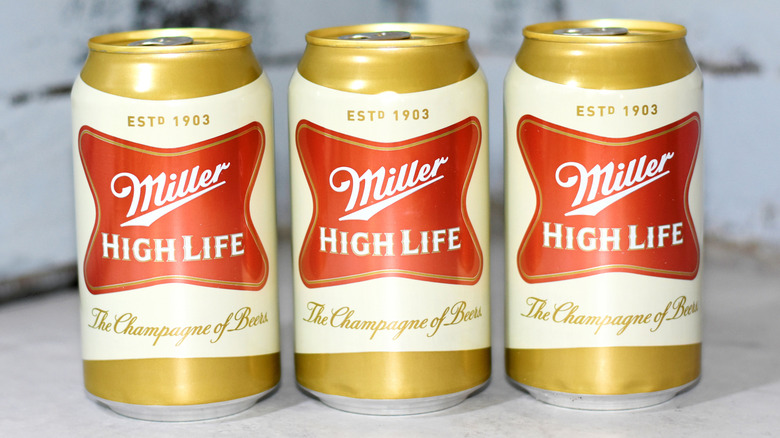
Furthermore, culinary experts point out that the utility of these beers extends far beyond the glass. The adjunct grains and clean carbonation make them exceptional culinary partners and ingredients. For instance, substituting or incorporating a classic crisp lager—whether it’s a Pacifico or a Miller High Life—into traditional recipes like guacamole, beer cheese, or marinades can elevate the dish by introducing subtle malt sweetness and effervescence.
Industry giants and craft upstarts alike have embraced this versatility. Mainstream giants such as Modelo, Pacifico, Tecate, and Dos Equis continue to dominate retail shelves for Mexican-style profiles, while independent breakout stars like Indiana’s Three Floyds Brewing (whose Floyds Deluxe took gold in the American-style lager category) and Utah’s Ogden Beer Company (whose Cultura Cerveza took gold in the Mexican-style category) prove that regional craft breweries can out-execute mass producers while honoring traditional styles.
Implications: Which One Should You Choose?
As consumers navigate the endless sea of aluminum cans and glass bottles at their local retailer, understanding the nuance between American and Mexican lagers unlocks a better culinary and social experience.
- Choose an American-Style Lager if: You are seeking absolute simplicity, maximum crispness, and a completely neutral flavor profile. These beers are engineered to disappear on the palate, making them the ultimate accompaniment to heavy, salty, or deeply savory foods like classic cheeseburgers, grilled hot dogs, french fries, and heavily spiced game-day chili. They require no active analysis—just cold refreshment.
- Choose a Mexican-Style Lager if: You want that same ultra-refreshing, easy-drinking quality but desire a touch more character and body. The subtle presence of flaked or malted corn gives these beers a rounder mouthfeel that easily cuts through rich, acidic, or spicy dishes. They are the natural companions to street tacos, chips and authentic salsa, fresh guacamole, enchiladas, and even unexpected pairings like wood-fired pizza or rich ramen noodles.
Ultimately, the boundary lines between American and Mexican lagers are defined more by marketing heritage and subtle grain adjustments than an insurmountable chasm of flavor. Whether you pull a crisp, no-nonsense American macro-lager from an iced cooler or pour a golden Mexican-style craft lager into a chilled glass garnished with lime, both styles remain undefeated champions of warm-weather hospitality.
 Neng Nana
  Basiran