
 By Sagoh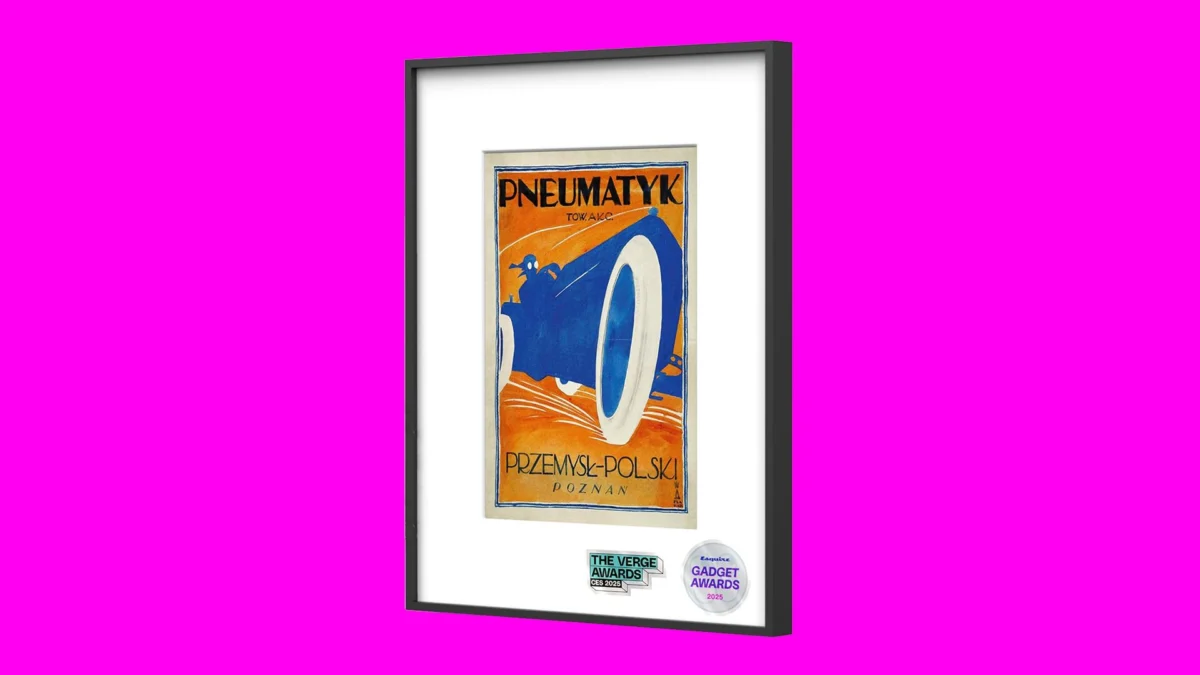
In the modern living room, the "Frame TV" has long reigned supreme as the gold standard for blending technology with interior design. By disguising a high-definition display as a gallery-quality canvas, these devices promised to eliminate the "black mirror" effect that plagues traditional home theater setups. However, as interior design trends pivot toward minimalism and the "quiet luxury" aesthetic, a new challenger is emerging: the e-ink digital art frame.
Led by innovators like the Swiss-based company InkPoster, these devices are shifting the conversation from "smart displays" to "digital canvases." By stripping away the distracting backlighting, heavy cabling, and rigid placement requirements of traditional televisions, e-ink frames are offering a more authentic, artistic experience.
The Evolution of the Digital Wall: Main Facts
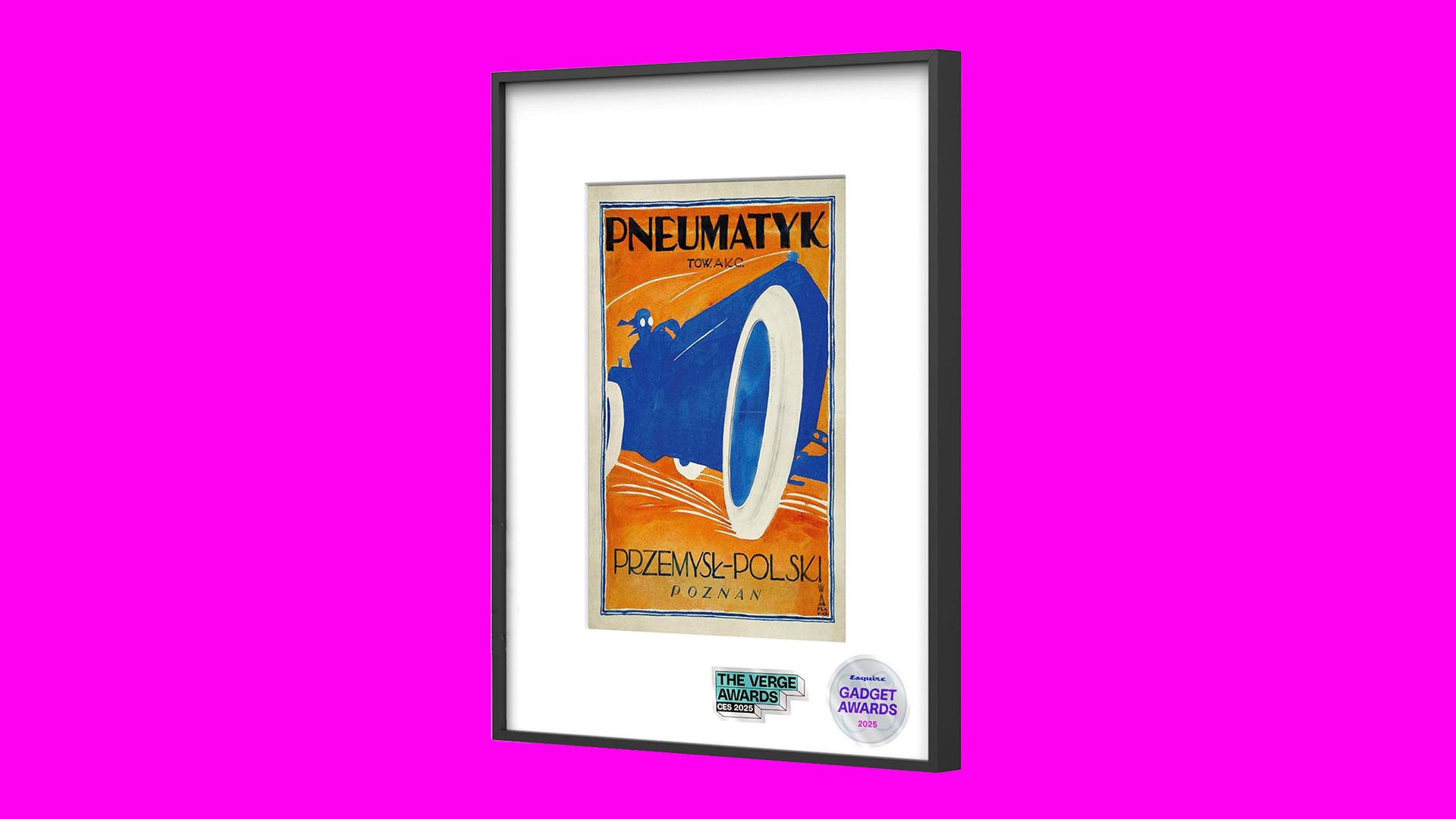
At its core, an e-ink digital art frame utilizes the same electrophoretic display technology found in e-readers like the Kindle. Unlike traditional LED or OLED panels, which emit light to create an image, e-ink displays reflect ambient light. This results in a matte, paper-like finish that lacks the "glow" of a television, making it indistinguishable from a printed canvas at a distance.
The primary appeal is twofold: aesthetics and versatility. While a Frame TV is tethered to a power source and requires a specific mounting location—usually centered directly across from a sofa for optimal viewing angles—e-ink frames are often battery-powered. This allows homeowners to treat their tech like a piece of art, placing it in hallways, kitchens, or bookshelves where a power outlet might be inaccessible.
The InkPoster Affresco, currently making waves in the market with a starting price point of $499, exemplifies this shift. By prioritizing the "analog feel" of a physical print over the high-refresh-rate demands of cinema, these devices cater to a demographic that values art history and home decor over streaming capabilities.
A Chronology of the Digital Canvas
The journey toward the modern digital frame began decades ago with low-resolution, slideshow-based LCD photo frames. These early iterations were widely criticized for their garish, plastic frames and poor color reproduction. They were viewed more as gadgets than home decor.
- 2010–2015: The rise of high-resolution tablets led to a brief surge in "digital wall frames," but the reliance on glass screens meant they remained susceptible to glare and required constant, unsightly power cables.
- 2017: Samsung launched the "The Frame," which successfully married TV technology with a sleek, customizable bezel. While it dominated the market, it failed to address the issue of the screen’s emissive nature; it still looked like a television, just a very expensive one.
- 2022–Present: E-ink technology, previously relegated to text-based e-readers, saw a surge in high-resolution, multi-color capabilities. Companies like InkPoster began applying this tech to large-format art, finally achieving the matte finish and low power consumption required for true "art-first" displays.
Supporting Data: Why E-Ink Outperforms
To understand why consumers are moving away from traditional displays, one must look at the technical specifications that define the "artistic experience."
1. Emissive vs. Reflective Light
A standard TV is an emissive display. Even at low brightness, it emits blue light and creates a "halo" effect in darker rooms. E-ink, conversely, is a reflective display. It relies on ambient light in the room, meaning the artwork looks natural during the day and fades into the background at night, just as a real oil painting would.
2. The "Physical" Transition
One of the most praised aspects of the InkPoster Tela and Affresco models is the transition cycle. When an image changes, the microcapsules in the display physically shift. This creates a slow, deliberate "refresh" that feels less like a computer screen changing slides and more like a physical process. Our testing revealed that this visual "thrum" is strangely hypnotic, reinforcing the perception of the device as a living canvas rather than a computer monitor.
3. Battery Longevity
The power consumption of an e-ink display is essentially zero once an image is rendered. Power is only consumed during the "refresh" cycle. Consequently, a single charge can last for weeks or even months, depending on how often the user cycles their gallery. This removes the "tech clutter" associated with home cinema, allowing the frame to exist in spaces where wires would be a liability.
Official Perspectives and Industry Implications
The success of companies like InkPoster has forced a re-evaluation of the "Smart Home" sector. Design houses, including the legendary Italian firm Pininfarina, have begun collaborating with tech manufacturers to add "high-end" accents to these devices. By incorporating materials like Alcantara—a high-durability synthetic suede—onto the passepartout (the border between the frame and the art), these tech companies are signaling that their products are no longer just for early adopters; they are for interior designers.
"We are moving into an era of ‘Invisible Tech,’" says one industry analyst. "People are tired of being bombarded by screens. They want the benefits of digital curation—the ability to change art at the tap of an app—without the constant reminder that they are looking at a computer."
The implication for the wider market is clear: the "Frame TV" is now competing with a product that is more specialized, more beautiful, and easier to install. While the Frame TV will always win in a home theater environment where movies are the priority, the e-ink frame is rapidly becoming the default choice for the "art wall."
Implications for the Creative Community
For artists and photographers, the rise of high-quality e-ink frames represents a new frontier. Historically, digital artists struggled to find a medium that honored their work. A painting on an iPad looks different than it does on a monitor, and neither looks like a print.
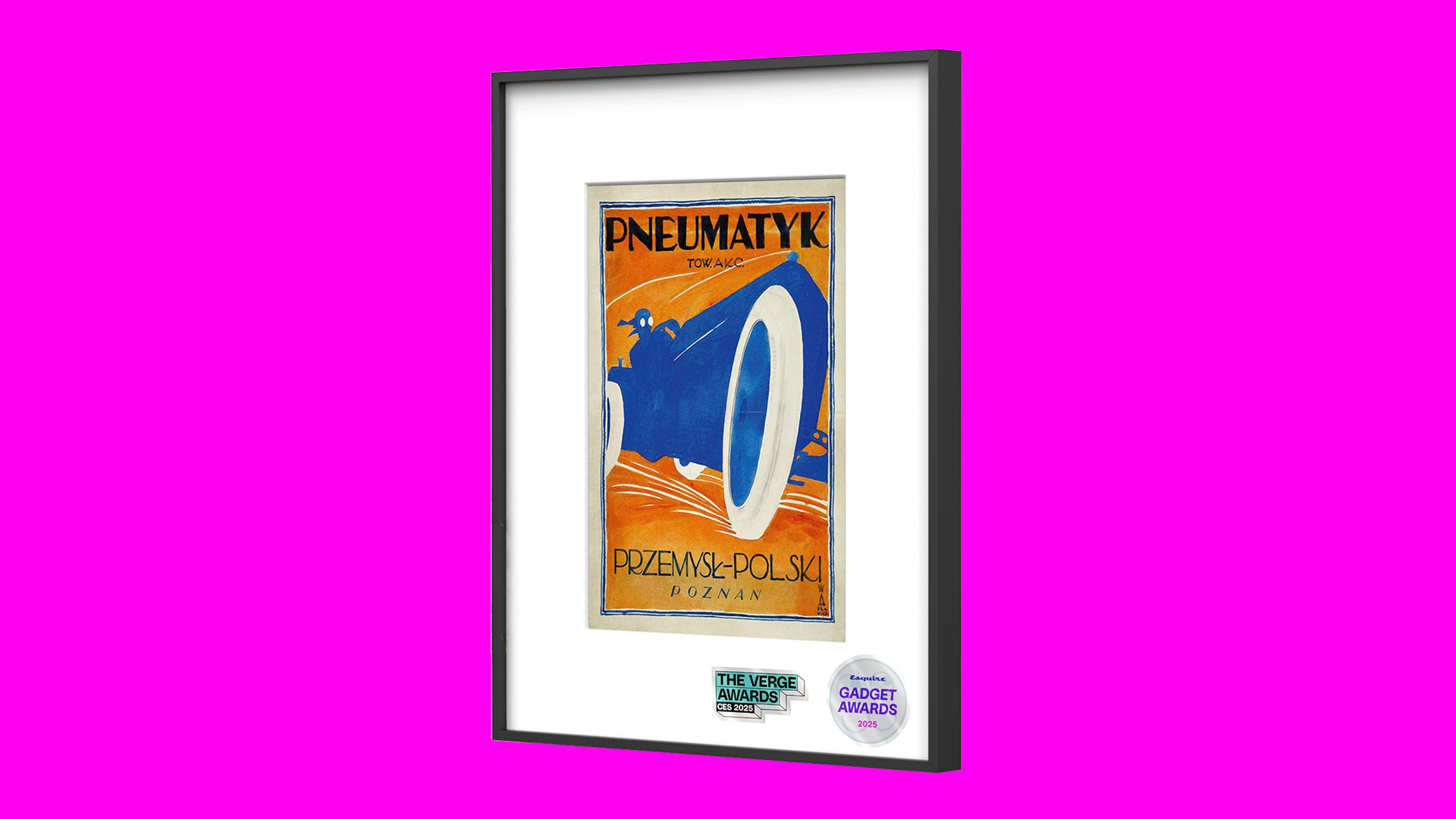
E-ink bridges this gap. Because the surface is matte and non-reflective, the texture of the digital file is preserved in a way that feels tactile. Artists can now sell "digital prints" through platforms that sync directly to these frames, allowing for a new revenue stream that is as high-end as a limited edition print run.
Furthermore, the accompanying apps—like those used by InkPoster—allow for precise cropping and resizing. This gives the user agency to reframe classic masterpieces or personal photography to fit the specific dimensions of their frame, turning the curation process into an act of personal creative expression.
Final Thoughts: Is it Time to Switch?
If you are looking to create a multi-purpose media center, a traditional Frame TV remains the logical choice. However, if your primary goal is to curate an ever-changing gallery in your home, the e-ink frame is undeniably superior.
The InkPoster Tela, with its 28.5-inch display and premium design accents, represents the current pinnacle of this transition. It offers the heft of a real frame, the flexibility of a digital library, and the understated beauty of a canvas. As the technology continues to scale and costs decrease, we expect to see the "black mirror" of the living room gradually replaced by these elegant, low-profile, and profoundly more artistic alternatives.
The future of home decor isn’t just about what you watch; it’s about what you look at when you aren’t watching anything at all. With e-ink technology, that future is finally looking a lot more like paper—and a lot less like a screen.
 Evan Lee Salim
  Iffa Jayyana