
 By Reynand Wu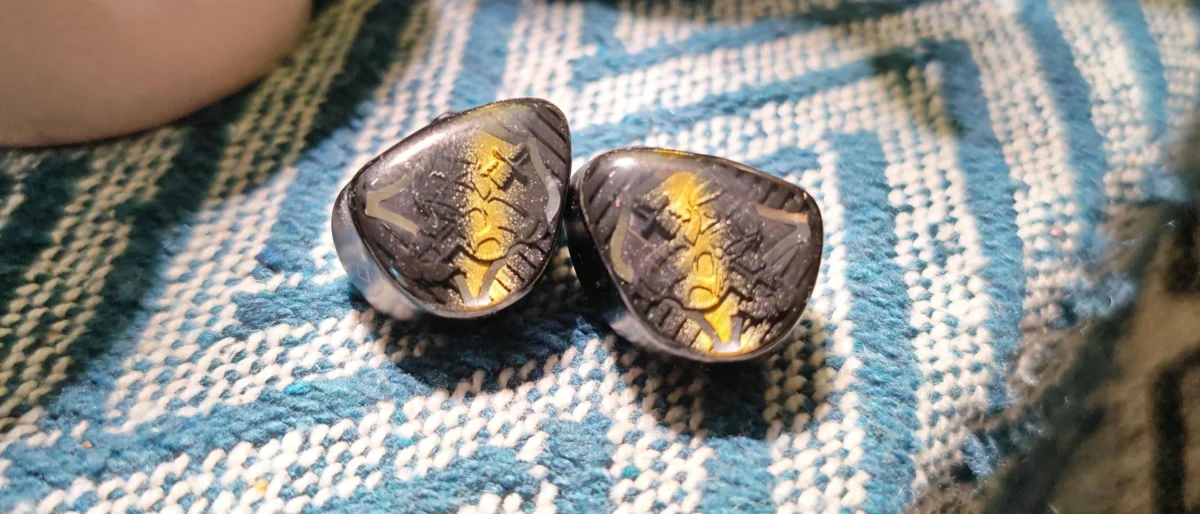
Noble Audio has long cemented its reputation as a titan in the personal audio landscape. From the stratospheric heights of the $5,000 Kronos to the accessible, high-performance Osprey wireless earbuds and the critically acclaimed FoKus Artemis ANC headphones, the company has consistently balanced aesthetic artistry with sonic precision. It is, therefore, with a heavy heart that we must address the latest entry in their lineup: the Noble Vanguard.
At a retail price of $325, the Vanguard enters a fiercely competitive mid-range market. However, after extensive testing, it is clear that the Vanguard represents not just a deviation from Noble’s high standards, but a fundamental failure in acoustic design. To put it bluntly: this is an IEM that struggles to justify its own existence.
The Anatomy of the Vanguard: Specs and Construction
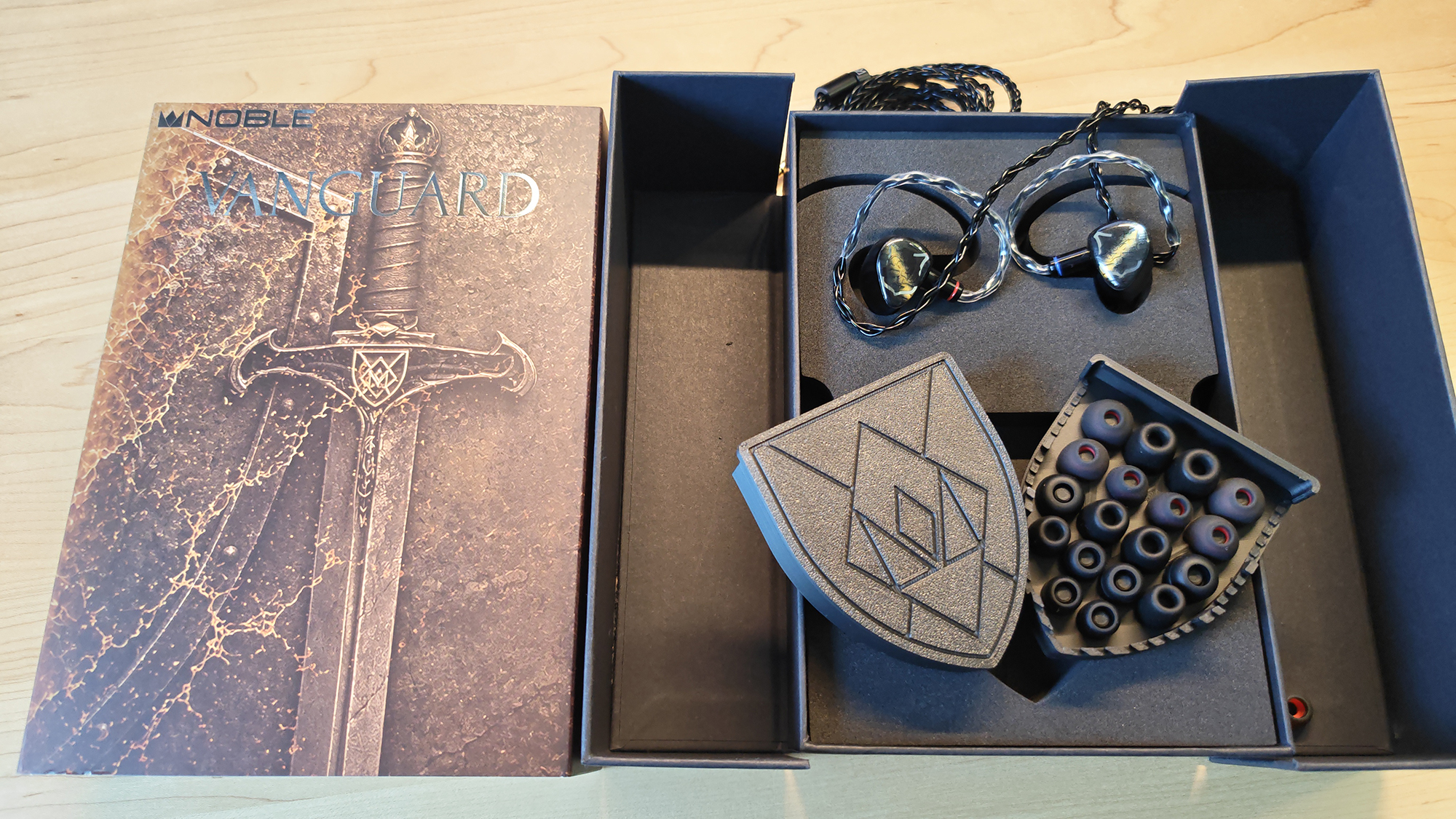
The Noble Vanguard is a hybrid In-Ear Monitor (IEM) released in July 2026. On paper, the technical specifications suggest a serious piece of equipment. It features a triple-driver configuration: one 10mm Polyether Ketone (PEK) dynamic driver paired with two custom balanced armatures. The shells are constructed from DLP 3D-printed resin, capped with CNC-machined aluminum alloy faceplates. It maintains an impedance of 23 Ω and a sensitivity of 112 dB SPL/mW, weighing in at a comfortable 7.5g per unit.
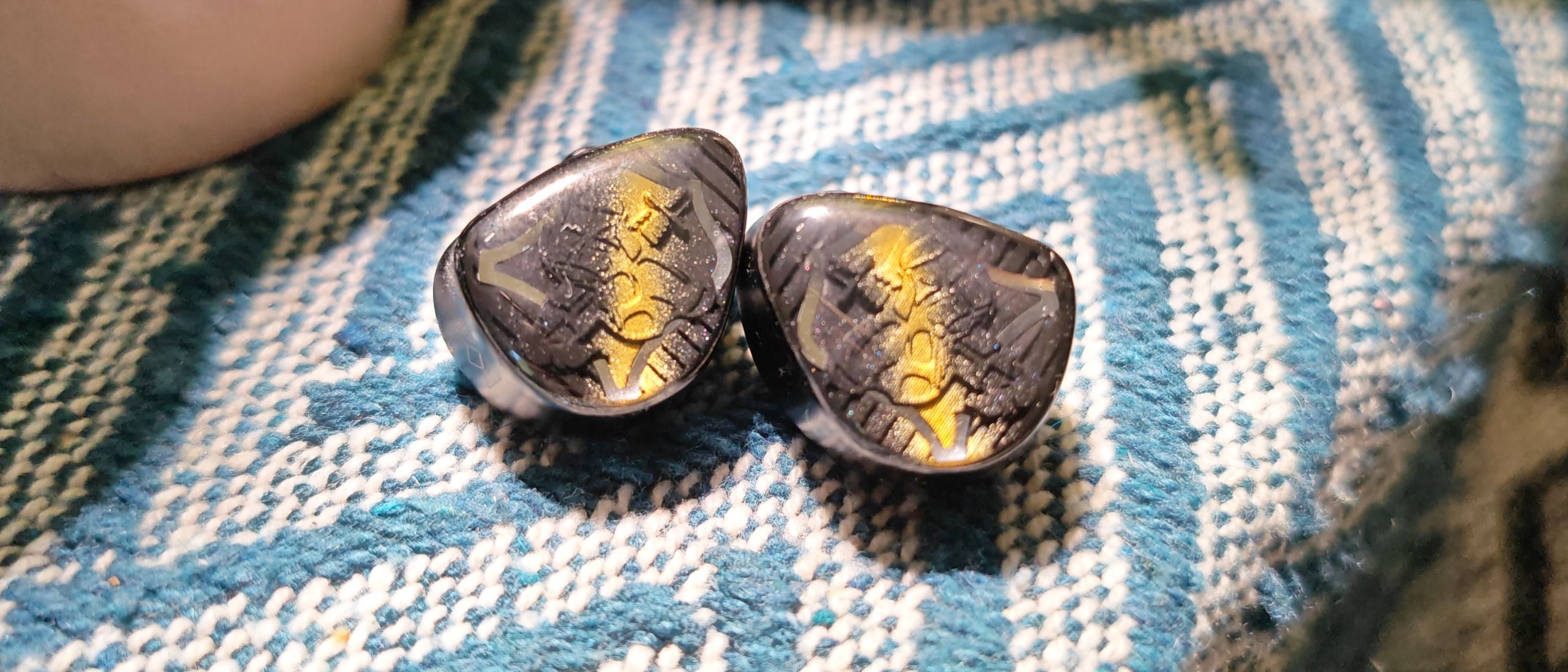
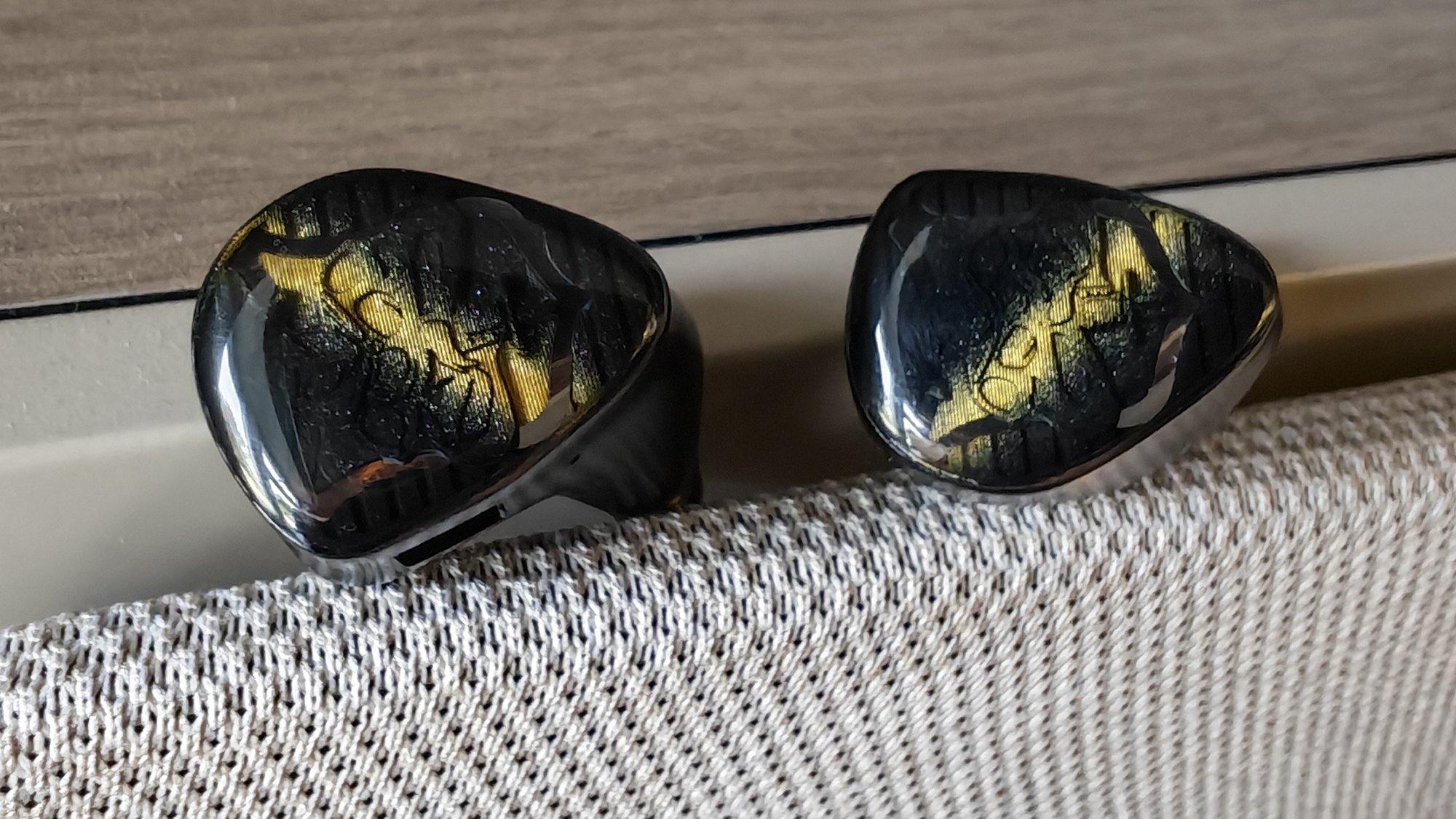
Despite these premium materials, the physical design feels disjointed. The faceplates, which aim for a sophisticated aesthetic—reportedly depicting a medieval warrior—are visually muddled to the point of being illegible. Furthermore, the cable, while aesthetically unobtrusive, lacks the modularity that has become an industry standard for IEMs at this price point. In an era where consumers expect versatility, the fixed cable feels like a significant oversight.
A Chronology of Disappointment: The Testing Process
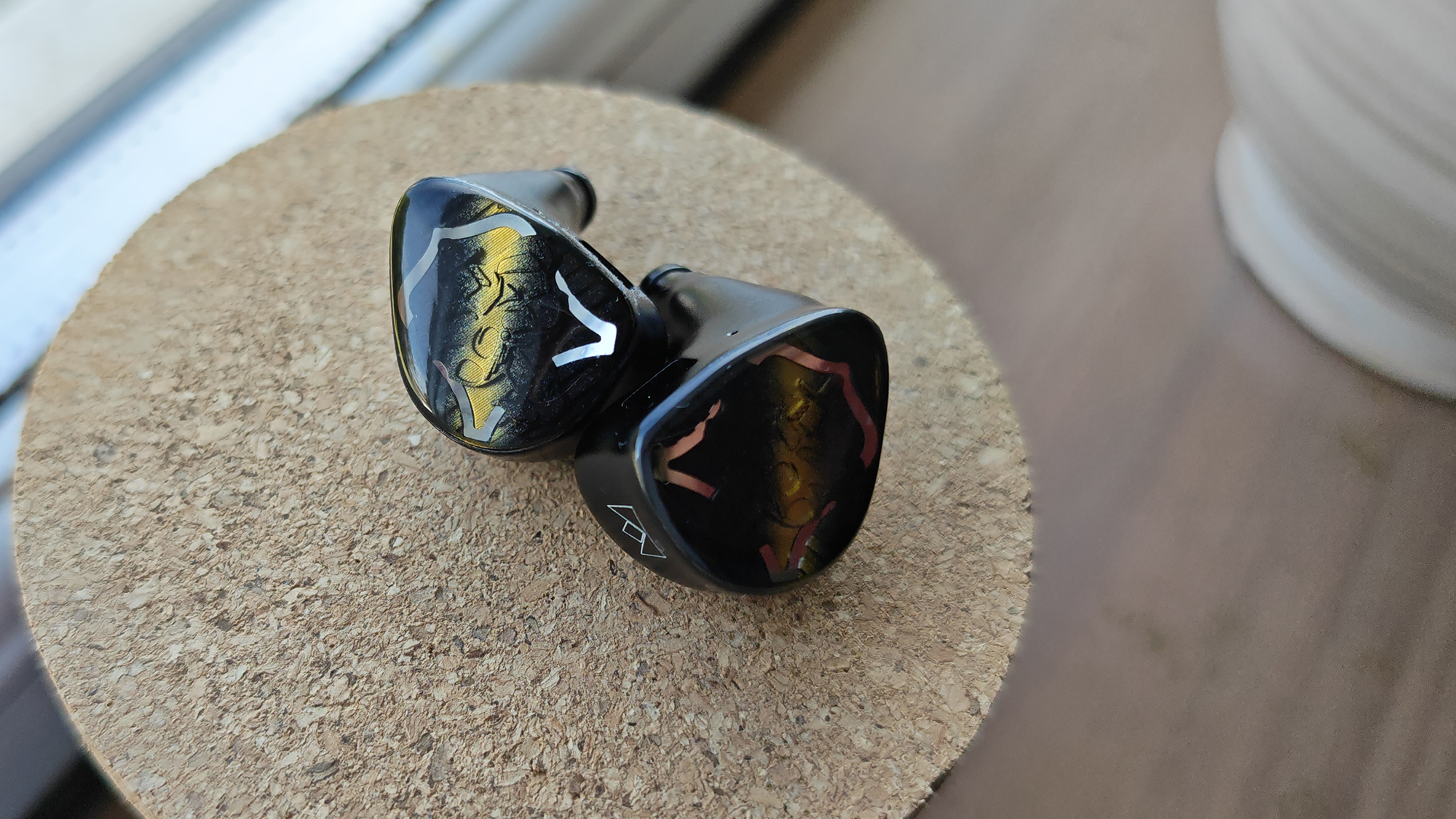
To provide a comprehensive assessment, the Vanguard was subjected to rigorous testing over several weeks. Our evaluation rig included a curated chain of high-fidelity hardware: the Luxsin X8, the Chord Mojo 2, and the Fosi DS2 DAC/Amps. We also tested the units against direct sources, including a MacBook Air (M4) and a Denon RCD-M41DAB player, using lossless audio sources and reference CDs.
The testing process followed a standard diagnostic protocol:
- Initial Burn-in: 50 hours of pink noise to ensure driver settling.
- Reference Track Analysis: Utilizing tracks like Erykah Badu’s Other Side of the Game to evaluate transient response and bass extension.
- Frequency Sweeps: Mapping the tonal profile to identify peaks and dips.
- Comparative Analysis: Benchmarking against market peers like the ZiiGaat Horizon and the Moondrop Blessing 3.
The Sonic Profile: A Case of "Fried" Audio
If the build quality is a point of contention, the sound profile is the Vanguard’s greatest sin. The most charitable description of the Vanguard’s tuning is that it prioritizes "clarity" at the absolute expense of musicality. In practice, this manifests as a jarring, disjointed experience where the bass, midrange, and treble seem to operate in total isolation.
The Bass and Midrange Collapse
When playing a track with significant low-end presence, the Vanguard fails to deliver body or weight. The bass is not merely "shy"; it is fundamentally strangled. The 10mm PEK driver seems incapable of providing the depth required for complex arrangements, turning a crisp snare drum hit into the sound of wet jelly hitting a wall.
The situation worsens in the midrange. A significant dip between 300Hz and 800Hz, followed by an aggressive, mountain-like peak between 2kHz and 4kHz, results in a hollow, recessed lower midrange. Vocals and instruments that should sound full-bodied are rendered thin and shrill. The resulting timbre is artificial, clinical, and, quite frankly, exhausting to listen to.
Treble Performance
The treble region is the final nail in the coffin. Because the upper midrange is so overwhelmingly emphasized, the treble loses its ability to provide "air" or sparkle. Instead, it becomes piercing. Brightly mixed tracks, such as Lucinda Williams’ Sweet Old World, become almost unlistenable, with cymbal crashes and tambourines sounding like shards of glass. It is a fatiguing signature that suggests an "off day" for the tuning team rather than a cohesive design philosophy.
Supporting Data: The Value Proposition
To contextualize the Vanguard’s failure, one must look at the competitive landscape. At $325, the market is saturated with options that offer superior balance, modular cables, and more refined driver integration.
- ZiiGaat Horizon ($330): Offers a bright-leaning profile that maintains musicality and coherence.
- Binary EP321 ($310): Provides a more sophisticated, balanced sound signature.
- Moondrop Blessing 3 ($360): Demonstrates how to handle a peaked pinna region without sacrificing the foundation of the music.
Perhaps the most damning comparison is against the $35 Ooopus Op.22. Despite the massive price disparity, the Op.22 offers two distinct, well-executed sound profiles. Its standard mode provides a balanced, linear bass-to-midrange transition that the Vanguard simply cannot replicate. When a $35 entry-level product outclasses a $325 "premium" product in tonal accuracy, the manufacturer has a severe value proposition crisis.
Official Responses and Corporate Stance
As of this writing, Noble Audio has not released a formal statement regarding the specific tuning of the Vanguard. It is important to note that audio preference is inherently subjective; there are isolated reports online from listeners who appreciate the Vanguard’s aggressive, "attack-heavy" sound. However, within the broader professional audiophile community, the consensus remains overwhelmingly critical.
Noble Audio remains a company that has earned the benefit of the doubt through years of innovation. One poor product does not undo the legacy of the Kronos or the Artemis. However, it does highlight the dangers of moving away from the balanced, emotive tuning that established the brand’s reputation in the first place.
Implications for the Audiophile Market
The failure of the Noble Vanguard serves as a cautionary tale for the industry. As the barrier to entry for high-quality audio drops—thanks to rapid advancements in driver technology and manufacturing in regions like Taiwan and China—"premium" pricing no longer guarantees premium performance.
- The End of Brand Faith: Consumers are increasingly moving toward data-driven purchasing, relying on frequency response graphs and objective measurements over brand pedigree.
- The "Numbers Game" Fallacy: The Vanguard proves that more drivers or "exotic" materials (like PEK or CNC aluminum) cannot compensate for poor tuning.
- Design Accountability: The lack of modularity and the failure of the aesthetic design on the Vanguard faceplate suggest a product that was rushed to market without the rigorous real-world testing that Noble’s flagship products usually undergo.
Final Verdict
The Noble Vanguard is, in no uncertain terms, the sonic equivalent of sunburn. It is dry, uncomfortable, and leaves the listener feeling depleted. It is a product of missed opportunities and fundamental design errors.
For the prospective buyer, the recommendation is clear: save your ears and your capital. Whether you are looking for a neutral reference monitor or a bass-forward fun set, there are dozens of products at the $300 price point that will outperform the Vanguard in every meaningful metric. Noble Audio is a company capable of brilliance, but with the Vanguard, they have simply lost their way. We look forward to seeing them return to their roots, but until then, the Vanguard is a product to avoid.
 Asro
Asro  Asep Darmawan
  Basiran