
 By Ammar Sabilarrohman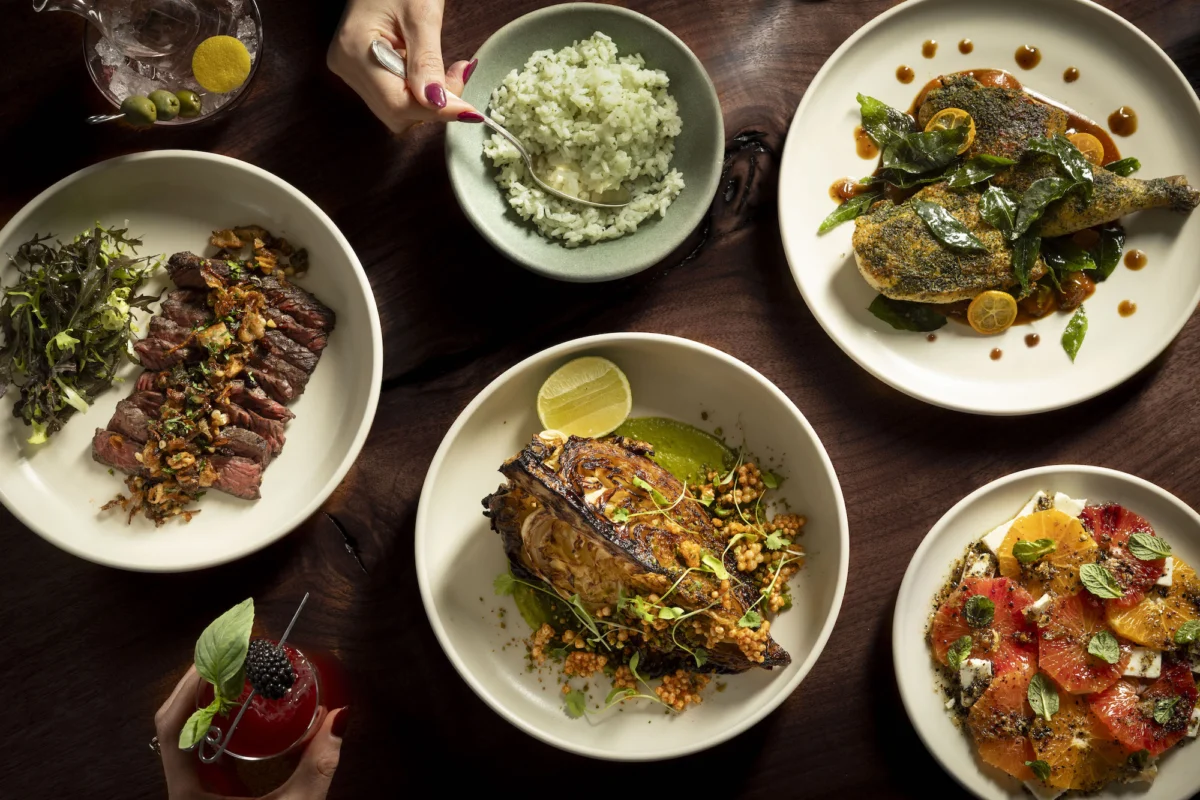
This summer, the New Museum in downtown Manhattan is offering more than just a curated glimpse into the future of contemporary art; it is providing a reason to linger. Following an extensive two-year expansion project that has added 60,000 square feet to its iconic Bowery footprint, the institution has re-emerged as a more robust, multifaceted cultural hub. While visitors are currently flocking to the evocative opening group exhibition, “New Humans: Memories of the Future,” the museum’s most transformative addition is arguably located not in the galleries, but on the ground floor: the debut of its first full-service onsite restaurant, Oberon.
The Intersection of Art and Hospitality
The arrival of Oberon represents a strategic shift in how the New Museum interacts with its audience. By integrating a high-caliber culinary experience into the museum’s architectural fabric, the institution is positioning itself as a "third space"—a destination where visitors, gallerists, artists, and neighborhood locals can converge long after the galleries have closed.
Henry Rich, the founder of the Oberon Group, the hospitality firm behind the venture, envisions the restaurant as a quintessential "neighborhood spot for New York’s downtown art world." Rich’s portfolio, which includes acclaimed Brooklyn establishments like June, Rucola, and Anaïs, is defined by a commitment to community and sustainable practices. With Oberon, he seeks to bridge the gap between the rarefied air of the art world and the comfort of a local watering hole.
“We always try to open a restaurant that serves a specific community—preferably in the cultural space, and preferably with a sustainability through-line,” Rich explains. “The concept is simple: we want to serve healthy, delicious food that people want to eat most of the time. It’s not too expensive, it’s not too fussy, and it’s not too ‘chef-y.’”
Chronology: From Expansion to Culinary Debut
The journey toward this moment began years ago as the New Museum sought to address the increasing demand for space and public amenities.
- 2024: The New Museum announces a massive expansion project helmed by the world-renowned architecture firm OMA (Office for Metropolitan Architecture).
- 2024–2026: The museum undergoes a rigorous two-year construction phase, during which the building was largely closed to the public to facilitate the addition of 60,000 square feet of gallery and programming space.
- Early Spring 2026: The New Museum officially unveils its expanded facility, signaling its intent to remain a global leader in contemporary art.
- Summer 2026: The launch of “New Humans: Memories of the Future” coincides with the final piece of the expansion puzzle: the grand opening of Oberon.
- Present Day: Oberon is now fully operational, serving as both a dining destination and an extension of the museum’s artistic mission.
Culinary Philosophy: Seasonality and Zero-Waste
To design a menu that resonates with the museum’s creative audience, Rich tapped Julia Sherman—the artist and creator of “Salad for President”—to act as the culinary architect. Alongside co-executive chef Ali Ghriskey, who oversees day-to-day kitchen operations, the team has developed a "New American" menu that leans heavily into vegetable-forward techniques and sustainable sourcing.

Ghriskey describes the food as “classic New York, but with a spin.” The kitchen operates under a strict zero-waste philosophy, utilizing produce from local greenmarkets to drive a menu that changes with the rhythm of the seasons.
“We want to be somewhere that people come back to every day,” Ghriskey notes. “Whether it’s a quick snack between gallery viewings or a full dinner, the menu is built for approachability.”
The Menu Highlights
- Small Bites: Seasonal offerings such as fried squash blossoms.
- Salads: A signature kohlrabi and hazelnut salad that highlights raw, textured produce.
- Mains: Innovative plates like leek orecchiette and chicken prepared with dehydrated fig leaf.
- The Comfort Core: Recognizing the need for consistency, the menu includes a permanent, high-quality burger and fries.
- Bar Program: A curated list of botanical-based cocktails and spritzes, designed to mirror the herbaceous, ingredient-focused nature of the food.
Architectural Significance: A Collaboration with OMA
The development of Oberon is historically significant for OMA, marking the architecture firm’s first-ever commission for a full-service restaurant. Lead architects Shohei Shigematsu and Rem Koolhaas worked in close tandem with the Oberon Group to ensure the dining room did not feel like an afterthought, but rather an evolution of the museum’s identity.
The design creates a seamless visual transition from the industrial, metallic aesthetic of the museum’s galleries to the warm, tactile environment of the restaurant. To honor the sustainability goals of the project, OMA utilized carbon-negative cork as a primary material throughout the space.
“The space is meant to encourage celebration, conviviality, conversation, privacy, and intimacy,” says Rich. Through the strategic use of booth-pod seating, the architects have successfully created "moments of intimacy" within a larger, high-traffic room. “Their design does a really good job of allowing for those private pockets,” Rich adds. “But also, at any moment, you can ‘port in’ to the fact that you’re in a busy, buzzy restaurant.”
Art as Environment: The Immersive Experience
Oberon is not merely a restaurant located inside a museum; it is a space designed by artists for the art community. The interior features several collaborative elements that blur the line between utility and installation.

Behind the bar, guests are greeted by a striking mural by artist Ian Cheng, which sets a dynamic, contemporary tone for the room. The furniture itself—including the wooden tables, the bar top, and custom resin light fixtures—was designed by artist Minjae Kim, adding a layer of bespoke craft to the dining experience. Even the conclusion of the meal is curated; guests are presented with chocolates wrapped in custom packaging designed by the iconic multimedia artist Laurie Anderson.
Implications for the Downtown Art Scene
The opening of Oberon has broader implications for the New York cultural landscape. As museums face increasing pressure to provide "total experiences," the New Museum is setting a benchmark for how to integrate hospitality into a non-profit model.
By prioritizing a "neighborhood" feel over a "destination dining" pretension, the New Museum is successfully fostering a long-term relationship with its visitors. The restaurant provides a physical anchor for the community, ensuring that the museum is not just a place to visit for an hour, but a place to inhabit for an evening.
Furthermore, the emphasis on sustainability—from the carbon-negative cork architecture to the zero-waste kitchen—aligns the institution with the values of a younger, eco-conscious demographic. In an era where cultural institutions must justify their relevance, the New Museum is betting that the path to the future is through shared tables, local ingredients, and an environment that celebrates the marriage of art and everyday life.
As the summer progresses, Oberon is poised to become one of the most sought-after seats in Manhattan. It is a bold, thoughtful, and necessary addition to the Bowery, proving that in the heart of the art world, the most important work often happens over a meal.
 Nana Muazin
  Nana
Nana  Ali Ikhwan