
 By rifanmuazin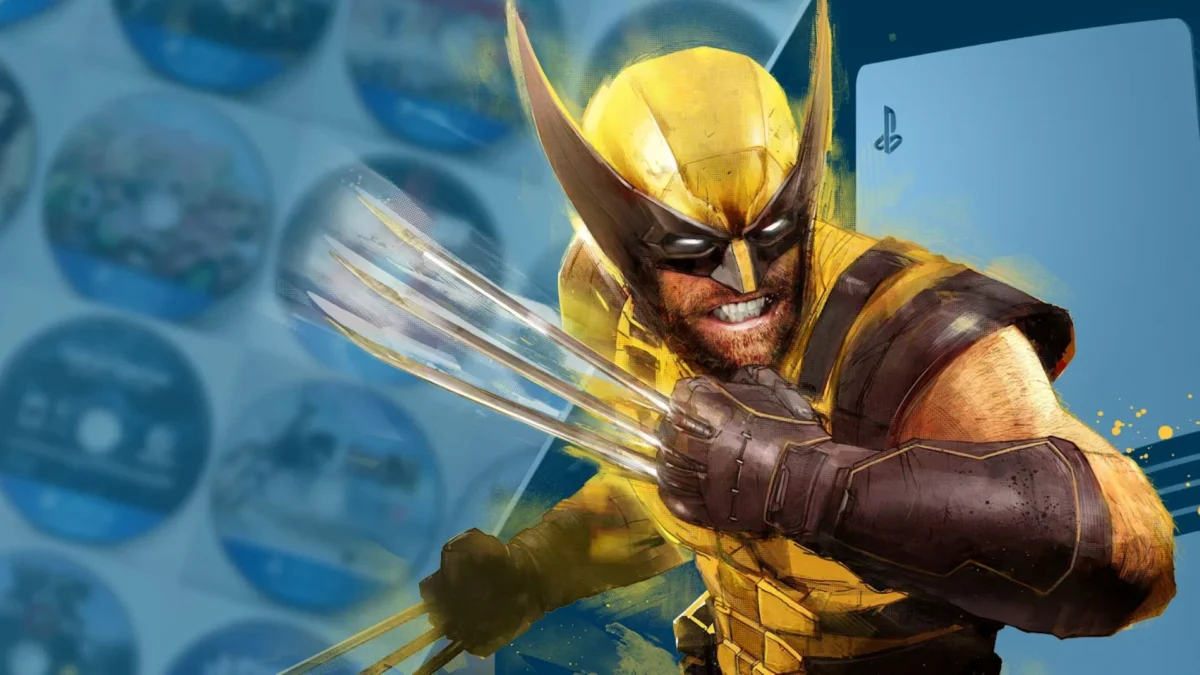
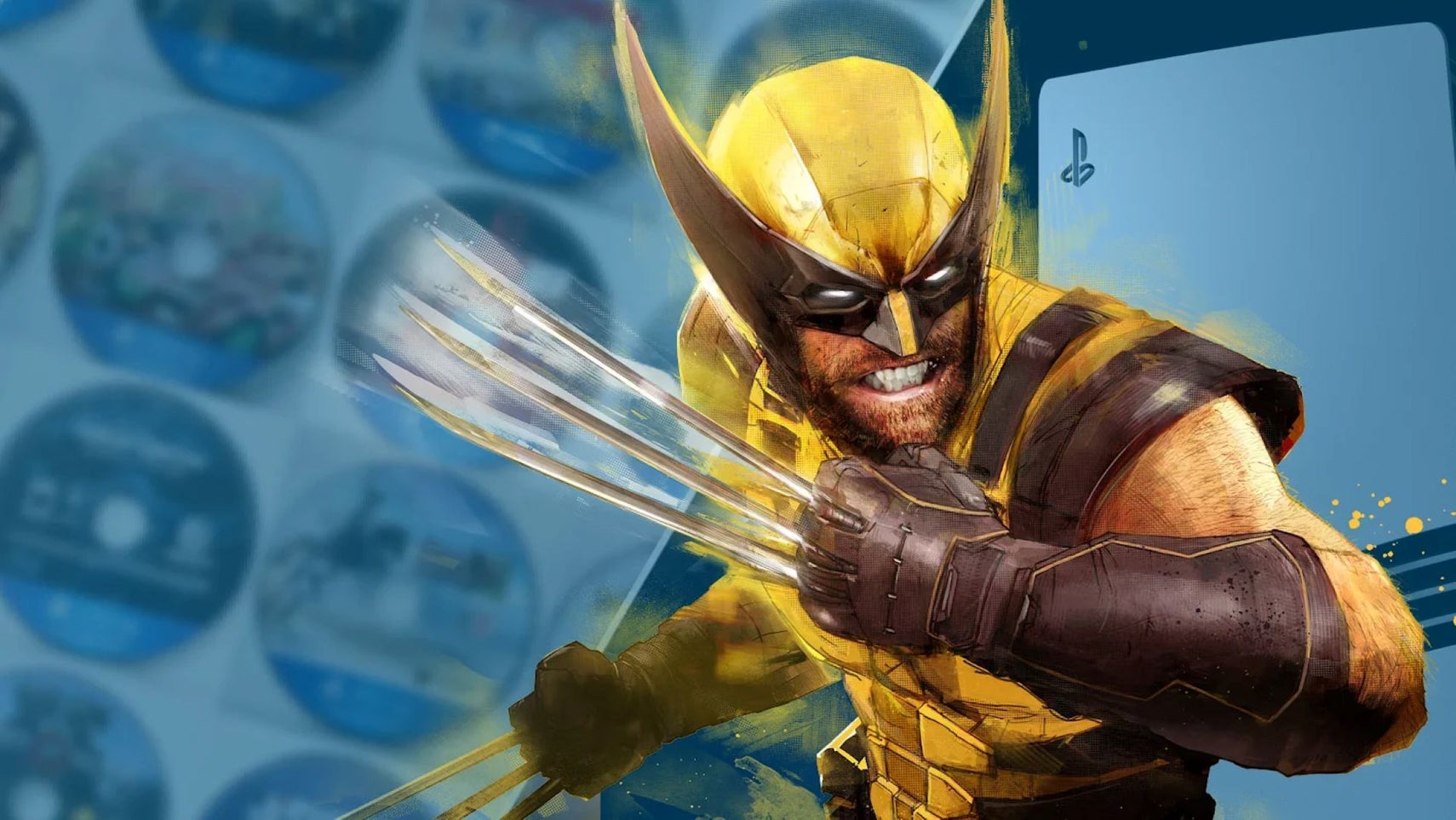
Despite a tumultuous lead-up to its release—marked by heated online discourse, polarized critical reception, and persistent memes—Insomniac Games’ Marvel’s Wolverine has proven that the allure of the X-Men’s most iconic anti-hero remains undiminished. New market data suggests that Logan’s latest digital outing has not only survived its rocky introduction but has thrived, securing its place as a commercial juggernaut in the PlayStation ecosystem.
Main Facts: A $130 Million Opening
According to a recent report by Rhys Elliott of Alinea Analytics, Marvel’s Wolverine has moved approximately 1.9 million units in its opening three days of availability. This performance translates into a staggering $130 million in revenue, cementing the title as a financial success for both Insomniac Games and Sony Interactive Entertainment.
The breakdown of these sales highlights a significant shift in consumer behavior. Of the 1.9 million units sold, roughly one million were driven by pre-launch digital pre-orders, signaling high consumer confidence ahead of the game’s official release. Despite the industry’s gradual pivot toward an all-digital future, the physical market remains a potent force; physical disc sales accounted for 22.9% of the total revenue, suggesting that collectors and physical-media advocates are still a vital segment of the PlayStation player base.
Chronology: From Rumor to Record-Breaking
The path to Marvel’s Wolverine’s launch was anything but linear. The game was initially announced amidst high anticipation following the massive success of Insomniac’s Spider-Man franchise. However, as the release date approached, the game became the subject of intense scrutiny.
- Pre-Announcement Phase: Fans had long clamored for a dedicated Wolverine title, and when Insomniac confirmed development, it was hailed as a "must-play" event.
- The Review Cycle: Upon the lifting of the embargo, critics were divided. While many praised the visceral combat mechanics, others criticized the game’s pacing, linear level design, and certain traversal mechanics.
- The Social Media Firestorm: In the days surrounding the launch, the game became a focal point for internet culture. From memes mocking the "scent-trail" visual effects—derisively dubbed "fart gas" by detractors—to critiques regarding the game’s "hand-holdy" design, the title faced a wave of negativity that often overshadows a game’s actual gameplay loop.
- The Launch Window: Despite the noise, the first 72 hours saw record-breaking engagement. By the third day, the 1.9 million unit milestone was confirmed, silencing speculation that the negative sentiment would impact the bottom line.
Supporting Data: Understanding the Player Base
Alinea Analytics’ data provides a fascinating look into the demographics and overlap of the players currently donning the adamantium claws.
One of the most telling statistics is the high retention of Insomniac’s existing fan base. Approximately 82% of Marvel’s Wolverine players previously owned Marvel’s Spider-Man, and 70% have played Marvel’s Spider-Man 2. This indicates that Insomniac has successfully cultivated a "PlayStation Marvel Universe" ecosystem, where fans are willing to follow the developer across different superhero properties.
Furthermore, there is a notable crossover with the competitive scene. Nearly 43% of Marvel’s Wolverine players have also engaged with Marvel Rivals, the hit hero shooter. This suggests a strong appetite for Marvel-branded interactive entertainment, regardless of the genre or the specific gameplay style.
When comparing Wolverine to other recent PlayStation Studios releases, the physical-to-digital ratio provides context on current market trends:
- Marvel’s Spider-Man 2: 35% physical revenue.
- Astro Bot: 46% physical revenue.
- Ghost of Yotei: 37.6% physical revenue.
- Marvel’s Wolverine: 22.9% physical revenue.
The lower physical percentage for Wolverine may suggest that the game’s core audience is leaning more heavily into the convenience of the PlayStation Store, or perhaps that the marketing for the title was more heavily focused on digital storefronts.
Official Responses and Industry Implications
The success of Wolverine comes at a pivotal time for Sony. The company has publicly stated its intent to phase out the production of physical discs for new PlayStation games by January 2028. Wolverine’s performance will likely serve as a case study for Sony executives as they navigate this transition.
While the game is "just fine" according to some critical consensus, its commercial performance suggests that "fine" is more than enough when backed by a powerful intellectual property and a developer with a sterling track record. Insomniac Games has yet to formally address the specific criticisms regarding the game’s design choices, such as the "hand-holdy" mechanics, but the revenue figures provide little incentive for an immediate pivot in their design philosophy.
The Shadow of Physical Media
Sony’s 2028 deadline for physical media remains a contentious point. The fact that nearly a quarter of Wolverine’s revenue—a significant sum of money—came from physical discs highlights that there is still a robust market that Sony risks alienating. If a major blockbuster like Wolverine can pull in tens of millions of dollars from discs alone, the transition to an all-digital model may face more resistance than anticipated.
Implications for the Future of Hero Games
What does this mean for the future of the "Insomniac Marvel Universe"?
- Brand Resilience: The ability of Wolverine to shrug off "meme-ification" and social media negativity suggests that AAA superhero games are essentially "recession-proof" in terms of public perception. The brand equity of Marvel is powerful enough to transcend individual design flaws.
- The "Live-Service" vs. "Single-Player" Debate: While many studios are chasing the high-engagement, live-service model, Wolverine proves that a narrative-driven, single-player experience remains a massive money-maker.
- The Holiday Effect: Analysts expect that the 22.9% physical share may climb as the holiday season approaches. Physical copies are traditional gift items, and as the game continues to populate store shelves, it will likely see a "long tail" of sales that could push the total unit count significantly higher by the end of the fiscal year.
Final Thoughts: Logan Remains King
As the dust settles, Marvel’s Wolverine stands as a testament to the fact that internal developer pedigree and brand recognition often outweigh the volatility of internet discourse. While the game may not be the critical darling that some expected, it is undeniably a commercial titan.
For now, Logan remains firmly entrenched at the top of the sales charts, outperforming recent titles like Saros, Marathon, and Marvel Tokon. Whether the game will be remembered as a classic or a footnote in Insomniac’s storied history is a question for the coming years; for now, the only number that matters is 1.9 million. Sony, it seems, has another hit on its hands, regardless of what the forums have to say about the scent trails.
 Ali Ikhwan
  Nila Kartika Wati