
 By Siti Muinah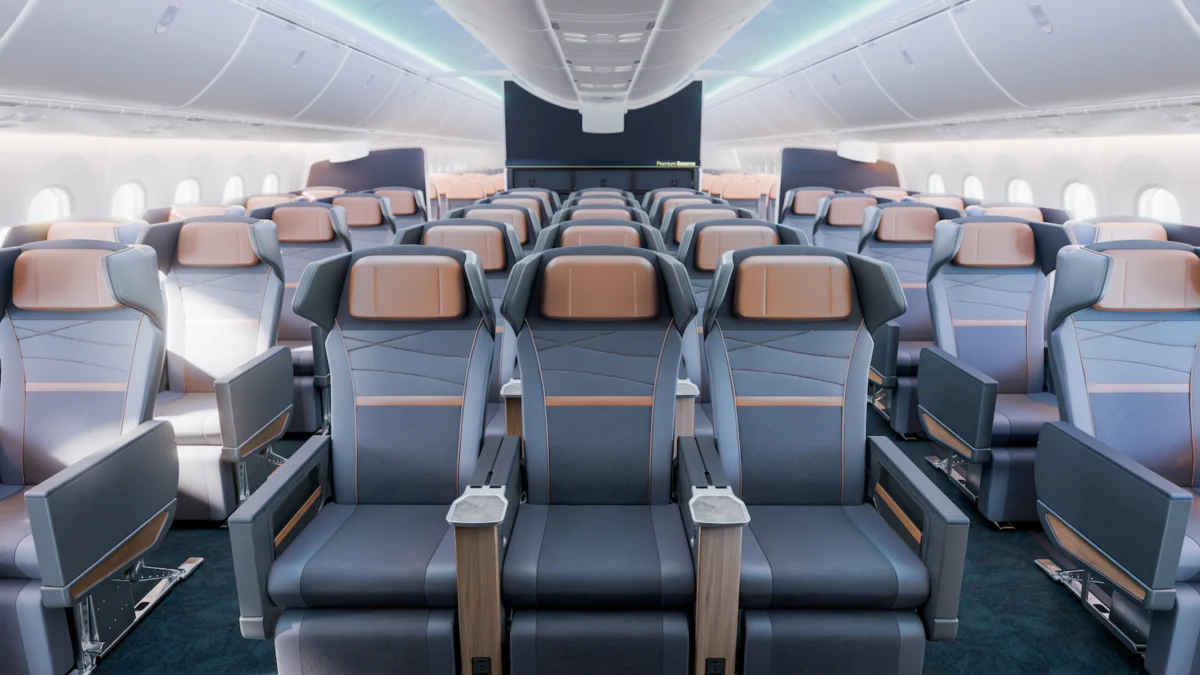
In a definitive pivot that marks the most significant strategic shift in its history, Alaska Air Group is moving beyond its roots as a reliable domestic carrier to challenge the giants of global aviation. On September 29, 2026, the company announced a massive capital investment aimed at capturing the lucrative premium travel market. By 2028, passengers can expect a transformed experience featuring lie-flat “Aurora” suites, a new premium economy class, and a network of flagship lounges designed to compete with the world’s most prestigious airlines.
This ambitious roadmap, described by the company as its “most significant investment in premium travel,” represents a fundamental realignment of the Alaska Air Group business model. The airline expects its focus on premium seating to generate 40 percent of total revenue by 2030, a clear signal that Alaska is no longer content with being an affordable regional player.
The Strategic Chronology: From Regional Hub to International Gateway
To understand the scale of this transformation, one must look at the timeline of Alaska’s rapid expansion. For decades, the airline was defined by its West Coast network, with limited reach beyond the continental United States. The catalyst for change was the pivotal acquisition of Hawaiian Airlines in 2024.
- 2024: The acquisition of Hawaiian Airlines provides Alaska with the widebody fleet and operational capacity required for long-haul international service.
- 2025: Alaska establishes its Seattle hub as an international gateway, launching inaugural service to Tokyo and Seoul.
- 2026: The network expands to include European destinations, including Rome, London, and Reykjavik. On September 29, the company formally announces the “Aurora” suite project and the integration of premium offerings across its fleet.
- 2027: The airline plans to inaugurate routes to Paris and Athens. Late in the year, the company will unveil a massive 41,000-square-foot lounge complex at Seattle-Tacoma International Airport (SEA).
- 2028: The rollout of Aurora suites on Boeing 737-10 MAX aircraft begins. Simultaneously, the redesign of the Hawaiian Airlines Airbus A330 fleet commences, introducing new premium economy and updated Leihōkū suites.
- 2030: The company aims to reach a milestone of 15 intercontinental destinations, with premium products serving as the cornerstone of its financial health.
Defining the “Aurora” Experience
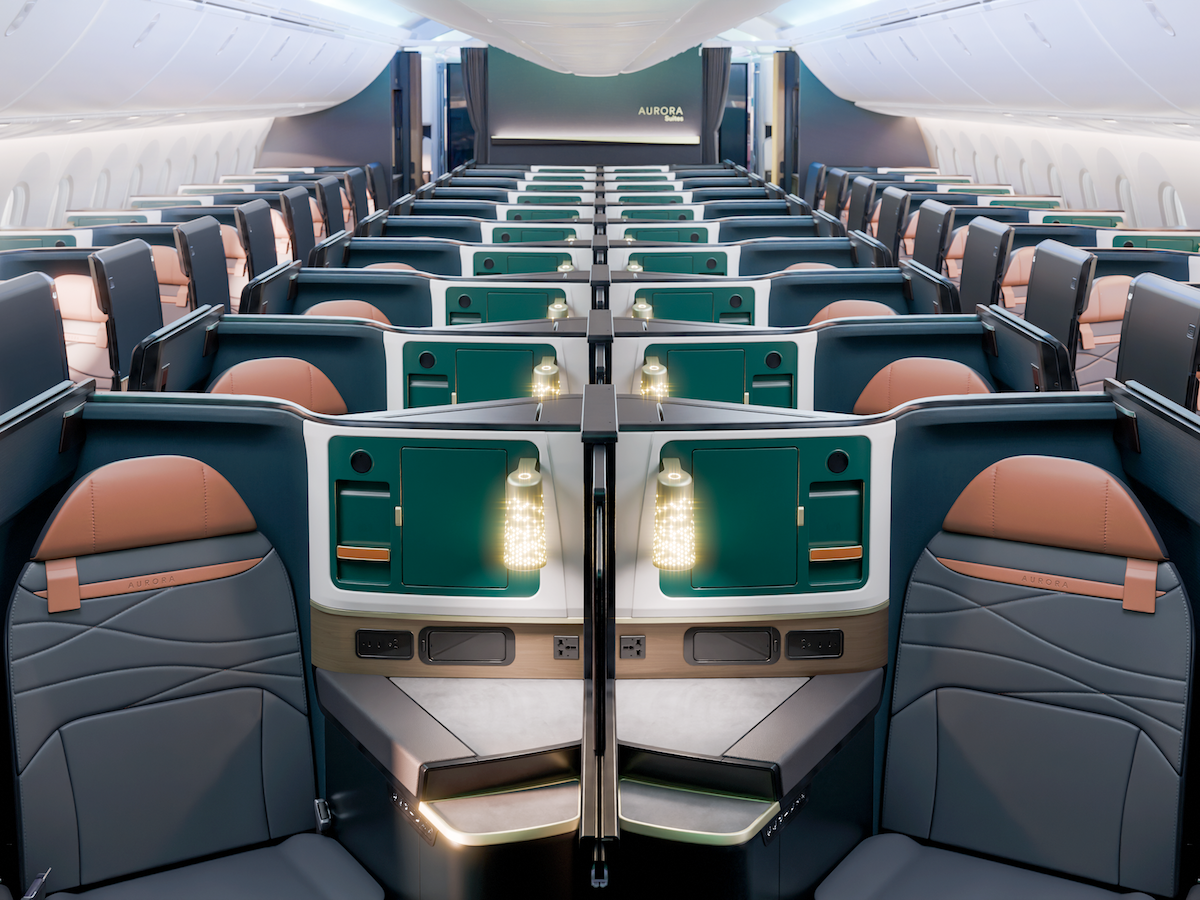
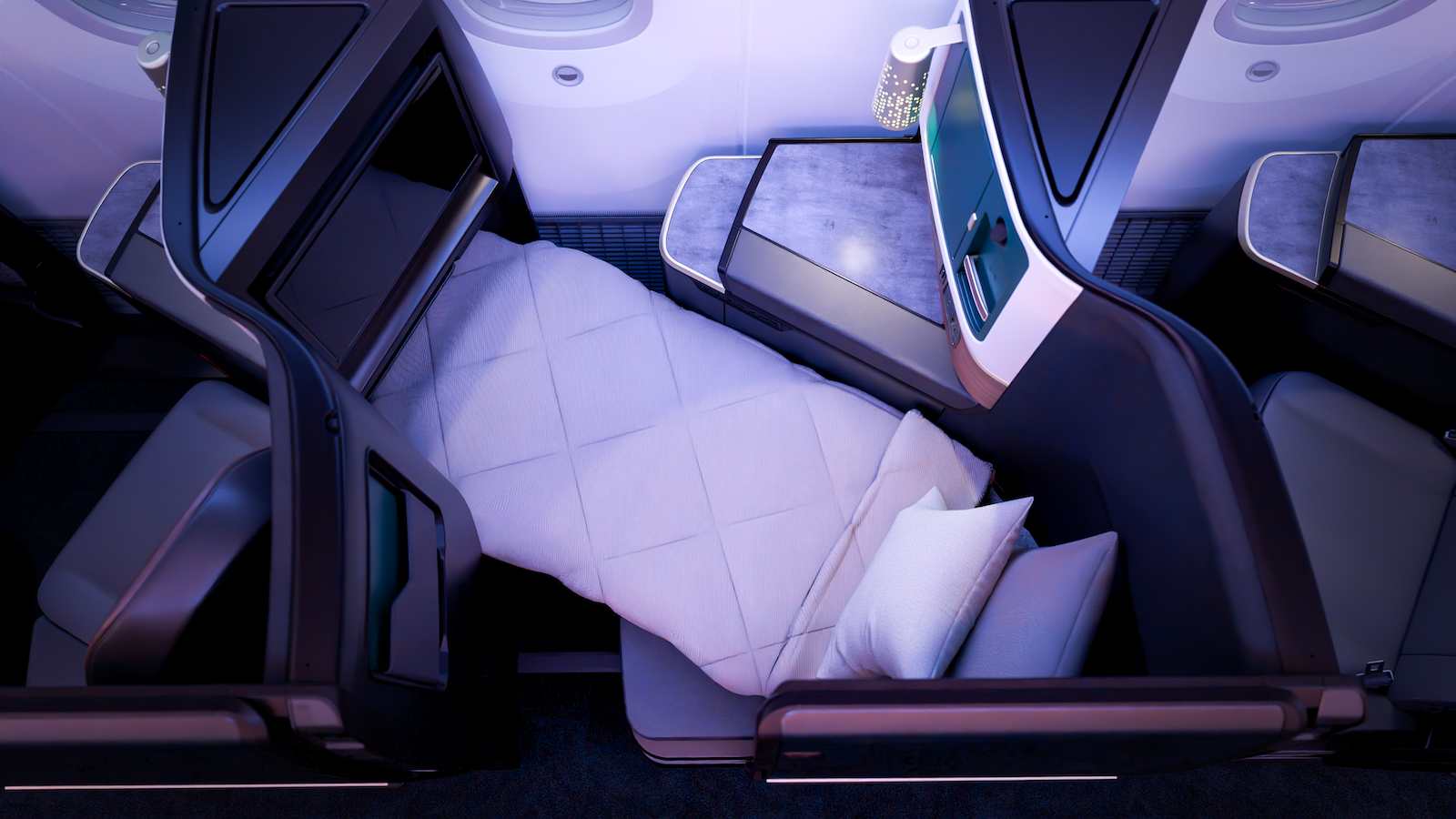
The cornerstone of this initiative is the introduction of “Aurora” suites—a product designed to compete directly with the Polaris suites of United Airlines and the Delta One experience.
The Boeing 737-10 MAX Transformation
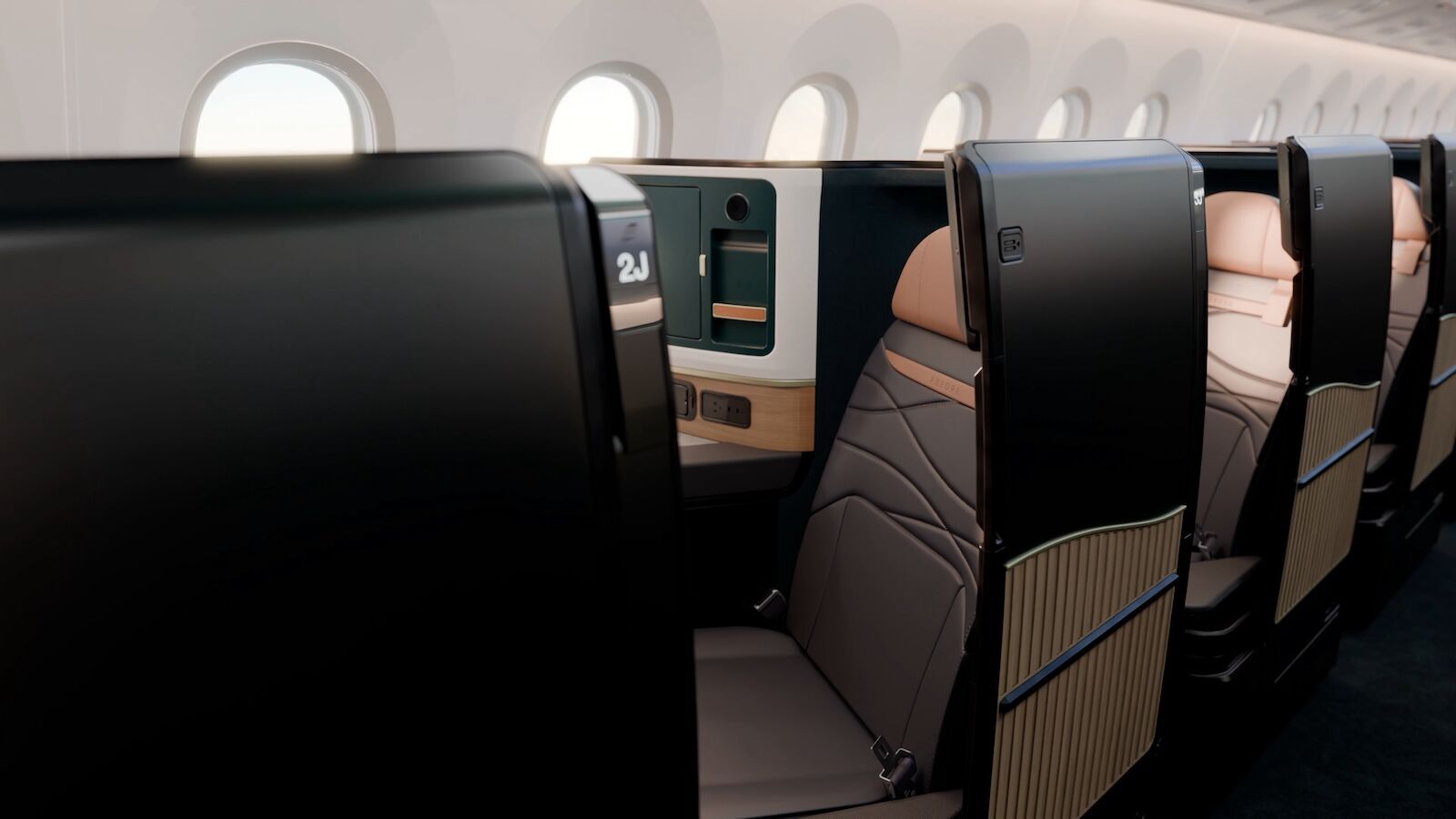
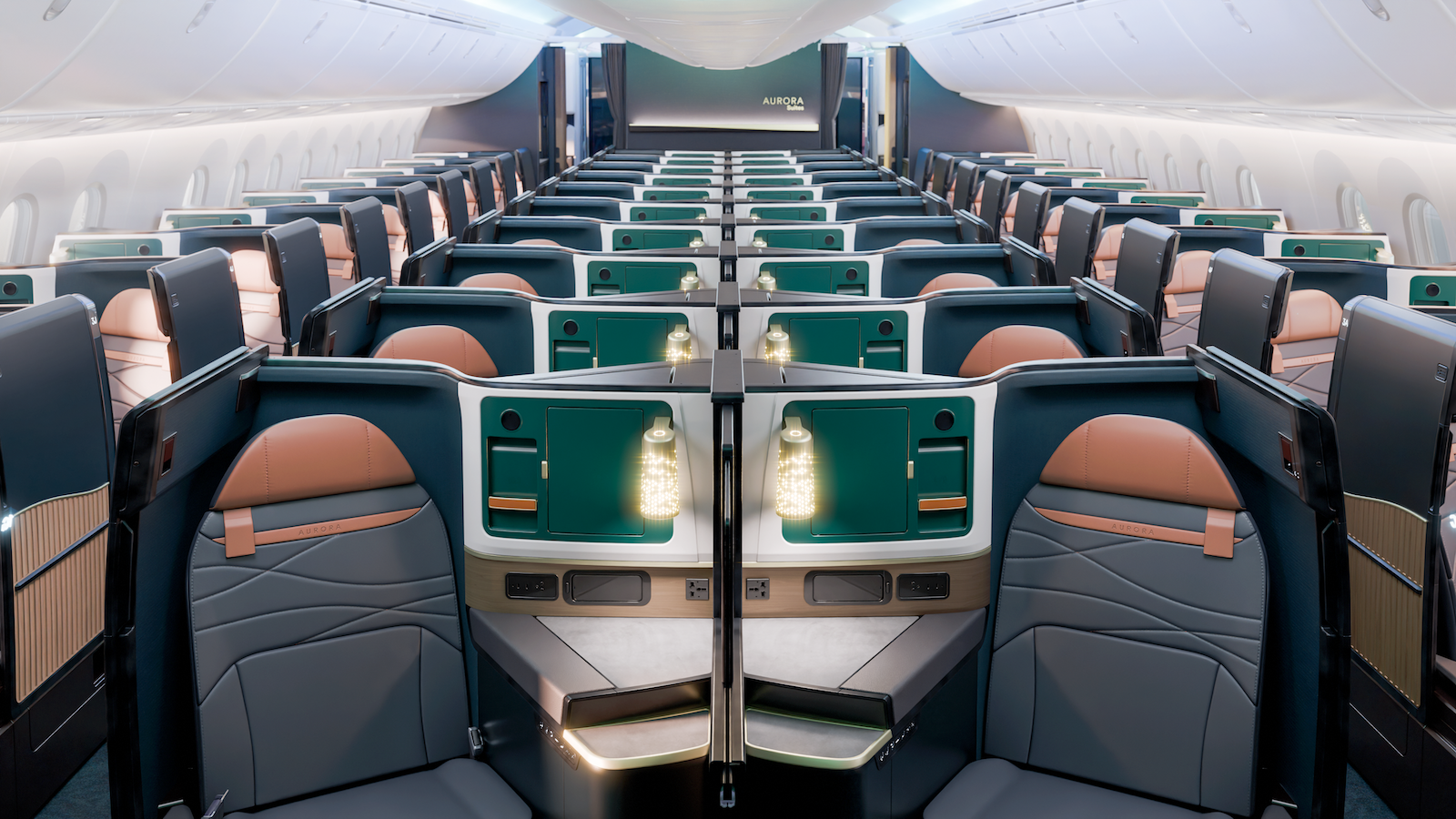
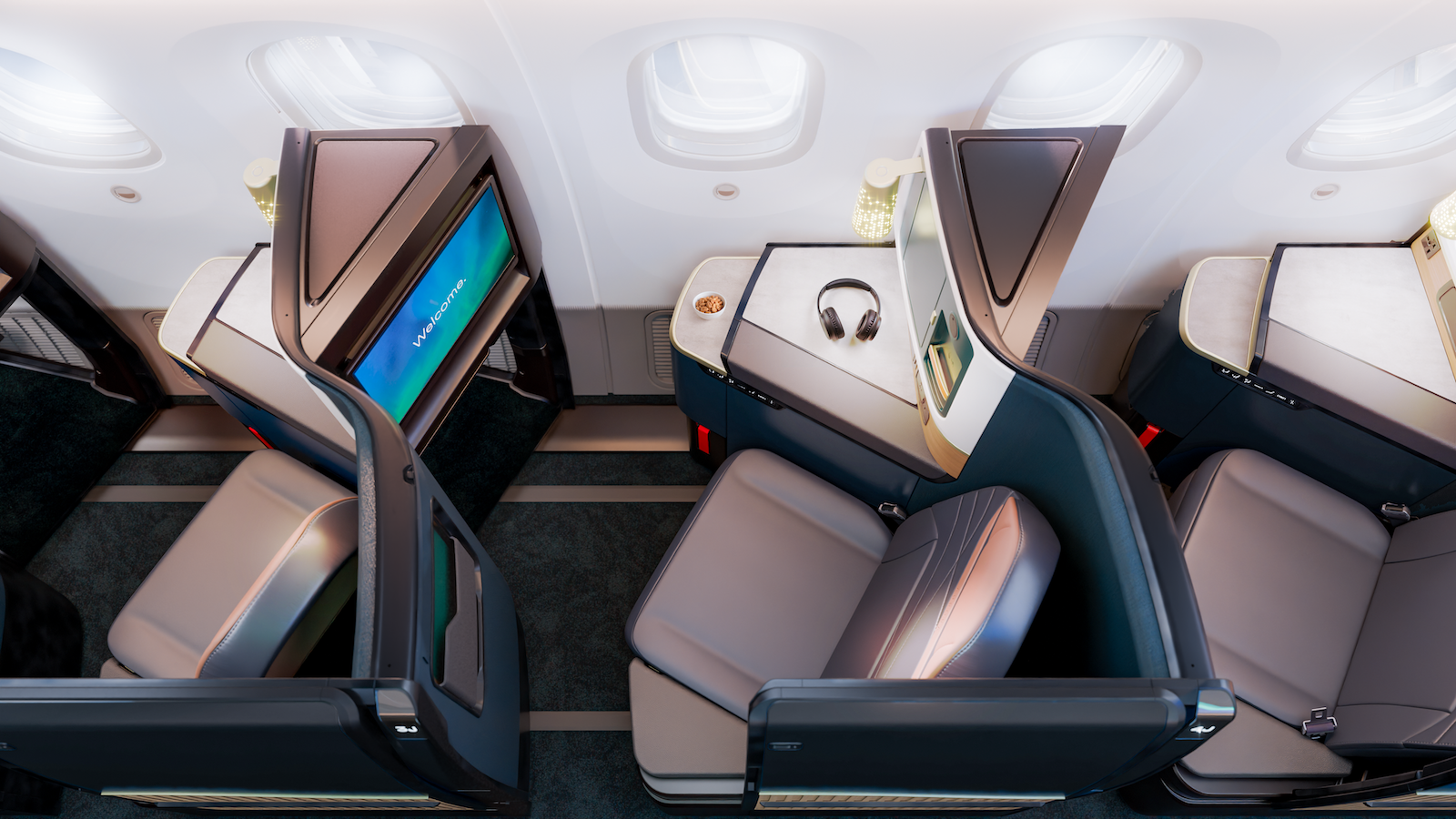
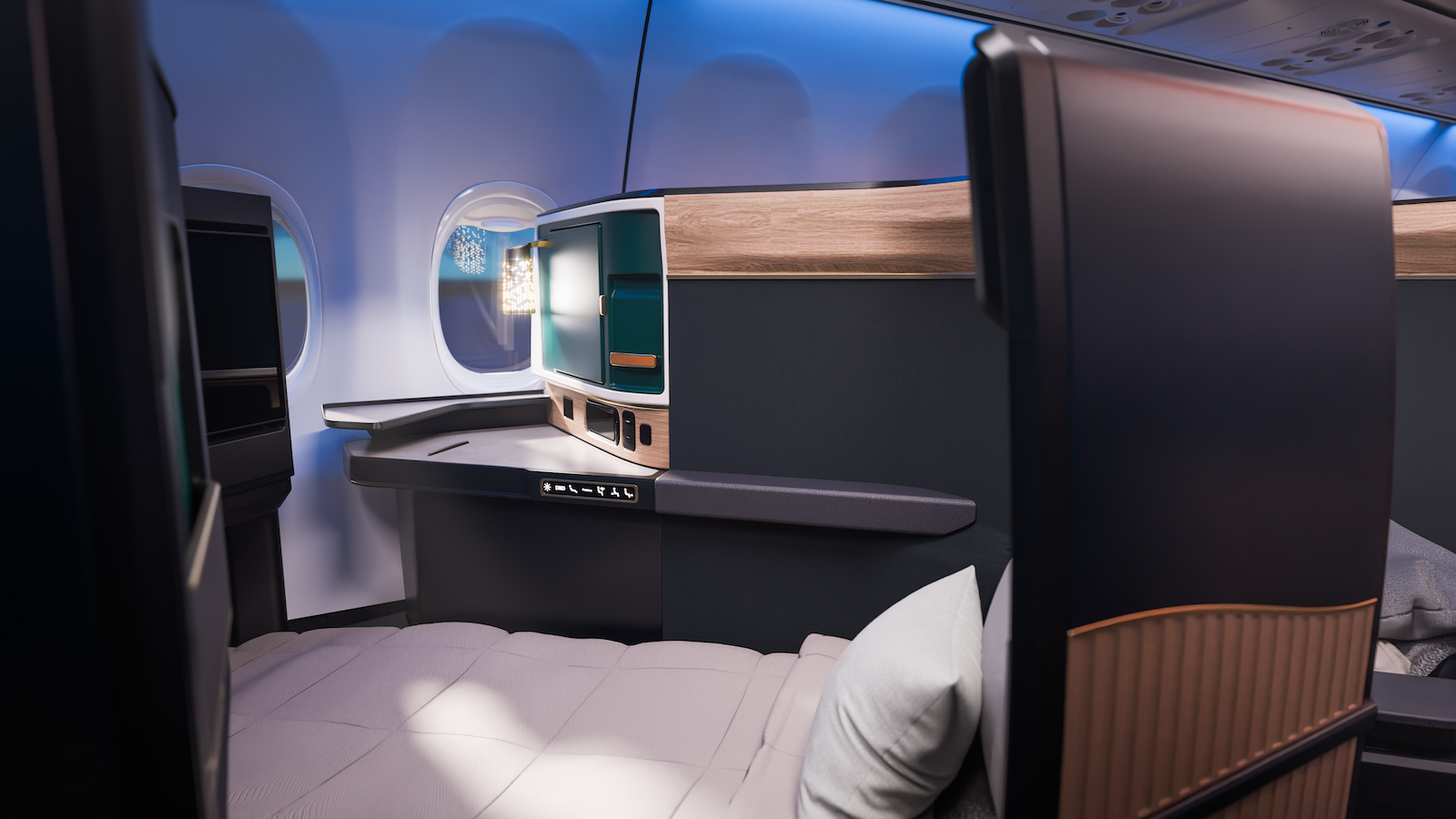
Perhaps the most notable change for the average domestic traveler will be the retrofitting of at least 25 Boeing 737-10 MAX aircraft. These planes, which serve as the backbone of Alaska’s domestic operations, will feature 12 lie-flat suites each. Inspired by the natural beauty of the northern lights, these suites offer:
- Privacy and Access: Direct aisle access for every passenger, with 787 Dreamliner versions featuring full privacy doors.
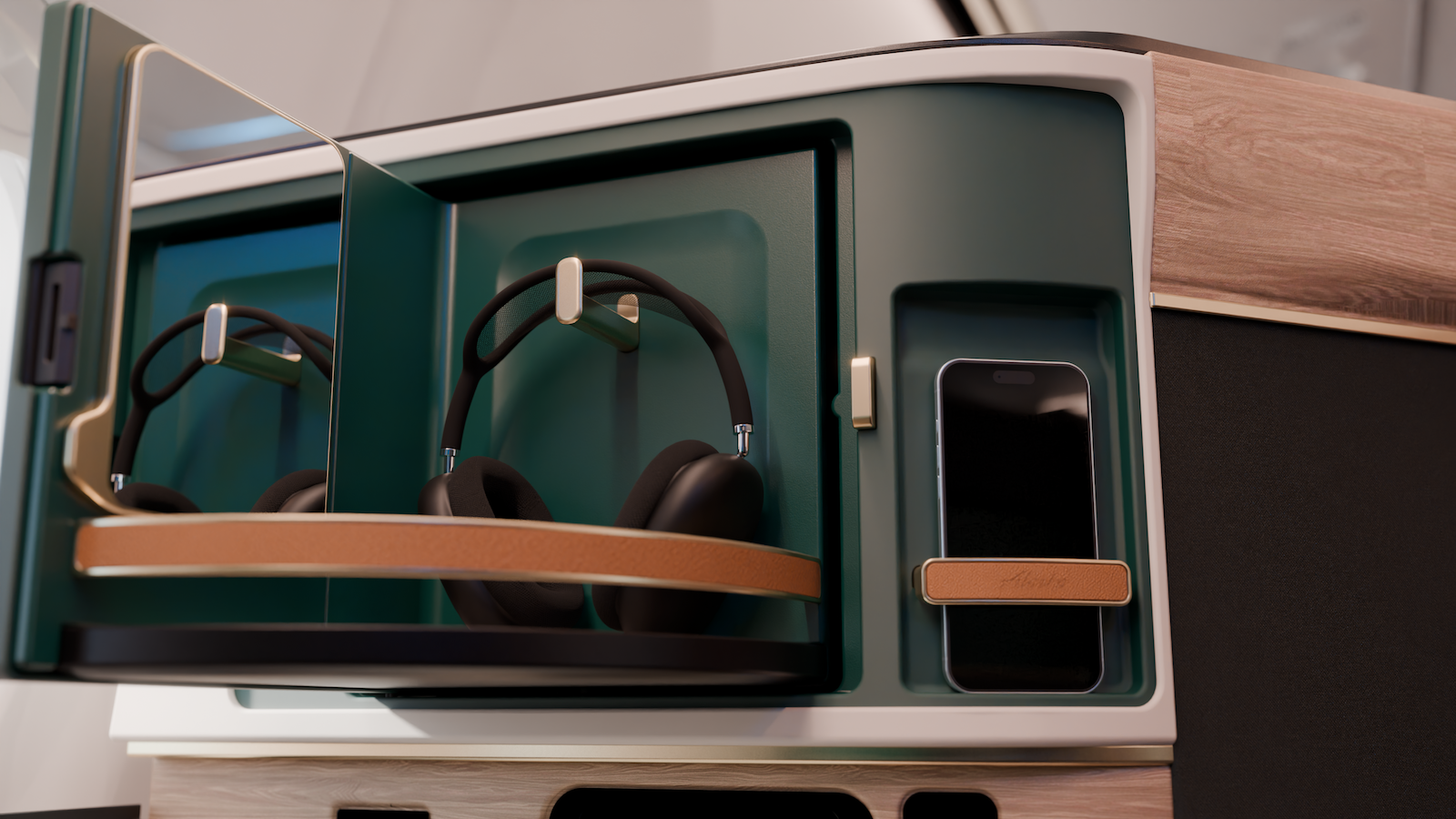
- Tech-Forward Amenities: 19-inch high-definition screens, integrated Bluetooth connectivity, and dual wireless and USB-C charging ports.
- Premium Ergonomics: High-end finishes and adjustable configurations that prioritize sleep and productivity.
Premium Reserve: The New Middle Tier
Bridging the gap between standard economy and the luxury of the Aurora suites, Alaska is introducing "Premium Reserve." This cabin class responds to a growing demand for "affordable luxury." With 38 inches of seat pitch—a significant upgrade over the standard 30 inches—these seats will include wider cushions, dedicated footrests, and 16-inch entertainment screens, providing a more comfortable experience for the budget-conscious business traveler.
The Hawaiian Integration: A Refined Identity
The acquisition of Hawaiian Airlines was not merely a fleet expansion; it was an exercise in brand synergy. Hawaiian’s existing Leihōkū (meaning "lei of stars") suites, which already offer lie-flat capabilities, are set for an upgrade. Starting in 2028, these A330 aircraft will undergo a complete cabin interior overhaul. The new suites will feature privacy doors and a redesigned configuration, effectively bringing the Hawaiian long-haul product into the same luxury tier as the new Alaska-branded Aurora offerings. Furthermore, the introduction of a premium economy cabin on these widebody jets ensures that the entire fleet is aligned with the group’s new revenue-focused strategy.
Infrastructure and Hospitality: Beyond the Seat
Alaska Airlines recognizes that the flight is only one component of the premium travel experience. To win over high-net-worth travelers, the airline is aggressively upgrading its ground infrastructure.
The flagship project is the late-2027 opening at Seattle-Tacoma. This 41,000-square-foot facility will be segmented into two distinct experiences:
- The Alaska Lounge: A 500-seat space designed for frequent flyers and lounge members.
- The Aurora Lounge: A 200-seat ultra-premium space exclusive to Aurora suite passengers, offering a quiet, personalized environment.
The upgrade extends to the culinary experience as well. By partnering with renowned Seattle chefs—Renee Erickson for European routes and James Beard Award-winner Brady Ishiwata Williams for Asia routes—Alaska is attempting to bring a sense of "place" to its in-flight dining, a strategy employed by top-tier international carriers to create a memorable brand identity.
Official Responses and Corporate Strategy
During the announcement, Alaska Air Group CEO Ben Minicucci emphasized that this shift was not a reactive scramble to catch up, but rather the fulfillment of a long-term vision.
“The acquisition of Hawaiian Airlines did not create a new strategy. It accelerated one we had already built,” Minicucci stated. By integrating the two airlines, Alaska has successfully combined its domestic loyalty base with the long-haul capabilities of its new subsidiary.
The strategy is clear: Alaska wants to transition from being the airline you choose for a weekend getaway to the airline you choose for a business trip to Tokyo or a honeymoon in Paris. By focusing on the “premium traveler,” the company is insulating itself against the volatility of the economy-class price wars, where margins are thin and competition is fierce.
Implications for the Aviation Landscape
The move carries significant implications for the broader U.S. aviation market:
- Increased Competition: Alaska’s entry into the premium long-haul market creates a direct threat to the "Big Three" (United, American, and Delta). As Alaska expands its footprint in Seattle, travelers in the Pacific Northwest have a viable, high-quality alternative to the traditional legacy carriers.
- Revenue Diversification: By banking on the 40 percent revenue target from premium cabins, Alaska is signaling a departure from the "low-cost" mentality that defined regional carriers for the last two decades.
- Customer Loyalty: The inclusion of dedicated check-in and concierge services for Aurora passengers suggests that Alaska is looking to capture the "premium frequent flyer" segment—travelers who prioritize time and service over the lowest possible ticket price.
Conclusion: A New Horizon
As Alaska Airlines moves toward 2030, the "Aurora" project serves as a metaphor for the company’s new trajectory. Just as the northern lights are a beacon in the night, Alaska is betting that its commitment to luxury, comfort, and international reach will serve as a beacon for high-end travelers.
While the logistical challenges of retrofitting dozens of aircraft and building international-grade lounges are immense, the roadmap is set. By the time the final Airbus A330 is retrofitted and the Seattle lounge complex is fully operational, Alaska Air Group will have successfully shed its regional skin to emerge as a sophisticated, global airline. For the passenger, the evolution promises a new, more comfortable way to cross the globe—provided, of course, they are willing to pay for the privilege of the suite.
 Reynand Wu
  Pevita Pearce