
 By Nana Muazin
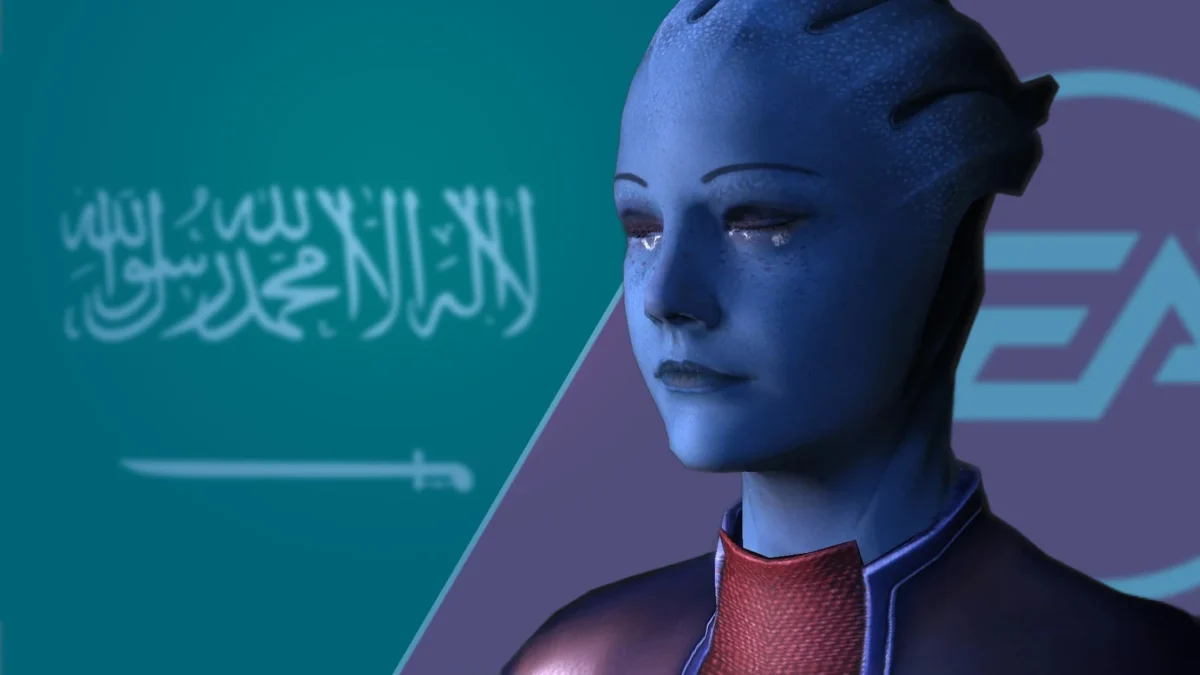
In a move that has sent shockwaves through the gaming industry, Electronic Arts has announced the immediate closure of BioWare, the legendary studio behind some of the most influential role-playing games in history. The decision marks the end of a 30-year legacy and effectively cancels the highly anticipated next installment in the Mass Effect franchise.
The shuttering of the Edmonton-based developer follows a period of intense corporate restructuring after EA’s monumental $55 billion acquisition by a consortium of investment firms—including Silver Lake, Affinity Partners, and Saudi Arabia’s Public Investment Fund—earlier this year.
The Weight of the News: A Legacy Concluded
For three decades, BioWare was synonymous with choice, narrative depth, and the gold standard of character-driven storytelling. From the tabletop-inspired roots of Baldur’s Gate to the cinematic heights of the Mass Effect trilogy, the studio did more than build games; it built worlds.
In a heartfelt statement released on social media, the studio acknowledged the finality of the decision: "For more than 30 years, BioWare has been more than a studio. It has been a home for storytellers, developers, and the players who brought our worlds to life."
The announcement serves as a somber epitaph for a studio that defined the RPG genre for multiple generations of players. By officially pulling the plug on the next Mass Effect project, EA has signaled a sharp pivot in its long-term strategy, prioritizing short-term financial alignment over the long-gestating passion projects that once defined the BioWare brand.
A Chronology of Decline: From Zenith to Closure
To understand how a pillar of the industry reached this point, one must look at the trajectory of the studio over the last decade.
- The Golden Age (1995–2012): BioWare solidified its reputation with a string of critical and commercial successes, including Neverwinter Nights, Star Wars: Knights of the Old Republic, and the Dragon Age series. These titles were not just games; they were cultural touchstones.
- The Anthem Era (2017–2019): The release of Anthem represented a pivot toward "games as a service." The project’s troubled development and subsequent failure to find an audience significantly tarnished the studio’s reputation for quality.
- The Post-Anthem Struggles (2020–2024): BioWare spent years attempting to regain its footing. The studio underwent several rounds of internal restructuring and staff reductions, focusing its energy on the Mass Effect revival and the development of Dragon Age: The Veilguard.
- The Acquisition (Mid-2024): The $55 billion acquisition of EA by a private investment group fundamentally altered the corporate landscape. Almost immediately, internal memos hinted at "synergy" and "efficiency" requirements.
- The Final Chapter (October 2026): EA confirms the closure of BioWare and the termination of the next Mass Effect project, citing a need to "align talent and investments" in the wake of the acquisition.
Supporting Data: The Economics of the Shutdown
The closure of BioWare is part of a broader, more aggressive cost-cutting initiative at Electronic Arts. According to a report by Bloomberg, the company is slashing approximately 400 positions, representing roughly 3 percent of its global workforce.
This decision was not made in a vacuum. Recent financial reports from EA highlighted that Dragon Age: The Veilguard, the studio’s latest release, significantly underperformed against internal sales forecasts. When combined with the high cost of maintaining a studio of BioWare’s size and the extended development cycle of the next Mass Effect, the studio became an easy target for a parent company looking to appease new investors focused on immediate growth.
The acquisition group, which includes Jared Kushner’s Affinity Partners and the Saudi Public Investment Fund, has brought a new, cold-eyed fiscal pragmatism to the publisher. The focus has shifted from the long-term brand equity of studios like BioWare to the immediate optimization of EA’s portfolio.
Official Responses and Internal Climate
The corporate messaging from EA regarding the layoffs has been standard, yet undeniably clinical. In a letter to staff, EA CEO David Tinson and Chief Strategy Officer Cam Weber stated, "Across our portfolio, we’re making deliberate choices to align talent and investments where we see the greatest opportunities for players and long-term growth."
For the employees at BioWare, however, the tone was vastly different. The studio’s parting message focused on gratitude and the communal nature of gaming: "These games became so much more because you played them, debated your choices, fell in love with the characters, and made these worlds your own."
The human cost, however, is immense. BioWare was known for its deep, familial culture, often fostering long-tenured developers who spent decades refining the studio’s signature narrative style. The suddenness of the closure has left the industry in a state of mourning, with many former developers and industry peers taking to social media to share stories of the studio’s impact on their careers and lives.
Implications for the Future of RPGs
The closure of BioWare sends a chilling message to the broader gaming industry: even the most iconic, storied franchises are not immune to the pressures of private equity and corporate consolidation.
1. The Death of the "Prestige" RPG
BioWare’s closure suggests that the market for big-budget, narrative-heavy single-player RPGs is becoming increasingly precarious. Investors are prioritizing high-engagement, recurring-revenue models. Studios that take five to seven years to craft a single, definitive story are now viewed as high-risk liabilities.
2. A Shrinking Creative Landscape
With BioWare gone, a significant vacuum is created in the RPG space. While other studios like Larian (creators of Baldur’s Gate 3) continue to thrive, the unique "BioWare flavor"—a blend of high-concept space opera and high-fantasy political intrigue—may never be replicated in the same way again.
3. The Fragility of Independent Identity
When a studio is swallowed by a massive publisher like EA, its identity is perpetually at risk. The history of the industry is littered with the corpses of once-great studios (Visceral Games, Westwood, Pandemic) that were absorbed and eventually liquidated. BioWare’s fate serves as a stark reminder that in the modern corporate era, a studio’s value is often determined by its last quarter’s profit margin rather than its decades-long contribution to the medium.
A Final Reflection
As the lights go out at BioWare, players are left to look back at the characters they once led through the stars or across the battlefields of Thedas. The studio’s motto—"Where stories live"—feels bittersweet today. While the studio itself is gone, the impact of their work remains.
However, the industry is undeniably poorer for the loss of a pioneer. As EA moves toward its new, streamlined future, the community is left to wonder: what is the cost of efficiency when it comes at the price of the soul of the industry? For now, we are left with the silence of a cancelled journey and the memories of the choices we made, which, for a brief time, felt like they truly mattered.
 Dwi Wanna
 Nila Kartika Wati
 Suro Senen
