
 By Siti Muinah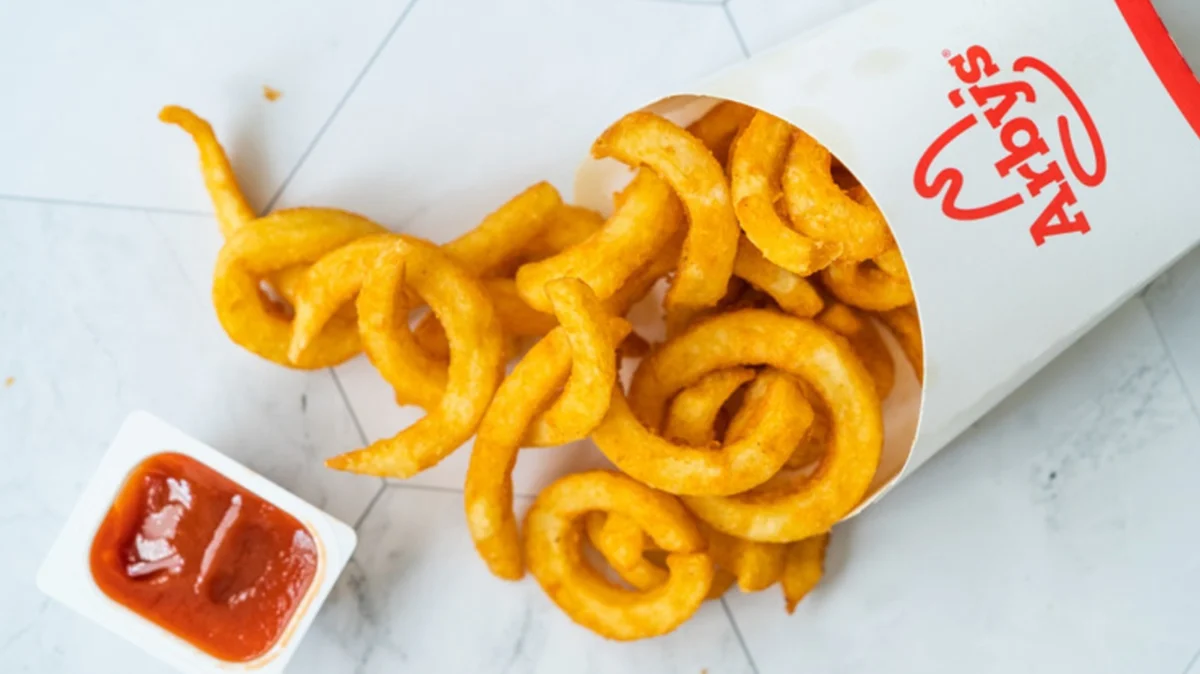
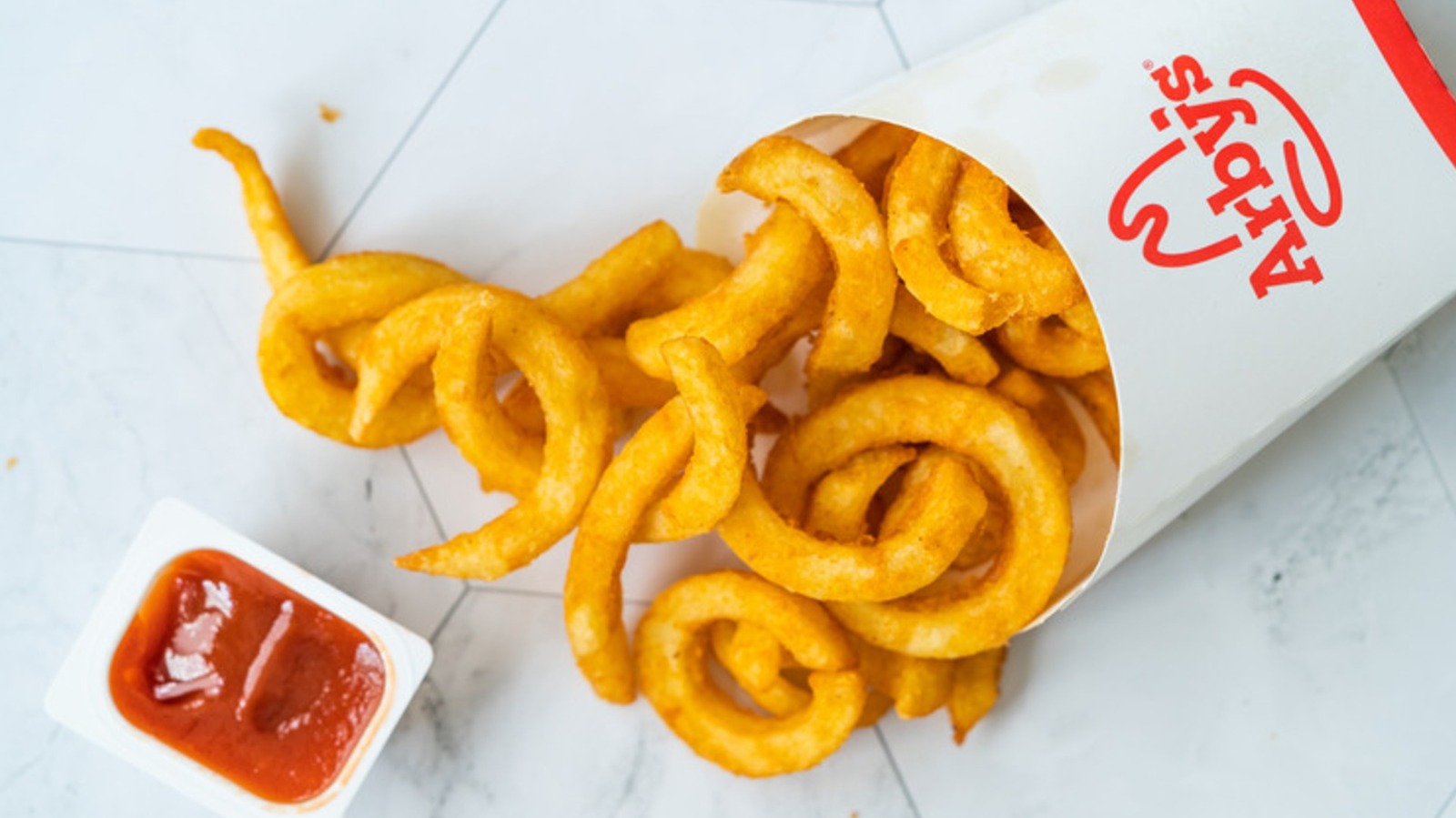
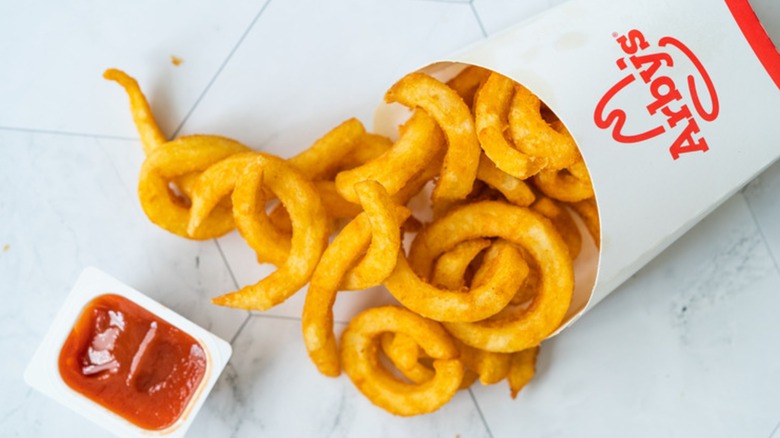
For millions of Americans, the scent of seasoned, spiral-cut potatoes is synonymous with a trip to Arby’s. The "curly fry" has long been the crown jewel of the fast-food chain’s menu, standing out in a sea of standard shoestring alternatives. Yet, beneath the crunchy, paprika-dusted exterior lies a complex scientific process involving a specific blend of industrial cooking oils. As consumers become increasingly health-conscious and ingredient-aware, the question of what exactly goes into the fryers has moved from niche curiosity to mainstream concern.
The Chemistry of the Fry: What’s in the Vats?
To achieve that signature texture—the elusive "soft yet crispy" bite—Arby’s relies on a precise, high-heat deep-frying process. According to the company’s official ingredients list, the frying medium is not a single fat, but a strategic blend of four distinct oils.
The primary components are corn oil, soybean oil, and canola oil. These are supplemented by hydrogenated soybean oil, which is specifically utilized to provide stability at high temperatures. To ensure the operational efficiency of their commercial fryers, the chain also incorporates Dimethylpolysiloxane—a silicone-based anti-foaming agent that prevents the oil from bubbling over during the intense heat of continuous cooking.
While this combination ensures the consistency and structural integrity of the fries, it also places the product firmly within the category of ultra-processed foods, raising questions about the long-term health implications of such fat profiles.
A Chronological Evolution of Fast-Food Frying
The history of deep-frying in the American fast-food sector is a story of shifting priorities—from flavor and cost-efficiency to health regulations and consumer demand.
- 1960s–1980s: The Era of Animal Fats. In the early days of fast food, many chains utilized beef tallow or lard. These fats were prized for their rich flavor profiles and high smoke points. However, as public awareness regarding cardiovascular health grew, the industry faced pressure to move away from saturated animal fats.
- 1990s: The Rise of Vegetable Oils. This period saw a massive transition toward partially hydrogenated vegetable oils. They were shelf-stable, inexpensive, and appeared to be a healthier alternative to animal fats at the time.
- 2000s–2010s: The Trans-Fat Reckoning. As research began to definitively link trans fats to heart disease, regulatory bodies and public health advocates pushed for a total phase-out. This forced chains like Arby’s to refine their oil blends, moving toward the current mix of soybean, corn, and canola oils.
- Present Day: The Scrutiny of Seed Oils. Today, the conversation has shifted again. The current debate focuses on the high omega-6 fatty acid content found in the "seed oil" trio (soybean, corn, and canola), with researchers and nutritionists investigating their potential role in chronic inflammation.
Supporting Data: The Nutritional Profile and Scientific Concerns
The concern surrounding Arby’s curly fries is not merely about calories, though the numbers are significant. A standard regular serving contains approximately 410 calories and 750 milligrams of sodium. However, the scientific community’s focus has shifted toward the type of fats being consumed.
The Soybean Oil Debate
Soybean oil is a staple in the American diet, but it is also one of the most heavily scrutinized. A study published in the journal Endocrinology suggested that soybean oil might have metabolic impacts beyond simple caloric intake. When researchers studied mice, they observed that the oil appeared to disrupt the expression of genes involved in brain function, particularly those related to the hypothalamus.
Omega-6 and Inflammation
Corn oil and soybean oil are rich in omega-6 polyunsaturated fatty acids. While omega-6s are essential nutrients, the modern Western diet is heavily skewed toward them, lacking a balance with omega-3 fatty acids. This imbalance is frequently cited by nutritionists as a primary driver of systemic inflammation, which is a precursor to a variety of metabolic diseases.
The Processing Factor
Canola oil is often marketed as a "heart-healthy" choice due to its monounsaturated fat content. However, skeptics point to the industrial processing methods involved. Many commercial-grade canola oils are extracted using hexane, a chemical solvent. While the final product undergoes refinement, the process leaves some consumers uneasy about the potential for trace residues and the alteration of the oil’s natural structure.
Official Stance and Industry Context
Arby’s has maintained that its ingredient choices are based on the need to provide a uniform, high-quality product across thousands of locations. By using a blend of oils, the company ensures that a fry purchased in a rural outpost tastes identical to one purchased in a major metropolitan hub.
From an industry perspective, the use of Dimethylpolysiloxane is a standard practice across the fast-food spectrum. The FDA classifies it as "Generally Recognized as Safe" (GRAS) for use in food, provided it is used within specific concentration limits. The agent is essential for commercial safety; without it, the oil would foam aggressively, posing a fire risk and shortening the life of the oil significantly.
Implications for the Modern Consumer
The reality of modern dining is that convenience often comes at a nutritional cost. For the average consumer, the implications of these findings are twofold:
- The "Hidden" Cost of Convenience: While the curly fry is undoubtedly a culinary success in terms of texture and flavor, it represents the "ultra-processed" end of the spectrum. The reliance on highly refined seed oils means that the inflammatory load of a single meal can be high.
- The Importance of Moderation: Nutritional experts rarely suggest that a single serving of fries will cause immediate damage. Instead, the concern is the cumulative effect. Given that these oils are pervasive in almost all fried fast-food items, the occasional indulgence in curly fries becomes part of a broader pattern of high-omega-6 intake.
Moving Forward
For fans of the curly fry, the takeaway is not necessarily a call for a total boycott, but rather an invitation to be more intentional about consumption. Understanding the "four oils" doesn’t change the taste of the seasoned potato, but it does change the context in which we view the meal.
As the food industry continues to evolve, there is hope that major chains will eventually pivot toward more stable, less inflammatory frying mediums, such as high-oleic sunflower oil or avocado oil blends. Until then, the curly fry remains a testament to industrial food engineering—a product perfected for the palate, even if the biological impact remains a point of contention for health experts.
If you find yourself in the drive-thru line, the experts suggest pairing your indulgence with a balanced diet the rest of the week, ensuring that the occasional "treat" doesn’t become the foundation of your nutritional habits. The secret to Arby’s success may be in the fryer, but the secret to long-term health, as always, lies in the choices made outside of the menu board.
 Raul Delapena Setiawan
  Basiran
  Nana
Nana 