
 By Dwi Wanna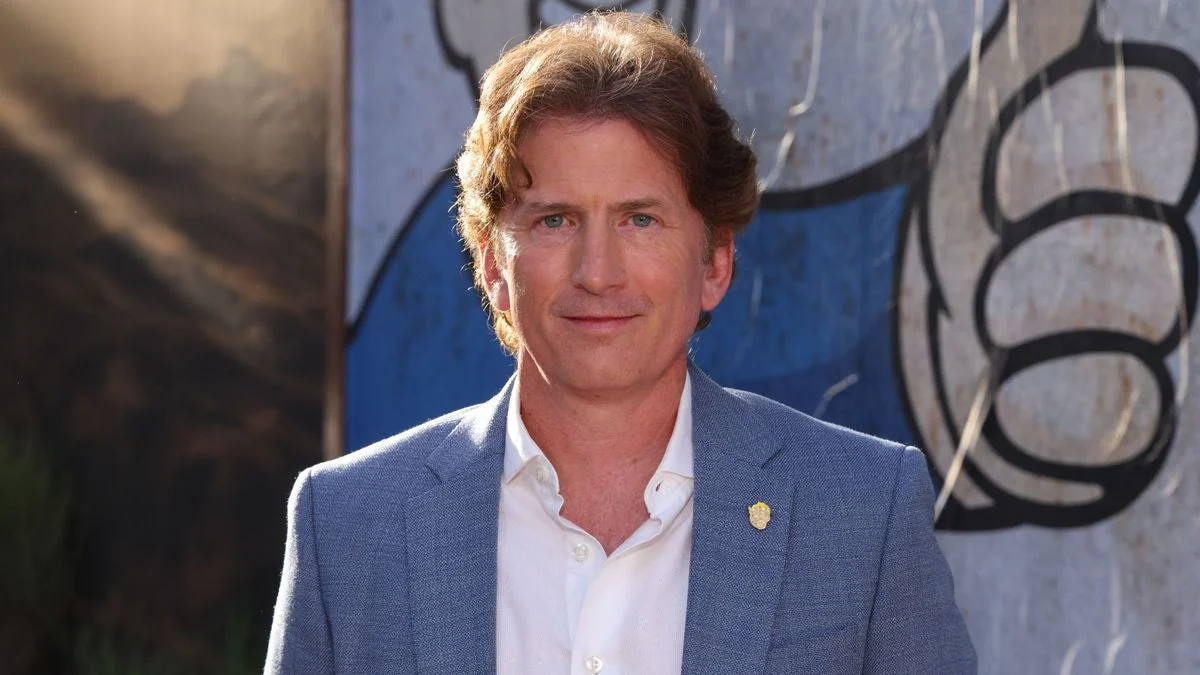
Introduction: A Rare Glimpse Behind the Curtain
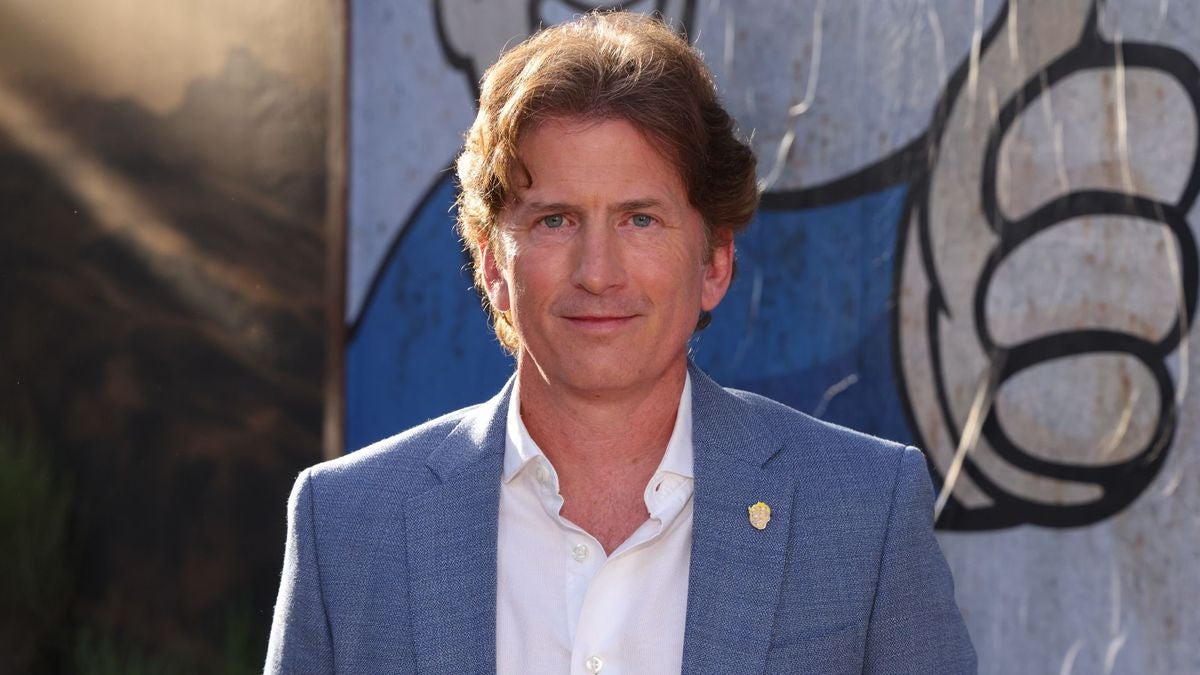
In the wake of a tumultuous period for the gaming industry—marked by sweeping layoffs across the Microsoft Xbox division—Bethesda Game Studios has sought to reassure its fanbase. Todd Howard, the long-standing face of Bethesda and executive producer of its most iconic franchises, has emerged from a six-month hiatus on Reddit. His return serves as a critical touchpoint for a community anxious about the future of Fallout and The Elder Scrolls, particularly as the studio pivots toward a more collaborative development model under the broader Xbox umbrella.
The Chronology of Uncertainty and Communication
To understand the significance of Howard’s recent outreach, one must look at the recent timeline of Bethesda’s communications. For years, the studio operated under a veil of relative secrecy, a strategy that often frustrated fans clamoring for updates on long-gestating projects.
From Silence to Transparency
Until his recent Reddit activity, Howard’s digital footprint on the platform had been dormant for half a year, with his last interaction being a lighthearted comment regarding a Fallout 4 mod. However, the tone of his return was markedly different. Addressing the community directly, Howard emphasized that the recent, rare disclosure of a development roadmap was an intentional effort to bridge the communication gap.
"Today’s info was an attempt at changing that and letting everyone know what we’ve been working on the past several years, and a look at what’s coming," Howard wrote. He positioned himself as a "professional lurker," admitting that he consistently monitors community feedback—both positive and negative—to gauge player sentiment and gather inspiration for future features.
The Shift to Collaborative Development
The current landscape at Bethesda is shifting. The studio is moving away from its historically insular development cycle toward a more integrated model. This includes deeper cooperation with Obsidian Entertainment on future Fallout projects and a reinforced partnership with ZeniMax Online to support the ongoing, decade-long expansion of The Elder Scrolls Online. This shift is not merely a logistical choice; it is a strategic necessity in a post-acquisition world where Microsoft is looking to consolidate its intellectual property (IP) assets.
Supporting Data: The Fallout and Elder Scrolls Roadmap
The recent transparency from Bethesda has provided a clearer picture of the studio’s production pipeline. While Starfield continues to receive updates—many of which have been shaped by the exact community feedback Howard claims to monitor—the focus of the gaming world has shifted toward the Fallout and Elder Scrolls franchises.
Fallout: The Post-Show Boom
The success of Amazon’s Fallout television series has reignited global interest in the wasteland. Despite this, the video game franchise has remained in a state of flux. While Fallout 5 has been "soft-confirmed" by Howard in previous interviews, it remains a long-term prospect. Simultaneously, persistent rumors regarding remasters of Fallout 3 and Fallout: New Vegas continue to circulate, fueled by recent retail listings and industry leaks. For now, Fallout 76 remains the primary pillar of the franchise, with developers planning significant content expansions and current-gen technical upgrades.
The Elder Scrolls VI: The Long Wait
The Elder Scrolls VI remains the studio’s "white whale." After years of speculation, Bethesda has confirmed that the project is in full production. Internally, the studio has stated that the game is in a "playable" state, a vital milestone for a project of such immense scale. However, Bethesda remains characteristically vague regarding release windows, maintaining a focus on quality over speed in an era where high-profile game releases often suffer from technical instability.
Official Responses and the Corporate Strategy
The directive for this new, more "open" approach appears to be trickling down from Microsoft’s leadership. Xbox CEO Asha Sharma has recently signaled a pivot toward a more focused brand strategy, prioritizing the company’s largest and most bankable IPs.
For Bethesda, this means that the "secrets" of the past are being traded for a more consistent PR cadence. By engaging with forums like Reddit, Howard is attempting to foster a sense of shared ownership with the players. As he noted, "Know we’re constantly listening and keep telling us how to be even better. You’d be surprised how many great ideas I get from Reddit."
Implications: The Human Cost and the Future of Xbox
While the roadmap and Howard’s outreach offer a glimmer of optimism, they exist in the shadow of a profound corporate crisis. The "sweeping layoffs" mentioned earlier have affected developers at Double Fine, Compulsion, and Ninja Theory, among others.
The Conflict Between Strategy and Stability
There is a palpable tension between the ambitious goals set by Microsoft leadership and the current reality of the workforce. When a studio loses a significant portion of its veteran staff—the very people who built the engines, systems, and creative cultures behind games like Fallout—the ability to execute these grand visions is fundamentally compromised.

Critics and industry analysts are left asking a difficult question: Can a lean, reorganized Xbox division, one currently reeling from significant personnel losses, effectively steward these massive franchises? The pressure on Bethesda to deliver a "flawless" Elder Scrolls VI or a definitive new Fallout entry is higher than it has ever been. If these titles fail to meet the lofty expectations of both the corporation and the fans, the implications for the future of these legendary studios could be catastrophic.
The Community’s Role
The community, once a secondary part of the development lifecycle, is now effectively the primary stakeholder in Bethesda’s PR strategy. By soliciting feedback directly, Howard is essentially crowdsourcing a portion of the creative direction. While this can lead to player-friendly features—as seen in the iterative improvements to Starfield—it also places an unprecedented amount of pressure on the community to guide the direction of billion-dollar products.
Conclusion: A New Era of Bethesda
As Bethesda Game Studios looks toward the horizon, the path forward is defined by both immense creative opportunity and significant structural risk. The commitment to "listening" to fans is a welcome change for a community that has spent years in the dark. However, the success of the upcoming slate of games will depend on more than just community engagement; it will depend on the resilience of the teams left in the wake of corporate restructuring.
For Todd Howard, the goal is clear: maintain the prestige of the Bethesda brand while navigating a corporate environment that demands efficiency and results. Whether the studio can deliver on these promises while recovering from the human impact of recent layoffs remains the defining question of the next few years in gaming. For now, the "professional lurker" and his team have the attention of the world—the challenge will be ensuring that the final products live up to the weight of their own legacies.
 Sagoh
Sagoh  Lina Irawan
  Asep Darmawan