
 By Nila Kartika Wati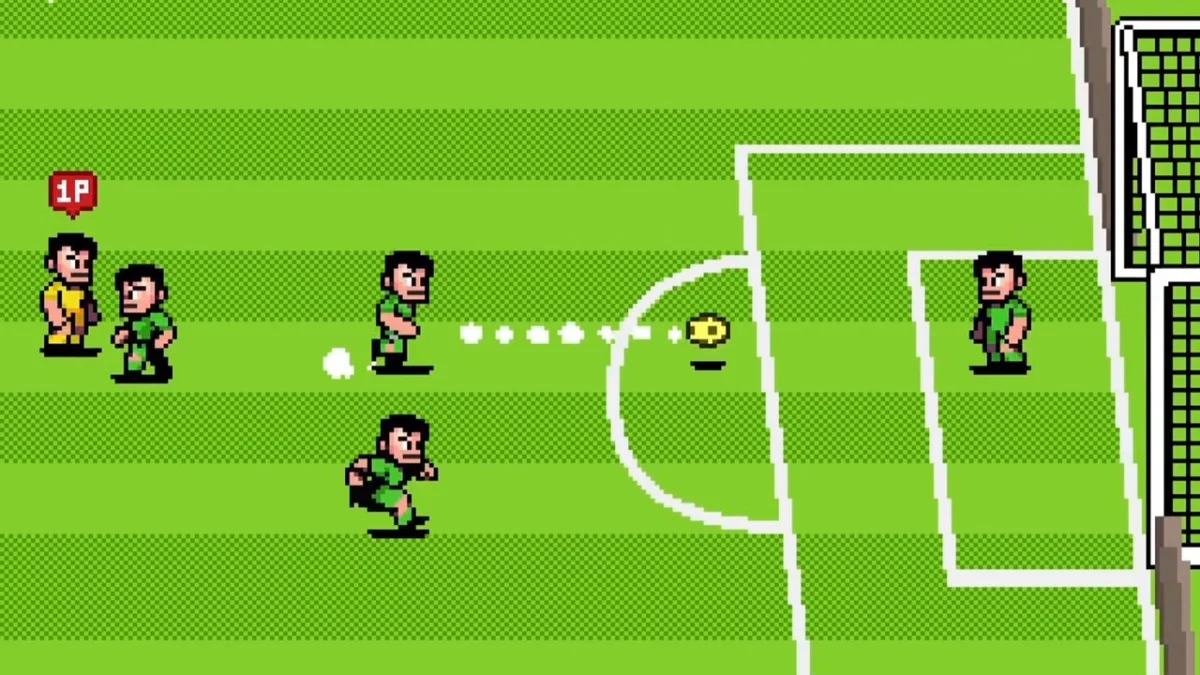
As the gaming industry prepares for the annual late-September ritual of Electronic Arts’ latest football simulation—with EA Sports FC 27 currently slated for a September 25 release—a growing segment of the gaming community is choosing to turn their backs on the franchise. While EA continues to dominate the market across PlayStation 4/5, Xbox Series X/S, and the Nintendo ecosystem (including the anticipated Switch 2), the discourse surrounding the series has shifted.
Persistent complaints regarding gameplay mechanics, recurring software bugs, and the aggressive monetization of Ultimate Team have left many players disillusioned. Rather than waiting for an annual update that feels increasingly iterative, a rising number of enthusiasts are exploring a different path: building their own. Through the power of the free, open-source Godot Engine, the dream of creating a bespoke football experience is more accessible than ever.
The State of Play: Why the AAA Model is Losing Its Grip
The "annual release" model, once the gold standard of sports gaming, is under unprecedented scrutiny. For years, players have tolerated incremental changes in exchange for updated rosters. However, the accumulation of technical debt and the reliance on predatory microtransaction models have created a vacuum in the market.
When a game is designed primarily as a service to extract recurring revenue rather than as a creative endeavor, the player experience often suffers. Glitches that persist for months and mechanics that prioritize "pay-to-win" dynamics have pushed the community to look toward the indie sector. This is not merely a rejection of EA’s titles; it is an embrace of developer agency. For the first time, the barrier to entry for building a high-quality, 3D sports simulation is low enough that a hobbyist with the right guidance can replicate the core loop of a professional-grade game.
The Rise of Godot: A Democratization of Game Development
Central to this movement is the Godot Engine. Frequently cited by developers as the most approachable, feature-rich, and efficient toolset in the industry, Godot has become the primary alternative to heavyweights like Unreal Engine 5 or Unity.
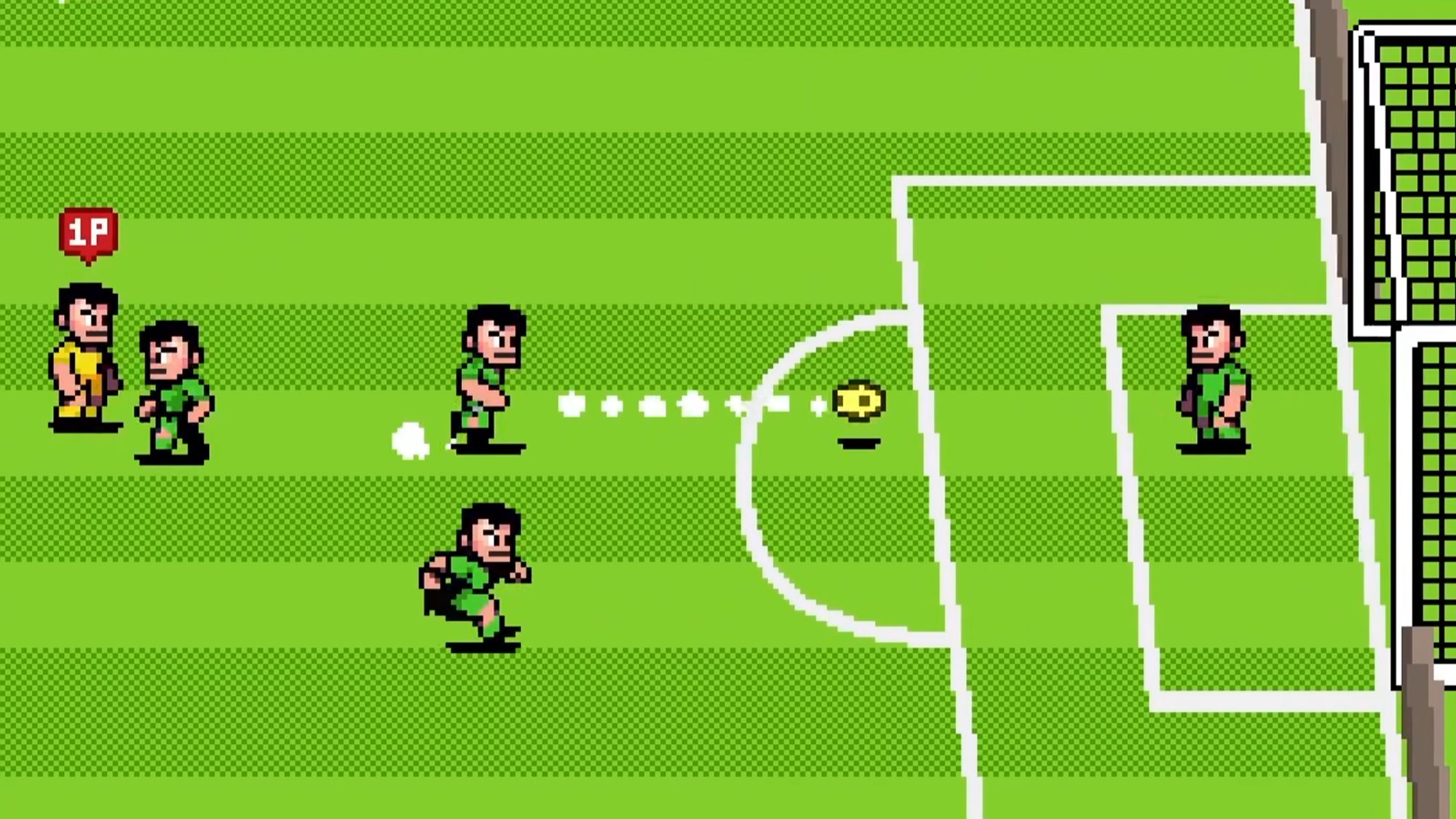
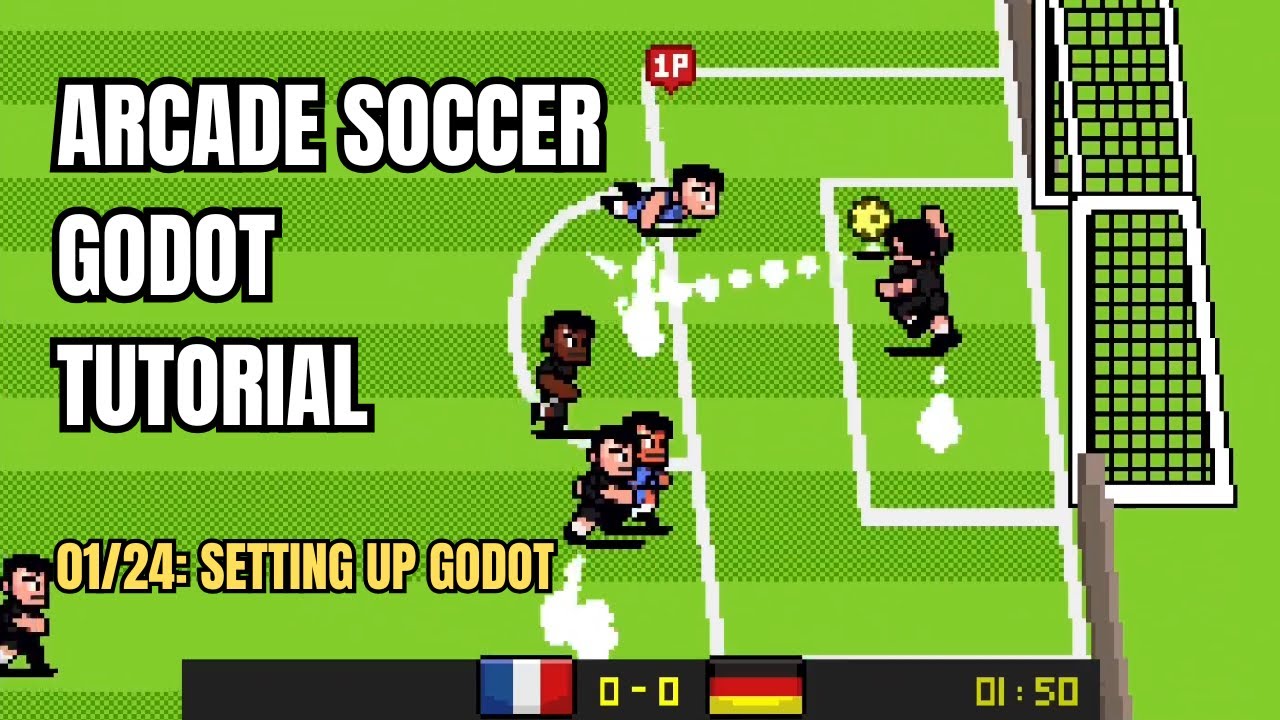
Its open-source nature means that developers are not locked into licensing fees or royalties, making it the perfect sandbox for those who are disillusioned with the corporate-led direction of modern sports titles. For those interested in replicating the "football game" experience, the path to proficiency has been paved by comprehensive educational resources, most notably the Arcade Soccer Tutorial hosted by GameDev Tavern.
Chronology of a Project: The 12-Hour Path to Creation
The learning curve for game development is notoriously steep, but the modularity of modern tutorials is changing the narrative. The 12-hour comprehensive course, which has gained significant traction, is structured to demystify the complex physics and logic required to make a football game feel "right."
Phase 1: The Foundation (Hours 1–4)
The initial sessions focus on the core architecture of Godot. Beginners are introduced to the interface, scene management, and the setup of the viewport. This stage is crucial for understanding how to manipulate 3D space, ensuring that the camera follows the action—a deceptively complex task in sports games where the perspective must remain dynamic yet clear.
Phase 2: Mechanics and Locomotion (Hours 5–8)
The meat of the project lies in the player movement. This includes implementing "state machines," which allow characters to transition seamlessly between running, dribbling, and shooting. A key takeaway from this module is the use of AI-driven steering behaviors. These algorithms determine how CPU-controlled players position themselves, react to the ball, and make decisions—elements that define the "intelligence" of a game.
Phase 3: Polish, Shaders, and Data (Hours 9–12)
The final phase focuses on the "look and feel." Students learn to use shaders to customize character appearances, such as skin tones and kit designs. Furthermore, the course teaches how to manage massive amounts of data, such as squad lists, using JSON files. This allows for a dynamic database that can be updated without requiring a complete rebuild of the game’s core code.
Supporting Data: Why This Approach Works
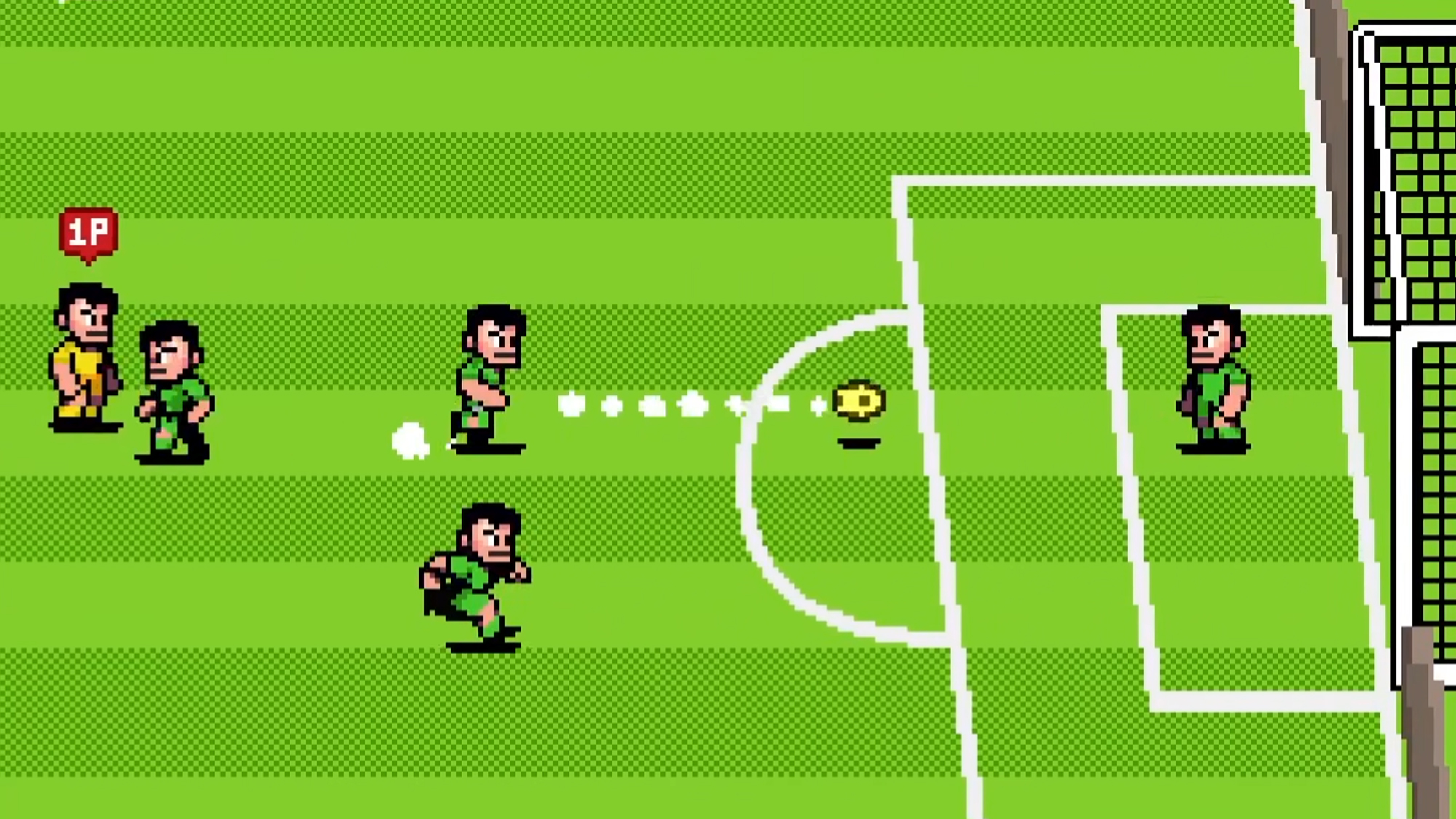
The effectiveness of this tutorial series is bolstered by the availability of free assets provided via GitHub. By decoupling the artistic asset creation from the coding process, the tutorial allows learners to focus on the "logic of play."
- Learning Efficiency: By breaking the 12-hour course into 24 thirty-minute segments, the curriculum ensures that cognitive load is managed. Each session focuses on a single deliverable: one episode on dribbling, one on bicycle kicks, and one on UI design.
- Accessibility: Because the assets are pre-made, the barrier to entry is lowered significantly. A user does not need to be a 3D modeler or an animator to see their code come to life.
- Performance: Godot’s lightweight footprint means that even developers with mid-range laptops can participate. This contrasts sharply with the hardware requirements of modern AAA engines, which often necessitate high-end workstations.
Official Industry Responses and Market Implications
While AAA studios have not commented directly on the trend of indie developers building "replacement" games, the market shift is undeniable. Publishers are seeing a growing demand for "single-purchase" games that do not rely on in-game stores.
"We are seeing a shift in consumer behavior," notes industry analyst Sarah Jenkins. "When players feel that their time and money are being disrespected by aggressive monetization, they don’t just stop playing that game—they start looking for tools to reclaim their agency. The rise of Godot-based projects isn’t just about learning to code; it’s a form of protest."
Implications for the Future of Sports Gaming
What does this mean for the future of sports gaming? While it is unlikely that an indie project will unseat EA Sports FC in terms of raw graphical fidelity or player licensing, that is not the goal. The goal is the creation of a "pure" football experience—a game that prioritizes physics, fairness, and gameplay depth over predatory engagement loops.
As more developers master these tools, we may see a "Golden Age" of indie sports games. Projects like those found on Itch.io (such as Super Soccer) serve as a proof of concept. They demonstrate that the joy of a sports game comes from the crunch of a tackle, the precision of a pass, and the tension of a penalty shootout—not from the ability to purchase a card pack with real-world currency.
Conclusion: Take the Pitch Yourself
The decision to move away from the yearly cycle of disappointment is one that many gamers are already making. By investing just 12 hours into learning the Godot Engine, you aren’t just gaining a new skill; you are becoming part of a community that values craft over commerce.
Whether you are inspired by the tactical brilliance of a World Cup final or simply tired of the bugs in your current library, the tools are ready. The assets are waiting on GitHub, the engine is free, and the pitch is yours to build. Perhaps the best way to fix the football game industry isn’t to wait for the next update, but to start your own.
Quick Start Guide for Aspiring Developers:
- Engine: Download the latest version of Godot Engine.
- Assets: Access the Soccer Course Assets to get started immediately.
- Education: Follow the GameDev Tavern series for step-by-step guidance.
- Hardware: Ensure you have a reliable laptop, though Godot’s efficiency means you don’t necessarily need the most expensive hardware on the market.
 Raul Delapena Setiawan
  Ammar Sabilarrohman
  Muslim