
 By Suro Senen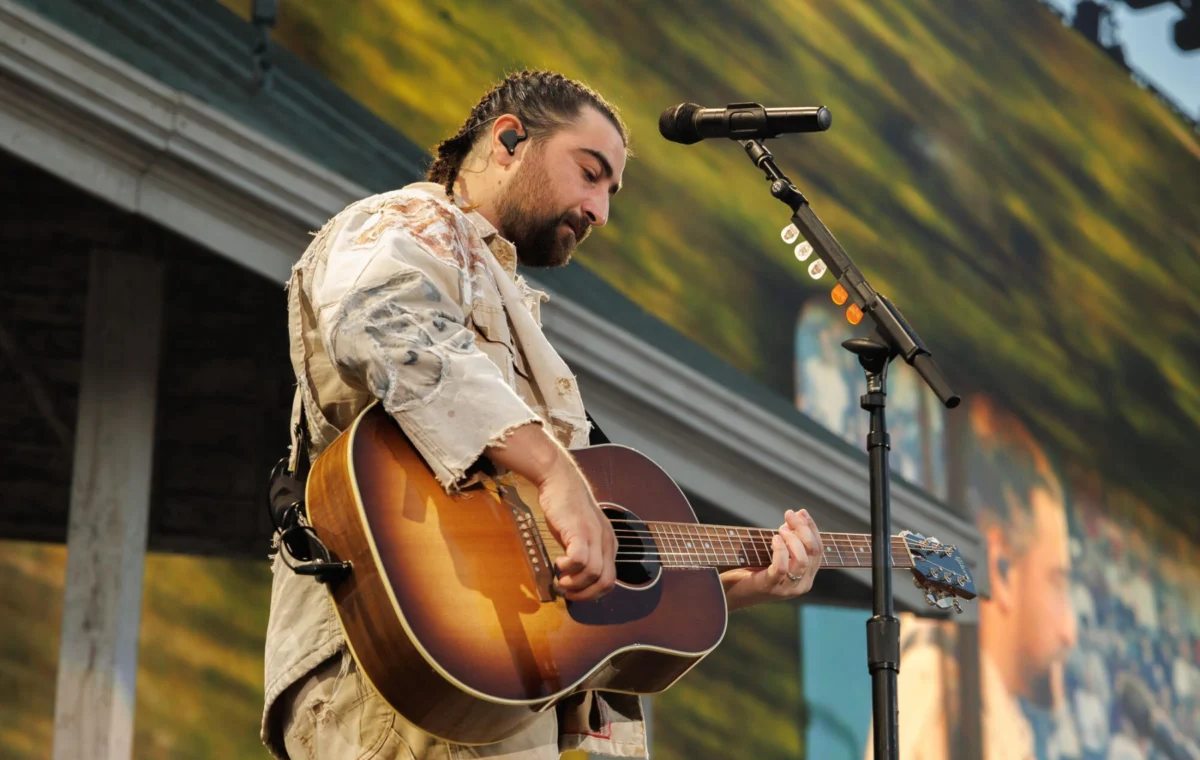
The promise of a mid-summer night’s music in Queens was unceremoniously dismantled on Saturday, July 18, as a wave of volatile weather forced the last-minute cancellation of two major outdoor performances. Both Noah Kahan, the folk-pop sensation currently on his The Great Divide world tour, and the electronic music duo Zeds Dead saw their respective shows at Citi Field and Forest Hills Stadium called off as the threat of lightning, high winds, and flash flooding rendered the venues unsafe for large-scale production.
The cancellations represent a significant disruption for thousands of ticket holders, highlighting the precarious nature of outdoor live entertainment in an era of increasingly unpredictable climate patterns. While the safety of fans, artists, and crew members remained the stated priority for both event organizers, the logistical and emotional fallout of such sudden decisions is profound.
A Chronology of the Cancellation
The situation at Citi Field began to deteriorate long before the gates were set to open. Throughout the morning and early afternoon on Saturday, the venue’s operations team was in constant contact with meteorological services, tracking a low-pressure system that was forecast to bring intense rain showers and potential severe thunderstorms to the New York City metropolitan area.
Initially, promoters and stadium officials expressed a guarded optimism. In an attempt to mitigate the impact of the incoming front, the venue released an initial plan in the early evening, signaling that the show would proceed with an adjusted schedule. The contingency plan involved the removal of the opening act and a modified set time for Kahan, theoretically creating a window to squeeze the performance in before the worst of the weather arrived.
However, as the evening progressed, the storm’s intensity surpassed the models initially used for the contingency plan. Recognizing that the structural integrity of the stage setup and the safety of the open-air audience could not be guaranteed, officials made the final, difficult decision to scrap the concert entirely.
Simultaneously, just a few miles away at Forest Hills Stadium, the production team for Zeds Dead was facing an identical battle with the elements. The electronic duo, known for their elaborate visual and light displays, found that the persistent rainfall had caused significant delays in their production build-out. By mid-evening, the realization that they could not safely assemble their equipment in the rain—coupled with the looming threat of further electrical storms—forced the cancellation of their set.
Meteorological Factors and Operational Safety
The primary driver behind these cancellations was the heightened risk of atmospheric electricity and high-wind gusts. For outdoor venues like Citi Field and the historic, open-air Forest Hills Stadium, safety protocols are strictly enforced regarding wind speed and lightning strikes.
According to National Weather Service data for the region on July 18, the storm system carried significant potential for flash flooding and dangerous wind gusts, both of which pose specific threats to temporary staging equipment, lighting rigs, and sound towers. For an artist like Noah Kahan, whose production requires a massive, complex stage setup, the risk of structural failure during high winds is an unacceptable liability.
Furthermore, the "lightning radius" rule—a standard safety protocol in the live events industry—dictates that if lightning is detected within a certain distance of the venue, all outdoor operations must cease immediately. The unpredictable movement of the storm on Saturday evening made it impossible to maintain a secure environment, ultimately leaving organizers with no choice but to terminate the events.
Official Responses and Artist Statements
In the wake of the cancellations, both the venues and the artists took to digital platforms to communicate with disappointed fans.
Citi Field issued a formal statement on social media, emphasizing the gravity of the decision: “The show tonight at Citi Field has been canceled due to inclement weather. This was a very difficult decision to make, but the first priority is always to keep everyone safe.”

Noah Kahan, clearly disheartened by the turn of events, shared a personal message via an Instagram Story. “Exhausted every option to make this happen… love you guys,” he wrote. His message resonated with his fanbase, many of whom had traveled significant distances to witness the first of his two scheduled nights in Queens.
The members of Zeds Dead offered a more detailed look into the logistical hurdles they faced. “The weather is just being too difficult,” the duo stated. “There’s another storm that’s supposed to move in and we can’t even build our production anyway with all the delays from the rain already. We were hopeful all yesterday and today, and thought if the winds and lightning held off we could at least have a time in the rain… but alas there is no way to do it now.”
Financial Implications and Refund Protocols
The economic impact of a canceled concert of this magnitude is substantial. For the thousands of fans who had purchased tickets, the immediate concern centered on the return of their funds.
Citi Field moved quickly to clarify the refund process for the Noah Kahan show. The venue confirmed that for those who purchased through primary ticketing platforms like Ticketmaster, refunds would be processed automatically to the original method of payment. For those who used third-party secondary markets, the process is often more complex, requiring fans to navigate the specific terms of those platforms.
At Forest Hills Stadium, the approach was slightly different. Rather than an outright cancellation with no follow-up, the Zeds Dead show has been officially postponed to August 14. Original tickets remain valid for the new date, providing fans with the choice to either attend the rescheduled performance or seek a refund at the original point of purchase. This "postpone vs. cancel" strategy is often preferred by venue operators as it preserves ticket revenue and provides a path forward for the production.
The Broader Context: Live Music in the Age of Climate Instability
The cancellations in Queens are part of a growing trend in the music industry. As global temperatures rise, meteorologists have noted an increase in the frequency and intensity of severe weather events in the Northeast United States. For an industry that relies on the "experience" of being outdoors, this creates a volatile environment for planning tours.
Tour managers and venue directors are increasingly forced to build "weather contingencies" into their contracts. This includes deeper insurance coverage, flexible touring windows that allow for rescheduled dates, and more robust, storm-resistant stage designs. However, these precautions come at a massive cost, one that is eventually reflected in the rising price of concert tickets.
Furthermore, the "fan experience" is being fundamentally altered. The era of the "rain or shine" concert is waning. While some fans might argue that a rainy night at a concert adds to the atmosphere, modern safety standards—informed by past tragedies in the live music industry—have made it clear that safety must always supersede the "magical" experience of playing through a storm.
Looking Ahead: What Happens Next?
For Noah Kahan, the focus now shifts to the remainder of his tour schedule. While the July 18 concert at Citi Field remains lost, he is still slated to perform at the venue on Sunday, July 19, weather permitting. Fans are advised to monitor the artist’s and the venue’s social media channels closely for real-time updates as the storm system continues to move through the Northeast.
Zeds Dead will continue their Journey of a Lifetime tour, with their next scheduled appearance in Cleveland, Ohio, on July 24. Their postponement to August 14 provides a buffer for the production team to regroup, though it necessitates a significant logistical shift for fans who may have been visiting New York specifically for the weekend event.
As the music industry continues to grapple with the realities of climate change, the events of this past Saturday serve as a sobering reminder of the intersection between art and nature. For now, the lights at Citi Field and Forest Hills have been dimmed, the stages are being cleared, and thousands of fans are left waiting for the next opportunity to gather in the sun—or at least, in the safety of a clear sky.
 Lina Irawan
  Lina Hope
  Siti Muinah