
 By Raul Delapena Setiawan
In the modern digital landscape, the humble email remains one of the most powerful tools in a founder’s arsenal. Yet, for many e-commerce brands, the strategy remains stuck in a bygone era: treat the subscriber as a lead, automate a sequence, and push for a conversion. While this transactional approach generates revenue, it leaves the most valuable asset—brand loyalty—completely untapped.
The most successful brands today are pivoting away from simple list management. They are moving toward community building, where the inbox becomes a space for connection, identity, and shared values. By shifting the focus from "how do we sell" to "how do we engage," entrepreneurs can transform passive subscribers into vocal advocates who remain loyal even when cheaper, flashier alternatives emerge.
The Strategic Shift: List vs. Community
To understand the evolution of email marketing, one must first distinguish between a list and a community. A list is a database—a collection of email addresses gathered through lead magnets, discounts, or checkout flows. It is a passive entity.
A community, by contrast, is a group of people who feel a sense of belonging. The divide between the two is not defined by the software platform or the sequence of automated emails you use. Instead, it is defined by the underlying philosophy of the brand.
The Limitations of Purely Transactional Models
Most e-commerce operations rely on the standard "funnel" infrastructure: welcome series, browse abandonment, cart recovery, and win-back emails. These are essential for operational efficiency, but they are insufficient for building a brand moat. If your entire strategy is built to move a customer from one stage of the funnel to the next, you are treating your subscribers as metrics rather than humans.
Brands that win in the long term treat the inbox as a relationship channel first and a revenue channel second. They understand that while automation drives revenue, the relationship is what makes that revenue repeatable and sustainable.
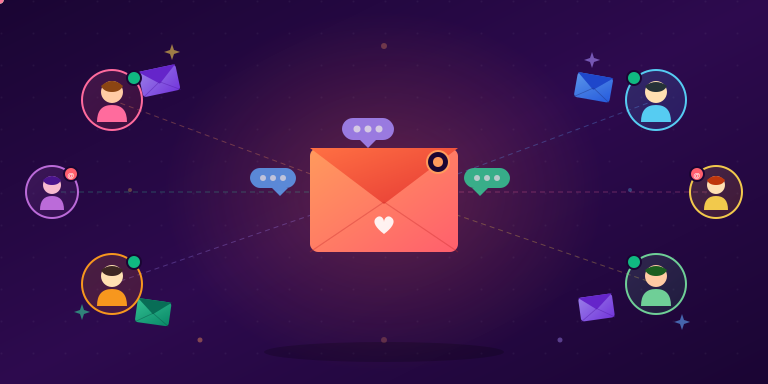
Chronology of a Relationship: Building the "Insider" Experience
Building a community is not an overnight success; it is a cumulative process of fostering trust. If you want to move beyond the transaction, consider this evolutionary approach to your email cadence:
- The Transparency Phase: Start by peeling back the curtain. Stop announcing products as mere inventory items. Share the "why" behind the development process. Discuss the versions that failed, the packaging challenges, or the supplier visits that didn’t go as planned.
- The Insider Access Phase: Once you have established transparency, offer your subscribers early access. This doesn’t require a complex loyalty program or a gated membership site. Simply notifying your list of a sale or a new product launch before it hits social media creates a tangible "insider" status.
- The Dialogue Phase: This is the pivot point. Move from a monologue (brand talking to subscriber) to a dialogue. Ask for feedback on specific product features or ask for advice on future colorways. When subscribers provide input, acknowledge it publicly or via a personal response.
- The Advocacy Phase: Eventually, your community will begin to advocate for you. They will leave detailed reviews, share your emails with friends, and defend your brand in the comments section. This is the ultimate proof that you have successfully transitioned from a list to a community.
Supporting Data: Why Engagement Metrics Matter
While conversion data—click-through rates and average order value—remains the bedrock of e-commerce, it is no longer the sole indicator of health. To measure community growth, you must look at qualitative and engagement-based metrics.
Key Performance Indicators for Community
- Reply Rate: This is the most critical metric for assessing two-way communication. If your emails are not generating replies, your brand voice may be too corporate or uninviting. A healthy reply rate indicates that subscribers see you as a peer, not a faceless entity.
- Forward Rate: When a subscriber forwards your content to a friend, they are performing a high-trust endorsement. This acts as a multiplier for your reach and is a strong indicator that your content provides genuine value beyond a discount code.
- Referral-Driven Growth: Track how new subscribers find your list. If a growing percentage of sign-ups are coming from organic referrals, your community is effectively acting as your marketing department.
- Unsubscribe Patterns: Do not fear unsubscribes. Analyze them. If you see a spike after a promotional email but stable numbers after a storytelling-based email, you are learning what your core audience values most.
Official Perspectives: The Role of Voice and Identity
The core of any community is identity, and in the digital world, that identity is carried by your "voice." As noted by industry experts, if your emails could be sent by any competitor in your space, you have no brand differentiation.
The Power of Founder-Led Communication
There is a growing trend toward "founder-led" emails. These are often plain-text, devoid of high-production imagery or complex templates. They feel like a personal note from a friend.
"The most engaging emails are often the ones that look like they were written by a human in ten minutes, not a marketing agency in three weeks," says brand strategist Sharon Atefi. "When a founder speaks directly to the reader, sharing their values, their frustrations, and their triumphs, it creates a parasocial connection that is incredibly difficult for competitors to replicate."
Establishing a Consistent Point of View
A brand’s voice is not a mask you put on for sales; it is a consistent perspective. What does your brand believe about its industry? What does it explicitly refuse to do? By consistently articulating these values—even in promotional emails—you attract "superfans" who align with your mission. When people feel they know you, they stay. When they trust you, they buy.
Implications for Future Growth
The shift toward community-led email marketing has profound implications for the future of e-commerce. As third-party data tracking becomes more difficult due to privacy regulations and algorithm changes on social media, the email list remains one of the few channels where the brand maintains total ownership of the relationship.
Leveraging the Right Infrastructure
To manage this effectively, you need an infrastructure that balances the automated, transactional side of the business with the human, relational side. Tools like Omnisend are designed for this specific duality. By utilizing advanced segmentation, founders can ensure that transactional emails (like shipping confirmations) are handled flawlessly, while their energy is diverted into crafting meaningful, relationship-building content for the segments that matter most.
The Bottom Line: Why Community Wins
The most successful e-commerce programs are not necessarily the ones with the most aggressive sales tactics or the most sophisticated AI automation. They are the ones that make subscribers feel like participants in a movement rather than targets for a campaign.
As we look toward the future, the barrier to entry for e-commerce remains low, but the barrier to loyalty is higher than ever. Competition is everywhere, and the only way to insulate your business from a race to the bottom is to build something people care about.
Key Takeaways for Founders:
- Consistency over Intensity: You do not need to send daily emails, but you must maintain a consistent tone and schedule.
- Listen, Don’t Just Broadcast: Make it easy for people to talk back to you, and treat their feedback as a strategic asset.
- Own Your Voice: Be willing to take a stand. Neutrality is the enemy of community.
- Treat the Inbox as a Relationship: The moment you stop treating your list as "leads" and start treating them as a community, your business model becomes significantly more resilient.
Building a community through email is an investment in long-term brand equity. It is a slow, deliberate process, but it yields a foundation that no algorithm or competitor can take away. For those ready to commit, the tools exist to automate the mundane and elevate the meaningful, allowing you to build a business that is as profitable as it is personal.
 Neng Nana
  Basiran
  Azzam Bilal Chamdy