
 By Nana Muazin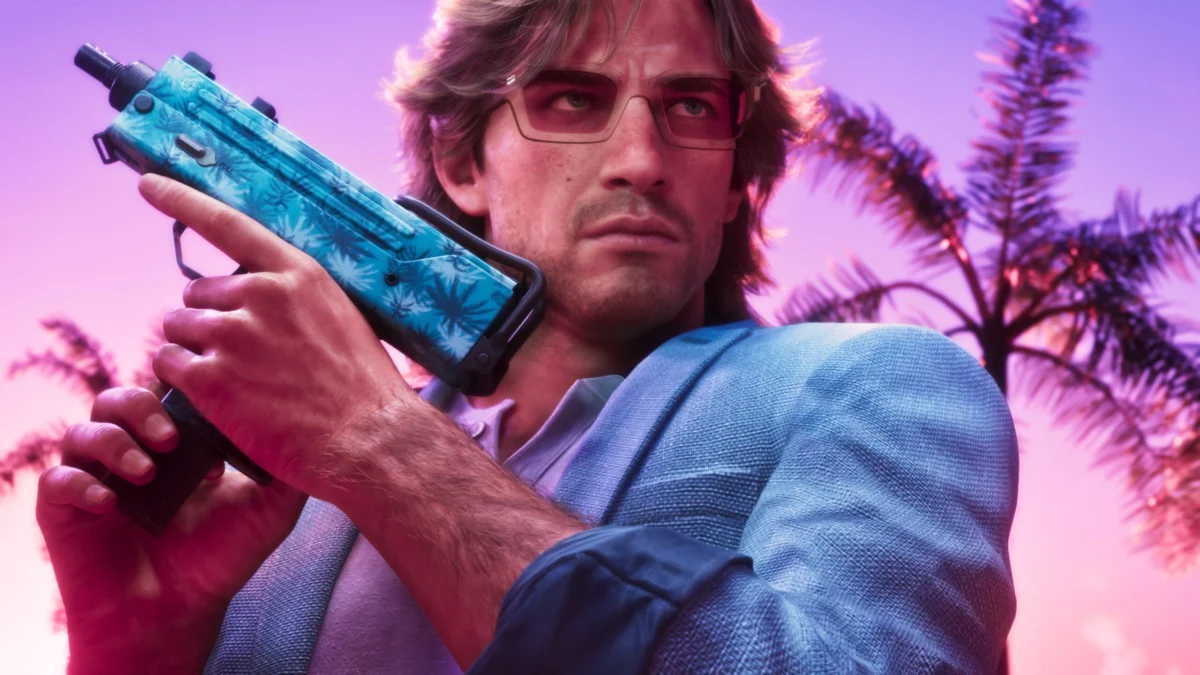
For those of us who grew up with the Grand Theft Auto series, the promotional screenshot is more than just marketing material; it is a cultural artifact. I remember the Sabre Turbo from the GTA 5 PC launch—a car poised at a crossroads, black with an impossible, oily sheen, reflecting the iridescent sprawl of Los Santos. It was an image that felt like a memory before I had even played the game, a snapshot of pure, unadulterated potential.
Rockstar Games has mastered the art of the static image, crafting visual narratives that pulse with the same life as their digital worlds. With the recent drip-feed of promotional imagery for Grand Theft Auto 6, that familiar, giddy anticipation has returned. However, as we peel back the layers of this hype, we are confronted with a shifting industry landscape that asks us to pay more for less, fundamentally altering the nature of what it means to "own" a game.
A Visual Legacy: The Power of the Rockstar Still
Grand Theft Auto has always been a medium of voyeurism. Its camera angles, the way it captures the long, lonely distances of a highway or the unnerving, hyper-detailed mugs of its characters, suggest a director behind the lens. The studio’s ability to "make a screenshot sing" is a cornerstone of their marketing success.
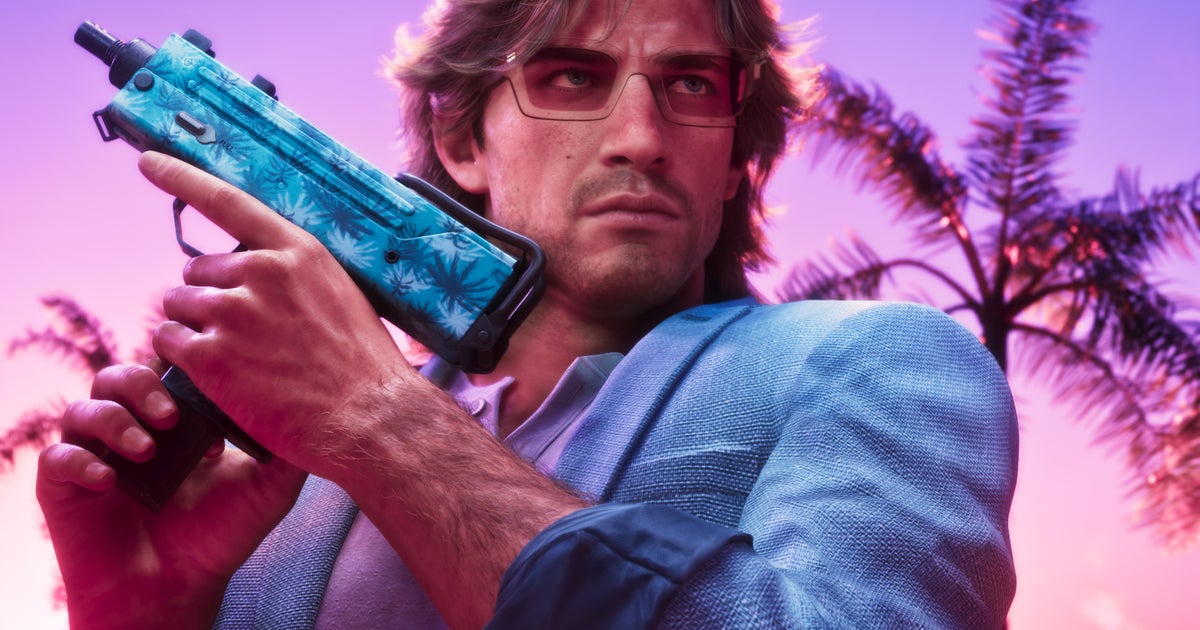
In the latest rollout for GTA 6, the images are diverse and evocative. There is the uncanny surrealism of Brian Heder, standing firm in a bulletproof vest like a caricature of a reality-TV bounty hunter; there is the raw, Floridian grit of a woman dancing atop a police cruiser—a scene that encapsulates the specific, chaotic flavor of Rockstar’s version of the Sunshine State. Then, there is the Grotti Cheetah. A veteran of the series, its reappearance in GTA 6 is a masterclass in detail. Zooming into the latest renders reveals tiny, glistening beads of sweat and water clinging to the roof—a testament to the technical ambition driving this project.
Perhaps most striking is the shift toward the personal. The shots of Jason on a kayak, back muscles braced against the fading sunset, represent a pivot toward a more intimate, "resort-style" aesthetic. Rockstar is clearly signaling that GTA 6 will explore a new kind of sexiness—one centered on the doomed, cinematic romance of leads Jason and Lucia. It is a welcome, grown-up evolution for a series that has historically struggled to depict intimacy with genuine maturity.
The Cost of Ambition: The Financial Reality
While these images ignite our imagination, they arrive attached to a cold, hard financial reality. GTA 6 is slated to retail at £69.99 in the UK—a price point that, while expected, remains a significant barrier. Yet, the price tag is only the beginning of the friction.

The most contentious issue is the so-called "physical edition." In a move that has sparked widespread debate, the physical boxes for the Ultimate Edition will not contain a disc. Instead, they will house a digital code. This move toward a disc-less future is a profound shift for the industry. While Rockstar—and publishers at large—will cite the mitigation of leaks, cost-saving measures, and logistical ease as primary drivers, the consumer is left with a product that lacks the permanence of traditional media.
Furthermore, the "Ultimate" experience requires an additional financial commitment, with entire missions and content packs gated behind an £89.99 paywall, often accompanied by the looming shadow of a recurring £6.99 monthly subscription for GTA+.
Chronology of the Shift: From Discs to Digital Licenses
To understand how we arrived at this point, one must look at the trajectory of game distribution over the last two decades.

- The Era of Ownership (1990s–2000s): Games were physical objects. When you bought a title, you possessed a tangible asset that could be resold, lent, or gifted.
- The Rise of Steam and Digital Stores (2010s): The convenience of digital distribution changed the market. Physical media began to be viewed as a luxury or a space-consuming burden.
- The Service-Model Transition (2020s–Present): Publishers shifted focus toward "live service" models. The game became a platform, and the purchase price became an entry fee rather than a final transaction.
With GTA 6, we are witnessing the solidification of the "leaseholder" model. We are no longer purchasing a copy of a game; we are purchasing a revocable license to access software on the publisher’s terms.
Supporting Data: Development Costs and Industry Turmoil
There is an argument to be made—frequently raised by industry analysts—that games have become too expensive to produce. GTA 6 represents the pinnacle of "lavish" development. Thousands of developers have spent years crafting a world of unprecedented scale, detail, and complexity. If we, as consumers, demand these monumental, high-fidelity experiences, is it not logical that the cost of entry rises?
Adjusted for inflation, video games were significantly more expensive in the 1990s. A $50 game in 1995 would be roughly $100 today. From a purely economic standpoint, the industry has been struggling to keep pace with the ballooning costs of production while keeping sticker prices stagnant for decades. However, the resentment felt by the gaming community isn’t necessarily about the base price; it is about the "double-dipping." It is the combination of a premium price tag, microtransactions, subscriptions, and the removal of physical ownership that creates the perception of an exploitative ecosystem.

Implications: The Death of the "Owned" Game
The implications of this transition are far-reaching. If we accept the transition to digital-only, we are effectively consenting to a system where our library can disappear at the whim of a corporate server shutdown or a licensing dispute.
The Ownership Crisis
The most critical question for consumers today is not "how much?" but "how long?" We are moving toward a reality where, if you buy a game digitally, you should legally own that software in perpetuity. Currently, the law is murky, and the power dynamic rests entirely with the publisher. If a game can be unilaterally revoked from your account, you have not purchased a product; you have rented a service.
The Retailer’s Dilemma
Physical retailers, who have long been the backbone of the industry, are being squeezed out. By bypassing the physical disc, publishers cut out the secondary market—a market that once served as a safety net for gamers who couldn’t afford full-price releases. While this benefits the publisher’s bottom line, it erodes the consumer’s ability to trade or resell their assets.

The Path Forward: A Call for Reform
If we are to move away from physical media, we must demand a new framework for digital ownership. This could take the form of:
- Guaranteed Perpetual Access: Legislation that mandates that if a store shuts down, the publisher must provide an offline-capable version of the game to the consumer.
- Digital Resale Rights: Developing blockchain or encrypted ledger systems that allow for the transfer of digital licenses between users.
- Transparency in Licensing: Clearer warnings at the point of sale that clarify exactly what rights the consumer is purchasing.
Conclusion: A Moment of Reckoning
Rockstar Games remains a titan of the medium. Their ability to capture the public’s imagination with a few images of kayaks, sunsets, and fast cars is unmatched. GTA 6 will, without doubt, be a cultural juggernaut, likely earning back its massive development budget in its opening weekend.
However, the discourse surrounding GTA 6 serves as a mirror for the entire gaming industry. As we gaze upon those stunning, high-definition screens, we must also look at the fine print. We are entering an era where the "shine" of the product is being used to distract from the erosion of the consumer’s rights.

The industry is at a crossroads. We can continue down the path of the "leaseholder," where our libraries are ephemeral and our ownership is conditional, or we can advocate for a system that respects both the artist’s need to be paid and the consumer’s right to own the art they purchase. For now, we wait for the game with bated breath—but perhaps it is time we start asking for more than just a beautiful screenshot. We should ask for the security that comes with true ownership, ensuring that the games we love remain ours, long after the hype has faded and the servers have eventually moved on.
 Laily UPN
  Nila Kartika Wati
  Asro
Asro 