
 By Sagoh
A breakfast buffet can be one of the most welcoming ways to start the day. The appeal is universal: waking up to an expansive, aromatic array of hot and cold dishes already prepared, cooked, and arranged by someone else. Yet, despite its casual charm, the morning buffet is a notorious breeding ground for social anxiety, gridlock, and minor behavioral faux pas.
Whether you are navigating a bustling hotel spread while recovering from jet lag or grabbing a quick bite before a conference, the early morning environment often brings out the clumsiest sides of otherwise polite people. As Nick Leighton, host of the etiquette podcast Were You Raised by Wolves?, aptly puts it, "There’s something about so many people getting together who haven’t had their coffee yet that can lead to all sorts of etiquette trouble."
While most of us grow up learning traditional rules for polite eating at home or in sit-down restaurants with table service, self-serve setups present an entirely distinct set of social and logistical challenges. To ensure a seamless morning experience for yourself and your fellow diners, etiquette experts—including Leighton and David Jubé, a professional caterer and founder of The Gourmet Host—break down the unwritten rules of the breakfast buffet.
Main Facts: Decoding the Unwritten Rules of the Morning Spread
Navigating a shared food station requires a delicate balance of self-awareness, efficiency, and consideration for public health. According to culinary and etiquette professionals, the most common mistakes made at breakfast buffets stem from a lack of preparation or a disregard for shared spaces.
The core principles of breakfast buffet etiquette center on respect for the flow of traffic, strict adherence to hygiene standards, and a measured approach to food consumption. Key facts governing these shared spaces include:
- The Traffic Flow: Buffet lines operate similarly to a one-way street; backtracking, cutting, or abruptly changing lanes causes immediate logistical bottlenecks.
- Plate Hygiene: Reusing a dirty plate for a second trip to the buffet is a major sanitation hazard, prompting a universal rule that guests must always secure a fresh plate.
- DIY Station Etiquette: Self-serve elements like toasters and waffle makers require constant supervision to prevent burnt food, clogged queues, and abandoned equipment.
- Problem Resolution: Confronting a fellow guest over unsanitary or rude behavior is a social misstep; policing the room is the job of the venue’s staff.
Chronology: The Step-by-Step Anatomy of a Successful Buffet Visit
To understand how to move through a breakfast buffet gracefully, it helps to break the experience down chronologically—from the moment you step up to the line to the final bite at your table.
Phase 1: Reconnaissance (Learn the Lay of the Land)
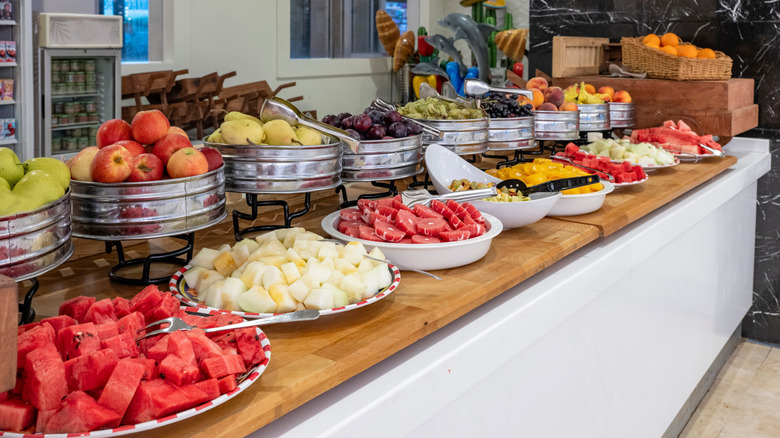
We have all found ourselves stuck behind the quintessential indecisive diner, frozen in place while weighing the pros and cons of pancakes versus French toast. Conversely, many of us have hastily loaded up our plates with the first three items on the line, only to realize we have run out of room for the eggs we actually wanted.
David Jubé identifies this as the number one strategic error diners make: diving straight into the line without a plan. To prevent gridlock and ensure you leave with a meal you will genuinely enjoy, Jubé advises a preliminary walk-through.
"Walk the line once with empty hands, decide what you want, then come back and serve yourself," he recommends. This simple act of scouting eliminates hesitation and keeps the queue moving at a steady pace.
Phase 2: Navigation (Go with the Flow)
Once you have your plate and are ready to serve yourself, you enter the operational stream of the buffet. This is a critical juncture where minor acts of impatience can disrupt the entire room.
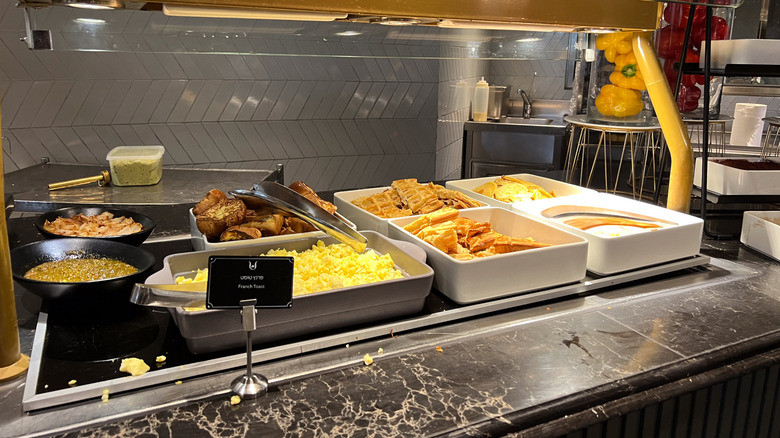
Imagine spotting an empty tray of pastries, only to watch a staff member roll out a fresh batch of warm treats a minute later. The temptation to backtrack or cut across the line is high, but resist the urge. A buffet line is a functional one-way road.
"There’s often a single direction everyone’s going. If that’s the case where you are, don’t go against traffic," Nick Leighton warns. Furthermore, if you must shift positions or switch lanes to reach an isolated condiment or side dish, do so with clear spatial awareness. "Be sure to signal before changing lanes abruptly," Leighton adds.
Phase 3: The DIY Stations (Toasters and Waffle Makers)
Many breakfast setups feature interactive stations where guests cook or toast their own items. These stations present a unique etiquette conundrum: standing stationary and blocking the line is discourteous, but abandoning your items while they cook invites disaster.
Our experts agree that you must remain present at the station.
"Stay close and be ready with a plate," says Leighton. "You’ve got to be there when it comes out… no roaming around or going back to your table. (Toast thieves are real.)"
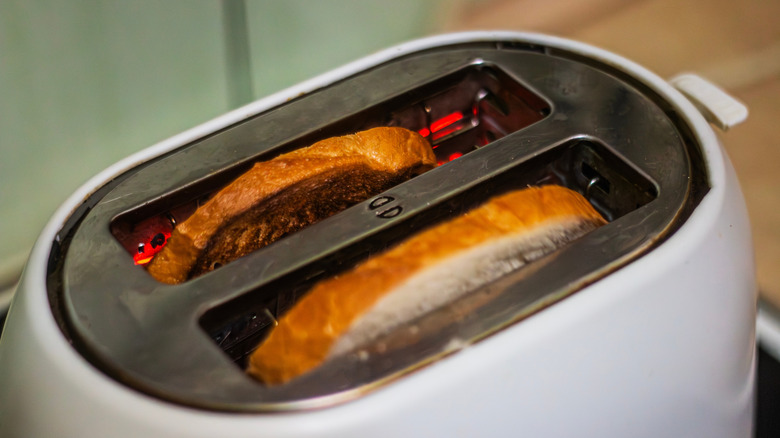
Jubé echoes this sentiment, noting that leaving your toast unattended creates logistical chaos. "Monitoring toast from your table is how a toaster ends up holding cold abandoned bread while six people wait," he warns. Additionally, if you are operating a waffle maker, basic cleanliness dictates that you wipe up any stray batter before walking away.
Phase 4: Seconds and Sharing (Leaving Food for Others)
When you approach the end of a serving tray—finding, for instance, only two pieces of bacon left while a line forms behind you—an ethical dilemma arises. Do you take them all, or leave them for the next person?
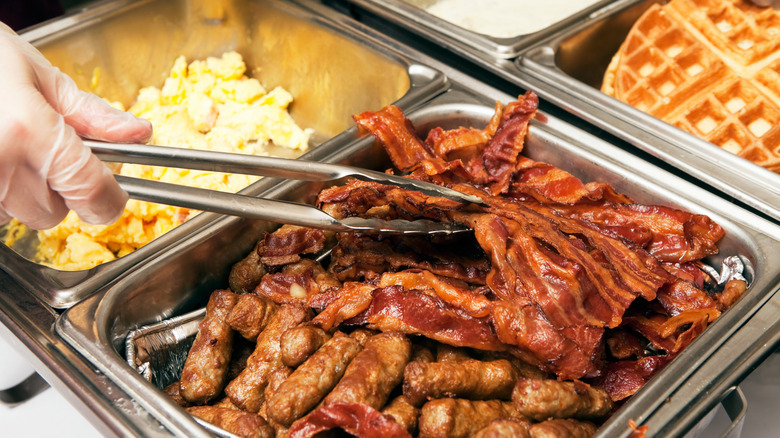
Both Leighton and Jubé confirm that taking the remaining items is acceptable; that is what they are there for, and staff will soon replenish the tray. However, this highlights a broader strategy: multiple small trips to the buffet are vastly superior to a single, overflowing mountain of food.
"Several small trips beat one architectural plate, which cools half of what is on it and tells the room you feared the eggs would run out," Jubé notes.
When returning for seconds, the golden rule of sanitation applies: always use a clean plate. While home dishwashing habits might make reusing a plate feel efficient, shared public food lines operate under strict health protocols.
"Always use a fresh plate. Always, always," Leighton emphasizes. "One of the big rules of the buffet is keep it clean, so we don’t want used plates to get close to all the shared food."
Supporting Data & Expert Perspectives: Perspectives on Post-COVID Hygiene and Etiquette
The hospitality industry has undergone a permanent shift in how food safety and shared spaces are perceived. In the wake of the COVID-19 pandemic, both diners and establishments have heightened their awareness of cross-contamination risks at self-serve buffets.
According to David Jubé, features like sneeze guards, individual serving utensils, and directional signage have received renewed focus from operators. Simultaneously, diners are keeping a closer eye on shared areas, remaining vigilant against unsanitary practices—such as guests using their hands instead of tongs, or mistakenly placing tasted food back onto communal trays.
When confronted with bad behavior, however, expert consensus is unanimous: do not intervene personally.
"Not your job to police," Jubé states firmly. "If you see someone put something back, tell a staff member quietly and let the house handle it." Correcting a stranger directly risks turning a hygiene concern into a public altercation. Trained hospitality staff are equipped to address these issues discreetly, preserving peace and order in the dining room.
Implications: Children, Take-Out Treats, and Hotel Economics
Beyond the physical buffet line, breakfast etiquette extends into how diners manage companions, family members, and the boundaries of what is included in the price of admission.
Managing Young Diners
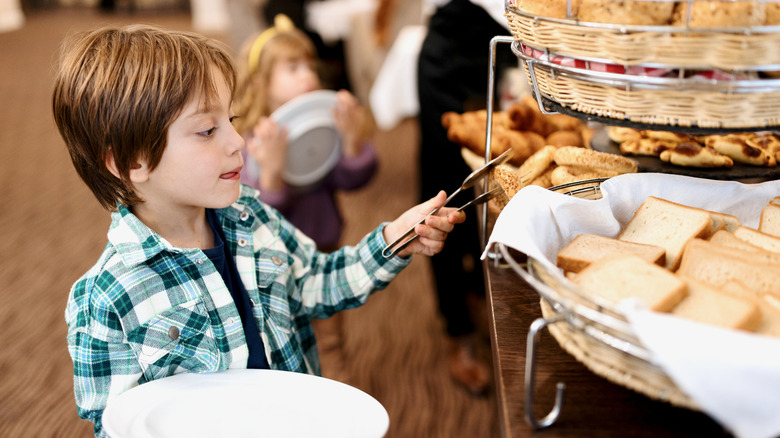
While a breakfast buffet can feel like a magical playground for older children learning independence, it can be a source of intense stress for parents of toddlers. Public messes and morning meltdowns disrupt the serene atmosphere expected in hotel dining rooms.
To mitigate chaos, experts suggest proactive management. For children under the age of eight, parents should either plate their food at the table or walk the line directly alongside them as an educational exercise.
The Great Take-Away Debate
Perhaps the most hotly contested debate in buffet culture surrounds the temptation to pack up extra treats—such as a piece of fruit, a muffin, or a packaged yogurt—to consume later in the day.
Opinions on this practice remain divided. David Jubé takes a strict stance based on pricing structures:
"A buffet is priced for one sitting, so the pastry wrapped in a napkin is the rare case where the awkwardness people feel is an actual rule rather than social habit."
Nick Leighton, however, views the issue through a lens of scale and common sense.
"There’s a big difference between grabbing a muffin or banana to go and loading up Tupperware containers for the next four meals," he notes.
Ultimately, mastering the breakfast buffet comes down to a blend of common sense, situational awareness, and respect for the communal space. By following these pro tips, you can transform the potentially stressful morning rush into a smooth, pleasant start to your day.
 Asro
Asro  Siti Muinah
  Muslim