
 By Layla Zulfa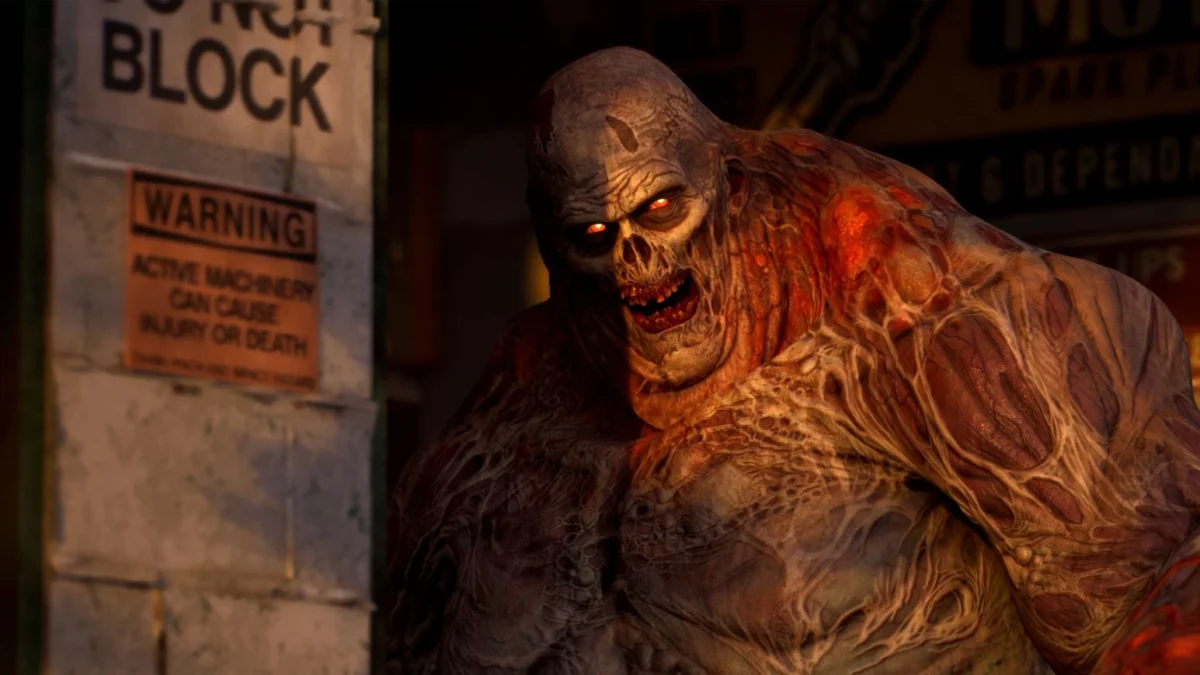
The landscape of modern game development is often defined by the immense resources of parent companies, but for Undead Labs, the path to releasing State of Decay 3 has taken a radical, unexpected turn. After years under the Microsoft Xbox umbrella, the studio has emerged as an independent entity following a management buyout. While the transition has secured the studio’s autonomy, it has been marked by the painful reality of staff layoffs and a recalibration of its most ambitious project to date.
The Winds of Change: Undead Labs’ New Chapter
Last month, Undead Labs officially parted ways with Microsoft, a move that studio head Phillip Holt describes as both a liberation and a profound challenge. For a developer that has been synonymous with Xbox’s first-party lineup for years, the transition to independence is a structural shock. The most immediate and difficult consequence of this transition has been a series of layoffs, a subject Holt handles with significant emotional weight.
"Parting with colleagues was ‘total heartbreak,’" Holt shared during a recent, candid interview with The Game Business. When pressed for the specific number of employees affected by the downsizing, Holt declined to quantify the loss. He expressed a desire to avoid reducing the professional impact on his former colleagues to a mere statistic, emphasizing the personal toll that such restructuring takes on a tightly knit studio culture.
A Chronology of Development: From 2020 to 2027
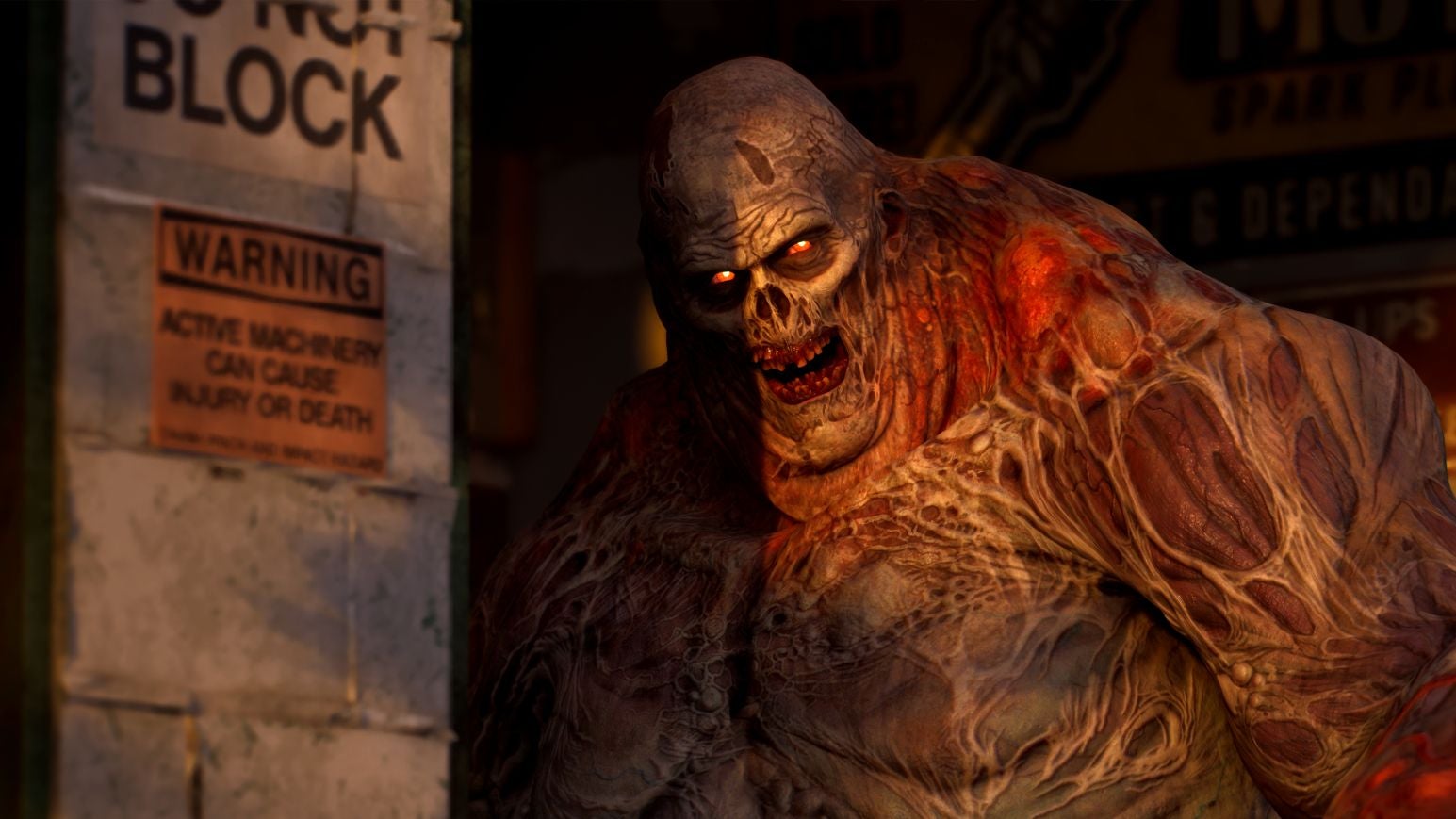
The development history of State of Decay 3 has been a subject of intense speculation within the gaming community. First revealed in 2020 with a cinematic trailer featuring an unforgettable, infected deer, the project seemed to vanish into a development "black hole." For years, fans wondered if the title was in danger of cancellation, especially as silence stretched into years.
Holt clarifies the timeline, noting that the "eight-year" figure often cited by critics is misleading. While State of Decay 2 has enjoyed a long life, the third installment did not enter full-scale production immediately. "We had a very small team on the game since maybe 2020," Holt explains. "But development didn’t really pick up until 2022 or 2023."
The early announcement in 2020 was, by Holt’s admission, a strategic maneuver rather than a reflection of the project’s maturity. At the time, Microsoft was in the midst of an aggressive acquisition spree, bringing studios like Ninja Theory, Playground Games, and Compulsion Games into its fold. Fearing that Undead Labs might be "swallowed up or divested" by the massive corporate entity before they could establish their own identity, Holt felt compelled to plant a flag. By announcing State of Decay 3, the team aimed to secure their vision in the public eye, proving that the studio was a vital, active force with a clear trajectory.
The Anatomy of the Buyout
The decision for Undead Labs to become independent was not an overnight impulse, but rather the result of a shifting corporate climate. When Microsoft announced a major restructuring of its gaming division earlier this year—a move that impacted numerous studios across the Xbox portfolio—Undead Labs was earmarked for potential divestiture.
Initially, the studio explored finding a new corporate owner. However, as Holt watched other studios successfully navigate the waters of management buyouts, he realized that reclaiming their independence was the most viable path forward. "We had a lot of interest," Holt noted regarding the search for a new parent company. Ultimately, Microsoft agreed that a management buyout was the best course of action. This transition allows Undead Labs to return to its roots as an independent studio, answering only to its audience rather than the complex, often conflicting directives of a mega-corporation.
The State of the Game: Alpha and Beyond
Despite the turbulence of the past few months, the development of State of Decay 3 remains the studio’s primary objective. Holt insists that the project is nearing completion, even if the release window is set for 2027. This timeline provides the team with the necessary "scheduling wiggle-room" to polish the experience without the pressure of a premature launch.
The studio has been running closed alpha tests, and early feedback—including reports from those who saw the game at Gamescom—suggests that the core loop of zombie survival remains intact and compelling. When asked if the layoffs would result in a stripped-back version of the game, Holt was pragmatic. "With a significant number of people leaving the company, we’ve got to make some changes," he acknowledged. "But I don’t think we’re dramatically addressing scope in that way."
The game’s focus remains on delivering the definitive zombie survival experience, and the studio maintains that it currently possesses "everything we need to ship State of Decay 3."
Implications for the Future: A "Cleaner" Line of Sight
The shift to independence changes the fundamental relationship between the developers and their product. Within a conglomerate like Microsoft, studio heads must balance creative ambition with corporate directives, quarterly earnings, and the overarching goals of a platform-holder.
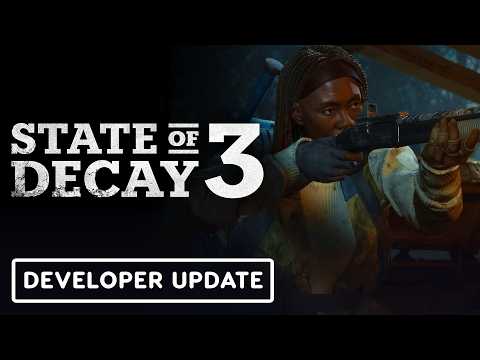
"Inside of a larger company, you serve multiple objectives and you have directives that you need to achieve," Holt explained. "Now it’s just: make the best possible game."
For the players, this implies a "cleaner, clearer line of sight" to the final product. Without the pressure of satisfying external corporate stakeholders, Undead Labs is now entirely beholden to the success or failure of the game in the eyes of the consumer. If the product succeeds, the company thrives. If it fails, they have no corporate safety net to fall back on. This high-stakes environment is arguably the ultimate motivator for a studio that has built its reputation on grassroots community support.
The Role of Game Pass and Audience Retention
Even as an independent studio, the relationship with Xbox is not entirely severed. State of Decay 3 is confirmed to launch on Xbox Game Pass on day one. Holt is quick to credit the subscription service as a cornerstone of the franchise’s longevity.
The State of Decay series has amassed an impressive 25 million lifetime players, a feat that Holt attributes largely to the accessibility provided by Game Pass. The service has allowed the games to maintain a consistent influx of new players, with thousands still "coming through the door every day." This ongoing engagement provides a stable foundation for the studio as they navigate their newfound independence.
Conclusion: A High-Stakes Bet on Independence
The story of State of Decay 3 is a microcosm of the modern gaming industry: a tale of rapid acquisition, corporate consolidation, and the eventual, painful pivot back to independence. While the loss of staff is an undeniable tragedy that will leave a lasting mark on the studio’s culture, the remaining team at Undead Labs appears invigorated by their newfound autonomy.
The 2027 release window remains a distant target, but the studio’s mission has never been more focused. By shedding the layers of corporate bureaucracy, Undead Labs is betting everything on the strength of their vision and the loyalty of their massive, long-term player base. As the industry continues to grapple with the fallout of the "post-acquisition era," the success of State of Decay 3 will serve as a bellwether for whether independent studios can truly thrive in the shadow of the giants they once called home.
 Lina Hope
  Nana
Nana  Azzam Bilal Chamdy