
 By Pevita Pearce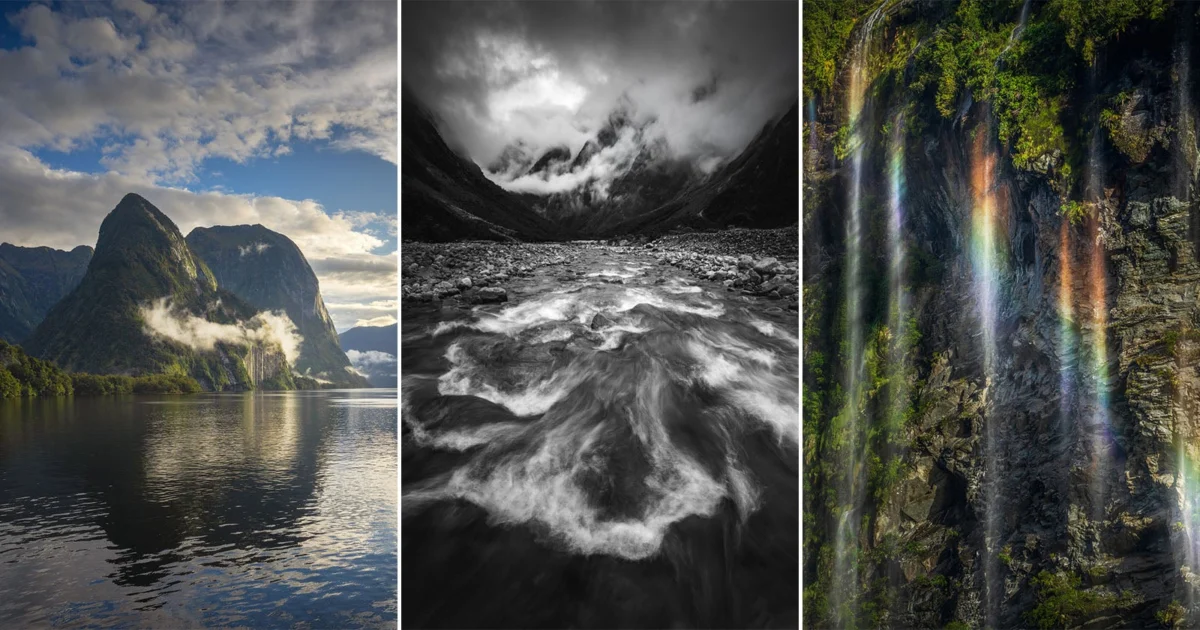
In the world of landscape photography, there is a prevailing obsession with "the perfect light." Photographers often spend days scouting, waiting, and hoping for the golden hour to paint a scene in hues of amber and violet. However, photographer Michael Shainblum has recently taken a different path—one that moves away from the pursuit of static perfection and toward an intimate, chaotic, and deeply responsive engagement with nature.
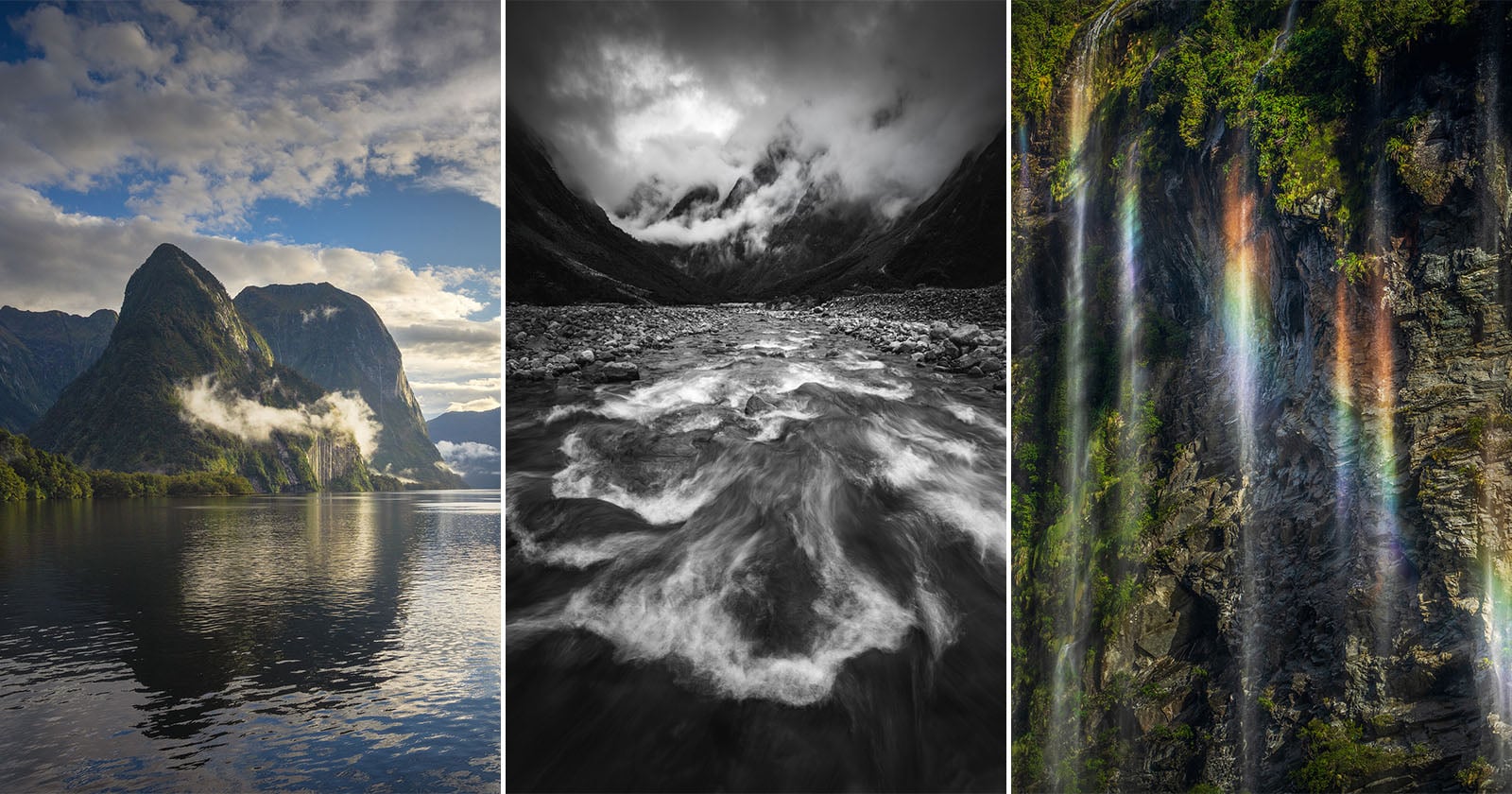
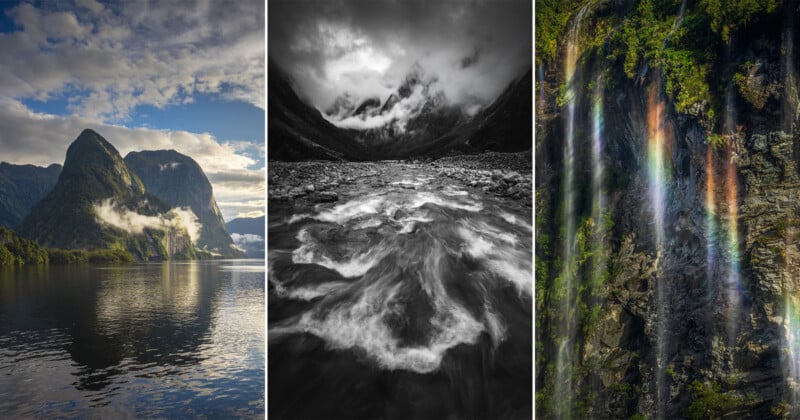
His latest project, A Different Way to See Landscape Photography | New Zealand, serves as both a visual masterclass and a philosophical departure from traditional landscape tropes. Filmed across the volatile, weather-battered regions of Fiordland National Park—specifically within the dramatic corridors of Milford Sound and Doubtful Sound—Shainblum’s work treats environmental instability not as a barrier to overcome, but as the primary subject of the frame.
The Philosophy of Flux: Embracing Environmental Instability
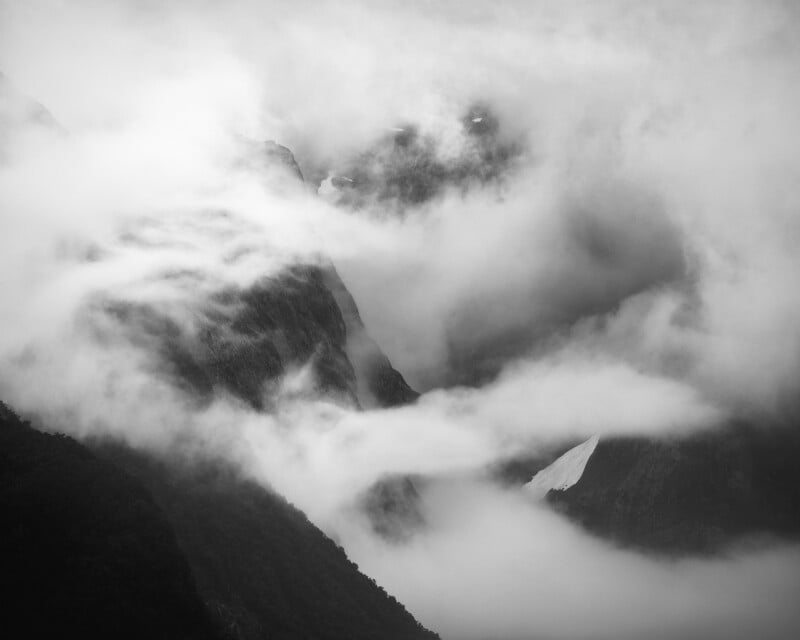
For most, a forecast of relentless rain, shifting fog, and overcast skies would mean packing away the camera gear. For Shainblum, these are the essential ingredients for atmosphere, depth, and drama. His work in New Zealand is characterized by an abandonment of the rigid, "pre-built" composition. Instead, he practices a form of "responsive photography," where the image is born from the constant, shifting interplay of the elements.
"I’ve never been great at defining my photography style because I don’t really think about style all that much," Shainblum explains. "To me, photography has always been an extension of my personality, my imagination, and what I find interesting. Over time, that has naturally developed into a fairly expressive approach. I would say intuition drives almost everything I do."
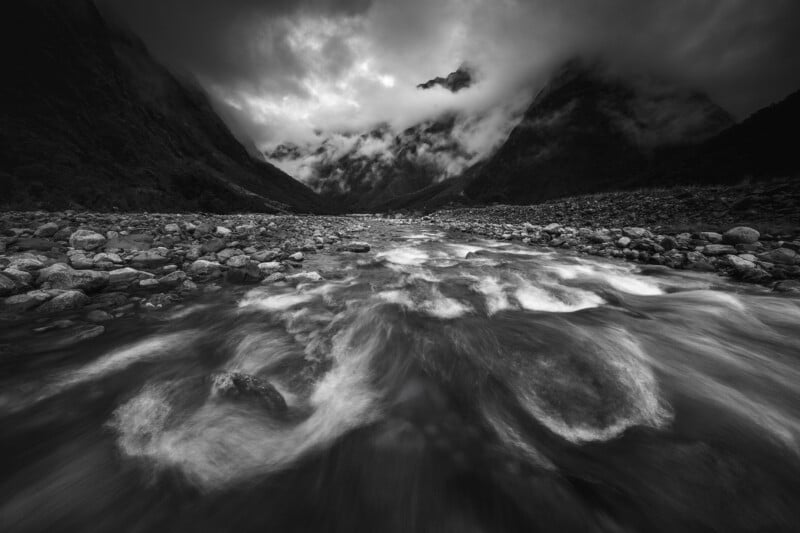
This intuition-led process requires the photographer to oscillate rapidly between scales. A wide-angle, sweeping vista might be abandoned within seconds as a shift in wind density or light intensity reveals a more compelling, abstract, telephoto-focused detail. In Fiordland, no mountain range or waterfall remains a constant entity; they are merely "temporary versions" of themselves, existing for a few heartbeats before being reclaimed by the mist.
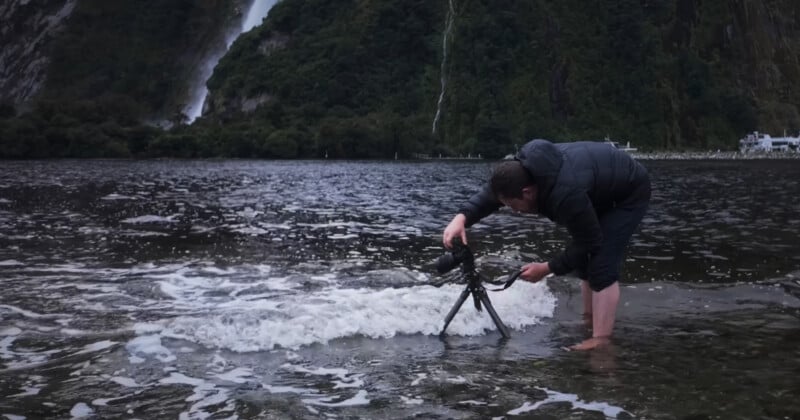
Chronology of the Project: Navigating the Sounds
The New Zealand project was not a linear production, but a series of reactive encounters with one of the world’s most dynamic environments.
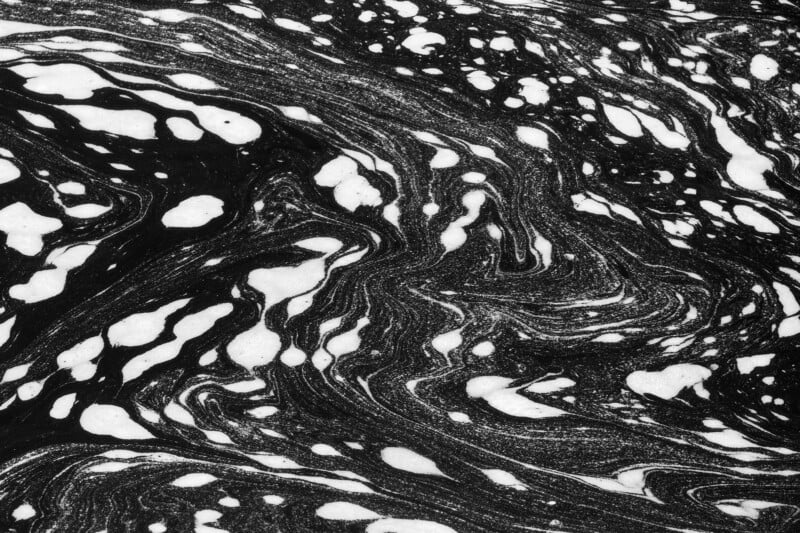
Phase 1: The Shoreline and Surface Tension
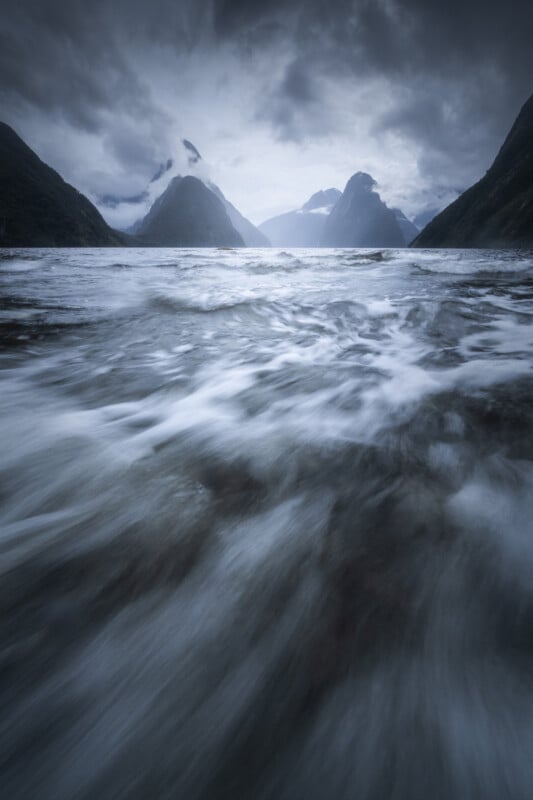
At Milford Sound, Shainblum focused on the meeting point between land and water. Here, the composition is never static. Boat wakes intersect with tidal currents, and wind-driven surface patterns rewrite the foreground continuously. Shainblum positions himself at the edge of this transition zone, capturing moments where the water is in the process of forming structure but has not yet settled into stillness. By manipulating exposure times, he acts as a mediator between the raw power of the ocean and the viewer’s perception, using long exposures to smooth the motion while preserving the underlying texture of the scene.
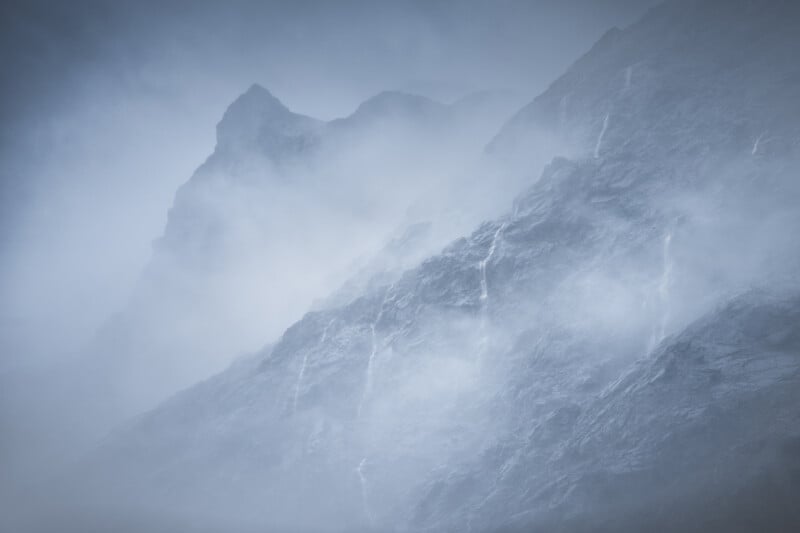
Phase 2: The Deep Water and Mobile Perspective
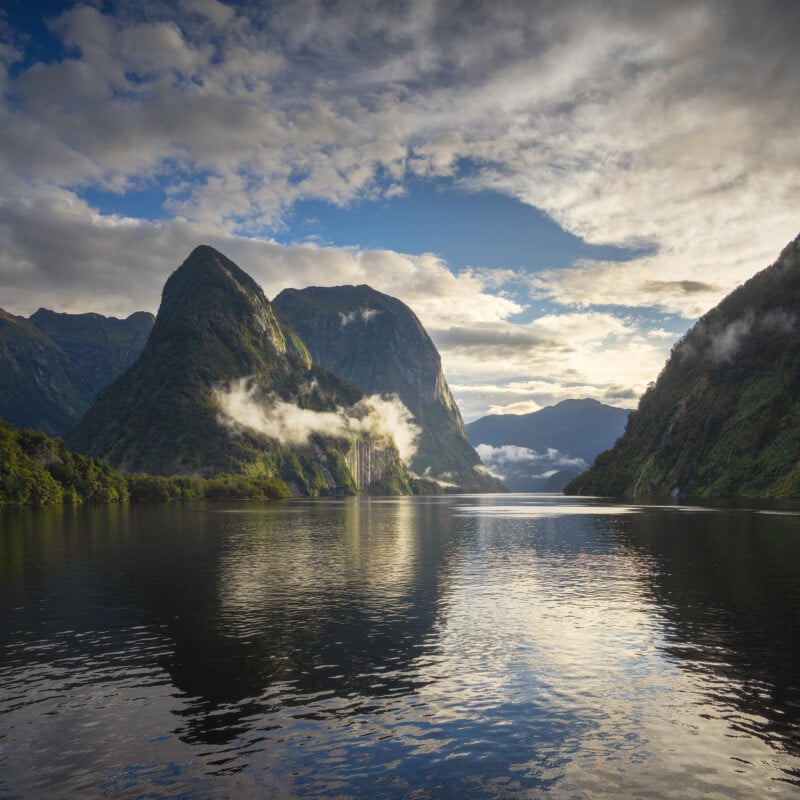
A significant portion of the work was captured from the deck of a vessel navigating the deep, narrow channels of Doubtful Sound. This added a layer of logistical complexity: shooting from a moving, unstable platform. In this phase, the photographer’s rhythm became synced with the boat’s movement. As the vessel passed through the narrow waterways, cliffs and forests would slide in and out of the frame. This forced a "rapid-fire" approach to decision-making, where the photographer had to identify potential compositions in the seconds before they disappeared behind rock faces or dense cloud cover.
Phase 3: The Intimate Forest and Waterfall Studies
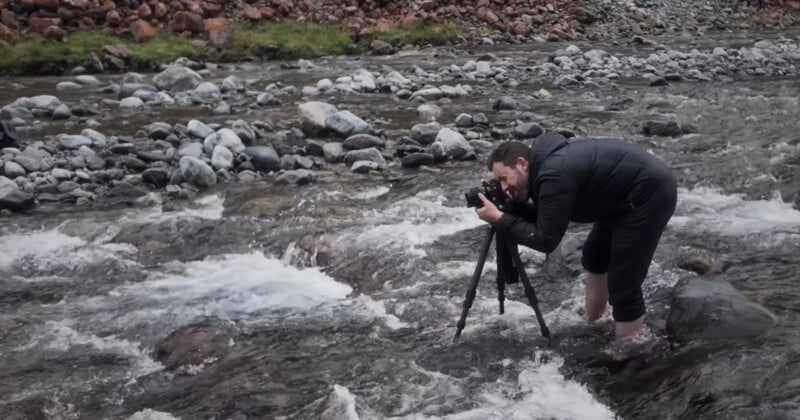
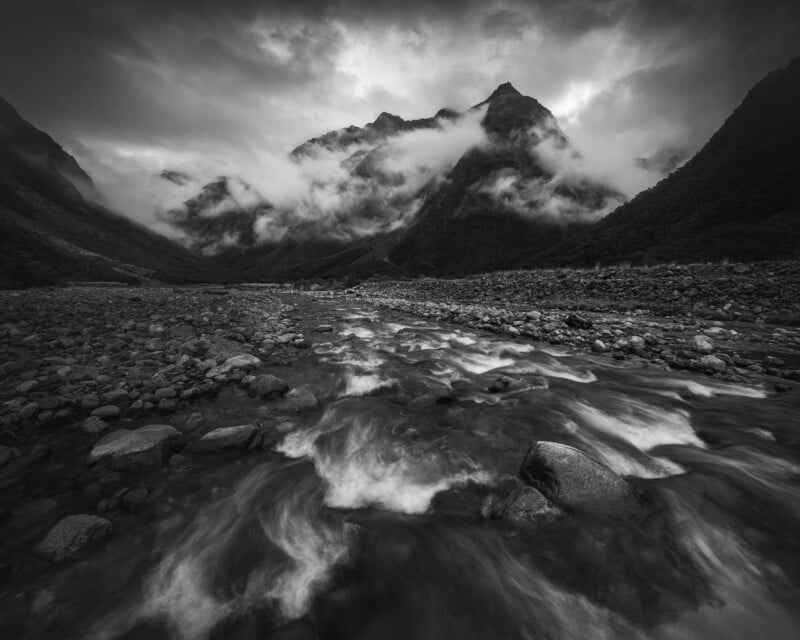
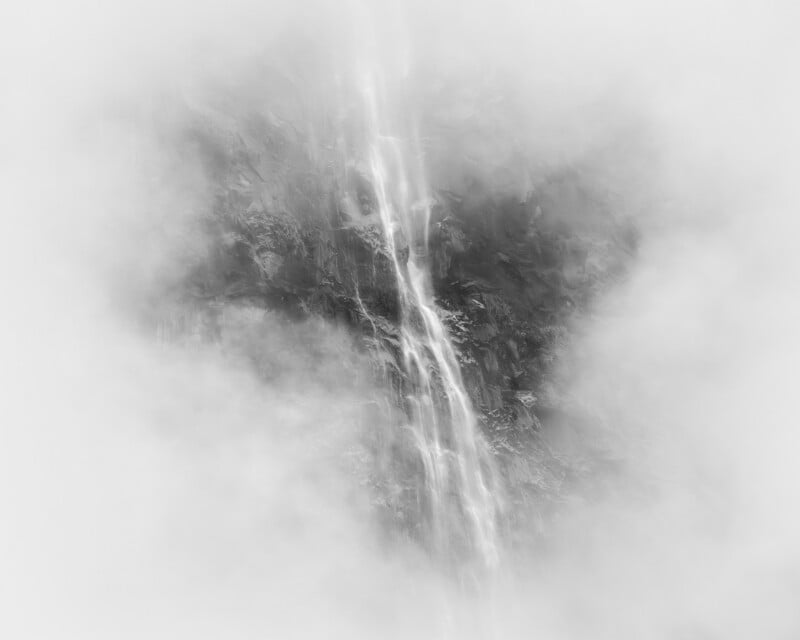
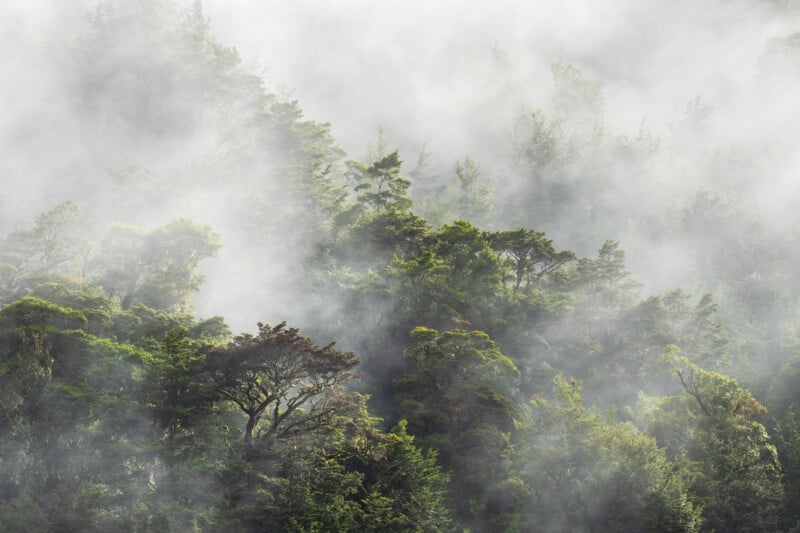
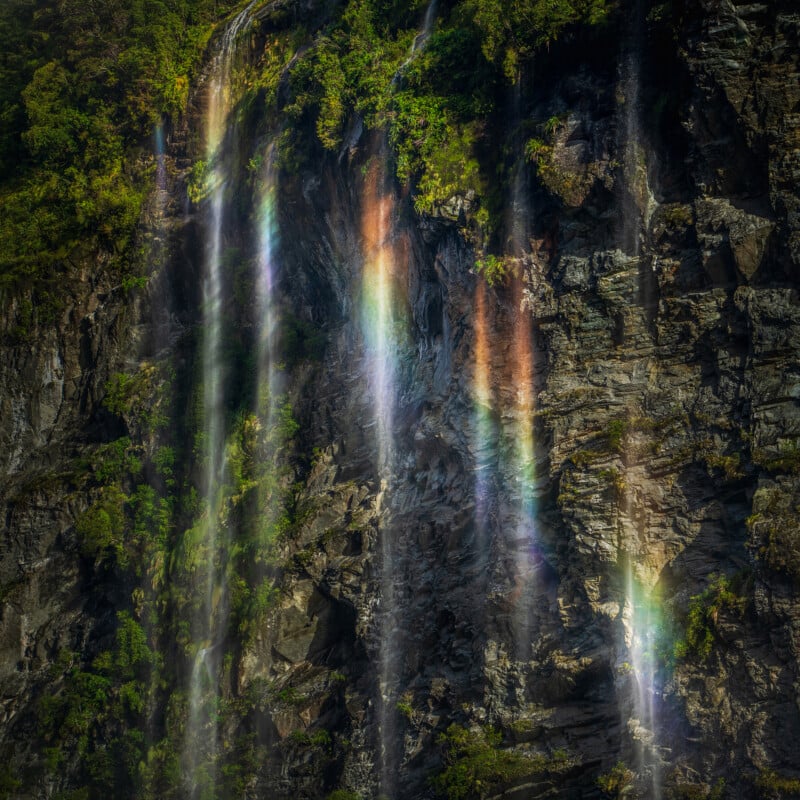
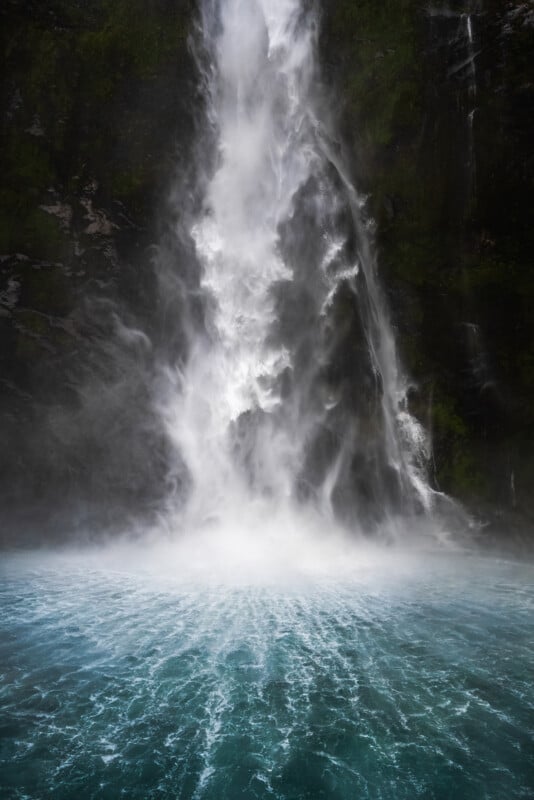
The project concluded with forays into the dense rainforests of the region. This phase required physical stamina as much as artistic vision. Shainblum spent hours standing in freezing, fast-moving rivers, balancing on slippery, submerged rocks. This physical engagement allowed him to capture the raw, untamed energy of the waterfalls. By using varied shutter speeds, he interpreted the same waterfall in multiple ways: as a frozen, textured force of nature or as a ghostly, ethereal veil of flowing water.
Supporting Data: Technical Adaptability
While Shainblum emphasizes that "great images come from the photographer, not the gear," the technical execution of his vision relies on a highly curated, minimalist kit designed for rapid adaptation.
- Camera System: Sony A1, prized for its speed and resolution in high-stakes environments.
- Optics: 12–24mm ultra-wide lens for immersive, large-scale environmental shots; 100–400mm telephoto lens for isolating patterns, edges, and tonal blocks within the landscape.
- The "Bridge" Lens: A mid-range zoom utilized for transitions when the photographer needs to move quickly between wide and tight focal lengths.
The technical workflow is defined by "exposure as a control mechanism." In the face of varying light levels, Shainblum uses aperture and shutter speed not just to manage light, but to dictate how the "flow" of the environment is recorded. A faster shutter speed might freeze the chaotic energy of a river, while a longer exposure might flatten the depth of a scene, creating a more abstract, tonal composition.
Implications: The Shift Toward Process-Oriented Photography
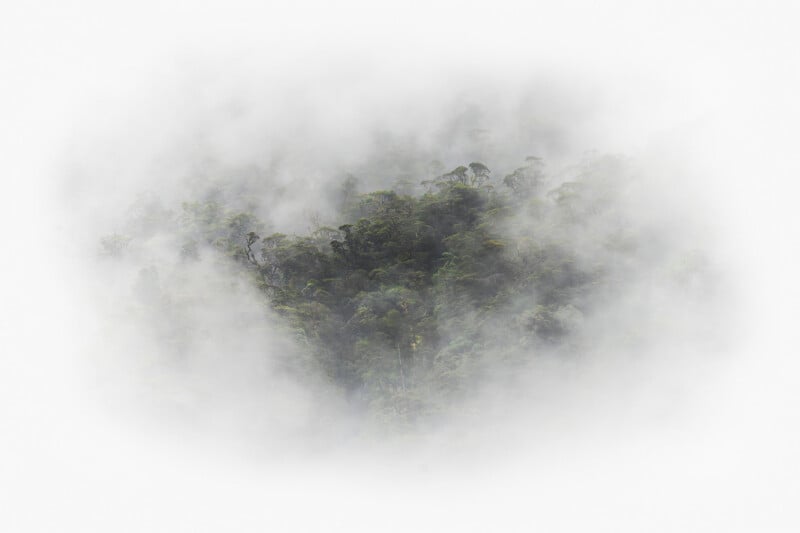
The success of Shainblum’s New Zealand project signals a broader trend in professional landscape photography: a move away from the "postcard" image. By documenting the "collapse of visibility"—the moments when fog swallows a mountain or rain turns a landscape into a flat plane of gray—Shainblum challenges the viewer to find beauty in the incomplete.
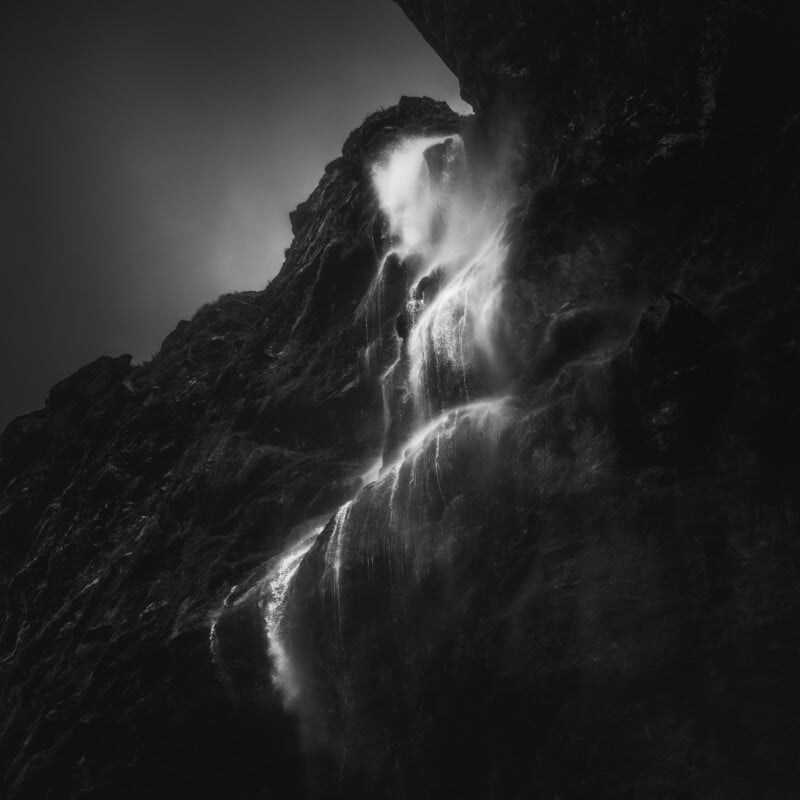
His work implies that the "best" photographs are not necessarily those that display the most vivid sunsets, but those that successfully capture the essence of a place’s character. For Fiordland, that character is defined by its unpredictability. By choosing to work within this uncertainty, Shainblum elevates the role of the photographer from a mere recorder of vistas to a curator of environmental events.
Looking Ahead: Expanding the Creative Horizon
Michael Shainblum’s journey does not end with this project. His commitment to exploration remains the cornerstone of his career. As he moves forward, he is increasingly interested in the intersection of time and nature.
New Frontiers: Macro and Time-Lapse
Shainblum has begun integrating macro photography into his portfolio, seeking out the minute, intricate details of the natural world that are often ignored in grand-scale landscape photography. Furthermore, he is leaning heavily into time-lapse development, viewing it as the natural evolution of his interest in how landscapes shift over extended periods.
Educational Mentorship
A crucial component of his future work involves teaching. Shainblum views his workshops not as a way to show students "how to take a photo," but as an opportunity to help others develop the creative confidence required to handle real-world, unpredictable conditions. Upcoming workshops are scheduled across diverse topographies, from the autumnal landscapes of Utah to the coastal regions of Oregon and even into South China.
Through these educational initiatives, Shainblum is effectively training a new generation of photographers to stop waiting for the "perfect day" and start looking for the "perfect moment" hidden within the chaos of the natural world.
Conclusion: The Endurance of the Image
The overarching lesson of Shainblum’s time in New Zealand is one of persistence. His images are not merely captured; they are earned through hours of standing in freezing water, enduring the rain, and patiently waiting for the landscape to reveal its secret architecture.
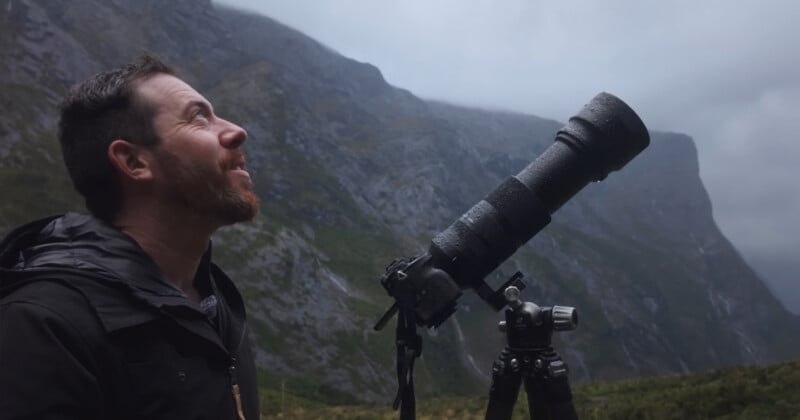
As he notes, "New Zealand really made me work for the shots that I was trying to get here." This commitment to the process—the willingness to be uncomfortable, the readiness to abandon a plan when the environment demands a pivot, and the eye to see beauty in the ephemeral—is what defines a modern master of the craft. Michael Shainblum’s work serves as a reminder that the landscape is not a static object to be possessed, but a living, breathing system that invites us to participate in its constant, beautiful transformation.
 Laily UPN
  Reynand Wu
  Lina Hope