
 By Dwi Wanna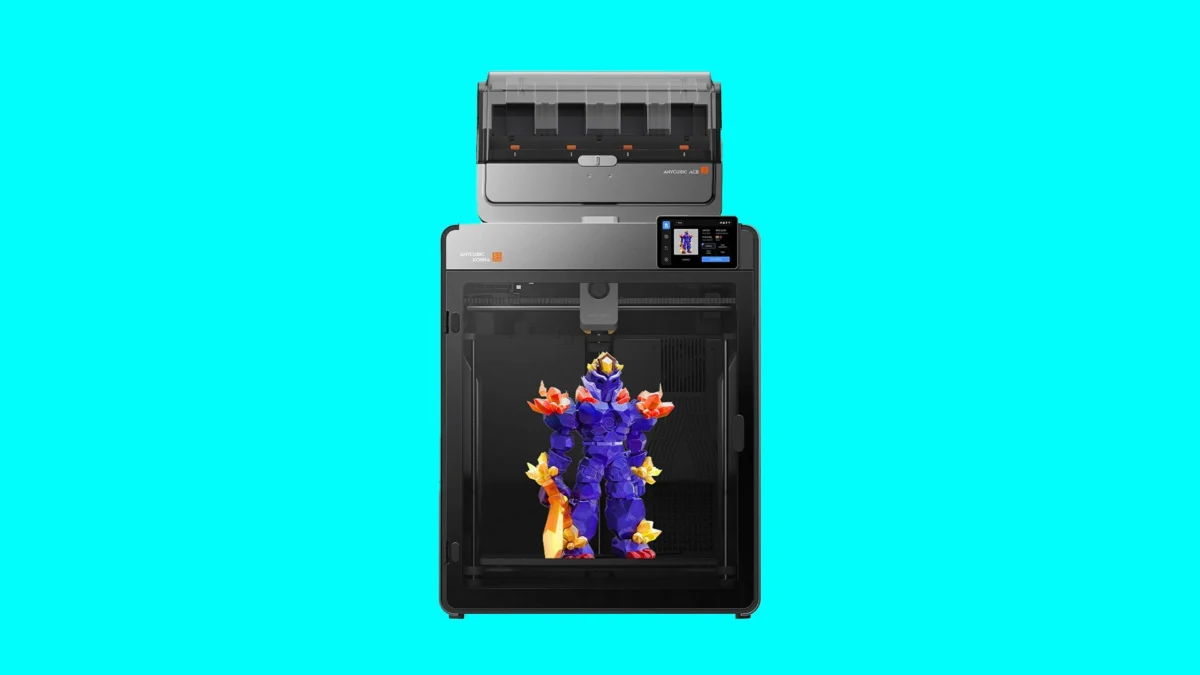
The landscape of additive manufacturing has shifted dramatically over the past decade. Once relegated to industrial prototyping labs and the domain of highly technical engineers, 3D printing has undergone a democratization process that has placed powerful fabrication tools into the hands of home hobbyists, independent designers, and small-scale entrepreneurs. At the forefront of this shift is Anycubic, a manufacturer that has spent the last eleven years carving out a significant market share by balancing performance with consumer-grade pricing.
As the company celebrates its 11th anniversary, it has launched a massive promotional campaign, featuring discounts of up to $500 on printer bundles. This move is not merely a celebratory sale; it represents a strategic effort to capture the growing interest in multi-material and high-speed printing, signaling a new phase in the consumer 3D printing lifecycle.
Main Facts: The Scope of the Anniversary Event
The Anycubic 11th Anniversary sale serves as a barometer for the current state of the consumer market. By offering substantial markdowns on flagship hardware, the company is attempting to lower the barrier to entry for prospective users while encouraging existing customers to upgrade their setups.
The headline offer of the event is the Kobra S1 ACE 2 Pro Combo, which is currently available at a $170 discount. This specific machine is designed for 16-color FDM (Fused Deposition Modeling) printing—a feature that was once prohibitively expensive for non-industrial users. By bringing high-fidelity color printing to the desktop level, Anycubic is directly addressing the demand for more vibrant, complex, and aesthetically sophisticated outputs.
Beyond the Kobra series, the sale encompasses a broad spectrum of equipment, including:
- Large-format FDM printers: Aimed at users who require higher build volumes for functional parts or large artistic models.
- Resin (SLA) Printers: Targeted at the tabletop gaming, jewelry, and dental prototyping communities, where high resolution is paramount.
- Consumables and Accessories: Discounts on high-quality filaments and photopolymer resins, which are essential for maintaining a consistent printing workflow.
In addition to direct price cuts, Anycubic has implemented a voucher-based loyalty program. By subscribing to their newsletter, users can access supplementary savings, a tactic designed to foster brand loyalty and direct communication with their consumer base.
Chronology: A Decade of Iteration
To understand the significance of this anniversary, one must look back at Anycubic’s trajectory. Founded in 2013, the company emerged during the "Gold Rush" era of desktop 3D printing.
- 2013–2016 (The Foundation): The company focused on establishing its reputation in the DIY kit market. During this time, the focus was on stability and mechanical reliability.
- 2017–2019 (The Resin Breakthrough): The introduction of the Photon series was a turning point. Anycubic was instrumental in making SLA (Stereolithography) printing affordable for home users, effectively ending the era of expensive proprietary resin systems.
- 2020–2022 (The Pandemic Boom): The global shift to remote work and home-based hobbies accelerated the demand for accessible fabrication. During this period, the Kobra series was introduced, marking the company’s pivot toward "out-of-the-box" readiness, reducing the time from unboxing to first print.
- 2023–2024 (The Smart Integration Era): The current generation, epitomized by the ACE 2 Pro, focuses on automation, high-speed throughput, and multi-color integration. This aligns with the industry-wide move toward "plug-and-play" functionality.
Supporting Data: Why Hardware Accessibility Matters
The rise of 3D printing is supported by significant market data. According to industry reports, the consumer 3D printing market has seen a compound annual growth rate (CAGR) of over 20% since 2020. This growth is driven by three key factors: lower hardware costs, improved software-hardware integration, and a massive surge in online repository content (such as Thingiverse and Printables).
The Kobra S1 ACE 2 Pro represents a critical data point in this growth. By integrating multi-color capabilities, Anycubic is addressing the "post-processing" bottleneck. Historically, users would print in a single color and rely on manual painting or time-consuming assembly to achieve multi-color designs. Automated color switching during the print cycle represents a massive leap in productivity for independent creators, potentially saving hours of labor per project.
Furthermore, the emphasis on bundles during this sale suggests a strategic shift toward "ecosystem selling." By bundling printers with materials and maintenance kits, Anycubic is effectively increasing the "stickiness" of their brand, ensuring that once a user starts their printing journey with an Anycubic machine, they are more likely to rely on the company’s specific material ecosystem for future projects.
Official Responses and Industry Positioning
While the company has not released a formal manifesto for their anniversary, the nature of their promotional activities speaks to their current philosophy: "Innovation through Accessibility."
In recent communications, Anycubic representatives have emphasized that the future of 3D printing lies in reducing the "technician" requirement of the user. In the early days, a printer operator needed to be a hobbyist engineer—someone comfortable with soldering irons, firmware flashing, and bed leveling. The current generation of Anycubic hardware, however, is marketed toward the "pro-creator"—an individual who may have design expertise but limited interest in the mechanical upkeep of the printer.
Industry analysts observe that this anniversary sale is also a tactical response to heightened competition. Brands such as Bambu Lab and Creality have pushed the envelope regarding speed and ease of use. By launching this sale, Anycubic is reinforcing its position as a value-driven leader, reminding the market that they remain a top-tier choice for those who demand performance without the premium price tag often associated with luxury-tier machines.
Implications: The Future of Desktop Fabrication
The long-term implications of this sale are twofold: market saturation and the normalization of advanced printing features.
1. Market Saturation and Consumer Choice
As hardware becomes more affordable, the market is becoming increasingly saturated. For the consumer, this is an unequivocal win. However, it also creates a challenge: how does a manufacturer stand out when technical specifications are becoming standardized? The answer, as evidenced by this anniversary event, is through the expansion of features like multi-color printing and the simplification of the user interface.
2. The Shift to "Pro-Creator" Workflows
The inclusion of high-performance machines in discount bundles suggests that the distinction between "hobbyist" and "professional" is eroding. As tools become more capable, the "pro-creator"—a user who uses 3D printing to supplement a design business, create custom prototypes, or produce small-batch inventory—is becoming the primary target demographic. This is a significant shift from the early days of 3D printing, which were dominated by enthusiasts who printed mostly for the sake of printing.
3. Sustainability and Maintenance
A critical aspect of the current 3D printing landscape is the environmental footprint. Anycubic’s move to bundle materials and supplies is a reminder that 3D printing is a consumables-heavy pursuit. By incentivizing the purchase of high-quality filaments and resins, the company is also implicitly encouraging better printing results, which leads to less waste—a vital consideration for the long-term sustainability of the home-printing movement.
Conclusion: A Milestone for the Maker Community
The Anycubic 11th Anniversary sale is more than just a temporary reduction in prices; it is a snapshot of an industry that has matured. Over the past decade, we have moved from experimental, unreliable kits to sophisticated, high-speed machines that can produce multi-color, professional-grade parts with minimal intervention.
For those standing on the sidelines of the 3D printing world, or for the seasoned maker looking to upgrade their fleet, the current promotional landscape offers an ideal entry point. As these tools continue to evolve, the ability to turn digital concepts into physical reality is becoming increasingly ubiquitous, empowering a new generation of creators to build, iterate, and innovate at a speed previously reserved for industrial giants.
As Anycubic moves into its twelfth year, the focus remains clear: bringing the factory floor to the desk. Whether this translates into further price drops or even more integrated smart features, the trajectory is clear—the future of creation is additive, and it is becoming more accessible by the day.
 Asro
Asro  Suro Senen
  Laily UPN