
 By Evan Lee Salim
By Chloe West
For millions of aspiring content creators around the globe, YouTube remains the ultimate digital frontier—a place where a webcam, a compelling idea, and an internet connection can transform into a global audience and a lucrative career. Yet, despite the platform’s cultural ubiquity, the mechanics of how money actually flows from corporate advertising budgets into a creator’s bank account remain shrouded in misconception.

The most persistent myth in the creator economy is that YouTube operates on a straightforward "pay-per-view" model. New creators often assume that if a video hits 10,000 views, a fixed dollar amount automatically lands in their account. The reality is far more nuanced. YouTube does not pay for video views; it pays for ad views. Understanding this fundamental distinction is the first step toward building a sustainable, predictable income stream on the platform.
Main Facts: The Anatomy of YouTube Ad Revenue
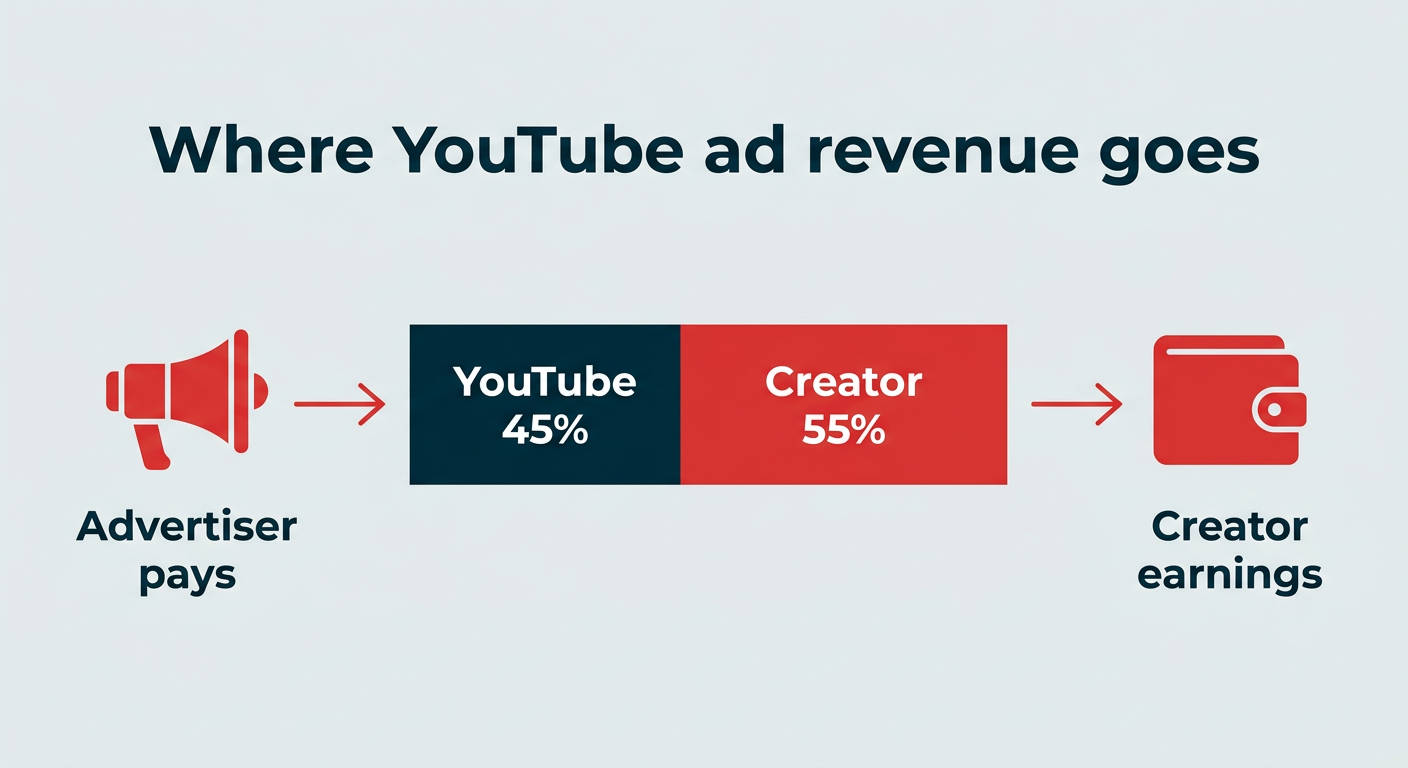
At its core, YouTube’s monetization framework is a revenue-sharing partnership between the platform and the creator. When an advertiser buys ad space on YouTube, the platform collects the payment, keeps a 45% cut to maintain and operate the infrastructure, and distributes the remaining 55% to the creator.

Since launching this model, YouTube has paid out over $100 billion to creators, artists, and media companies. However, a creator’s gross take-home pay depends entirely on whether an ad is actually served and consumed during a video’s playback.
- Zero Ads = Zero Pay: A video can accumulate one million views, but if it features no advertisements—due to copyright claims, lack of monetization setup, or ad-blocker usage—the creator earns nothing from ad revenue.
- The Ad-View Discrepancy: Conversely, a single video can generate more ad views than total video views if multiple ad breaks (mid-rolls) run successfully throughout a longer piece of content and viewers watch them to completion.
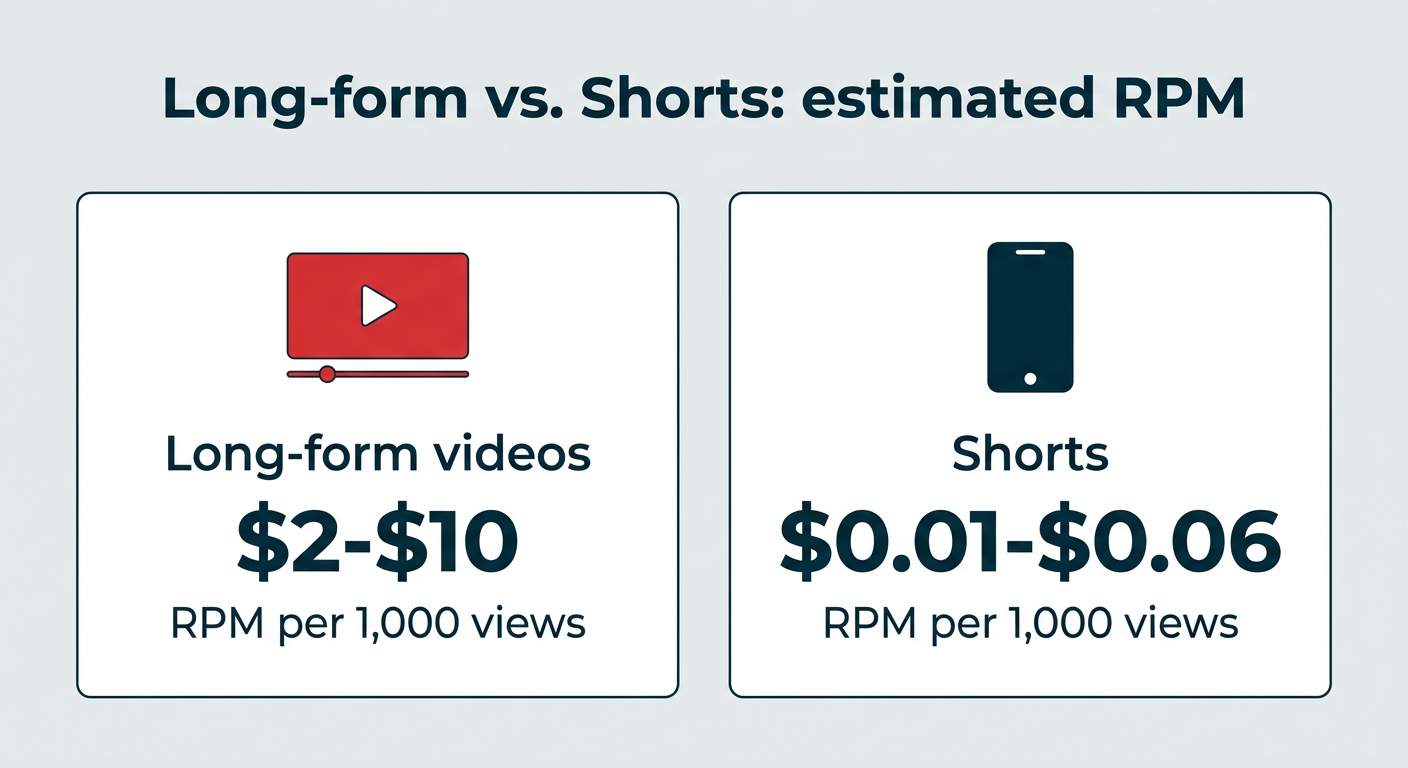
- The Industry Benchmark: In 2026, industry benchmarks indicate that a YouTuber can typically earn an estimated $5 to $15 per 1,000 ad views. Because not every video view triggers an ad, the actual earnings per 1,000 total video views (known as RPM) generally land lower, averaging between $2 and $10.
Chronology and Evolution of the YouTube Partner Program (YPP)
To understand how creators access these funds, it is necessary to look at how YouTube’s monetization gateway has evolved. In the platform’s early days, earning ad revenue was virtually inaccessible to everyday users. Over the years, Google formalized the process by establishing the YouTube Partner Program (YPP), creating a standardized vetting system to ensure brand safety and content quality.
Phase 1: The Early Thresholds
For many years, the baseline requirement to apply for the YPP was straightforward: 1,000 subscribers and 4,000 public watch hours accumulated over a 12-month period. This dual requirement acted as a filter, ensuring that only dedicated creators with engaged audiences could tap into the platform’s ad pool.
Phase 2: The Shorts Revolution and Tiered Eligibility
As short-form video consumption exploded across the digital landscape, YouTube introduced the YouTube Shorts monetization model. Recognizing that short-form metrics differ vastly from traditional long-form watch time, YouTube expanded eligibility paths. Today, creators can qualify for the YPP through two distinct routes:
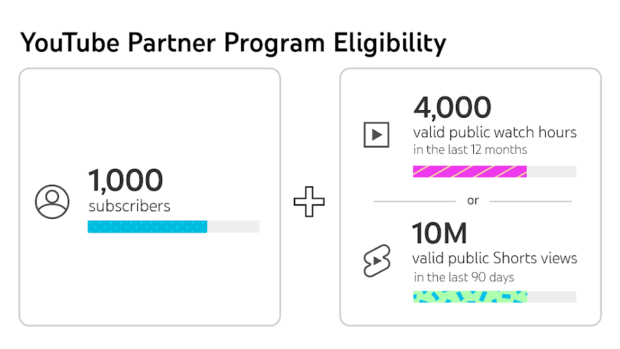
- The Long-Form Path: 1,000 subscribers and 4,000 qualified public watch hours within the last 12 months.
- The Shorts Path: 1,000 subscribers and 10 million qualified public Shorts views within the last 90 days.
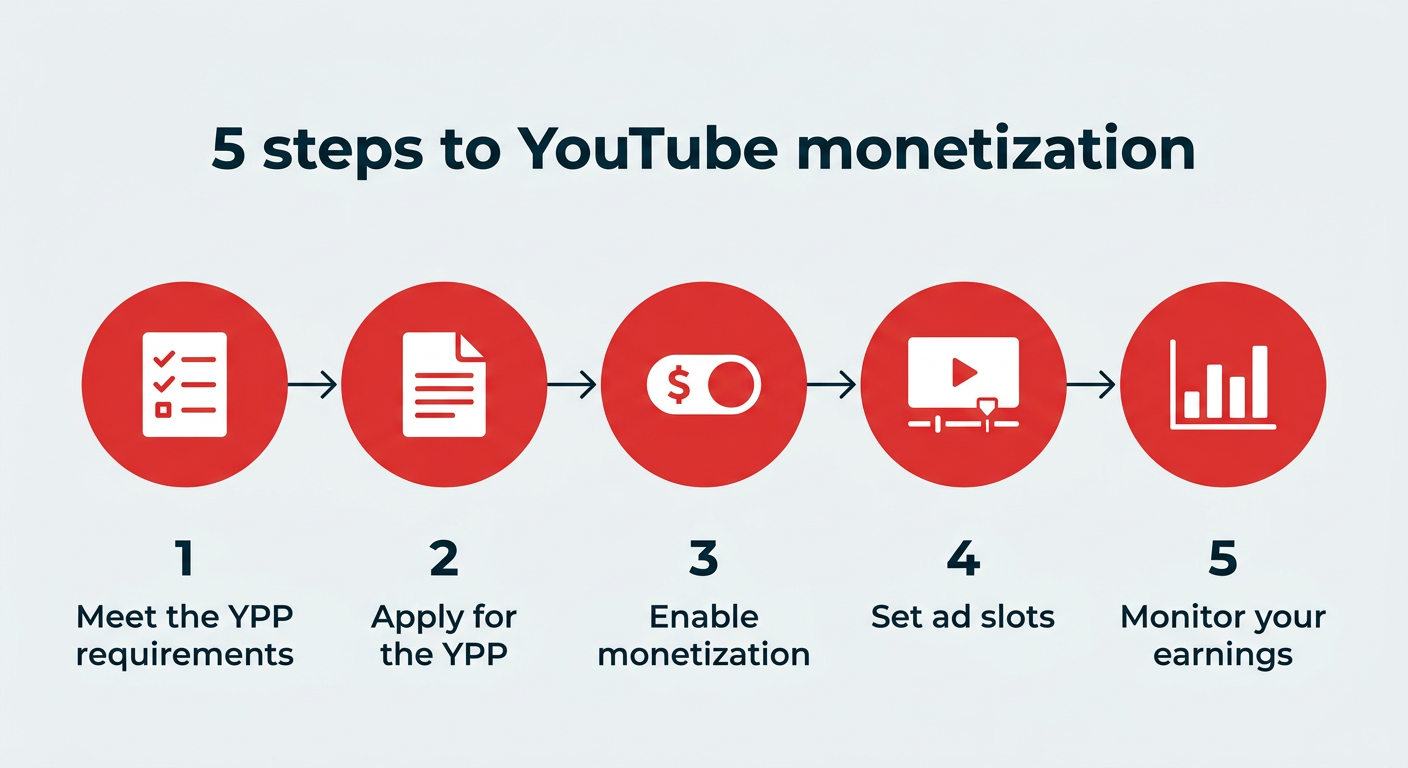
Once these thresholds are met, creators submit an application through YouTube Studio, link an active Google AdSense account, and enter a review queue that typically takes about one month to process.
Supporting Data: Decoding CPM, RPM, and CPC
To evaluate financial performance accurately, creators must master three core metrics found within YouTube Analytics: CPM, RPM, and CPC. Conflating these terms is the fastest route to financial miscalculation.
| Metric | What it measures | Who it describes | Where you see it |
|---|---|---|---|
| CPM (Cost Per Mille) | What advertisers pay per 1,000 ad impressions | The advertiser’s cost | YouTube Studio ("CPM") |
| RPM (Revenue Per Mille) | What you earn per 1,000 video views, after YouTube’s 45% cut | Your take-home revenue | YouTube Studio ("RPM") |
| CPC (Cost Per Click) | What advertisers pay when someone clicks an ad | The advertiser’s cost | Reflected in estimated revenue |
Estimating Earnings at Scale
Based on an average ad view rate of 50% to 65% and estimated payouts of $5 to $15 per 1,000 ad views, estimated earnings scale across milestones as follows:
- 1,000 Total Views: 500–650 ad views = $2.50 – $9.75
- 10,000 Total Views: 5,000–6,500 ad views = $25.00 – $97.50
- 50,000 Total Views: 25,000–32,500 ad views = $125.00 – $487.50
- 100,000 Total Views: 50,000–65,000 ad views = $250.00 – $975.00
- 1,000,000 Total Views: 500,000–650,000 ad views = $2,500.00 – $9,750.00
Note: These figures are industry estimates, not guaranteed rates. Actual payouts fluctuate based on content niche, geographical audience distribution, and seasonal advertising trends.
Official Responses and Key Factors Impacting Earnings
Google and YouTube maintain that creator earnings are a direct reflection of market demand. According to official support documentation, nine primary factors dictate why two videos with identical view counts can yield vastly different financial results:
- Content Niche: Advertisers spend significantly more to reach specific audiences. High-CPM niches—such as personal finance, software, and business—frequently command much higher ad rates than general lifestyle or gaming content.
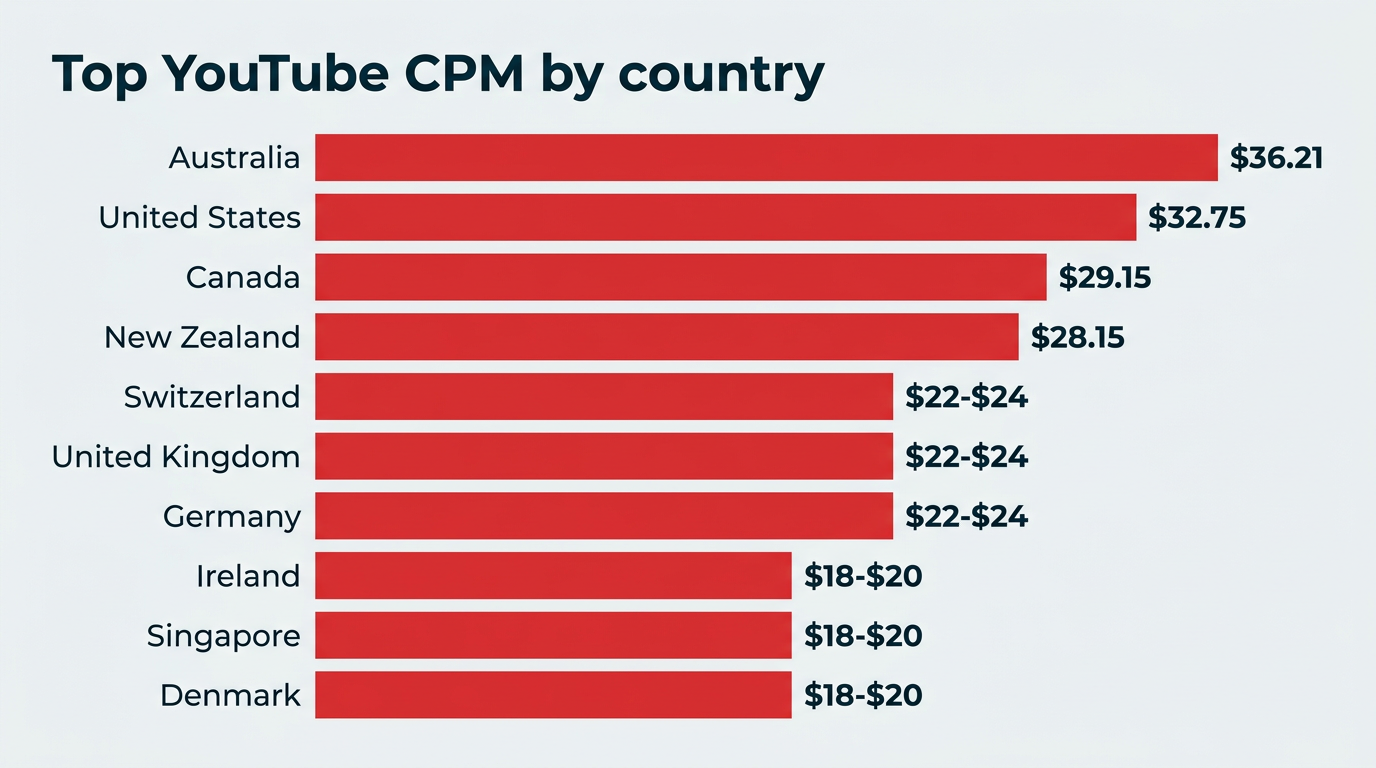
- Audience Location: Geographical demographics heavily skew CPM rates. Audiences streaming from regions with robust digital ad markets, such as the United States, Australia, Canada, and Western Europe, generate higher payouts than those in developing digital economies.
- Ad Type and Placement: Non-skippable ads and targeted mid-roll placements yield higher revenues than standard skippable pre-roll formats.
- Video Length: Videos exceeding eight minutes unlock the ability to insert manual mid-roll ad breaks, multiplying earning potential per viewer session.
- Watch Time: Higher retention ensures viewers stay through multiple ad breaks.
- Ad Clicks (CPC): Viewer interaction with interactive ad overlays increases advertiser spend, translating to higher revenue shares.
- YouTube Premium Viewers: Creators are compensated based on watch time generated by subscribers of YouTube Premium, who consume content ad-free.
- Seasonal Trends: Ad spend peaks heavily in the fourth quarter (Q4) due to holiday retail campaigns, followed by a sharp normalization dip in January and February.
- Invalid Views: Ad views driven by automated traffic, ad blockers, or policy violations are scrubbed and yield zero income.
Implications for the Modern Creator Economy
The structural realities of YouTube monetization carry profound implications for anyone attempting to build a sustainable digital enterprise.

First, relying solely on ad revenue is a high-risk strategy. While a video with one million views can comfortably net several thousand dollars, ad rates are volatile and subject to macroeconomic shifts. Consequently, successful creators aggressively diversify their revenue streams. They layer in platform-native features like Channel Memberships, Super Chats, and Super Thanks during live streams, alongside off-platform income sources such as brand sponsorships, merchandise sales, and affiliate marketing.
Second, the stark earnings disparity between long-form video and YouTube Shorts—where creators report an estimated RPM of $0.01 to $0.06 per 1,000 views—redefines content strategy. While Shorts serve as a powerful top-of-funnel discovery tool capable of generating hundreds of billions of views and rapid subscriber acquisition, long-form content remains the true engine of ad-driven financial sustainability.
Ultimately, mastering YouTube monetization requires treating the platform not just as a creative outlet, but as a sophisticated media business. By understanding how ad auctions work, optimizing for high-value niches, and strategically structuring content length and pacing, creators can transform raw view counts into predictable, long-term revenue.
 Jia Lissa
  Suro Senen
  Nana Wu