
 By Asro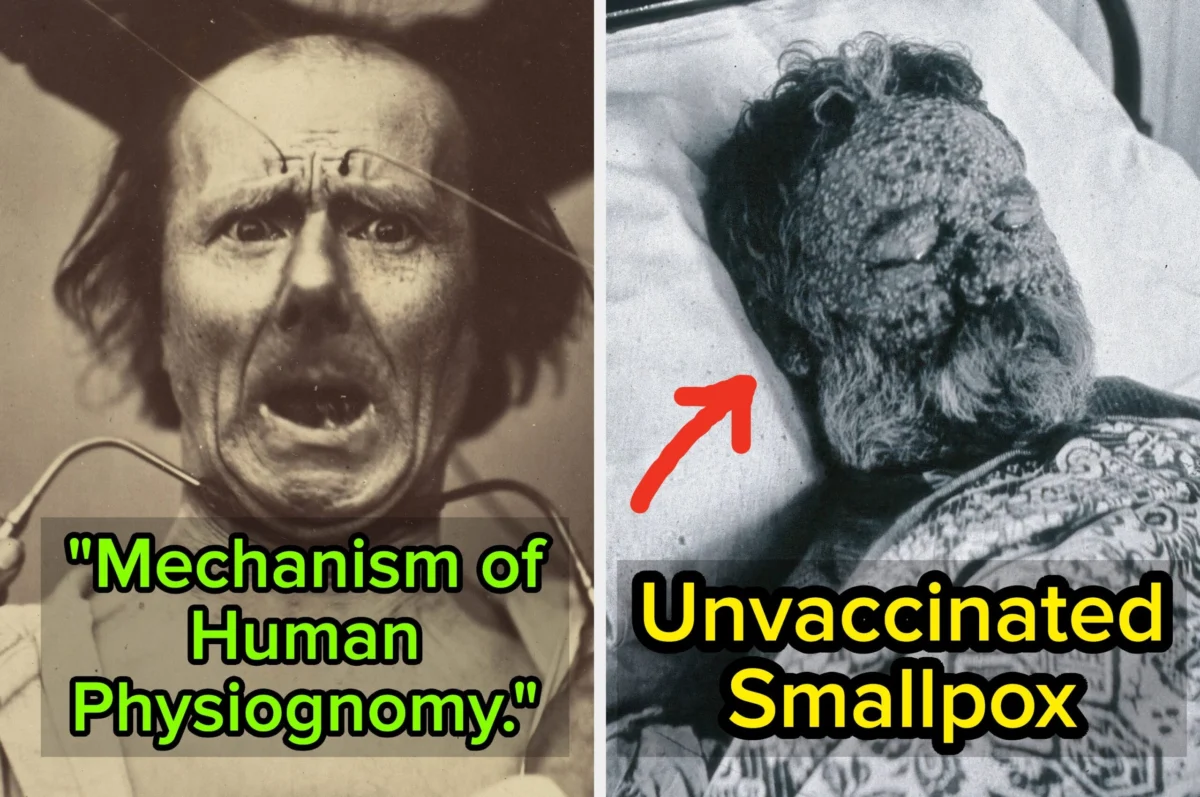
As modern patients step into contemporary healthcare facilities—surrounded by sterile environments, non-invasive imaging systems, and digital records—it is easy to take for granted the staggering trajectory of medical innovation. Today’s hospitals are designed for comfort, precision, and psychological safety. However, a glance backward reveals an entirely different reality: a landscape of trial and error, rudimentary instrumentation, and experimental treatments that often blurred the line between healing and horror.
A curated collection of historical medical photographs spanning the mid-19th to the mid-20th centuries offers a sobering reminder of how far medicine has evolved. From the early days of antiseptic uncertainty to the dark corridors of early psychiatric institutions, these archival glimpses highlight the profound courage—and sometimes the profound suffering—of patients who came before us.
Main Facts: The Paradigm Shift in Modern Healthcare
The transition from 19th-century medicine to contemporary healthcare represents one of the most significant intellectual and technological leaps in human history. Several fundamental shifts define this evolution:
- The Germ Theory Revolution: Before the widespread adoption of Louis Pasteur’s germ theory and Joseph Lister’s antiseptic techniques in the late 19th century, surgeries were performed without sterile instruments, clean gloves, or sanitized operating theaters. In fact, archival photographs from 1900 show Parisian operating spaces devoid of modern tech, where sanitation protocols were rudimentary at best. Practices like recycling and sterilizing rubber surgical gloves—common as late as the 1930s—stand in stark contrast to today’s single-use, disposable standards.
- From Coercion to Compassion in Psychiatry: Early psychiatric care was characterized by extreme physical restraints and unscientific assumptions. Devices such as the "tranquilizing chair," invented in 1810 by Dr. Benjamin Rush (often called the father of American psychiatry), were designed to restrict movement and reduce blood flow to the brain. Over the decades, these punitive measures have been replaced by evidence-based psychopharmacology, psychotherapy, and human rights-centered care.
- Technological Lifelines: The invention of mechanical life-support systems revolutionized critical care. Technologies like the "iron lung"—a negative-pressure ventilator used extensively during the 20th-century polio epidemics—saved countless lives, particularly children and young adults afflicted with infantile paralysis. These bulky respirators have since been replaced by sophisticated, portable mechanical ventilators.
Chronology of Medical Evolution: A History of Trial and Innovation
To understand how modern medicine reached its current standard of care, it is essential to examine the chronological progression of surgical, psychiatric, and therapeutic milestones.
The 19th Century: Mechanics, Physiognomy, and Pseudoscience
- 1850s (Physiognomic Studies): Early researchers attempted to systematically link psychological characteristics and behavioral traits with facial features and body structure through methods like the "Mechanism of Human Physiognomy." Modern science has since completely discredited physiognomy as a pseudoscience.
- 1865–1869 (Early Surgical and Restraint Practices): Archival records from this era capture invasive procedures—such as complex eye surgeries involving the displacement of the iris—alongside harsh institutional restraints. Psychiatric patients were often subjected to isolation and mechanical bindings that prioritized containment over treatment.
- 1890s (Medical Education and Pathology): Medical education in the late 19th century often involved direct study of unpreserved or preserved human remains, with institutional archives containing group photographs of medical students posing alongside human anatomy and pathological specimens. During this period, infectious diseases like smallpox ravaged populations; graphic photographs of unvaccinated patients, such as smallpox survivor George Steel in 1896, served as stark visual warnings of the necessity of immunization.
The Early-to-Mid 20th Century: Radical Therapies and Epidemic Responses
- 1918–1920 (The Spanish Flu Pandemic): As the deadly influenza pandemic swept the globe, claiming an estimated 50 to 100 million lives, early public health measures relied heavily on rudimentary fabric face masks and quarantine protocols.
- 1930s (Unconventional and Outdoor Therapeutics): Tuberculosis treatments frequently involved extreme environmental exposure, with patients lying on iron beds outdoors in freezing winter conditions at specialized sanitariums. Concurrently, psychiatric facilities experimented with hydrotherapy, ranging from therapeutic baths to aggressive immersion techniques historically used to manage unruly patients.
- 1940s (Surgical Extremes and Polio Crisis): The 1940s marked both a peak and a turning point for radical surgical interventions. Lobotomies—performed by drilling into the skull or inserting ice-pick-like instruments beneath the eyelid to sever frontal lobe connections—were widely practiced before being rendered obsolete by modern neuropharmacology. Meanwhile, the polio epidemic forced widespread reliance on iron lungs and early oxygen tents, while neonatal care began taking tentative steps toward modern incubators.
Supporting Data: The Scale of Historical Disease and Treatment
The urgency behind historical medical developments is underscored by epidemiological data and the sheer scale of public health crises:
- Global Mortality: The Spanish Flu of 1918 wiped out roughly 2% to 5% of the global human population, highlighting the limitations of early 20th-century virology and immunology.
- Surgical and Obstetric Risks: Archival medical illustrations from the early 1900s document high-risk obstetric procedures, such as the manual extraction of fetal remains or the twisting of placental membranes, which carried severe risks of hemorrhage and infection prior to the advent of modern cesarean sections and blood typing.
- Diagnostic Limitations: Conditions like congenital birth defects, neurological disorders, and developmental anomalies were frequently misunderstood. Patients displaying physical abnormalities were routinely committed to psychiatric institutions, reflecting a historical tendency to conflate physical pathology with mental illness.
Official Responses and Institutional Reform
As medical science matured, professional organizations, governmental bodies, and international health agencies stepped in to regulate practice, ethics, and patient safety.
- Ethical Standards in Human Research: The establishment of institutional review boards (IRBs) and the enforcement of codes like the Declaration of Helsinki fundamentally transformed how clinical trials and medical photography are handled, ensuring informed consent and patient dignity.
- Modernization of Psychiatric Care: Throughout the latter half of the 20th century, mental health advocacy groups and psychiatric associations campaigned successfully to abolish mechanical restraints, shut down abusive asylum systems, and transition toward community-based psychiatric treatment.
- Public Health Infrastructure: The rise of agencies such as the World Health Organization (WHO) and the Centers for Disease Control and Prevention (CDC) created standardized protocols for vaccine distribution, epidemic containment, and hospital sanitation, effectively eliminating practices like recycled rubber gloves and unsterilized operating tools.
Implications for Contemporary Medicine
Reflecting on these historical photographs offers more than just a morbid curiosity; it provides vital lessons for the future of healthcare.
- Humility in Scientific Consensus: Practices once championed by leading physicians—such as lobotomies, physiognomy, and extreme cold-air therapies—are viewed today with horror. This serves as a reminder for contemporary researchers to maintain scientific skepticism and continuously test established dogmas.
- The Imperative of Patient Dignity: The evolution from institutional cages and tranquilizing chairs to trauma-informed, patient-centric care underscores the principle that medical treatment must always respect human rights and emotional well-being.
- Persistent Disparities: Despite immense technological progress in fields like nephrology (marked by the invention of early home dialysis machines in the mid-20th century) and neonatology, modern healthcare still faces systemic challenges. Issues such as maternal care deserts and unequal access to universal healthcare demonstrate that technological innovation must be matched by structural reform to ensure equitable outcomes for all patients.
As medicine marches toward the future, the ghosts of yesterday’s operating rooms remind us of the immense dedication required to alleviate human suffering—and the eternal responsibility to do no harm.
 Lina Hope
  Azzam Bilal Chamdy
  Nana Wu