
 By Azzam Bilal Chamdy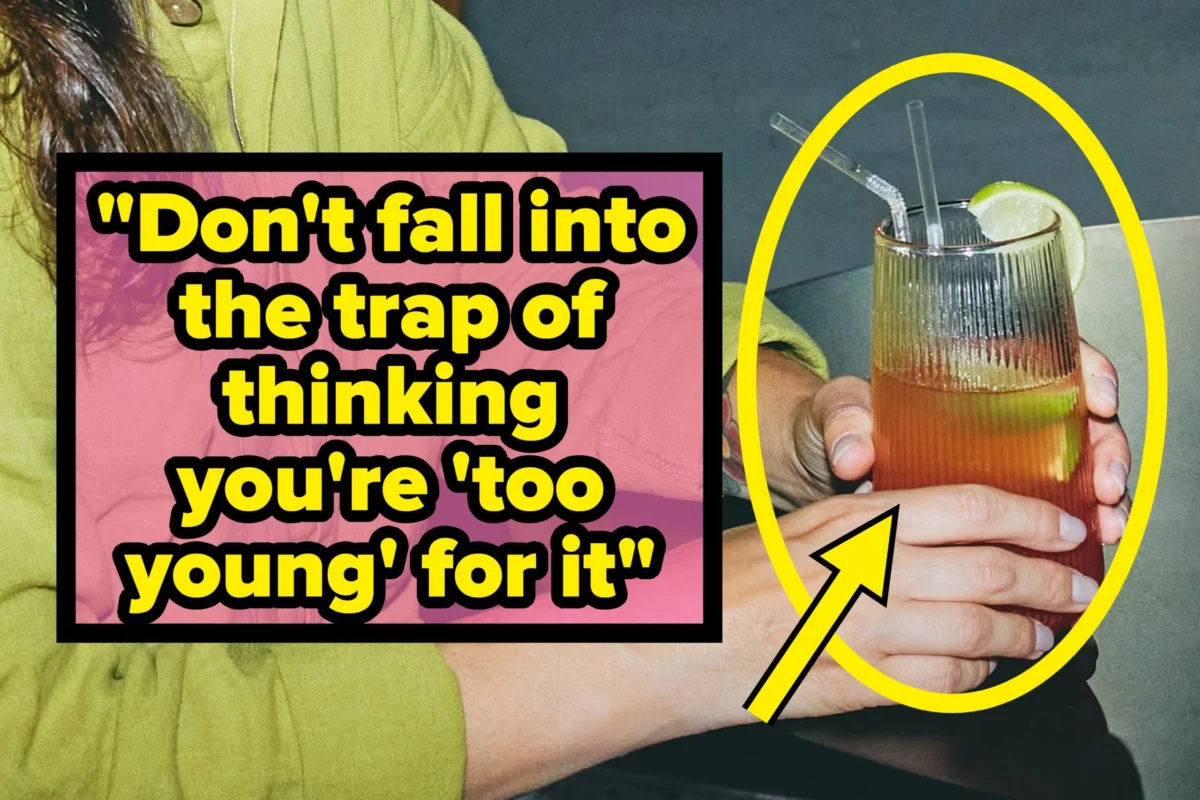
September 27, 2026 — If a night out is starting to lead to a night in much quicker than it used to, or if social drinking has lost its appeal because a single glass of wine leaves you fighting heavy eyelids instead of enjoying the evening, you are far from alone. Across generations, adults often reach a point where alcohol stops feeling like a social lubricant and starts acting like an immediate sedative.
While it is easy to chalk this up to a busy lifestyle or simply getting older, addiction experts and medical professionals emphasize that there is a precise, undeniable scientific reason behind this shift. As our bodies mature and age, the physiological processing of ethanol changes dramatically. Understanding these mechanisms reveals why a nightcap no longer serves you the way it used to—and why the consequences of drinking extend far beyond a standard morning-after headache.
Main Facts: The Central Nervous System and Body Composition
At the core of why alcohol causes profound fatigue as we age lies a combination of neurological sensitivity and shifting body composition.
Alcohol is fundamentally a central nervous system depressant. As the human brain ages, it naturally becomes more sensitive to these sedating properties. Dr. Urvi Natha, a licensed clinical psychologist with Oro Recovery and founder of Shanti Recovery and Wellness, explains that the aging brain reacts with heightened intensity to the chemical slowdown induced by ethanol.
Compounding this neurological shift are structural changes within the physical body. Dr. Amy Swift, a psychiatrist and deputy medical officer at Silver Hill Hospital, points out that human body composition changes steadily over time. "As we age, lean body mass and total body water decrease, leaving less volume in which alcohol can distribute," Dr. Swift notes.
Because alcohol is water-soluble, a smaller volume of body water means that the concentration of alcohol in the bloodstream spikes higher and faster than it would in a younger, more muscular body. Essentially, the same amount of alcohol packs a much heavier physiological punch.
Chronology of Physical Decline: When Does the Shift Begin?
Many people assume these physiological changes only affect adults well into their golden years. However, medical data shows that the physical framework for these changes begins remarkably early in life.
"Starting around age 30, we lose about 3% to 8% of our lean muscle mass each decade," says Dr. James Sherer, an addiction psychiatrist and network medical director at Hackensack Meridian Health Addiction Service. "Fat tissue then replaces the lost muscle mass." Because fat tissue holds significantly less water than muscle, this gradual replacement further reduces the body’s overall water volume, setting the stage for faster intoxication and intensified sedation.
According to clinical observations, these shifts manifest across distinct life stages:
- Mid-30s to 40s: This is typically when people first notice that alcohol "goes to their head" much more quickly. For middle-aged adults, drinking often triggers immediate sleepiness, while lingering fatigue from disrupted sleep patterns bleeds deep into the workweek. This is the birthplace of the infamous "two-day hangover."
- 50s to 60s: Physiological recovery slows significantly. What used to take a morning to bounce back from now requires an entire weekend of rest, accompanied by lower energy levels, mood disruptions, and reduced cognitive resilience.
- 60s, 70s, and Beyond: In older age brackets, alcohol functions heavily as a potent sedative. The aging body simply cannot process alcohol safely or efficiently, leading to immediate impacts on balance, blood pressure, and overall medical stability.
Supporting Data and the Myth of "Restful" Sleep
One of the greatest misconceptions about feeling tired after drinking is the belief that alcohol helps you catch up on sleep. While a glass of wine or a nightcap might help someone drop off to sleep quickly—a metric known medically as sleep latency—it wreaks absolute havoc on sleep architecture.
"While alcohol might make you pass out, it destroys sleep quality by blocking REM [rapid eye movement] and deep restorative sleep," Dr. Sherer explains. Because natural sleep architecture already becomes lighter, more fragmented, and less efficient as we age, introducing alcohol guarantees a compounding deficit. The result is an individual waking up exhausted, irritable, and physically drained, despite logging a full eight hours in bed.
Medical experts draw a hard line between unconsciousness and true, restorative sleep. Dr. Lucas Trautman, an addiction psychiatrist with the American Addiction Center, frequently hears patients report that they slept for seven or eight hours after drinking, yet wake up completely depleted. "Alcohol may facilitate unconsciousness, but unconsciousness and healthy sleep are not physiologically equivalent," Dr. Trautman notes.
Furthermore, fragmented sleep—frequently referred to in modern health discussions as "junk sleep"—is not merely uncomfortable; extensive medical research links chronic sleep disruption to dozens of systemic health complications and diseases.
Official Responses and Clinical Perspectives
Medical professionals across the addiction and psychiatric fields agree that public perception of alcohol tolerance lags far behind clinical reality. As societal drinking habits often remain consistent across decades, the physical capacity to metabolize alcohol diminishes at a compounding rate.
"While our drinking habits may stay the same, as we age, their impact on our bodies grows more profound," Dr. Natha states.
Furthermore, older populations face unique compounding factors. The introduction of prescription medications, age-related sleep disorders like sleep apnea, and underlying chronic health conditions interact unpredictably with ethanol. "Medications, sleep apnea and other medical conditions can compound the problem," Dr. Trautman warns, noting that older individuals face severe risks regarding balance, delayed reaction times, and cognitive impairment.
The divergence in how bodies handle alcohol is also starkly visible in clinical settings. "In addiction treatment, this contrast can be striking," Dr. Swift observes. "A 20-year-old drinking 10 beers daily may show little evidence of withdrawal, while a 60-year-old drinking a bottle of wine each day may require medically supervised withdrawal management."
Implications: Challenging the "Too Young" Fallacy
While the physical annoyance of a two-day hangover or early-evening exhaustion might deter some people from drinking, medical experts emphasize that the implications of alcohol use span much deeper than mere fatigue—and they are not restricted to older adults.
Dr. Trautman cautions against the assumption that severe alcohol-related harm is reserved for retirement age. "I have seen severe consequences of alcohol use disorder in people who are remarkably young," he shares. "I have treated patients in their mid-30s who already had liver failure and other advanced medical complications related to alcohol. That clinical reality challenges the idea that serious alcohol-related disease develops only in old age or only after many decades of drinking."
Even for younger adults who can power through a night of disrupted sleep and dehydration with relative functional ease, the biological cost remains high. A younger body may mask the symptoms better, but the underlying cellular stress, neurochemical disruption, and systemic inflammation are still occurring.
Ultimately, the science is clear: as the human body changes, its tolerance and processing mechanisms for alcohol decline. Recognizing that biological shift can help individuals make informed choices about their health, wellness, and relationship with alcohol, proving that sometimes, the best night out is the one where you listen to what your body is trying to tell you.
Need help with substance use disorder or mental health issues? In the U.S., call 800-662-HELP (4357) for the SAMHSA National Helpline.
 Lina Hope
  Asro
Asro  Nana Wu