
 By Nana Wu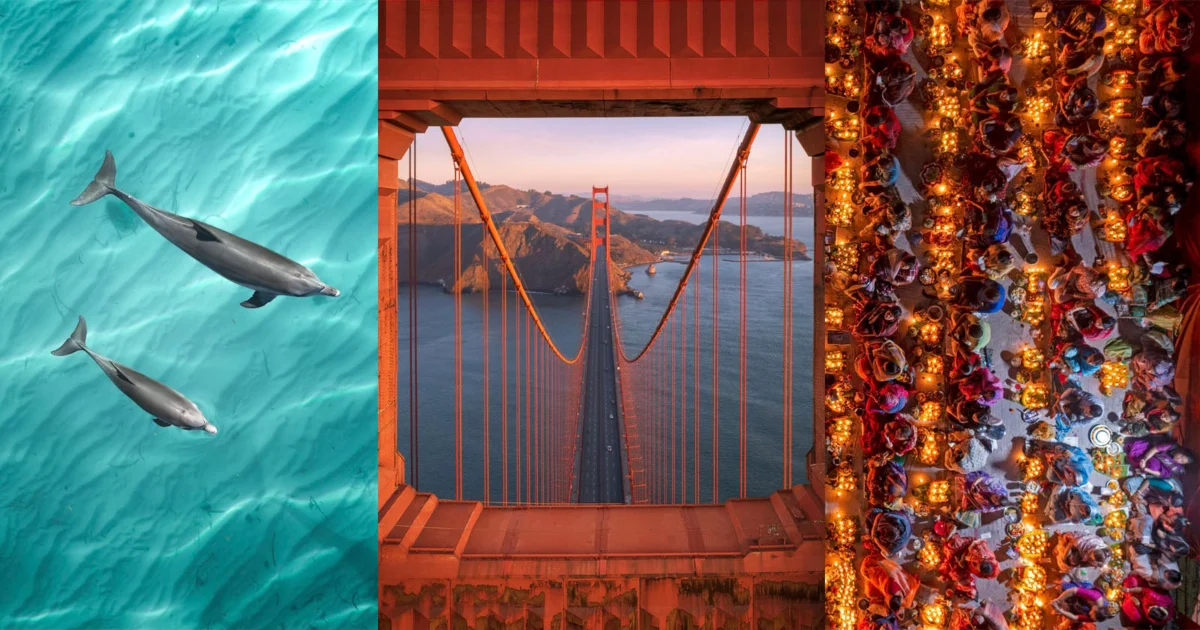
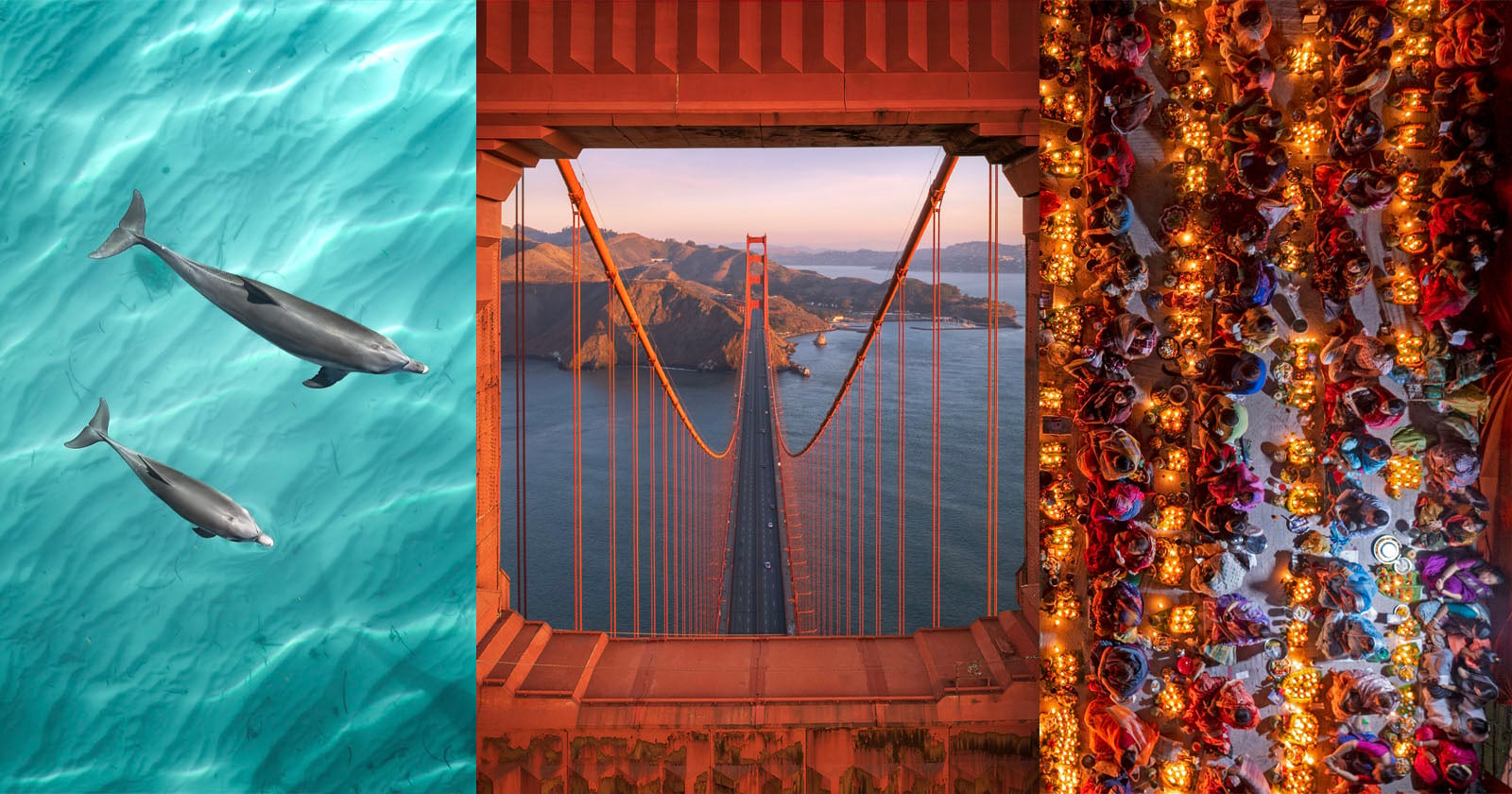
The discipline of photography has always been defined by the pursuit of a unique vantage point. Whether it is the macro-lens capturing the intricate veins of a leaf or the telephoto lens compressing the horizon of a distant mountain range, the goal remains consistent: to reveal a world that the human eye often overlooks. In the second iteration of the International Aerial Photographer of the Year (IAPOTY) awards, that pursuit has literally and figuratively taken flight, with Bangladeshi photographer Azim Khan Ronnie ascending to the top of a field of 1,587 global competitors.
The Ascent: A New Standard for Aerial Imagery
The IAPOTY competition, which has quickly established itself as a premier showcase for drone and high-altitude photography, concluded its latest search for excellence this month. The grand prize—the title of "Photographer of the Year"—was awarded to Azim Khan Ronnie, whose submission of a four-image portfolio demonstrated not only technical mastery of drone hardware but a profound ability to document the human and natural condition from the clouds.
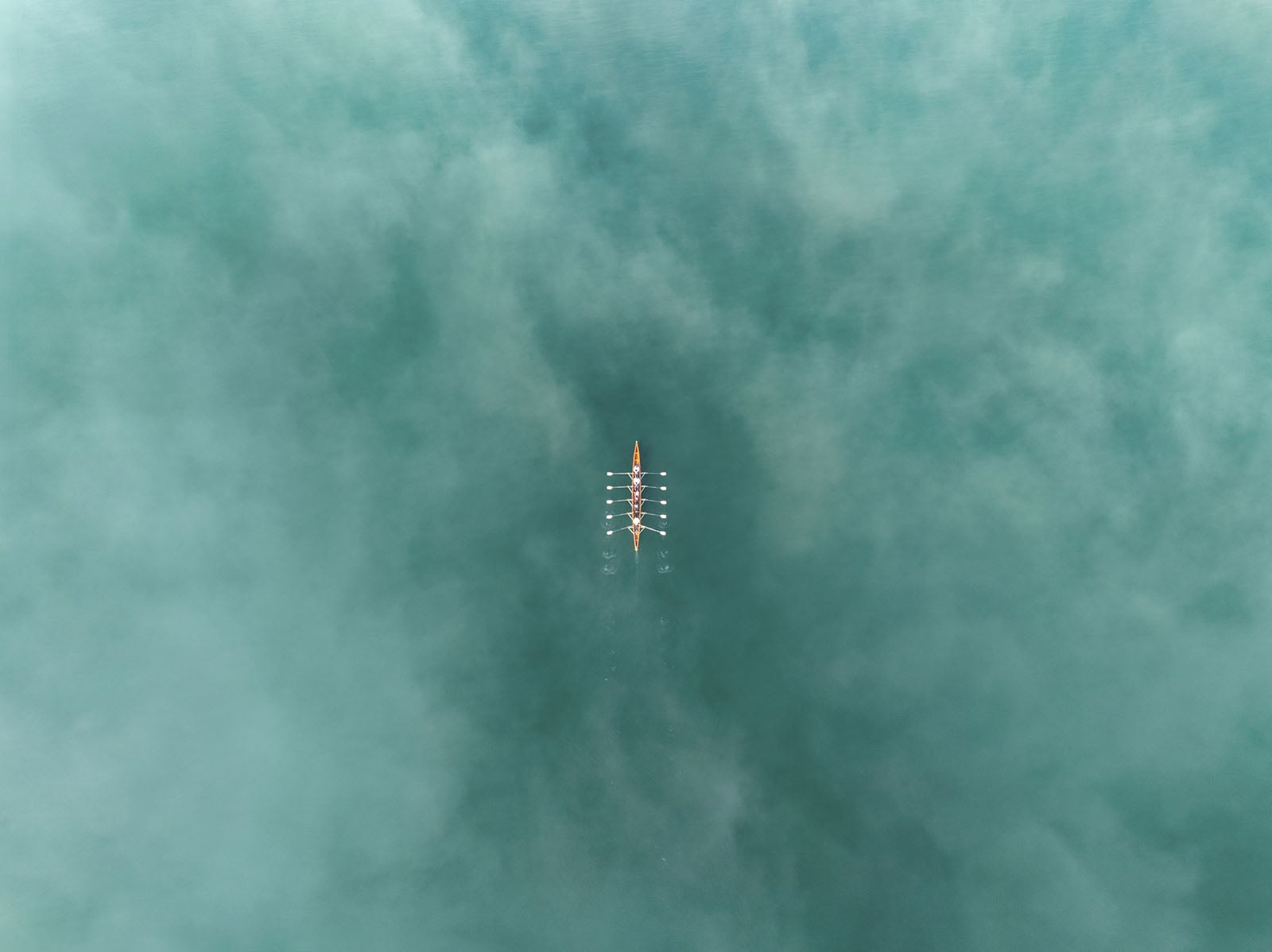
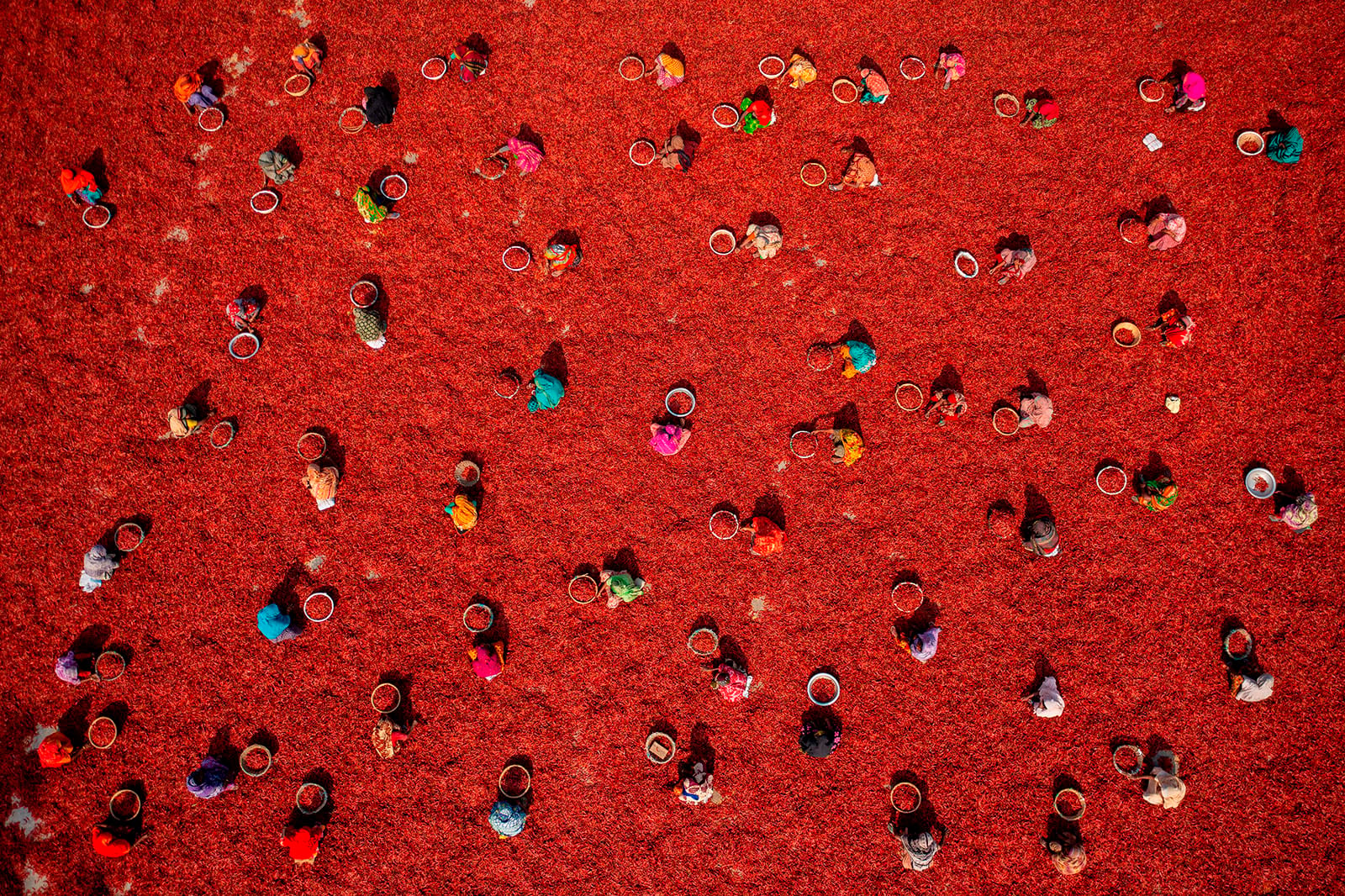
Ronnie’s winning portfolio is a masterclass in composition, color, and storytelling. Among his featured works is a hauntingly serene aerial view of a rowing team gliding through the mist-shrouded waters of Lake Zurich, Switzerland. The image captures the rhythmic, almost hypnotic motion of the oars, contrasted against the glass-like stillness of the lake. Another standout piece features a vibrant, rhythmic pattern of red chili pepper harvesters in the Sariakandi region of Bogura, Bangladesh. Here, the sheer scale of the labor is transformed into a geometric tapestry, highlighting the intersection of traditional agricultural practices and modern visual art.
The Winning Portfolio: Beyond the Horizon
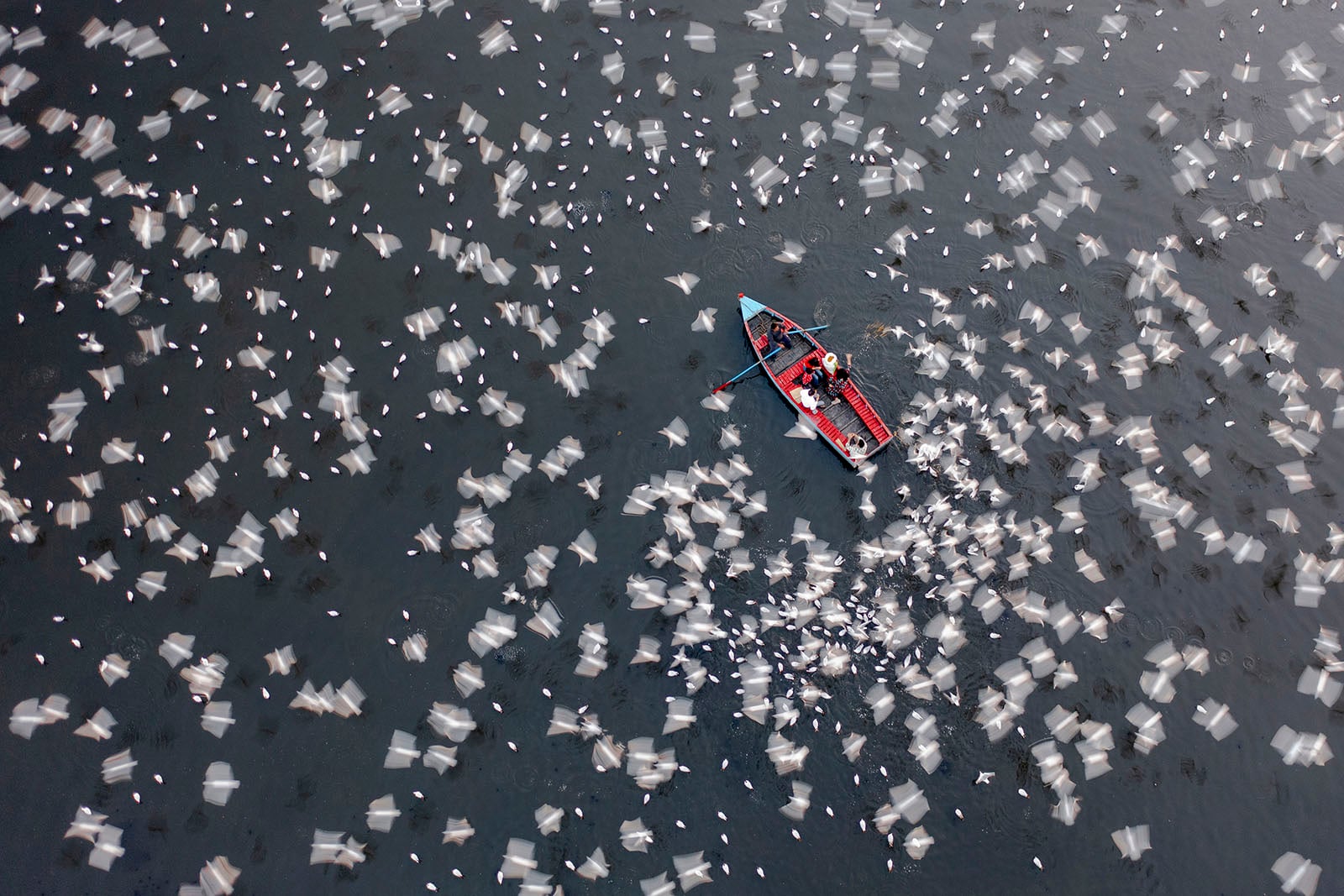
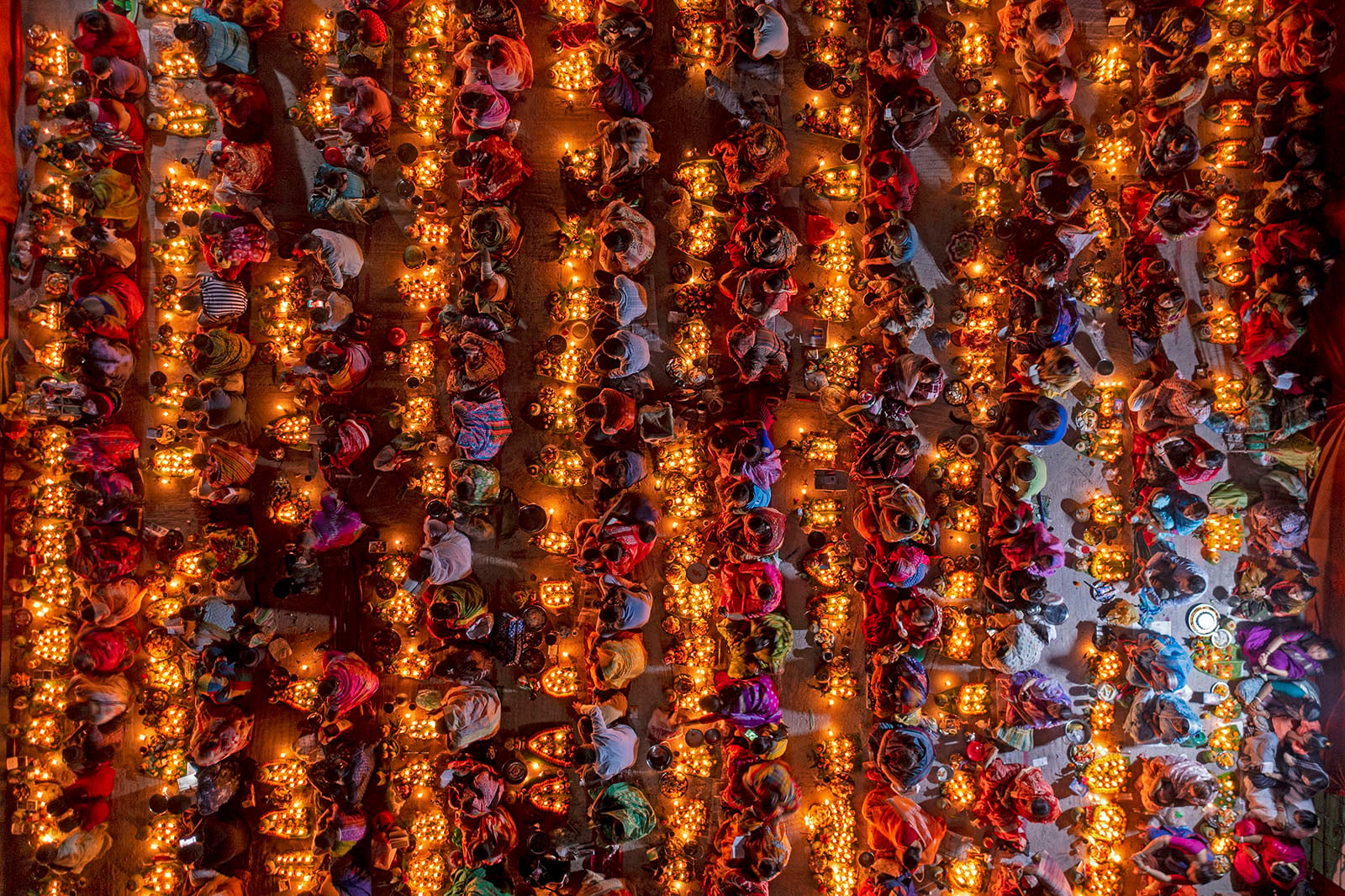
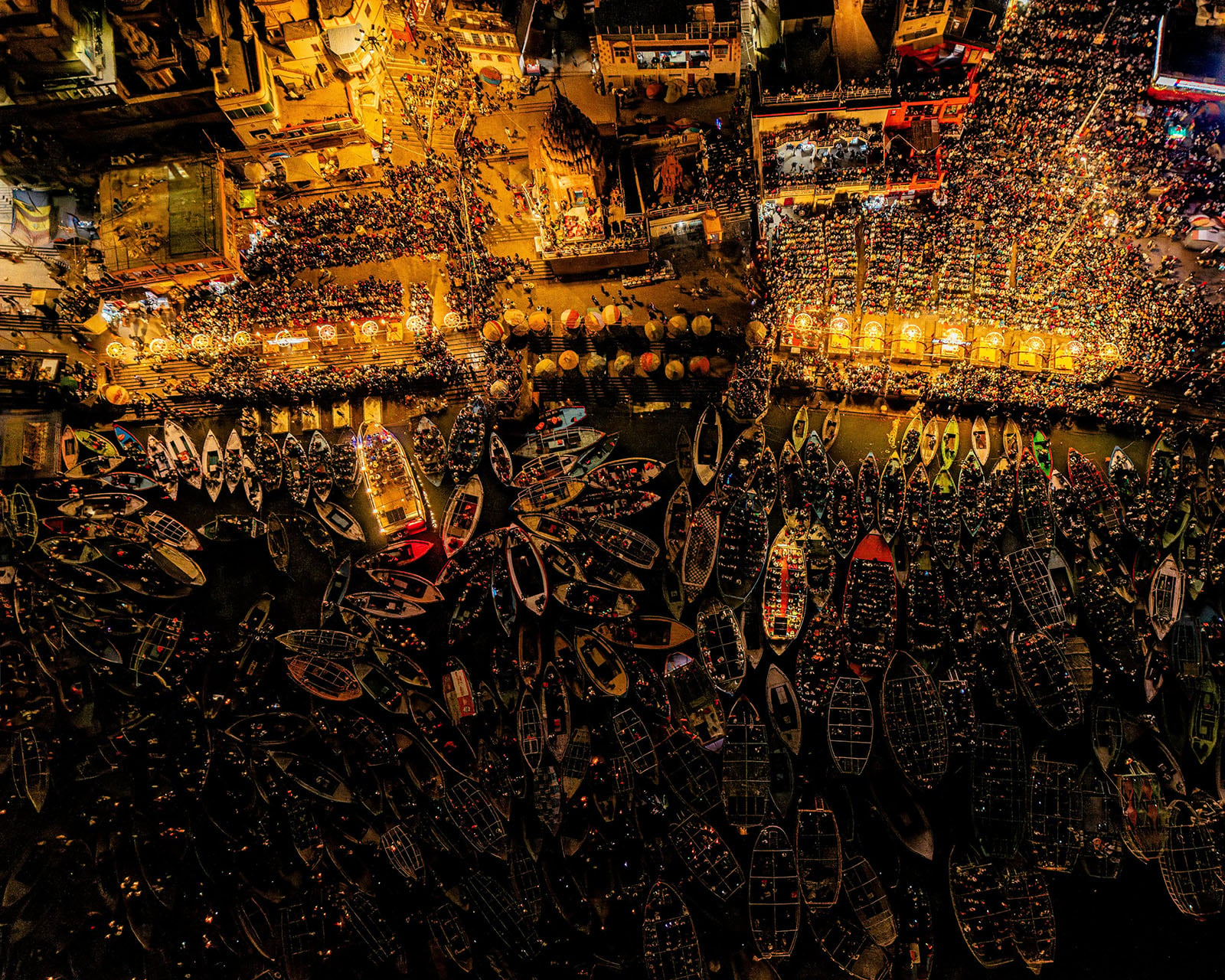
Ronnie’s success was not merely a result of capturing "pretty" images. His work demonstrates an acute awareness of narrative. In one of his most striking shots, he captures the migration of Siberian seagulls at the Yamuna Ghat in Delhi. The image, which features a small boat swarmed by hundreds of birds, creates a chaotic, swirling pattern that feels almost cinematic. His final winning entry, a documentation of the Rakher Upobash festival in Dhaka, uses the warm, glowing light of thousands of oil lamps to convey a sense of spiritual devotion that is both intimate and epic in scale.
The Technical Philosophy of an Aerial Master
For those wondering how such images are synthesized, Ronnie is refreshingly transparent about his methodology. He views the drone not as a replacement for traditional photography, but as a sophisticated extension of the photographer’s reach.
"I use a combination of mirrorless cameras, action cameras, drones, and professional lighting equipment that gives me the flexibility to work across photojournalism, documentary, sports, wildlife, and aerial photography," Ronnie explained in an interview following his win.
His gear list is intentionally professional-grade. For his aerial work, he relies on the DJI Mavic 4 Pro and the DJI Mavic 3 Classic. "These tools allow me to create images that reveal scale, patterns, and perspectives impossible to capture from the ground," he noted.
However, Ronnie cautions that the hardware is only half the battle. His philosophy on post-processing is one of restraint. "I try to enhance rather than manipulate," he says. His workflow, conducted exclusively in Adobe Photoshop, focuses on the fundamentals: RAW processing, exposure balancing, color refinement, and selective noise reduction. By shooting in RAW, he ensures that the maximum amount of image data is preserved, allowing him to maintain the integrity of the scene while bringing out the nuances that the sensor captured in the moment.
Chronology of the Competition: A Global Reach
The IAPOTY 2026 competition was a rigorous undertaking, spanning months of submission, curation, and deliberation. The selection process was handled by a distinguished panel of judges, including renowned aerial photographer Tom Hegen, landscape visionary Isabella Tabacchi, and industry expert Joanna Steidle.
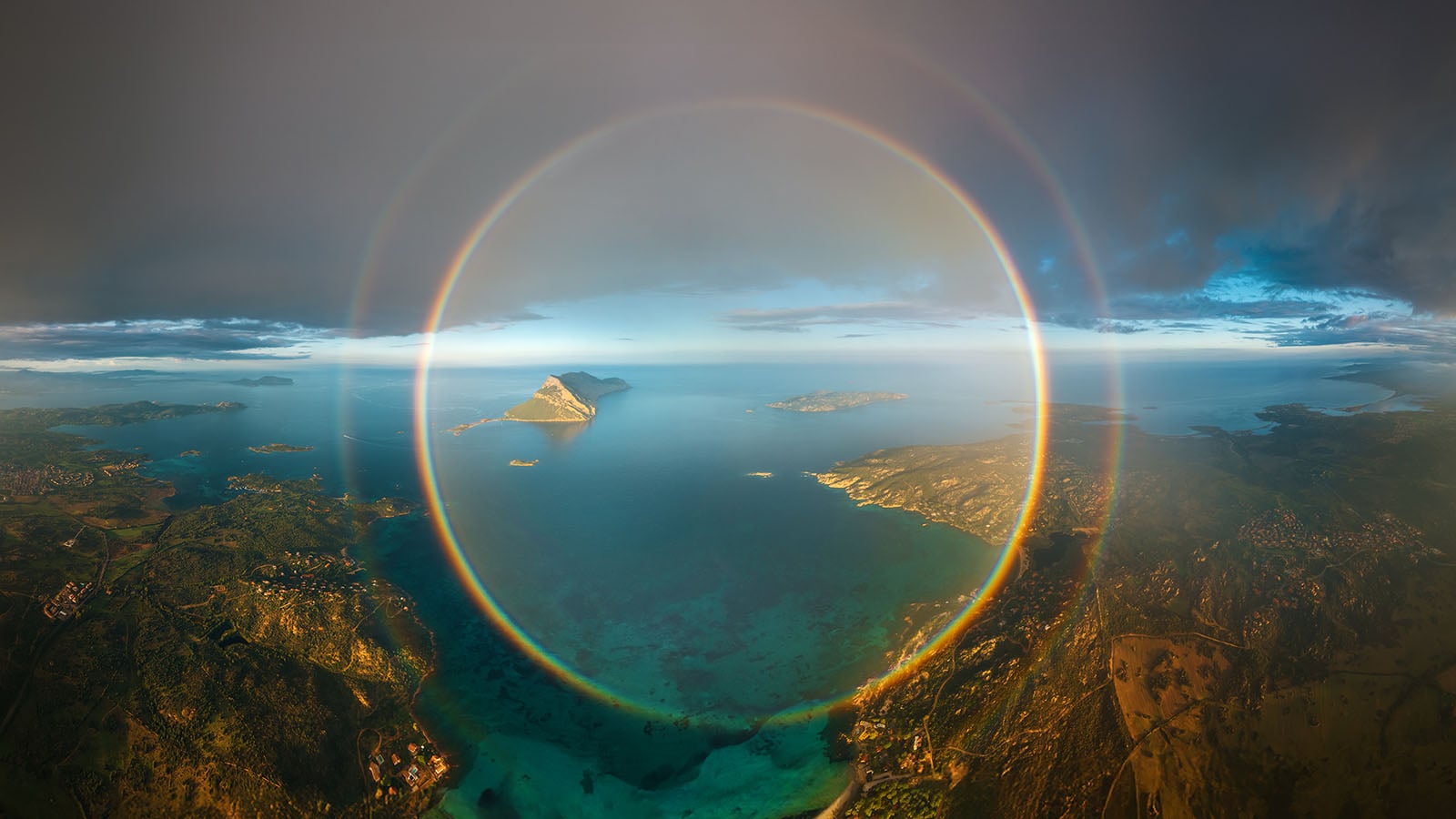
The competition began with a call for entries that spanned the globe, inviting photographers to submit portfolios that pushed the boundaries of the aerial medium. By the time the submission window closed, 1,587 entries had been vetted. The jury’s task was to distill this massive volume of content down to a top 101, a collection of images that represents the current vanguard of the craft.
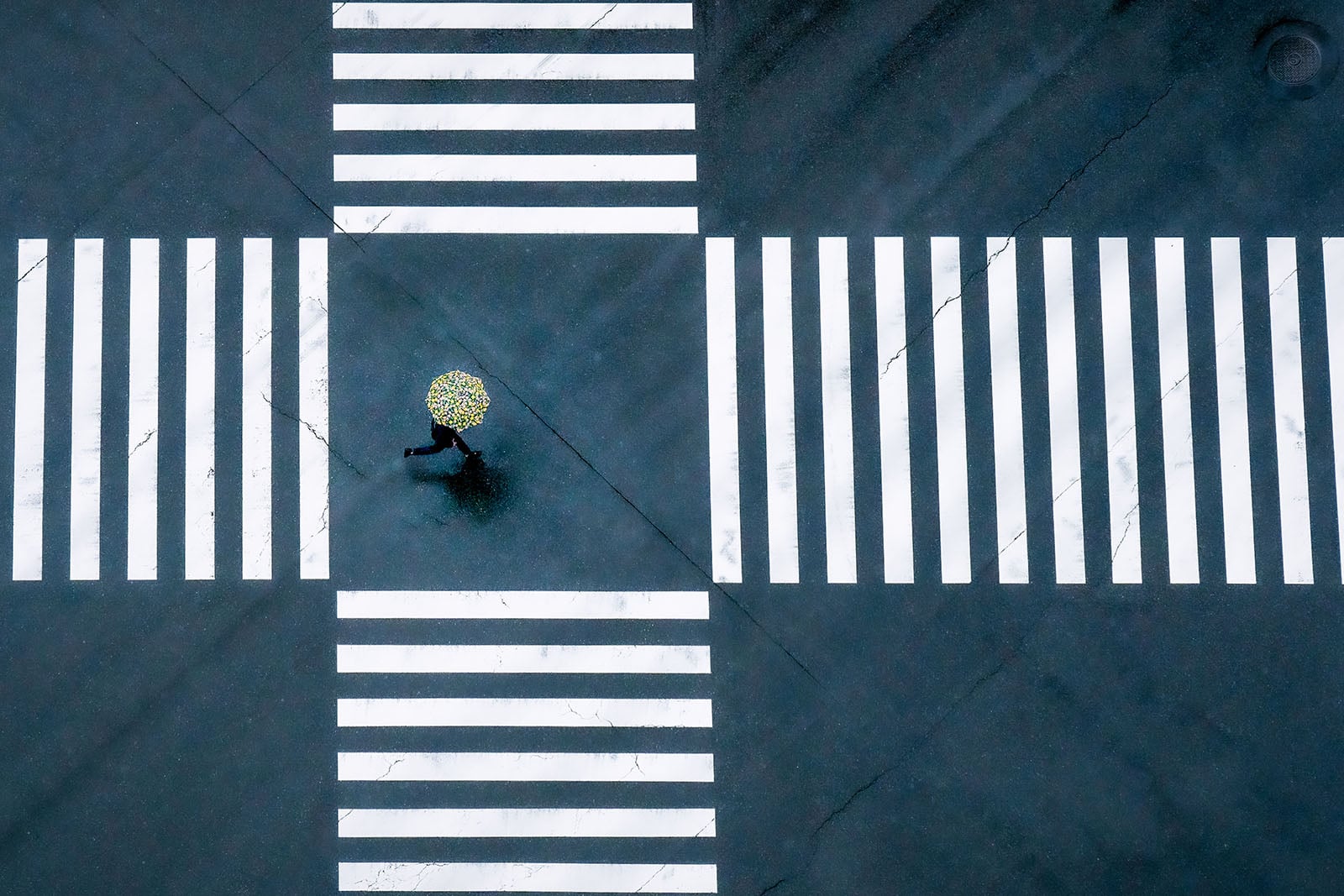
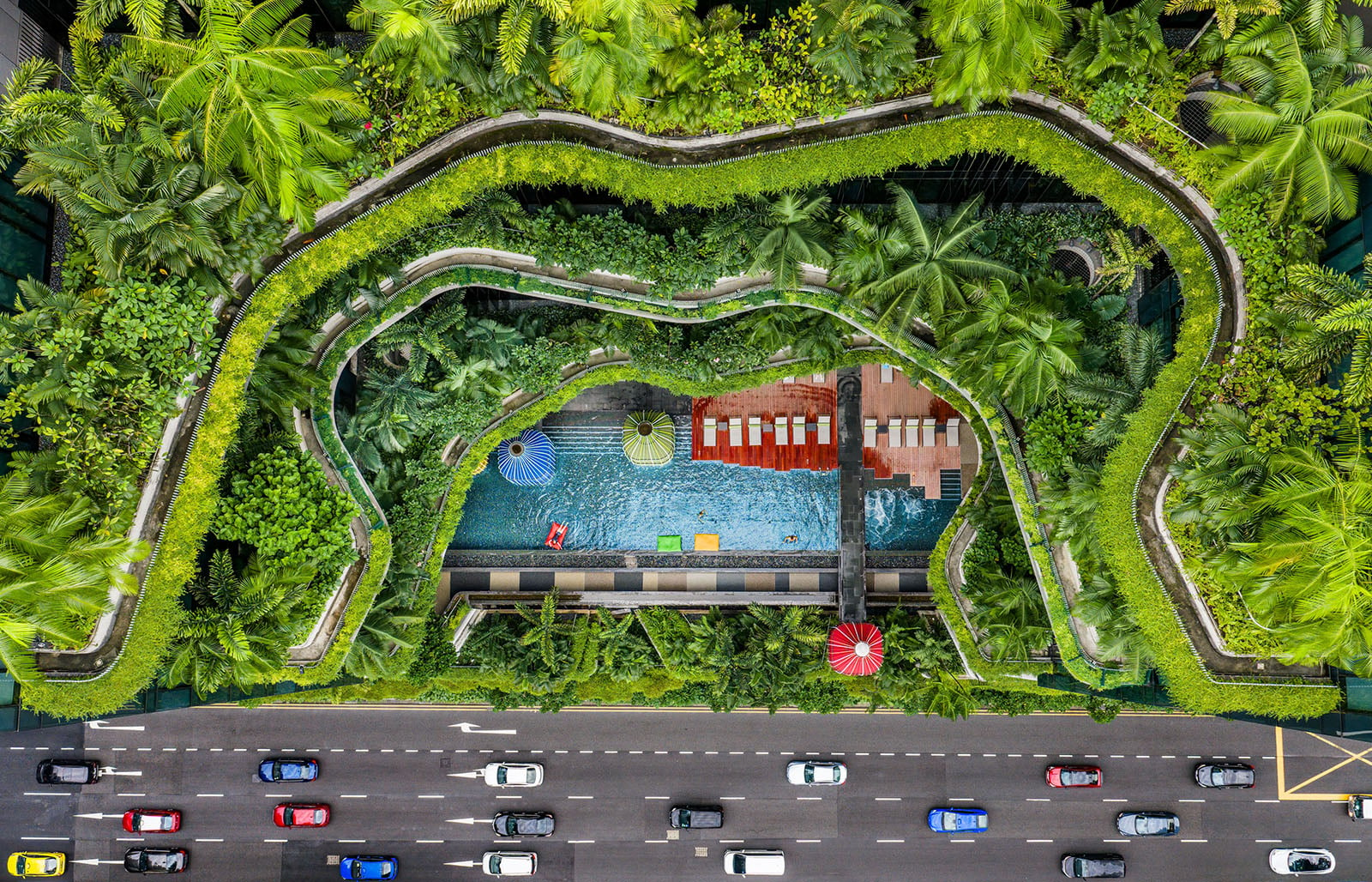
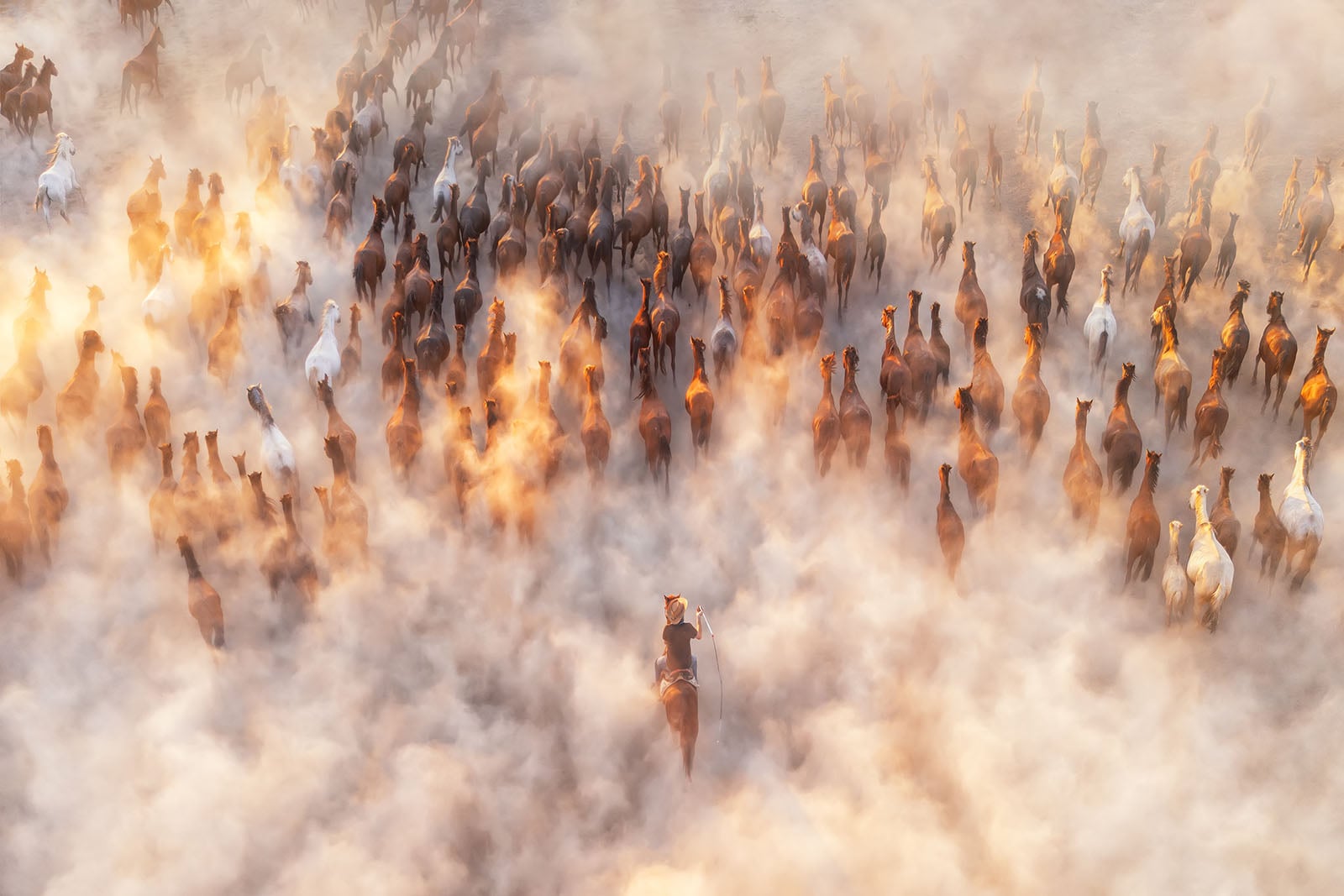
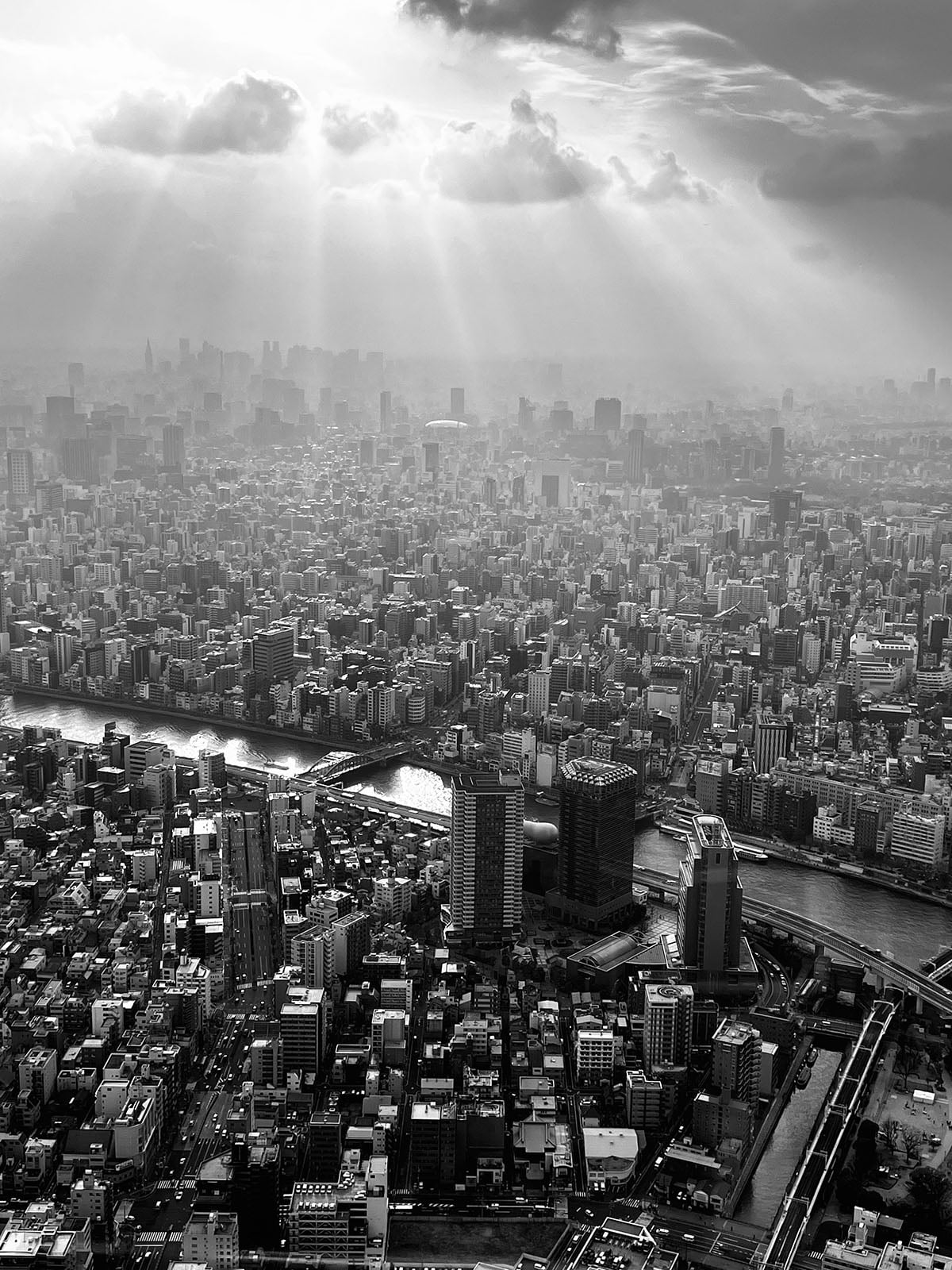
The announcement of the winners follows a season of anticipation, as the aerial photography community has been eager to see how the medium is evolving following the rapid advancements in drone technology seen over the last two years. The runner-up, Chin Leong Teo from Singapore, provided a starkly different aesthetic, focusing on the intersection of urban geometry and human activity, while third place went to Kah-Wai Lin, whose dramatic capture of Yilki horses in Cappadocia underscored the timeless power of nature-centric photography.
Supporting Data and the Evolving Industry
The success of the IAPOTY is reflective of a broader trend: the democratization and professionalization of aerial photography. According to industry reports, the commercial and artistic use of drones has increased by over 40% in the last three years alone. This shift is driven by the decreasing cost of high-quality optics and the increasing ease of flight control systems.
However, as the barrier to entry lowers, the bar for artistic distinction rises. The top 101 images selected by the judges this year reveal a move away from simple "top-down" shots toward more complex, multi-layered compositions.
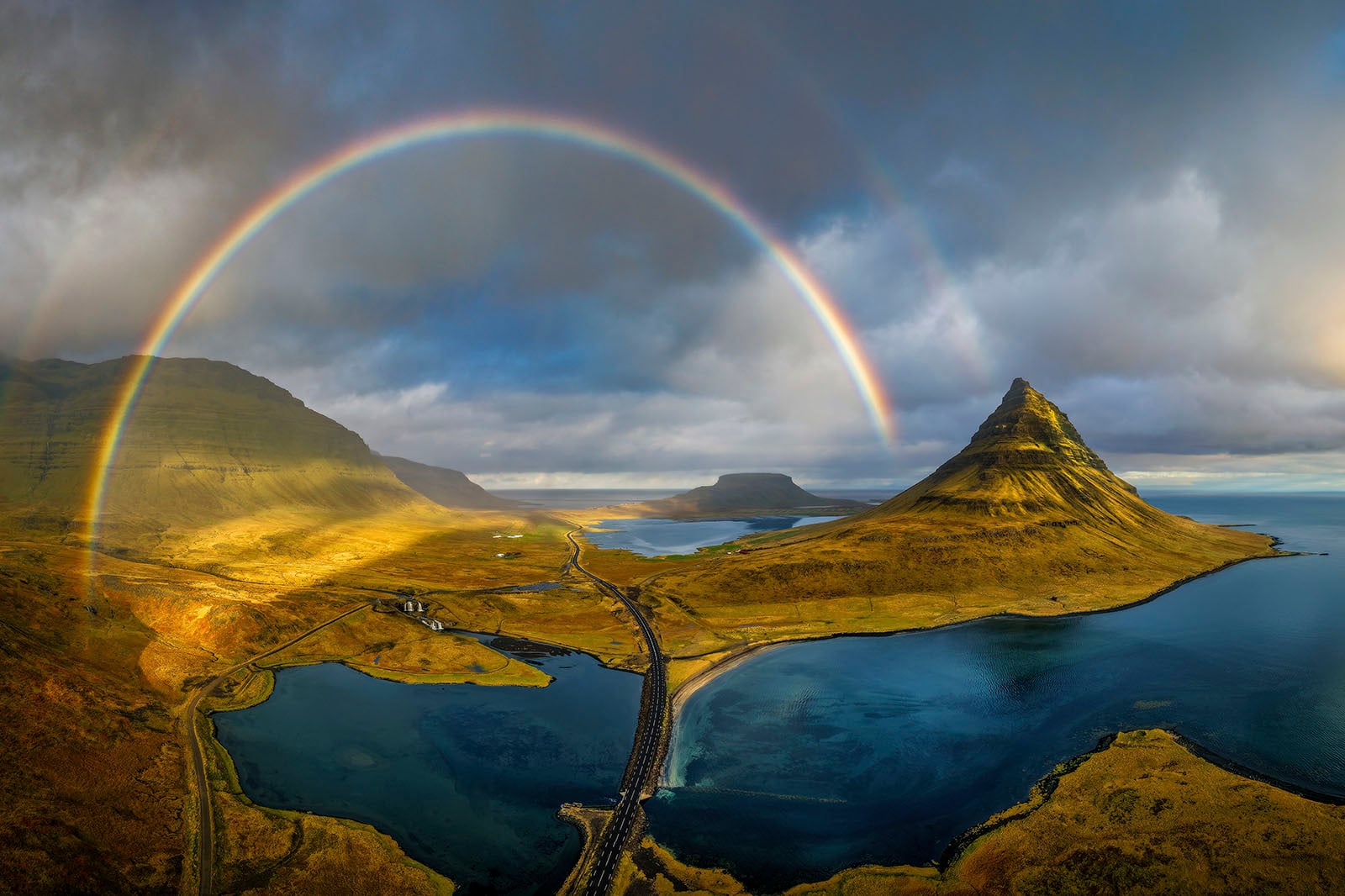
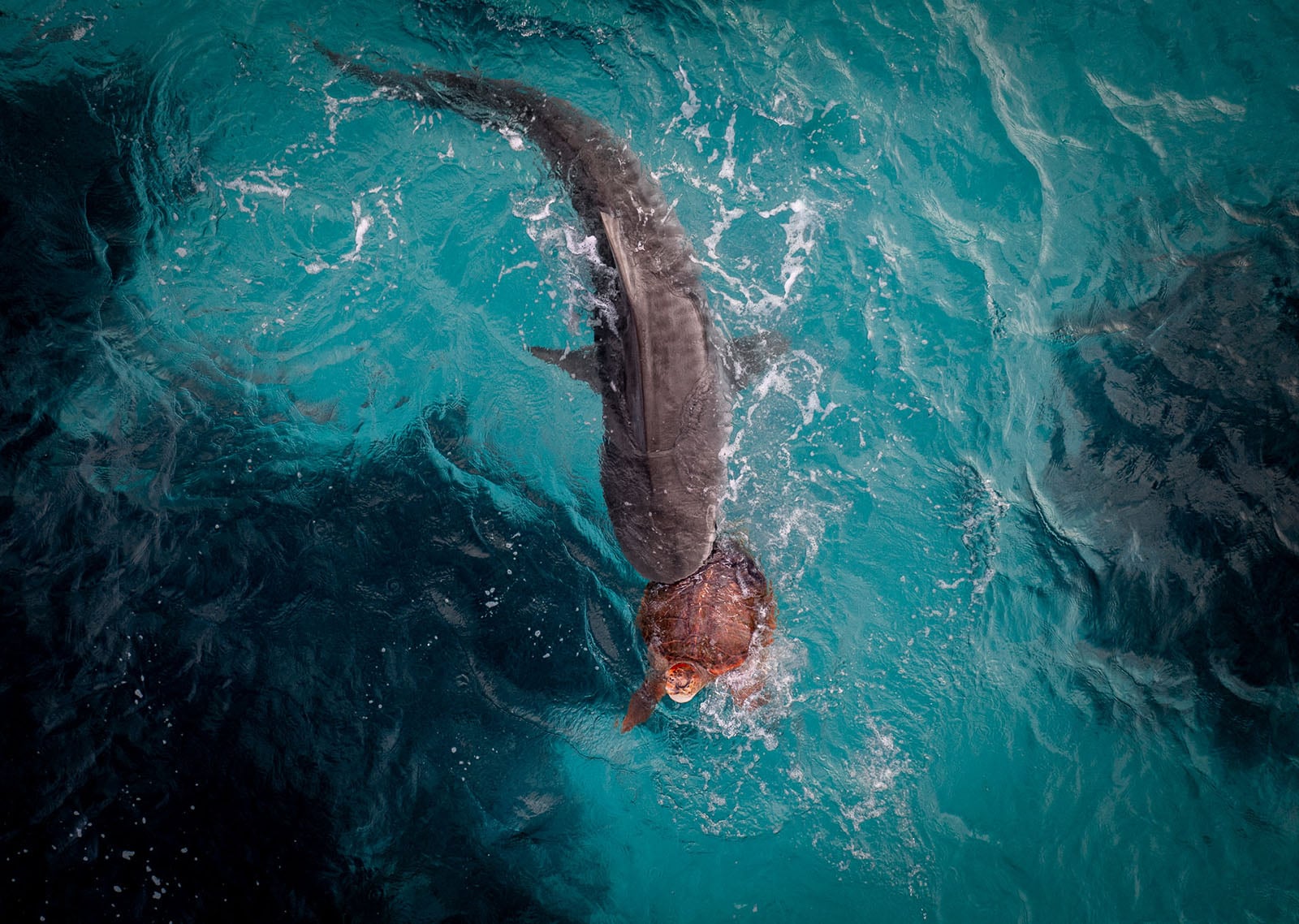
- Diverse Subject Matter: The winning entries covered everything from the ecological reality of predation on the Ningaloo Reef (captured by Dylan De Haas) to the harrowing reality of urban fires in Hong Kong (captured by Yau Tat Hui).
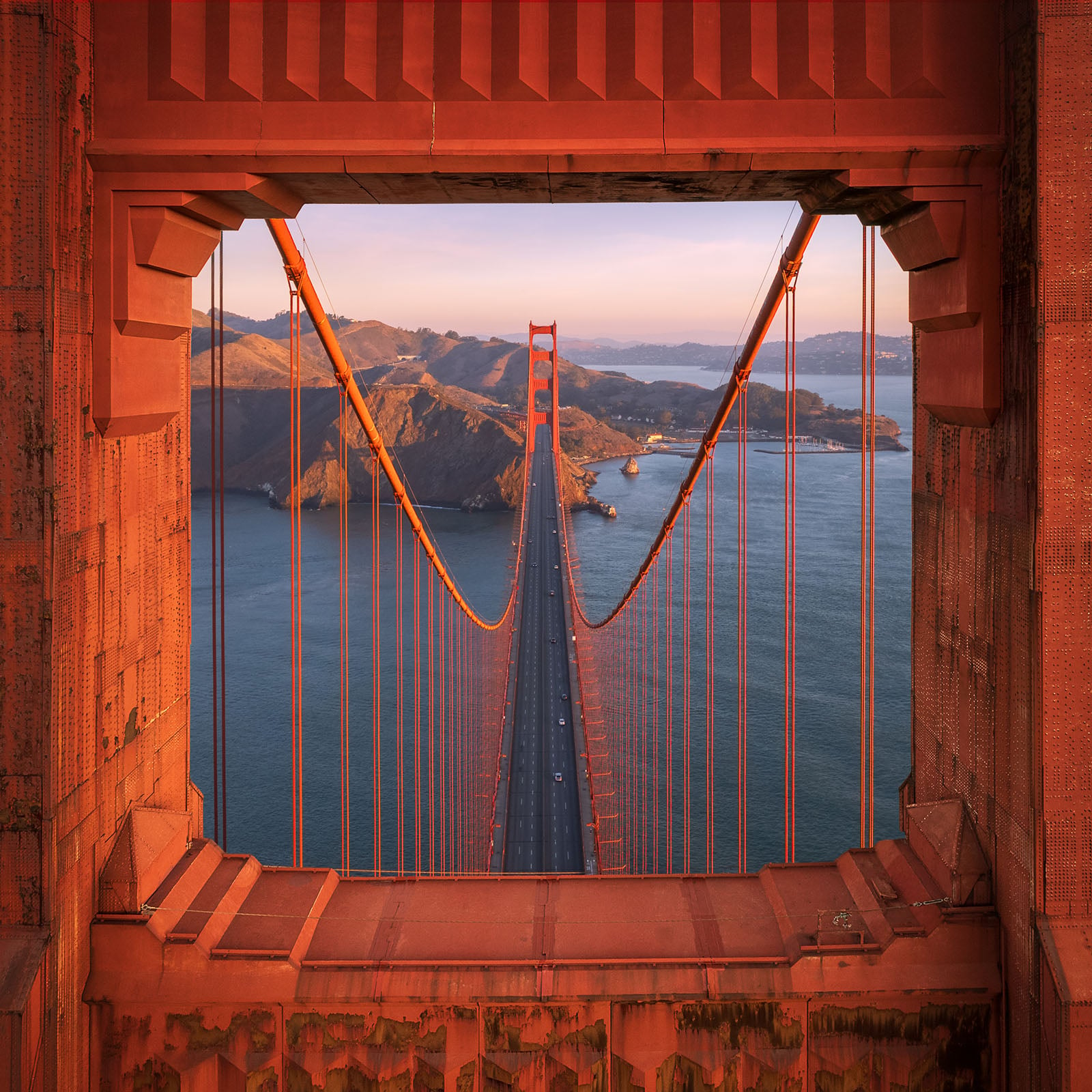
- The Power of Framing: Many of the award-winning photos, such as Marcin Zajac’s frame-within-a-frame shot of the Golden Gate Bridge, emphasize the importance of traditional photographic principles—composition, leading lines, and light—applied to the aerial perspective.
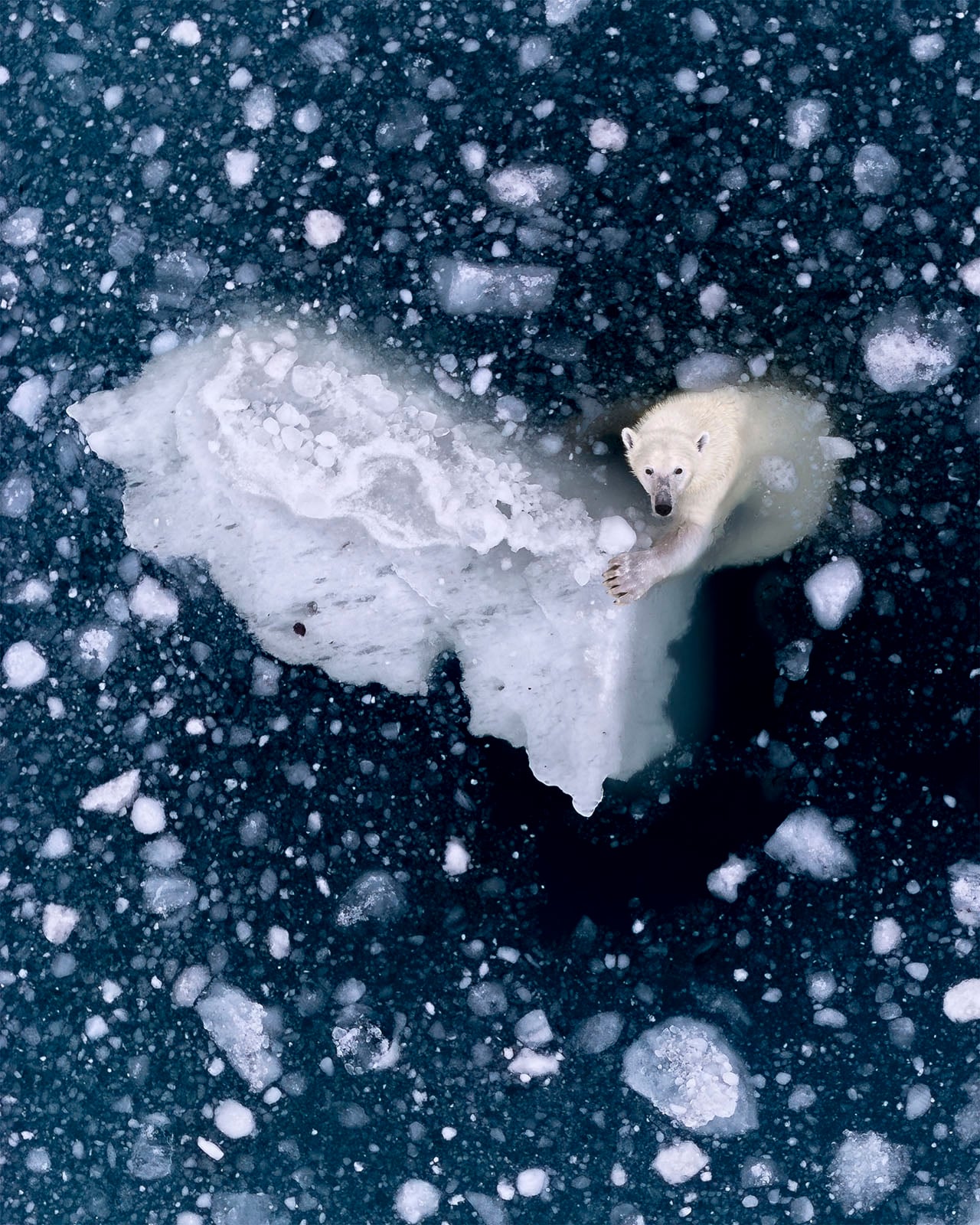
- Environmental Commentary: Photographers like Rhiannon Lawler, who captured a polar bear on a melting ice floe, demonstrate how aerial photography is increasingly being used as a tool for environmental advocacy, providing a literal "big picture" view of climate change.
Official Responses and Juror Perspectives
The judges were unanimous in their praise for the high caliber of work submitted this year. Tom Hegen, known for his work documenting human-made environments, noted that the winning portfolio was chosen because it successfully balanced technical execution with an emotional core.

"The best aerial photographs don’t just show us what the world looks like from above; they show us how we occupy that world," Hegen remarked. "Ronnie’s work does this beautifully. He manages to capture the chaos of a festival or the silence of a lake, all while maintaining a visual harmony that is incredibly difficult to achieve."
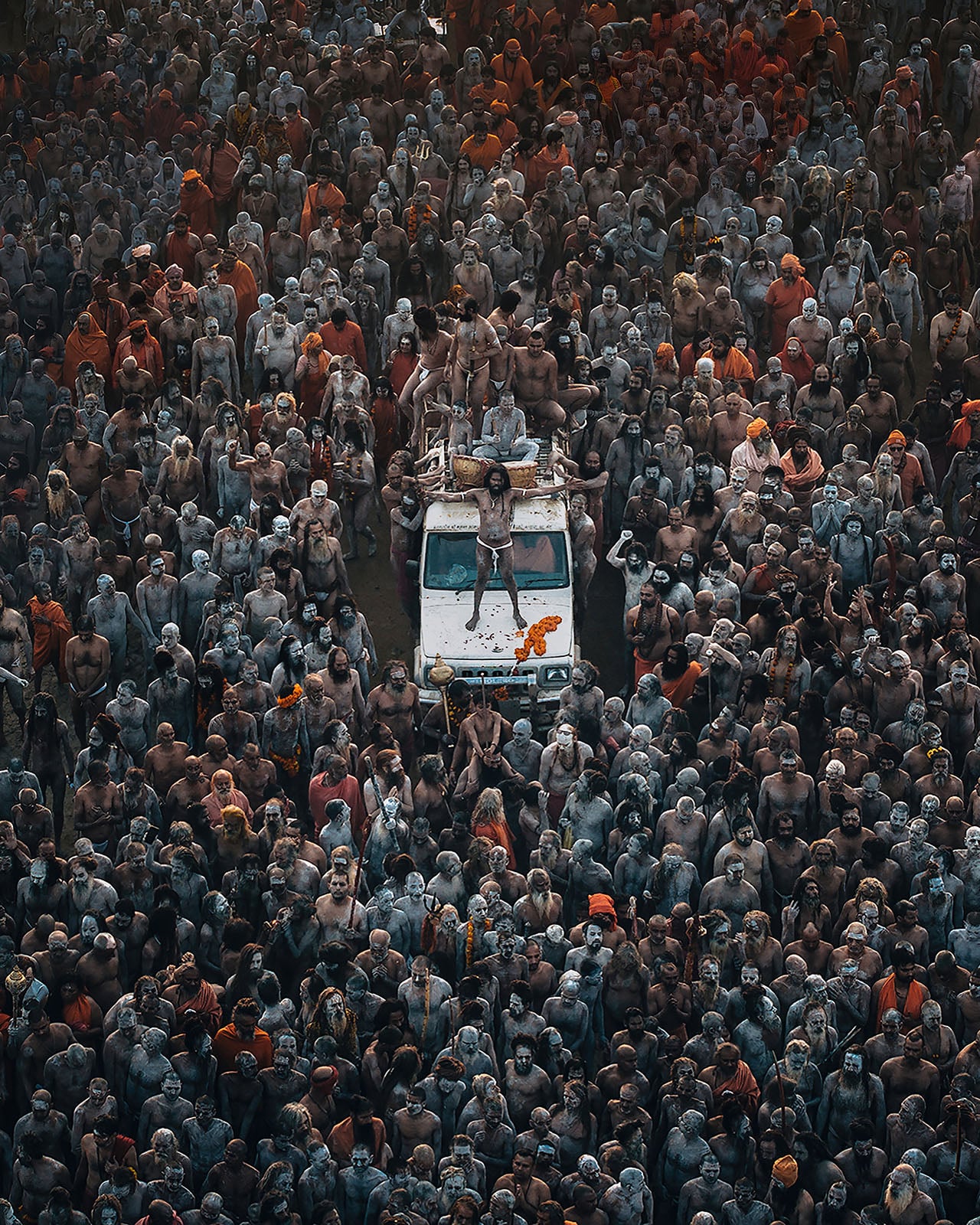
Isabella Tabacchi added that the "human element" was a recurring theme among the top entries. "We saw a lot of beautiful landscapes, but the images that truly stood out were the ones that placed human life—whether it was the struggle of a farmer or the devotion of a pilgrim—into the larger context of the landscape."
The Implications: Where Do We Go From Here?
The rise of photographers like Azim Khan Ronnie signals a new era for visual storytelling. As drones become quieter, faster, and more capable of high-bitrate data capture, the role of the aerial photographer is shifting from "pilot" to "choreographer."
The implications for the industry are significant. First, there is an increasing demand for specialized aerial photographers who can blend documentary ethics with high-tech execution. Second, the success of these images in a competition setting highlights that the public is hungry for images that provide a sense of perspective. In an increasingly polarized and fast-paced world, the ability to zoom out—both literally and metaphorically—is more valuable than ever.
As we look toward the 2027 season, the IAPOTY has set a high bar. The competition is no longer just about who can get the best shot; it is about who can best interpret the planet from the air. For aspiring photographers, the message is clear: the technology is merely the brush. The vision, the timing, and the story are what make the art.
For those interested in exploring the full collection of the top 101 images, the IAPOTY has released a curated e-book, available via their official website. This publication serves as a definitive catalog of the year’s best aerial work and is a must-have for anyone interested in the future of photography.
As Azim Khan Ronnie continues his journey, the photography world will be watching to see how he—and his peers—continue to redefine our view of the world from the heavens. One thing is certain: the sky is no longer the limit; it is the canvas.
 Raul Delapena Setiawan
  rifanmuazin
  Ammar Sabilarrohman