
 By Asep Darmawan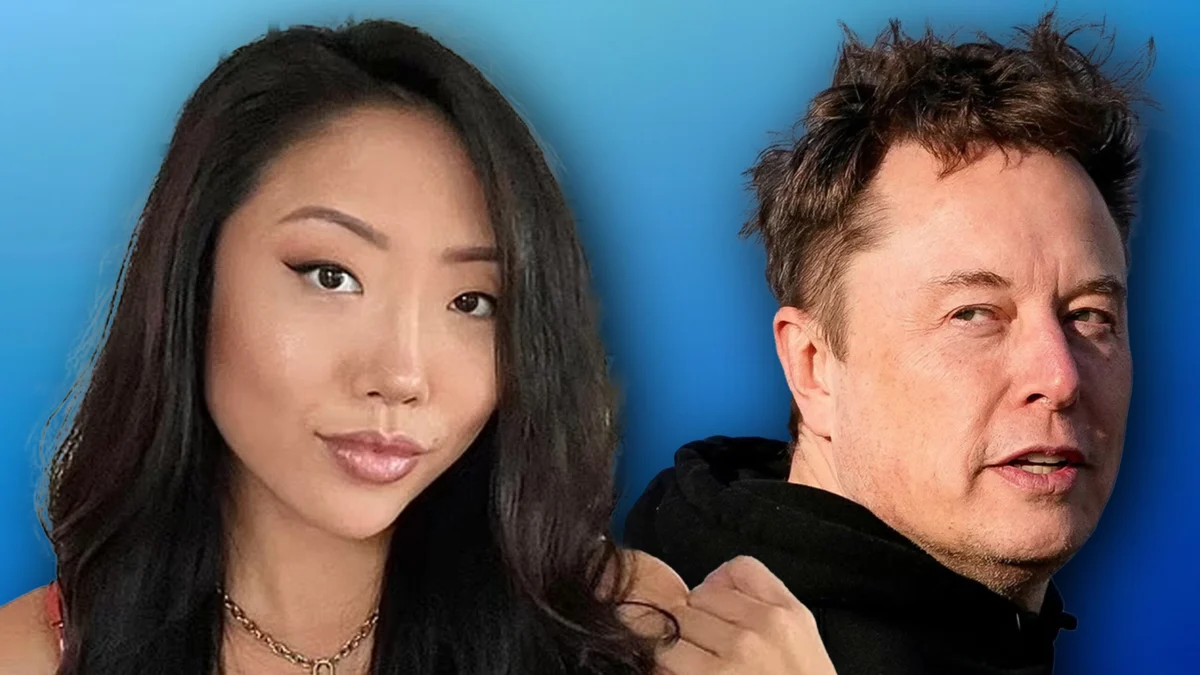
A recent investigative report from the Wall Street Journal has thrust the often-private and increasingly complex personal life of tech mogul Elon Musk into the public spotlight, sparking widespread discussion across traditional and social media platforms. The comprehensive piece, published on Tuesday, details serious allegations from Ashley St. Clair, who claims Musk has denied a paternity test and neglected child support payments for a child she alleges is his. While these claims alone are significant, the article also revealed a particularly unusual anecdote involving another prominent online figure, Tiffany Fong, which has since captivated online discourse and amplified scrutiny of the billionaire’s conduct.
The report paints a picture of a man driven by a profound, almost apocalyptic vision of population decline, allegedly seeking to expand his lineage to "legion-level" before a perceived global catastrophe. This ambition, combined with the detailed accusations and the bizarre revelation involving Fong, has ignited a fresh wave of public debate regarding Musk’s personal ethics, his immense power as a platform owner, and the blurring lines between celebrity, privacy, and accountability in the digital age.
The Core Allegations: Ashley St. Clair vs. Elon Musk
The most immediate and legally weighty aspect of the Wall Street Journal’s exposé centers on Ashley St. Clair’s accusations. St. Clair, a figure known in certain online circles, has come forward with claims that she had a child with Elon Musk, the CEO of Tesla, SpaceX, and owner of X (formerly Twitter). Her allegations, if proven true, suggest a concerning pattern of behavior from one of the world’s wealthiest individuals.
Paternity Disputes and Child Support Claims
According to the Wall Street Journal, St. Clair asserts that Musk has refused to undergo a paternity test to confirm his biological connection to the child. This refusal, if accurate, raises significant legal and ethical questions, particularly regarding a child’s right to know their parentage and the responsibilities that come with it. Furthermore, St. Clair alleges that Musk has been delinquent in providing child support, a fundamental obligation for any parent.
The gravity of such claims cannot be overstated. Child support is designed to ensure the financial well-being of children, regardless of their parents’ relationship status or wealth. For a figure of Musk’s immense financial resources, these accusations present a stark contrast to his public image as an innovator and a leader. The Wall Street Journal’s report delves into the specifics of these claims, highlighting the personal toll such disputes can take, particularly when one party holds disproportionate power and influence. The article did not detail St. Clair’s background extensively beyond her allegations, focusing primarily on the claims themselves and their implications for Musk.
A Bizarre Courtship: The Tiffany Fong Revelation
Beyond the serious paternity allegations, the Wall Street Journal’s article unearthed a tangential but equally compelling narrative involving Tiffany Fong, a right-leaning cryptocurrency influencer. This story, revealed through an unnamed source speaking to the Journal, has become a focal point of online discussions due to its unusual nature and the subsequent events that transpired on Musk’s social media platform, X.
From "Twitter’s Main Character" to a Direct Message Proposal
Tiffany Fong had a moment of intense virality in late 2023, earning her the moniker "Twitter’s main character" – a term used to describe individuals who briefly become the central topic of discussion, often due to a peculiar or controversial event. Her rise to prominence during this period was largely fueled by a public display of her X Premium earnings. Fong posted a screenshot showing a staggering $21,000 made in a mere two-week span through the platform’s creator monetization program. This financial success, attributed to her substantial engagement as a cryptocurrency and political influencer, drew significant attention and propelled her into the algorithmic spotlight.
Shortly after this public display of earnings, a peculiar chain of events unfolded. Elon Musk, the owner of the platform from which Fong was profiting, unfollowed her. This action was swiftly followed by a noticeable and significant drop in Fong’s X Premium earnings. The timing led many on social media to speculate about a connection, with users positing that Fong had somehow rejected Musk, either romantically or reproductively, leading to perceived retaliation. One widely circulated comment encapsulated this sentiment: "Oh yeah, she definitely told him no." This initial speculation, though lacking concrete evidence at the time, laid the groundwork for the more detailed revelations to come.
The WSJ’s Unveiling: A Proposal Without a Meeting
The Wall Street Journal’s investigation, reportedly based on information obtained from an unnamed source, provided what many saw as confirmation of these earlier conjectures. The report detailed an alleged direct message exchange between Elon Musk and Tiffany Fong, a proposal described as both unconventional and startling. According to the source, Musk, despite never having met Fong in person, reportedly sent her a direct message asking if she would be willing to have his child.
Fong, taken aback by the proposition, reportedly declined. Her reason, as shared with friends and subsequently detailed by the Journal, was a desire for a more conventional, "traditional, nuclear family" structure. This rejection, particularly given the lack of any prior in-person relationship, highlights the extraordinary nature of the proposal. Among those Fong reportedly confided in about this unusual interaction was Ashley St. Clair, the very individual whose paternity allegations form the other core of the Wall Street Journal’s exposé. This interconnectedness between the two narratives adds a layer of complexity and corroboration to the overall account, suggesting a pattern in Musk’s approach to expanding his family.
The "Legion-Level" Ambition and Perceived Retaliation
The Wall Street Journal’s report further illuminates the underlying philosophy that allegedly drives Elon Musk’s personal reproductive decisions, painting a picture of a man seemingly motivated by a grand, almost messianic vision for humanity’s future. This vision, combined with the subsequent events on X, has fueled speculation about the nature of power and influence on the platform he owns.
Musk’s Alleged Pro-Natalist Drive
Central to St. Clair’s account in the Wall Street Journal is a revealing quote attributed to Musk: his alleged desire "to reach legion-level before the apocalypse." This statement provides crucial context for both the paternity allegations and the bizarre proposal made to Tiffany Fong. Musk has long been a vocal proponent of increasing birth rates, often expressing concerns about what he perceives as a looming demographic collapse and its potential implications for civilization. He has frequently spoken about the importance of having more children to ensure humanity’s future, a stance often termed "pronatalist."
However, St. Clair’s specific framing – linking this ambition to an "apocalypse" and the term "legion-level" – adds a more dramatic and almost obsessive dimension to his public pronouncements. This alleged personal mission, when juxtaposed with claims of denying paternity and neglecting child support, presents a complex and potentially contradictory ethical landscape. It raises questions about the responsibility that accompanies such a fervent drive for procreation, particularly when it intersects with individual lives and established legal obligations. The narrative suggests a powerful individual pursuing a personal agenda with far-reaching implications, not just for his own family, but for how his actions are perceived by the public and those within his orbit.
The Unfollow and Earnings Drop: A Case of Digital Retribution?
The sequence of events following Tiffany Fong’s rejection of Musk’s proposal has become a significant talking point, particularly on X itself. The Wall Street Journal’s article claimed that Musk learned of Fong’s "loose lips" – her sharing the details of his direct message proposal with friends, including Ashley St. Clair. Soon after this alleged discovery, Musk unfollowed Fong on X.
This unfollow, coupled with the previously observed significant drop in Fong’s X Premium earnings, solidified the perception among many social media users that she was being targeted for retaliation. The connection between Musk’s personal disappointment and a sudden decline in an influencer’s income on his platform raised immediate concerns about the power dynamics at play. When the owner of a major social media platform engages in personal interactions with its users, especially those whose livelihoods are tied to the platform’s algorithms and monetization features, the potential for perceived or actual retribution becomes a potent issue. Users questioned whether an individual’s personal standing with Musk could directly impact their financial success or visibility on X, leading to broader discussions about platform neutrality and the ethical responsibilities of those who wield such immense digital power. The incident, as reported, highlighted the vulnerability of content creators in an ecosystem where their success can be intimately linked to the whims of the platform’s proprietor.
Social Media Echoes: From Greentext to Conspiracy
The Wall Street Journal’s revelations about Elon Musk’s personal life, particularly the Tiffany Fong episode, immediately cascaded across social media platforms, igniting a fervent and often humorous discourse. The narrative quickly transformed into a meme-generating event, with users attempting to connect Musk’s personal drama to broader changes occurring on X.
Viral Discourse and the XChat Speculation
The story of Fong’s alleged rejection and the subsequent perceived retaliation went viral on X itself, the very platform at the center of the drama. Users, accustomed to Musk’s often unconventional management style and the rapid, sometimes baffling, changes implemented on the platform, began drawing immediate, speculative connections.
A prominent example of this rapid-fire online commentary emerged in the form of a "4chan greentext" format. Greentext stories are short, often absurd, anecdotal narratives typically found on imageboards like 4chan, characterized by lines starting with a ">" symbol. One viral post pithily outlined a perceived cause-and-effect:

Elon gets rejected by Tiffany Fong
Removes DMs
This succinct, cynical summary perfectly captured the sentiment of many online users: that Musk’s personal frustrations directly translated into significant platform-wide decisions. The meme played on the recent reports and rumors circulating about X potentially replacing its existing Direct Message (DM) feature with something new, tentatively dubbed "XChat." The humorous, albeit speculative, implication was that Musk, wounded by Fong’s rejection via DM, sought to overhaul the entire messaging system out of spite or a desire to erase the digital evidence of his failed courtship. This particular piece of viral content encapsulated the blend of humor, cynicism, and conspiracy that often characterizes online reactions to polarizing public figures.
The Pattern-Seeking Phenomenon: Fact vs. Fiction
While entertaining and widely shared, such viral memes often blur the lines between confirmed fact and speculative fiction. The tendency to link Elon Musk’s personal controversies with major changes on his social media platform is not new; it’s a recurring pattern in online discourse surrounding him. Users frequently engage in what can be described as a "pattern-seeking phenomenon," attempting to find logical or emotionally driven connections between seemingly disparate events in the life of a public figure.
For instance, many online users previously pointed to a specific incident that purportedly led Musk to make "likes" on X private. The screenshot in question depicted a crude, doctored tweet about "milking a certain, tiny member" of the billionaire’s body, which was then falsely presented as the reason for the privacy change. However, this screenshot was a confirmed hoax that spread widely in mid-2024. Despite its debunking, the theory persisted, demonstrating the resilience of such narratives once they take root in the collective online consciousness.
Regarding the XChat speculation, reports on the new feature suggest it is intended as an evolution or enhancement of direct messaging, likely incorporating new features and a rebranded name, rather than a complete removal. While the timing of the Fong revelations and the XChat rumors might appear coincidental, jumping to conclusions about a direct causal link (e.g., "cause: Elon getting clowned; effect: Elon removing an X feature") might not be entirely accurate. However, regardless of the factual basis, the theory continues to spread as Musk’s controversies frequently align with significant changes on his platform, leading people to search for patterns and personal motivations in what might otherwise be purely business or technical decisions. This dynamic underscores the challenge of separating verified information from speculative narratives in the fast-paced world of social media.
Official Responses and the Silence of the Spheres
In the immediate aftermath of such a high-profile investigative report, official responses, or the lack thereof, become as significant as the allegations themselves. The Wall Street Journal’s piece, touching upon both serious legal claims and highly personal anecdotes, places Elon Musk in a position where public clarification or denial would typically be expected.
Awaiting Musk’s Stance
As of the time of this writing, there has been no immediate, direct official statement from Elon Musk or his representatives regarding the detailed accusations presented in the Wall Street Journal article. This silence, particularly given the gravity of the paternity claims and the public nature of the "legion-level" ambition, is notable. Musk is known for his direct and often unfiltered communication style, frequently using X to address controversies, announce decisions, and engage with critics. His reticence on this specific matter, at least publicly, invites further speculation and reinforces the impression of the allegations’ seriousness.
In cases involving high-profile individuals and sensitive personal matters, legal counsel often advises a cautious approach, or a complete lack of comment, to avoid exacerbating the situation or inadvertently providing further ammunition to accusers. However, for a figure who regularly commands public attention and engagement, a prolonged silence can also be interpreted in various ways, from careful consideration to an implicit acknowledgment of the difficulty in refuting the claims. The public and media alike will undoubtedly be awaiting any eventual statement from Musk or his team, which could significantly alter the narrative and potential legal trajectories of these allegations.
Fong’s Past Statements and Future Implications
Tiffany Fong, having been a central figure in the social media speculation preceding the WSJ report, previously shared details of her X Premium earnings, which initially sparked the public’s interest in her connection to Musk. Now that the Wall Street Journal has corroborated parts of the narrative surrounding Musk’s alleged proposal and her rejection, Fong faces a new level of scrutiny.
While she has not yet issued a specific statement addressing the WSJ report directly, her past public posts and her role as a confidante to St. Clair lend a degree of credibility to the story’s progression. It remains to be seen whether Fong will choose to speak out further, either to confirm or clarify the details reported by the Journal, or to offer her own perspective on the events. Any future statements from Fong could provide additional insights into the alleged direct message exchange and the subsequent impact on her standing on X. Her position as an influencer whose livelihood is tied to the platform also places her in a unique and potentially vulnerable situation regarding any public comments.
The WSJ’s Investigative Tenacity
The Wall Street Journal, a publication renowned for its rigorous investigative journalism, has once again demonstrated its capacity to delve into the lives of powerful figures and bring sensitive matters to light. The report’s detailed accounts, drawing on multiple sources and intertwining narratives, underscore the tenacity required to uncover such private yet publicly significant information. The Journal’s commitment to reporting on these personal dimensions of Musk’s life, despite the potential for backlash, highlights the vital role of independent journalism in holding even the most influential individuals accountable. The article’s impact has been immediate and widespread, ensuring that these allegations and anecdotes will remain subjects of public and legal scrutiny.
Broader Implications: Power, Ethics, and the Digital Age
The unfolding saga involving Elon Musk, Ashley St. Clair, and Tiffany Fong is more than just a sensational news story about a billionaire’s personal life; it carries significant broader implications concerning the exercise of power, ethical conduct, and the complex dynamics of the digital age.
The Interplay of Celebrity, Power, and Personal Life
This narrative vividly underscores the increasingly blurred lines between the public and private spheres for high-profile individuals, especially those who own and control major social media platforms. Elon Musk, as the owner of X, wields immense power not only over technological infrastructure but also over public discourse and the economic livelihoods of countless users. When this power intersects with his intensely scrutinized personal life – particularly his alleged pursuit of "legion-level" progeny – it raises fundamental questions about accountability. The ethical considerations are profound: can a platform owner truly separate their personal desires and frustrations from the management of their platform, especially when those personal interactions occur on the platform itself? The perception, whether accurate or not, that personal slights can lead to professional repercussions on X creates an environment of potential chilling effects and raises concerns about the fair and neutral application of platform rules. This situation highlights the inherent conflict of interest when an individual’s personal life becomes intertwined with their role as a powerful gatekeeper of information and economic opportunity.
Influencer Culture and Economic Vulnerability
The Tiffany Fong episode specifically brings into sharp focus the economic vulnerability of influencers and content creators in the digital economy. Fong’s significant X Premium earnings, followed by a dramatic drop after Musk unfollowed her, illustrates how precarious a creator’s livelihood can be when it is dependent on the algorithms, policies, and even the personal whims of a platform owner. This scenario sparks a broader discussion about the power imbalance inherent in the creator economy, where individual creators often lack robust protections or avenues for recourse against arbitrary decisions or perceived retaliation from platform operators. The incident serves as a stark reminder that while platforms offer unprecedented opportunities for individual success, they also concentrate immense power in the hands of a few, potentially leaving creators susceptible to non-transparent or personally motivated actions that can have devastating financial consequences.
The Evolving Narrative of Elon Musk
This Wall Street Journal report further shapes the evolving and increasingly complex public narrative surrounding Elon Musk. Already a polarizing figure, revered by some as a visionary and criticized by others as erratic and autocratic, these latest revelations add new layers to his public persona. The alleged pursuit of procreation to "legion-level" before an "apocalypse," juxtaposed with accusations of paternity test denial and child support neglect, creates a narrative that challenges the public’s understanding of his motivations and values. It invites critical reflection on the congruity between his grand pronouncements about saving humanity and his alleged personal conduct. The long-term impact on his personal brand, his companies (Tesla, SpaceX, X), and his standing as a global innovator and leader remains to be seen. However, it is clear that these stories contribute to a more nuanced, and perhaps more troubling, understanding of one of the world’s most influential figures.
Conclusion: An Unfolding Saga
The Wall Street Journal’s recent exposé has undeniably sent shockwaves through the tech world and beyond, casting a harsh light on Elon Musk’s personal life with serious allegations and unusual anecdotes. From Ashley St. Clair’s claims of paternity test denial and neglected child support to Tiffany Fong’s account of a bizarre direct message proposal and perceived platform retaliation, the report paints a picture of a billionaire whose private actions are now intensely scrutinizing his public image and immense power.
This unfolding saga underscores the critical importance of investigative journalism in holding even the most powerful individuals accountable. It highlights the delicate balance between personal privacy and public responsibility, especially for figures who own and operate platforms that shape global communication and commerce. The rapid-fire social media reactions, from humorous greentext memes to serious ethical debates, demonstrate how deeply intertwined personal celebrity, corporate power, and digital discourse have become.
As the world awaits any official response from Elon Musk, and as the implications of these revelations continue to unfold, one truth remains clear: the scrutiny faced by powerful figures in the digital age is relentless. The lines between personal ambition, ethical conduct, and public accountability are increasingly blurred, and this story serves as a potent reminder of the complex challenges inherent in navigating such a landscape. The full ramifications of the Wall Street Journal’s report will undoubtedly continue to emerge, further shaping the narrative of one of the 21st century’s most enigmatic and influential personalities.
 Asro
Asro  Nana
Nana  Laily UPN