
 By Azzam Bilal Chamdy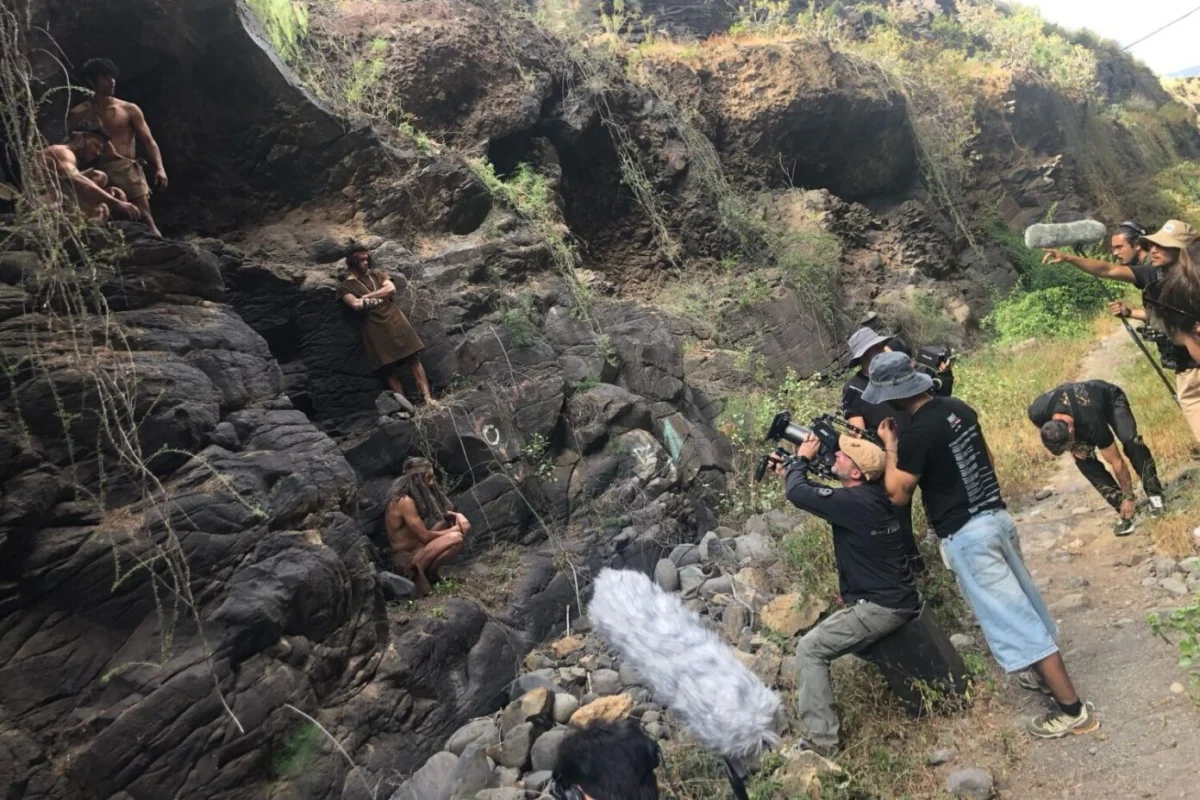
The Canary Islands, long celebrated for their volcanic landscapes and tourism appeal, are undergoing a quiet but profound transformation. No longer content to serve merely as a picturesque backdrop for international film crews, the archipelago’s local audiovisual sector is asserting itself as a sophisticated, export-oriented production hub. A new wave of documentary and factual programming is emerging from the islands, proving that stories deeply rooted in Canarian history, environment, and culture possess the narrative weight to resonate on a global stage.
From the archival exploration of Atlantic heritage to the high-stakes world of elite sports marketing and the urgent realities of the climate crisis, local production houses are finding that the "Canarian experience" is an increasingly valuable currency in the international marketplace.
The Strategic Shift: Local Roots, Global Reach
The core strength of the current Canarian output lies in its ability to bridge the gap between the hyper-local and the universal. Producers in the archipelago are capitalizing on the islands’ unique historical position—a centuries-old staging post for conquest, migration, and ecological transition.
This historical identity provides a rich tapestry for storytelling. Whether exploring the human cost of climate change or the intimate twilight of a single life, these projects are finding audiences in markets as diverse as Japan, West Asia, and Latin America. As the global streaming landscape becomes more saturated, the appetite for "authentic" narratives that break away from traditional Hollywood tropes has created a significant opening for these island-based storytellers.
Market Dynamics: The Sports Documentary Boom
The rise of Canarian factual production is not happening in a vacuum; it is perfectly aligned with broader global market trends. According to data from Ampere Analysis, the shift in how global streaming giants approach live sports has been seismic. In 2017, investment in live sports rights by streamers was virtually non-existent; by 2025, that figure skyrocketed to $9.5 billion.
This massive influx of capital into sports broadcasting has created a secondary, highly lucrative market: the "companion documentary." Platforms are now desperate for high-quality, long-form content that keeps fans engaged during the off-season or provides context to the live action. Consequently, licensing for non-live sports programming has surged, jumping from approximately 5,000 hours in the second quarter of 2022 to an impressive 12,000 hours by the end of 2025.
Canarian companies have proven remarkably adept at capturing this demand, blending technical production prowess with unique access to sports icons and cultural phenomena.
Key Titles: A Deep Dive into Current Production
The current slate of Canarian documentaries demonstrates a sophisticated range of themes and production values. Here is a closer look at the key titles shaping the archipelago’s reputation.
1. Insulae: Chronicle of Our History (Las Hormigas Negras / Televisión Canaria)
Now in its second season on the Canarias Play platform, this series is the gold standard for cultural heritage programming in the region. Using extensive archival research, expert interviews, and cinematic reenactments, Insulae reframes the archipelago not as a peripheral island chain, but as a central protagonist of Atlantic history. Producer Luis Luque maintains that the series serves as a case study for "universal storytelling," where local specificities—the cross-pollination of European, African, and American influences—become a narrative engine for a wider audience.

2. FC Barcelona: Dreaming, Playing, Winning (Wakai)
Directed by Paula Fernández Crespo, this film represents a breakthrough for the production house Wakai. By securing exclusive access to the FC Barcelona Femení team, the film captures a pivotal moment of dominance in women’s football. More than just a sports documentary, it serves as a sociocultural lens on equality and empowerment. With global distribution via ESPN and Disney+, the project has proven that local producers can handle large-scale, high-visibility IP with international appeal.
3. King Puma (Boxmedia International Sales)
Directed by Fernando Ureña, King Puma chronicles the life of Hans Henningsen, a Canarian visionary who fundamentally changed sports marketing. Henningsen was the architect behind the legendary "Pelé bootlace" stunt at the 1970 World Cup, an event that birthed modern athletic branding. The film traces the subsequent "trade war" between Adidas and Puma, effectively detailing the corporatization of the beautiful game. Its success in markets as disparate as Slovenia, Colombia, and Japan underscores the film’s cross-cultural appeal.
4. Fragile Islands (Videoreport Canarias)
Director César Armas is currently crafting a global climate narrative that connects the dots between the Maldives, the Philippines, Colombia, and the Canary Islands. By focusing on communities living on the front lines of coastal erosion, Fragile Islands moves beyond traditional environmental reporting. It provides a sobering, intimate look at the human cost of rising sea levels, with the Canary Islands serving as a concluding mirror to these far-flung coastal tragedies.
5. Benigno (Tinglado Film)
A deeply intimate, Goya-winning exploration of aging, Benigno captures the life of an 87-year-old man living in his childhood home. Director David Baute utilizes Super 8 film to create an elegiac portrait of a vanishing way of life. Premiering at the Shanghai Film Festival, the film represents the "inward" turn of Canarian cinema—a move toward observational, character-driven storytelling that prizes memory and place over action.
6. The Sergio Factor (R2 Media Films)
Directed by Manoj Daswani, this four-part documentary profiles Sergio Rodríguez, the Tenerife-born basketball legend. By structuring the film like the quarters of a basketball game, the project provides an accessible yet detailed look at the rise of Spain’s "golden generation" of basketball, leveraging both personal testimony and high-stakes athletic footage.
Implications for the Future
The trajectory of the Canarian audiovisual sector suggests a move toward permanent international relevance. The combination of government support, tax incentives, and a growing confidence in local stories is yielding a "maturation effect."
However, challenges remain. For producers like Luis Luque, the goal is to bridge the final gap between regional success and the "big-budget" streamers who are often wary of investing in content that is perceived as too culturally specific. The evidence, however, is mounting that audiences are tired of homogenized content and are increasingly seeking the "authenticity" that these Canarian projects provide.
As the industry moves toward 2027, the focus for the islands will likely be on consolidating these international partnerships. If the success of King Puma and FC Barcelona: Dreaming, Playing, Winning is any indication, the Canary Islands are no longer just a place to film; they are a place where globally significant stories are born. By framing the local as the global, the islands have successfully carved out a niche that is as durable as it is compelling, ensuring that the archipelago remains a vital node in the international production network for years to come.
 Asep Darmawan