
 By Lina Irawan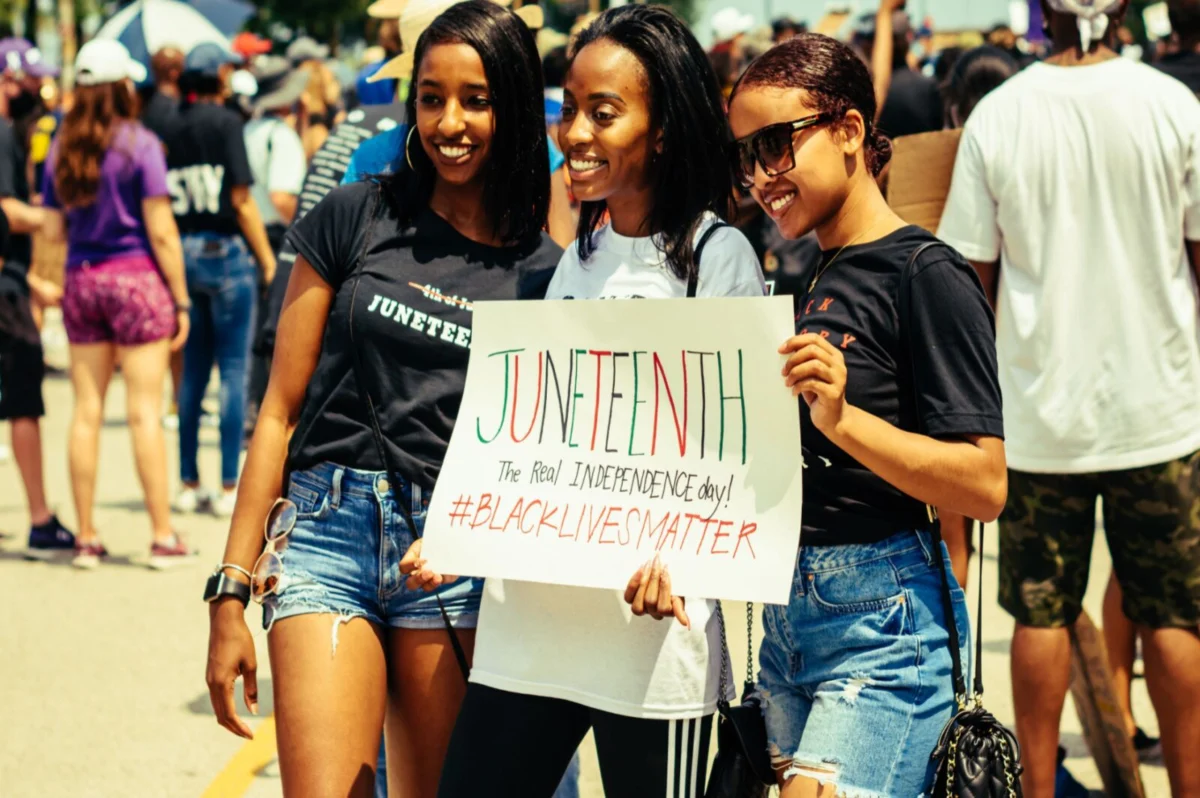
Juneteenth, officially recognized as a federal holiday in 2021, has transcended its origins as a regional Texas observance to become a cornerstone of the American cultural calendar. Commemorating June 19, 1865—the day Major General Gordon Granger arrived in Galveston to announce the end of slavery—the holiday serves as a profound reflection on the enduring pursuit of racial equality. Today, it is a day defined by community-focused events, music, history, and a national dialogue that centers on Black resilience and achievement.
As the country prepares for the 2026 commemorations, cities across the United States are mobilizing to host a tapestry of events that honor the past while uplifting the future of the Black community.
Chronology of a Movement: From Galveston to the Capital
The narrative of Juneteenth is etched into the geography of the United States. It began in the Lone Star State, where the delayed news of the Emancipation Proclamation finally reached the last enslaved people in the Confederacy. This moment did not just signify freedom; it birthed a tradition of resilience.
From the historic 1866 Emancipation March at Reedy Chapel in Galveston to the modern-day federal recognition in Washington, D.C., the holiday has evolved through specific, defining milestones:
- 1865: General Order No. 3 is read in Galveston, Texas, declaring all enslaved people free.
- 1866: The first organized Juneteenth celebrations take place, led by formerly enslaved people.
- 1980: Texas becomes the first state to designate Juneteenth as a state holiday.
- 2021: President Joe Biden signs the Juneteenth National Independence Day Act into law.
The Epicenters of Celebration: 2026 Event Highlights
Across the nation, local organizers are curating immersive experiences that bridge the gap between historical education and festive celebration.
Galveston, Texas: The Birthplace
As the epicenter of the holiday, Galveston offers an unparalleled experience. The city dedicates the entire month of June to programming. The crown jewel of the festivities occurs on June 19, beginning with an annual parade and culminating in the Galveston Island Juneteenth Music Festival.
Key historical anchors include the Ashton Villa, where the Emancipation Proclamation is read annually, and the Reedy Chapel A.M.E. Church, where the original 1866 celebrations were organized. Visitors are encouraged to explore the "Absolute Equality" mural, a 5,000-square-foot tribute near the site of General Granger’s headquarters.
Houston, Texas: A Legacy of Unity
In Houston, the celebration is anchored at Emancipation Park, a site purchased in 1872 by four formerly enslaved men who pooled their resources to ensure their community had a permanent place to celebrate freedom. The 2026 marquee event, "The Reunion," serves as a testament to this enduring legacy, featuring heavy hitters in music and community advocacy.
Charleston, South Carolina: Bridging History and Art
Charleston’s Juneteenth programming is deeply rooted in Gullah culture. Through the Lowcountry Juneteenth Week, the city highlights the intersection of African American history and regional heritage. From civil rights dialogues with figures like Dr. Cleveland Sellers Jr. to the "Jazz Under the Stars" series, the city emphasizes the sophisticated artistry of the Black experience.
Richmond, Virginia: A Civic Reflection
Richmond, a city that sits at the center of American colonial and Civil War history, honors Juneteenth through a blend of high-energy festivals and reflective cultural displays. The celebration at Dorey Park has become a vital community resource, focusing on supporting local Black-owned businesses and providing a family-friendly space for intergenerational storytelling.
Atlanta, Georgia: The Cultural Powerhouse
Atlanta’s Juneteenth celebration is a massive logistical and cultural undertaking. At Piedmont Park, the three-day festival includes a 5K Freedom Run, STEM workshops, and the Georgia United Freedom Day Parade. Furthermore, the Atlanta History Center provides a crucial educational component, offering curated exhibits that trace the lineage of Black resistance from the mid-19th century to the modern day.
Memphis, Tennessee: The "Bluff City" Tradition
Memphis brings over three decades of tradition to the table. The Juneteenth Douglass Freedom Festival, themed "Women of Color, Women of Excellence" for 2026, showcases the city’s deep connection to the blues, barbecue culture, and the civil rights movement, providing a platform for youth showcases and heritage parades.
Oakland, California: The West Coast Perspective
"Hella Juneteenth" represents the Bay Area’s vibrant, modern approach to the holiday. Hosted in West Oakland, the festival turns a local market into a hub of music, art, and "the Cookout"—a cultural celebration of food and community connection. It stands as a prime example of how the holiday has expanded into a truly national, coast-to-coast phenomenon.
Washington, D.C.: The National Stage
As the nation’s political heart, D.C. offers a unique, civic-minded Juneteenth. The National Museum of African American History and Culture (NMAAHC) serves as the focal point, providing historical context through its exhibits. Simultaneously, the National Archives offers the rare opportunity for the public to view the original Emancipation Proclamation alongside General Order No. 3, grounding the holiday in the physical documents that shaped the American landscape.
Supporting Data: The Economic and Social Impact
The proliferation of these events is not merely cultural; it is economic. Juneteenth celebrations provide significant revenue for local Black-owned businesses, vendors, and artists. According to recent municipal impact reports, major Juneteenth festivals in cities like Atlanta and Houston generate millions in local economic activity.
Beyond the balance sheet, these events serve as "community incubators." By providing spaces for health fairs, job recruitment, and educational workshops, Juneteenth organizers are leveraging the holiday to address systemic disparities in real-time, effectively using the day as a catalyst for economic empowerment.
Official Responses and Civic Implications
Federal and local leaders have increasingly emphasized that Juneteenth is not a static historical commemoration, but a "living holiday."
"Juneteenth is a time to celebrate the progress we have made, but it is also a sober reminder of the work that remains," noted a representative from the NMAAHC. The sentiment is echoed in cities across the country, where local governments have aligned their Juneteenth proclamations with initiatives aimed at addressing educational equity and criminal justice reform.
The movement toward making Juneteenth a "Civic Season"—a period stretching from Juneteenth to the Fourth of July—reflects a growing desire to weave the story of Black liberation into the broader American narrative. By recognizing Juneteenth alongside the nation’s other founding celebrations, the U.S. is slowly moving toward a more inclusive, comprehensive understanding of its democratic experiment.
Conclusion: The Ongoing Pursuit
As we look toward the 2026 celebrations, the significance of Juneteenth remains clear: it is a bridge between the trauma of the past and the potential of the future. Whether through a solemn reading of General Order No. 3 in a historic church or a jubilant music festival in a city park, the holiday provides a necessary space for the nation to process its history.
By participating in these events, citizens are doing more than just attending a concert or a parade; they are affirming a commitment to the "enduring pursuit of racial equality." As the holiday grows, its message remains as vital today as it was in 1865: that freedom is a collective achievement that requires constant vigilance, celebration, and community action.
This article was updated on June 17, 2026, to include current event details and schedules for the upcoming holiday season. For more information on specific programming, readers are encouraged to visit the official websites of their local municipal cultural boards.
 Layla Zulfa
  Nana
Nana 