
 By Jia Lissa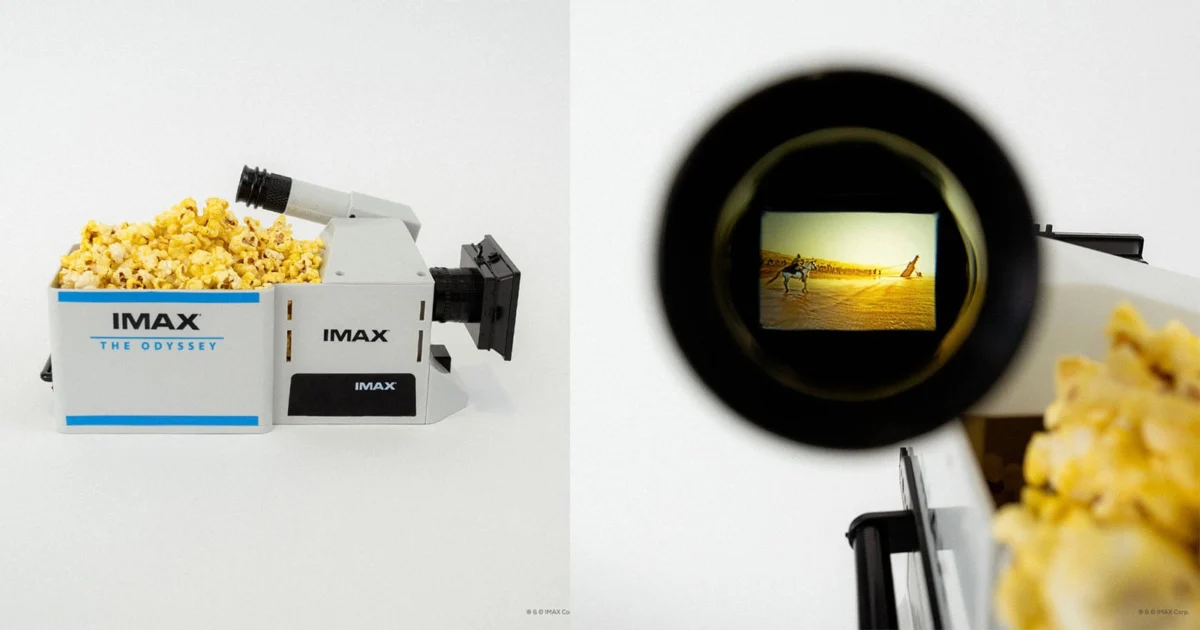
In the high-stakes world of Hollywood marketing, the "novelty popcorn bucket" has evolved from a simple cardboard container into a sophisticated tool of audience engagement. While families have become accustomed to character-themed vessels—such as the viral Grogu buckets accompanying recent Star Wars entries—a new standard has been set by IMAX and Christopher Nolan. For the release of the director’s upcoming epic, The Odyssey, the marketing team has bypassed traditional character branding in favor of something far more resonant for the cinephile community: a meticulously designed replica of the IMAX 15/65mm film camera.
The item, which serves as both a functional snack holder and a high-end display piece, has transcended its status as mere cinema concession. It has become a symbol of the "Nolan-effect," proving that for a dedicated segment of the movie-going public, the camera is as much a star as the A-list cast.
Main Facts: A Masterclass in Niche Marketing
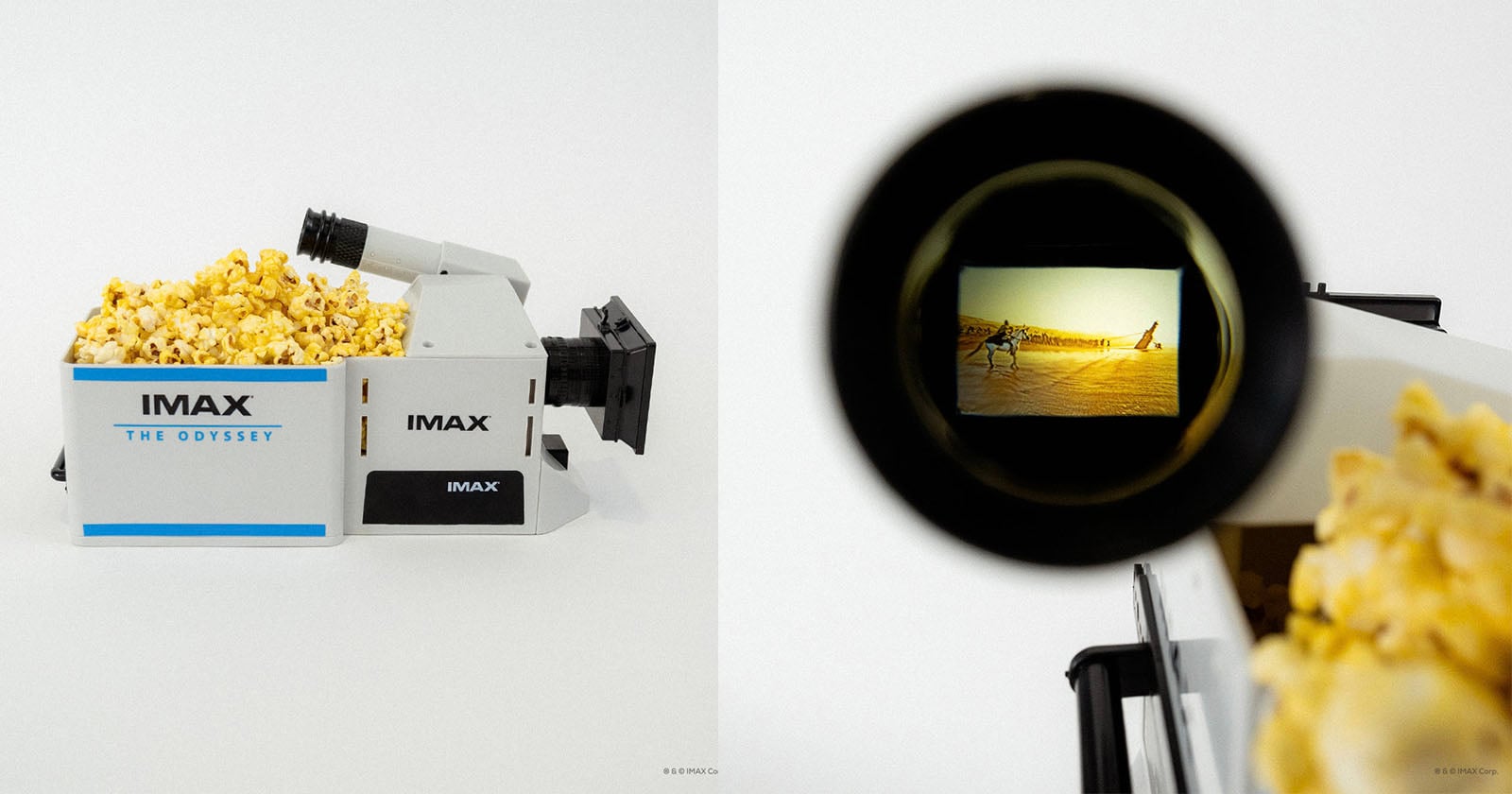
The IMAX film camera popcorn bucket is a limited-edition collectible crafted to mimic the legendary IMAX 15/65mm camera. For the uninitiated, this is the hardware Christopher Nolan has frequently championed as the "Gold Standard" of filmmaking, utilized on landmark projects such as The Dark Knight, Interstellar, and now, The Odyssey.
Priced at $50, the bucket is a premium offering that sold out within minutes of its release. Beyond its aesthetic appeal, the bucket features a functional viewfinder. When a user peers through the lens, they are treated to an illuminated preview of a scene from The Odyssey, captured in IMAX’s proprietary 1.43:1 expanded aspect ratio. This level of detail has transformed the product from a piece of plastic into a must-have artifact for fans of large-format cinema.
The frenzy surrounding the bucket reflects a broader shift in film promotion: the move away from mass-market appeal toward hyper-specific, enthusiast-driven collectibles that reward those who value the technical artistry of the medium.
Chronology of a Viral Phenomenon
The trajectory of the The Odyssey popcorn bucket serves as a case study in modern scarcity-driven marketing.
- Pre-Release Tease: In early June 2026, anticipation for The Odyssey reached a fever pitch, fueled by Nolan’s commitment to analog technology. IMAX teased the bucket as a "tribute to the craft of filmmaking."
- The Launch: Upon release, the IMAX online store saw an immediate surge in traffic. The buckets were purchased by collectors and fans globally, with the entire inventory vanishing in a matter of minutes.
- The Secondary Market Surge: Almost immediately after the sell-out, resellers populated platforms like eBay. Within 24 hours, the $50 bucket was commanding prices as high as $200, signaling the item’s status as a high-value collectible rather than a disposable concession.
- The Cinematic Reveal: In a widely circulated promotional video, Christopher Nolan was seen handing the bucket to his longtime collaborator and cinematographer, Hoyte van Hoytema. This act of "passing the torch"—or rather, passing the camera—cemented the bucket’s legitimacy as an extension of the film’s production identity.
Supporting Data: The "Nolan Effect" and Box Office Momentum
The success of the popcorn bucket is not an isolated incident of consumer hype; it is a symptom of the immense momentum surrounding The Odyssey. The film, scheduled for a July 17, 2026, release, is already shattering records before a single frame has been projected for the public.
At the BFI IMAX in London—a cathedral for large-format enthusiasts—The Odyssey recently set a first-day sales record. The theater grossed £750,000 ($1 million) in a single week, with over 28,000 tickets sold. This data point is critical: it demonstrates that the audience interested in the "IMAX experience" is not only willing to pay for premium tickets but is also eager to invest in high-end, tangentially related merchandise.
Furthermore, the decision to allow audiences to view the trailer in six distinct formats—a recent initiative covered by PetaPixel—highlights a strategic focus on technical literacy. By educating the audience on the differences between standard digital projection and the 15/65mm film format, IMAX has successfully cultivated a consumer base that understands why the 1.43:1 aspect ratio matters.
Official Responses and the "Gold Standard"
IMAX has been vocal about the philosophy behind the bucket’s design. On their official storefront, the company frames the product not as a toy, but as a piece of film history. "Lights… camera… popcorn!" the company states, positioning the bucket as an essential accessory for the cinephile’s ritual.

Christopher Nolan’s endorsement of the 15/65mm camera as the pinnacle of visual storytelling is well-documented. By incorporating the camera’s likeness into the concession stand, IMAX has effectively turned the viewer into a participant in the filmmaking process. It bridges the gap between the viewer in the seat and the director behind the lens.
Hoyte van Hoytema, who has been instrumental in the technical execution of The Odyssey, has often urged the industry to remain tethered to analog processes. The inclusion of the viewfinder—which presents a genuine frame from the film—is a nod to this devotion to the image. It is a tactile, physical reminder of the resolution and scale that audiences are paying to see on the big screen.
Implications: The Future of Film Merchandising
The success of the The Odyssey bucket carries significant implications for the future of movie marketing.
1. The Death of the Generic Tie-in
For years, movie merchandise was dominated by toys and apparel. The success of the IMAX camera bucket suggests that "prosumer" merchandise—items that mimic professional equipment or reference technical milestones—has a higher ceiling for profitability and prestige. Audiences are signaling a desire for "adult" collectibles that reflect their sophisticated interest in the mechanics of cinema.
2. The Rise of "Event" Concessions
The theater-going experience is currently fighting for relevance against the convenience of home streaming. By creating an item that is tied specifically to the theatrical experience, exhibitors are incentivizing in-person attendance. You cannot get the "IMAX experience" at home, and now, you cannot get the "IMAX camera bucket" experience anywhere other than the theater (or the expensive secondary market).

3. Technical Literacy as Marketing
The fact that thousands of fans are debating aspect ratios and projection formats is a testament to the success of this marketing campaign. By elevating the audience’s knowledge of the technical craft, studios can justify higher ticket prices and drive interest in premium large-format (PLF) screens.
4. The Sustainability of Scarcity
While the "limited edition" model is effective for generating buzz, it also carries the risk of alienation. When a bucket sells out in minutes, the majority of the fanbase is left empty-handed, which can lead to frustration. The challenge for IMAX moving forward will be balancing the exclusivity that drives value with the accessibility required to keep the broader fanbase engaged.
Conclusion
The The Odyssey IMAX camera popcorn bucket is more than a piece of branded plastic; it is a cultural artifact that signifies a pivot in how we consume and celebrate film. By leaning into the technical fetishism of the Nolan fanbase, IMAX has created a piece of merchandise that feels earned.
As we approach the July 17 release date, the buzz surrounding the film—and the secondary market for its accompanying bucket—continues to climb. Whether this trend marks a permanent shift in cinema marketing or remains a unique phenomenon tied to the specific gravity of a Christopher Nolan project remains to be seen. However, one thing is certain: for the audience that values the "Gold Standard" of cinema, the experience is no longer just about the movie on the screen; it is about the camera that captured it, the popcorn in the bucket, and the community that recognizes the difference.
 Laily UPN
  Reynand Wu
  Lina Hope