
 By Nana Muazin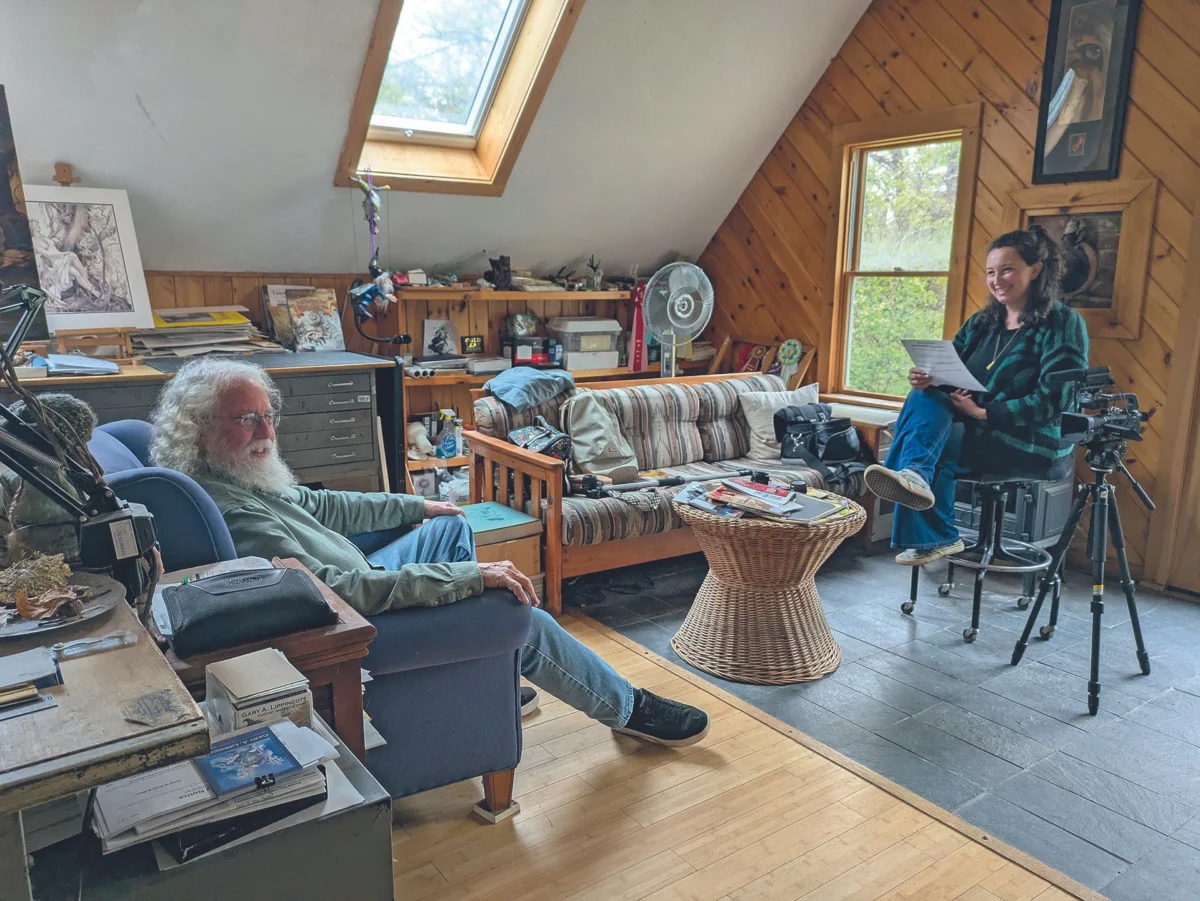
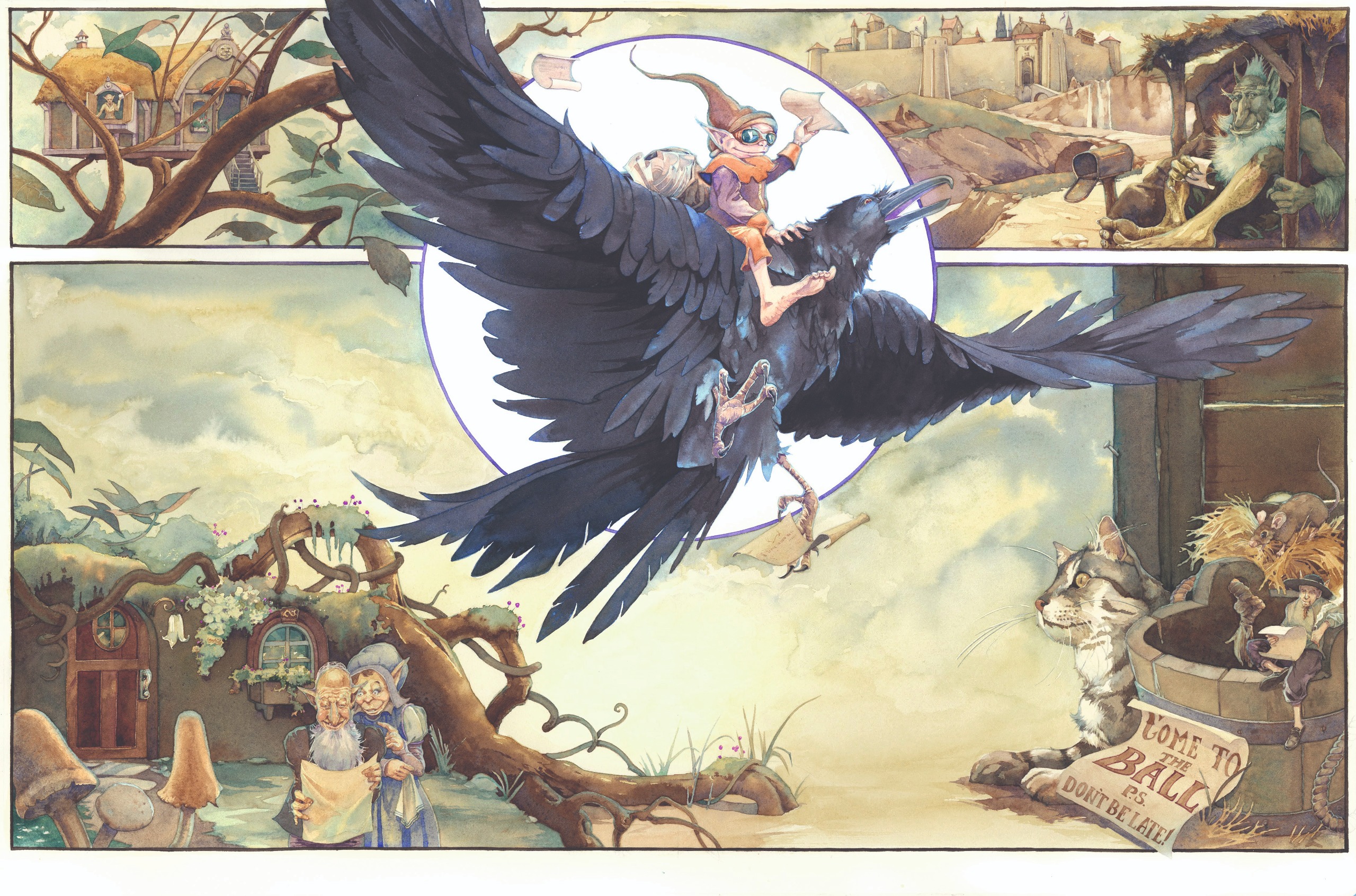
In the quiet, forested town of Petersham, Massachusetts, tucked away from the hum of modern life, lies a sanctuary where folklore breathes and watercolors take on the weight of reality. This is the studio of Gary A. Lippincott, a master of the brush whose work has defined the visual landscape of countless fairy tales, book covers, and private collections. His art, characterized by an "old-world" craftsmanship, feels as though it were pulled directly from the pages of a dusty, leather-bound grimoire.
To step into Lippincott’s studio is to enter a curated cabinet of curiosities. It is a space where the boundaries between the professional artist’s workspace and the whimsical world of his imagination dissolve. For those seeking to capture similar magic in their own practice, the path begins with understanding not just the tools, but the environment that fosters such delicate, high-detail creation.
The Architecture of Inspiration: A Studio Above the Woods
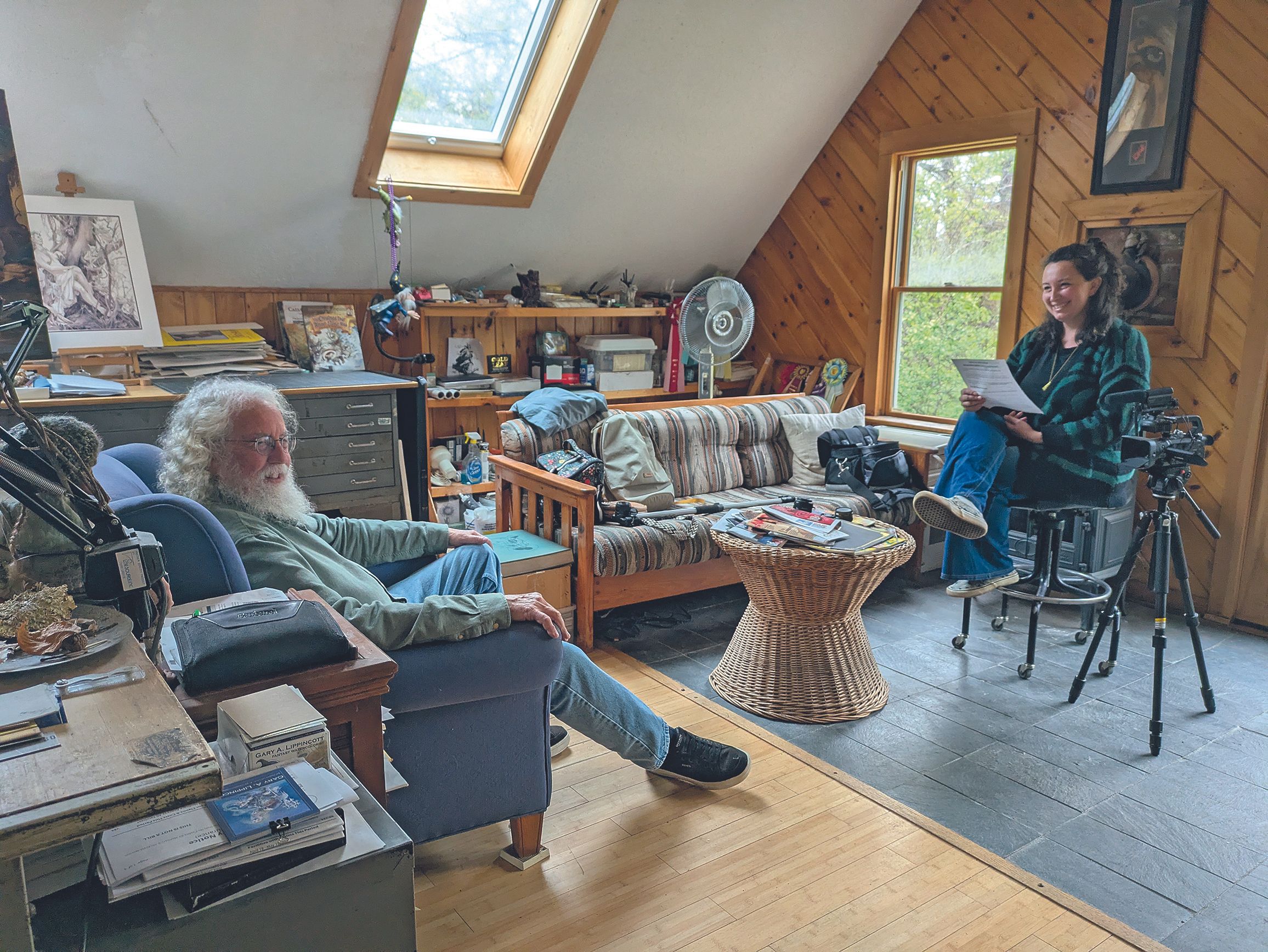
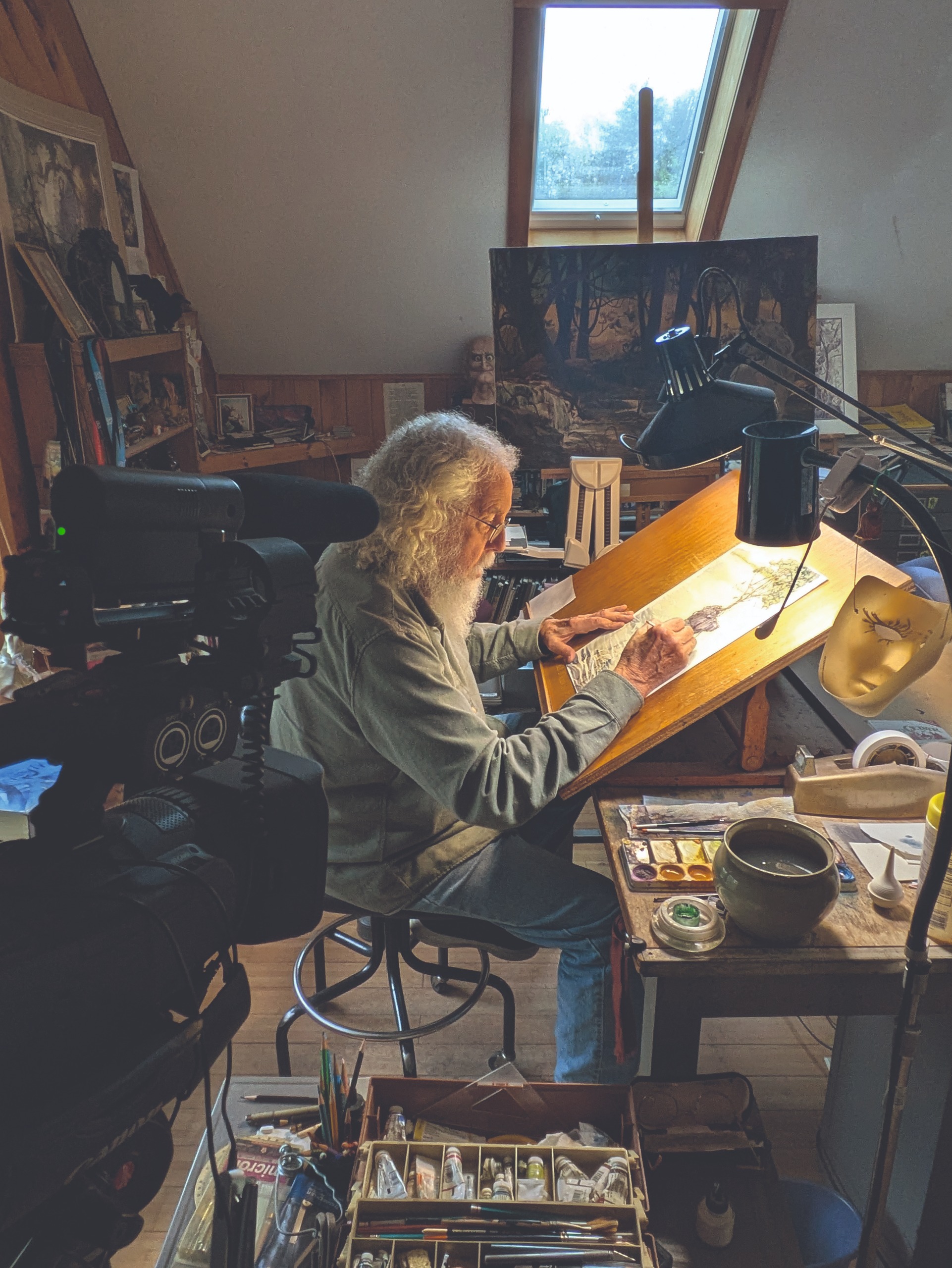
Lippincott’s creative process is inextricably linked to his environment. His studio, perched above his garage, serves as a bridge between the domestic and the wild. "It is set back from the road and close to the edge of the woods that is backed up to conservation land," he explains. Every morning, the climb up the wooden stairs serves as a ritualistic transition from the mundane world into his own private atelier.
The exterior of the studio is guarded by an untamed thicket of bittersweet vines. While these tendrils threaten the structural integrity of the staircase, Lippincott finds them undeniably poetic. "I know they need to be removed, but they are just so enchanting-looking," he admits. This tension between the decaying, overgrown natural world and the disciplined, structured environment of the studio is a recurring theme in his art.
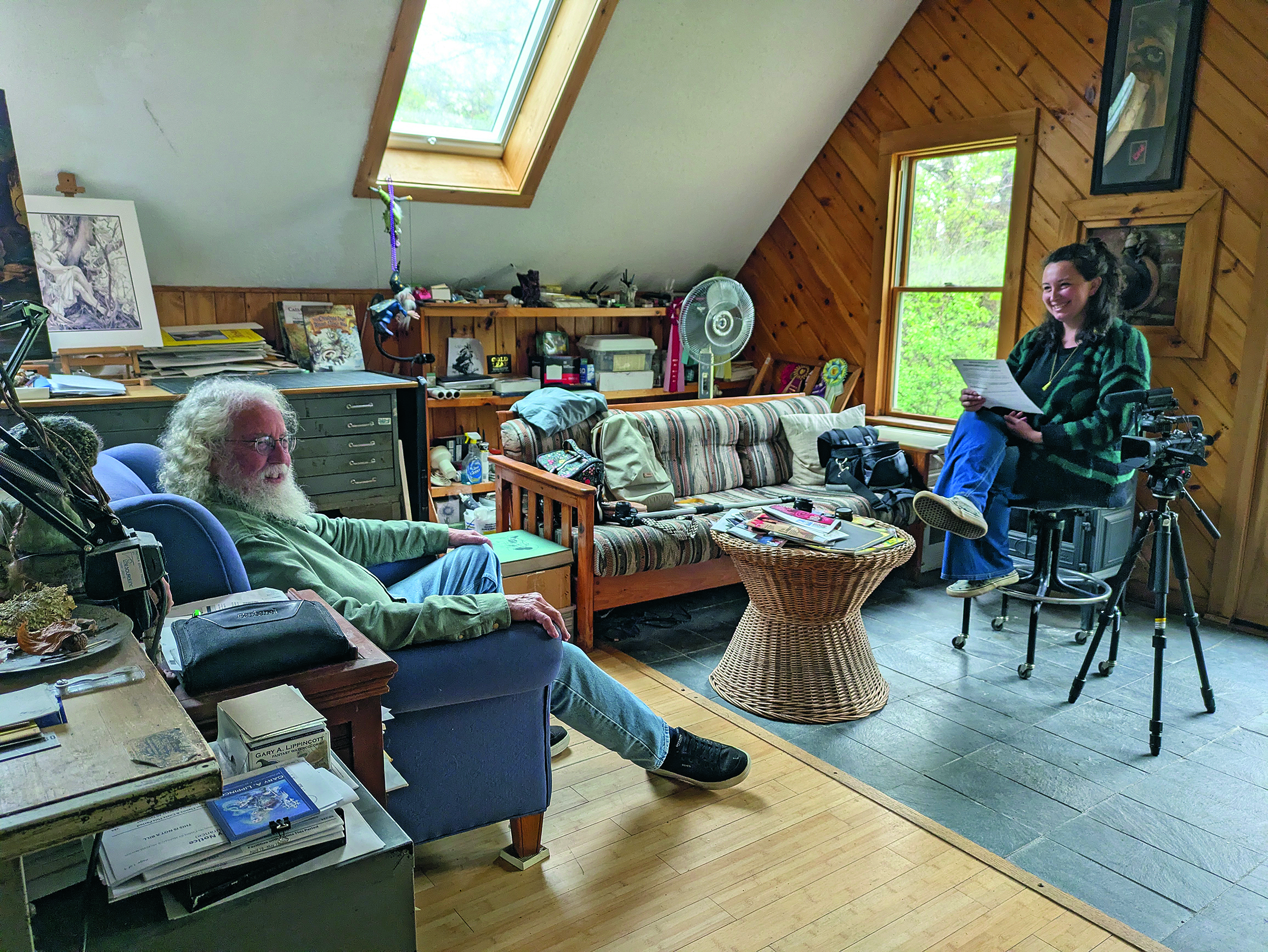
Inside, the studio is defined by light. Large windows flood the space, casting a soft, natural glow upon his stretched canvases. It is a space designed for patience, where the silence is broken only by the crackle of a tiny wood stove during the harsh Massachusetts winters and the ambient soundtracks that fuel his long painting sessions.
The Tools of the Trade: Crafting the "Old World" Aesthetic
For an artist whose work relies on the delicate interplay of light and texture, the selection of materials is non-negotiable. Lippincott maintains a professional-grade arsenal, anchored by Winsor & Newton professional-grade watercolour paints.
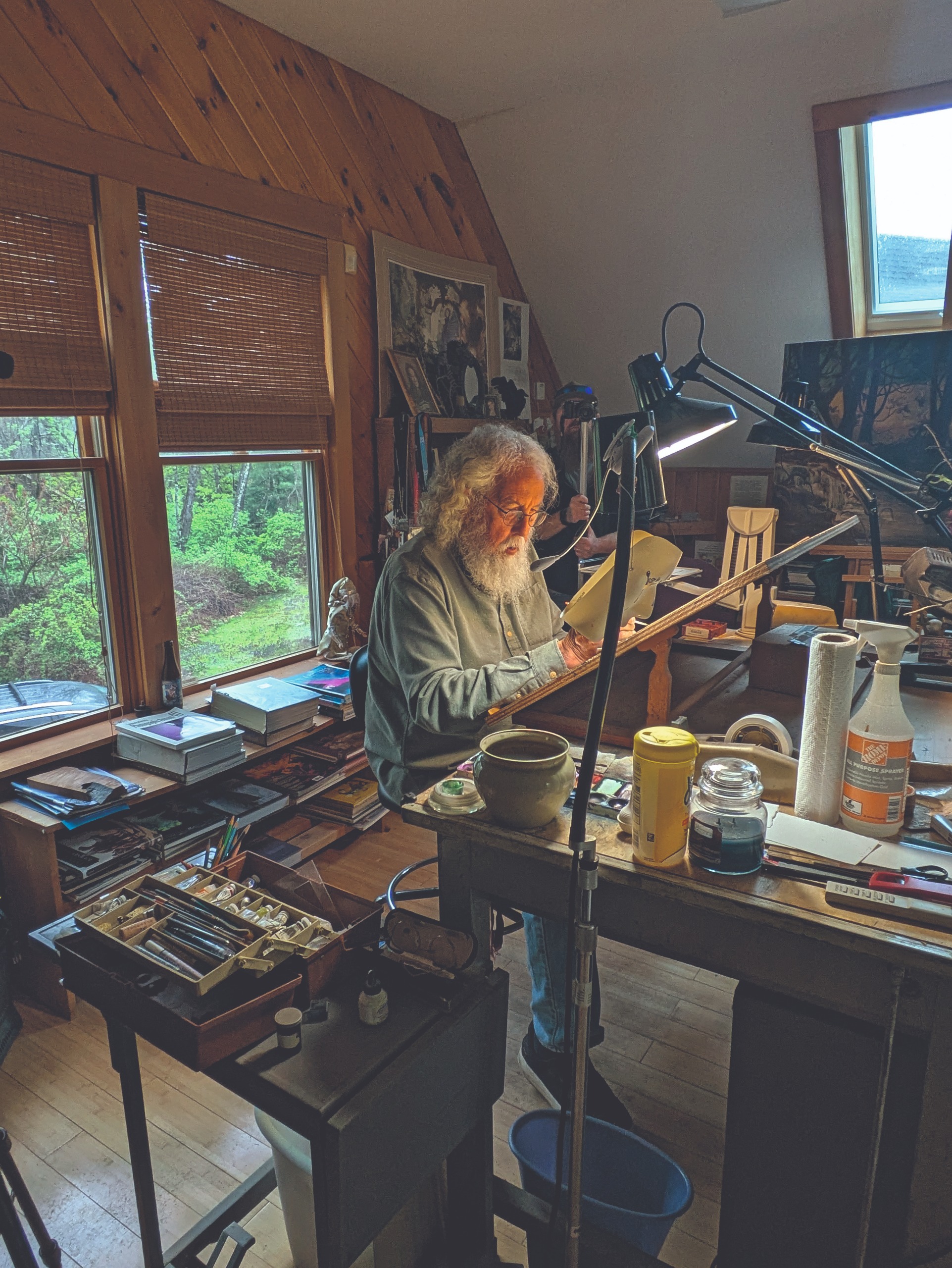
His organization system is as idiosyncratic as his artistic style: these high-end pigments are housed in a bright orange fishing tackle box—a pragmatic, utilitarian choice that stands in stark contrast to the ethereal scenes he renders.
Lippincott’s technique is a sophisticated hybrid. He seamlessly blends wet-on-wet applications, which allow for soft, bleeding gradients, with precise wet-on-dry strokes to capture the intricate details of fabric, skin, and flora. "Water, air, earth, fabric," he notes. "The technique that is used depends on the texture of the material I am trying to capture."
A Chronology of Creation: From Sketch to Masterwork
The lifecycle of a Lippincott piece is a marathon, not a sprint. His workflow is frequently interrupted by shifts in focus, as he balances multiple projects simultaneously.
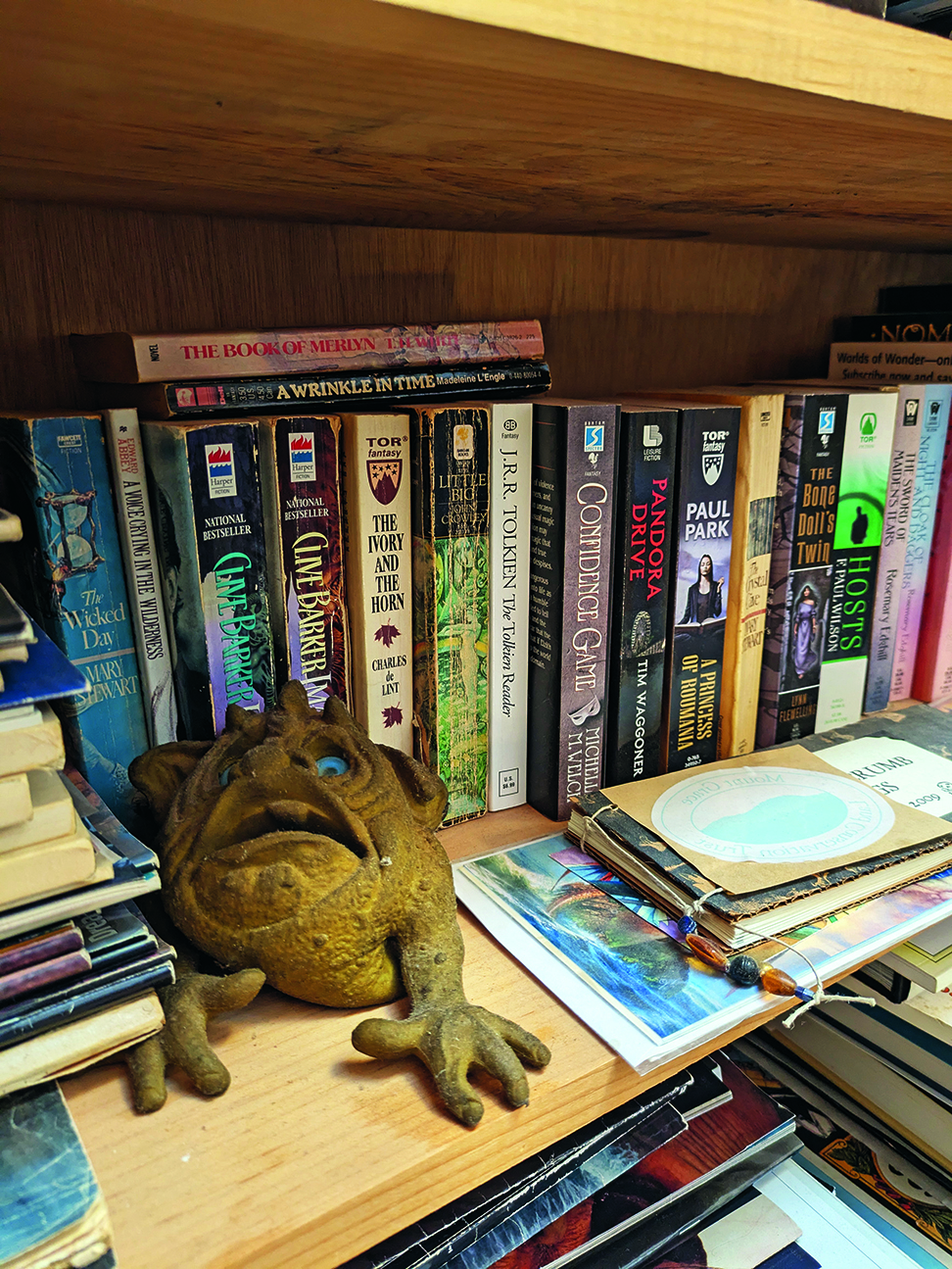
- The Conceptual Phase: Many of his works begin as sketches in the quiet hours of the morning, often surrounded by the eclectic collection of reference materials—fantasy novels, tiny puppets, and ghoulish figurines—that line his shelves.
- The Long-Term Oil Project: Beyond his watercolor commissions, Lippincott maintains a long-term oil painting project that has spanned years. Featuring a unicorn and a fawn in a dense woodland, this piece serves as a "living" work, receiving minor, deliberate touches whenever the mood strikes.
- The "Ruckus" Masterwork: Currently, the pride of the studio is a piece titled Ruckus, the largest watercolor he has ever produced at 30×40 inches. It serves as a testament to the scale and ambition of his current phase of work.
- Sculptural Diversions: When the eyes grow tired of the flat plane of the canvas, Lippincott turns to sculpture and puppet carving. These physical, tactile projects provide a necessary respite, allowing him to explore form in three dimensions before returning to the two-dimensional requirements of his illustration work.
Integrating the Modern: The Challenge of "The Socials"
In an era where the artist is expected to be a content creator, influencer, and painter simultaneously, Lippincott faces a familiar struggle: how to document the process without breaking the spell of creation. His daughter, Aja, who also serves as his art representative, is the primary catalyst for his digital presence.
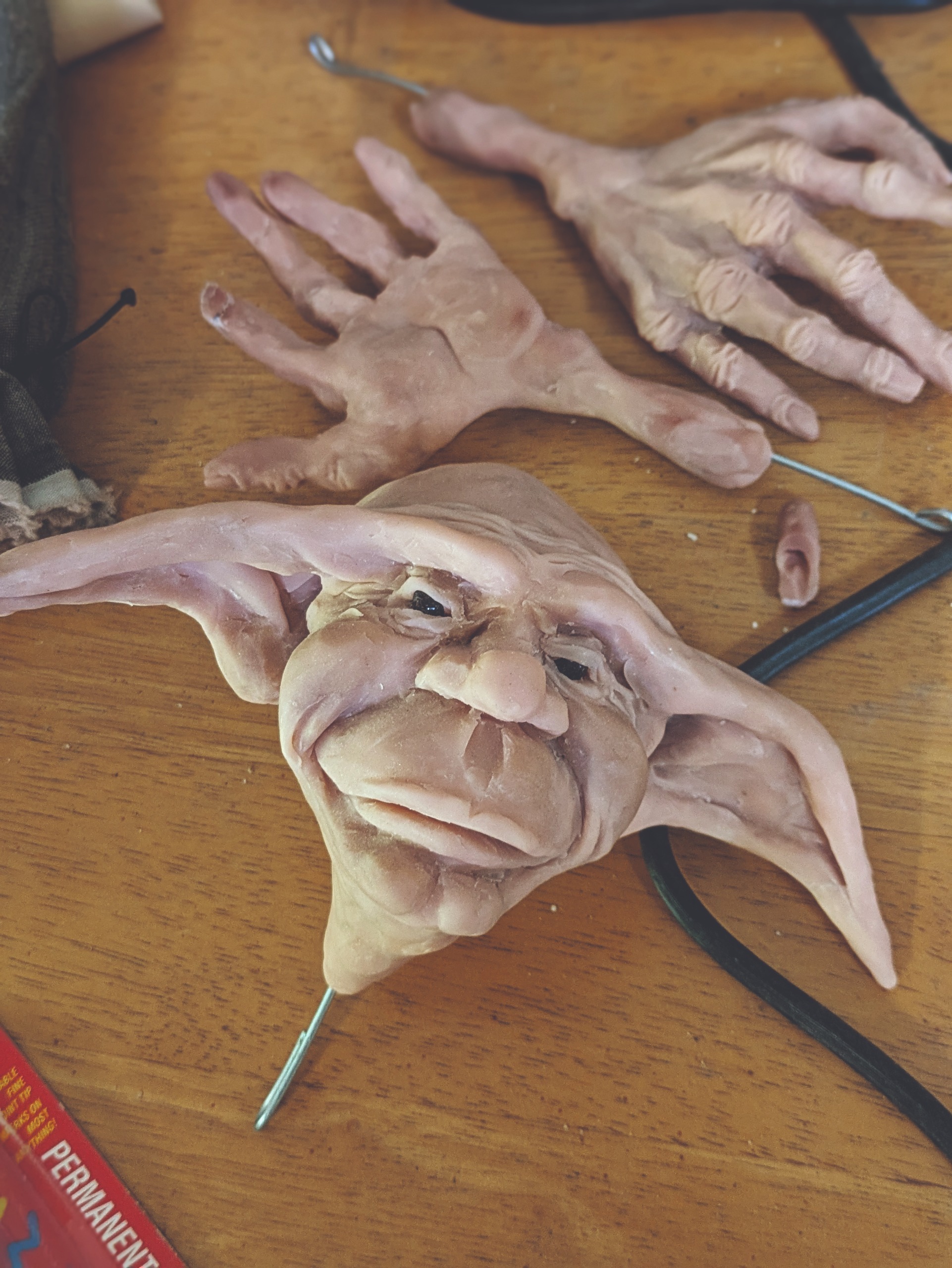
He has installed a camera—originally belonging to his son-in-law—to capture time-lapses of his painting sessions. However, he remains skeptical of the intrusion. "I’m trying to get over the idea of having a camera behind my head for hours on end," he confesses. Despite his hesitation, he acknowledges the shifting tide of the industry. His daughter’s mantra, "You have to do it for the socials," underscores the pressure even master-level traditional artists face to modernize their outreach.
The Atmosphere of the Atelier: Sound and Solitude
The soundscape of the studio is as carefully curated as the objects within it. To maintain his creative flow, Lippincott relies on a rotating library of movie soundtracks. The Last of the Mohicans and Cloud Atlas feature heavily, alongside the circus-inspired, otherworldly scores of Cirque du Soleil.
He balances these dramatic, orchestral soundscapes with the ambient, natural-inspired tones of David Lanz and Patrick O’Hearn. When he seeks a more lyrical inspiration, he turns to the "whimsical, fairy-like" voice of Tori Amos or the "earthy, grounded" tones of Fiona Apple. This auditory environment creates a cocoon that separates the studio from the outside world, effectively muting the distractions of modern connectivity.
Implications for the Modern Artist
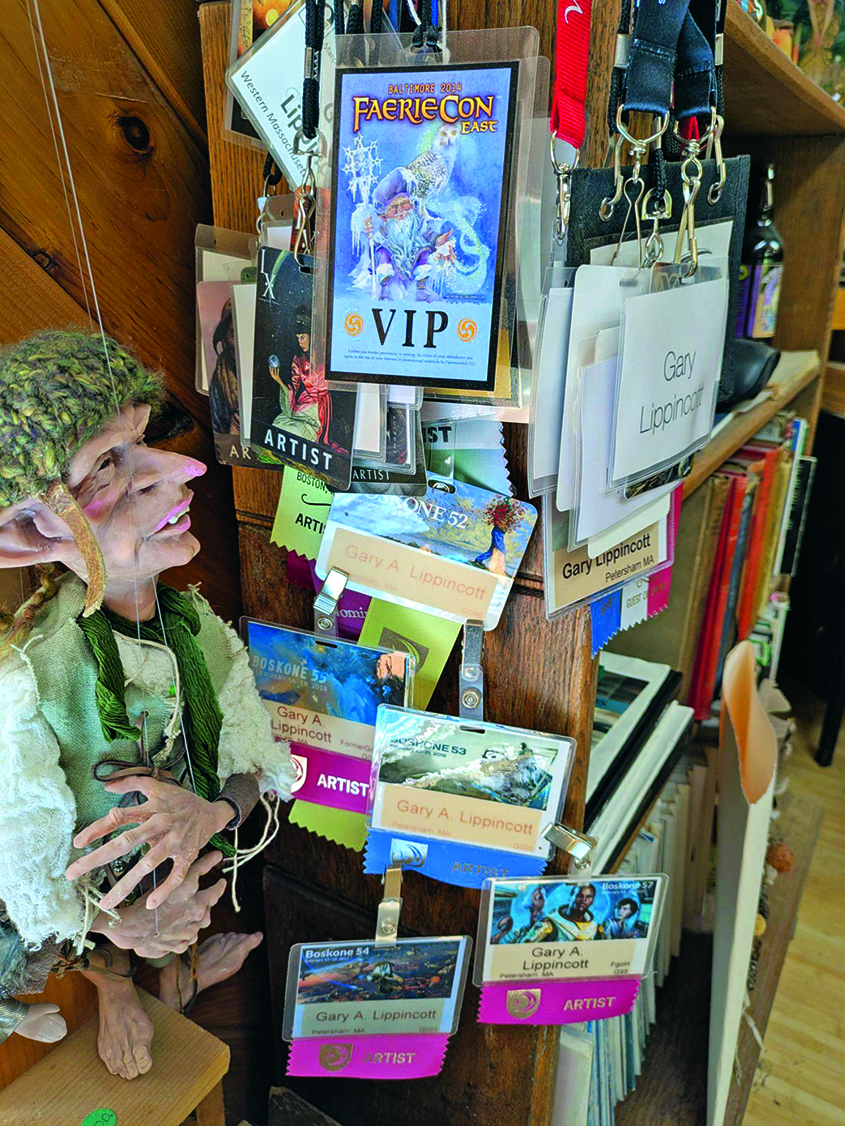
Lippincott’s studio provides a compelling blueprint for the contemporary artist. His philosophy challenges the modern drive toward extreme efficiency. By maintaining a space that values the "broken" (like his antique, non-functional fax machine) and the "whimsical" (his collection of rubber toads), he suggests that creativity is not an industrial process, but a human one.
Key Takeaways for Professional Development:
- Environment as Catalyst: The physical space should reflect the artist’s internal world. If you seek to create fairy tales, surround yourself with the artifacts of those stories.
- Tool Maintenance: Whether it’s a high-end watercolor set or an 80s-era pencil sharpener, reliable tools—and the ritual of using them—are essential for sustained output.
- Cross-Disciplinary Rests: Engaging in secondary hobbies, such as puppet carving or playing the piano, is not a distraction; it is a vital part of the creative cycle that prevents burnout.
- The "Commute" Mentality: Even if one works from home, creating a physical distinction between "life" and "work" is vital. For Lippincott, the walk across the driveway is enough to signal that the work has begun.
Final Reflections
Gary A. Lippincott does not view his life’s work as "work" in the traditional sense. It is a pursuit, a calling that blends the discipline of a craftsman with the wonder of a dreamer. In his studio in Petersham, the fairies and the elves—or at least the creative impulses they represent—are always busy rearranging the shapes in his brain.
As he sits in his large blue armchair, resting his eyes after a long session of wet-on-wet application, one realizes that the true secret of his art is not in the specific brand of paint or the quality of his brushes. It is in the permission he gives himself to exist in a space of quiet, consistent, and beautiful obsession. For any aspiring artist, the lesson is clear: build your own sanctuary, find your rhythm, and never stop nurturing the small, strange things that make your work your own.
For those interested in exploring professional-grade tools to elevate their own watercolor practice, Creative Bloq’s guide to the best watercolour paints provides a comprehensive overview of the market. For more on Gary A. Lippincott’s portfolio and upcoming exhibitions, visit his official website.
 Asep Darmawan
  Ammar Sabilarrohman
  Ali Ikhwan