
 By rifanmuazin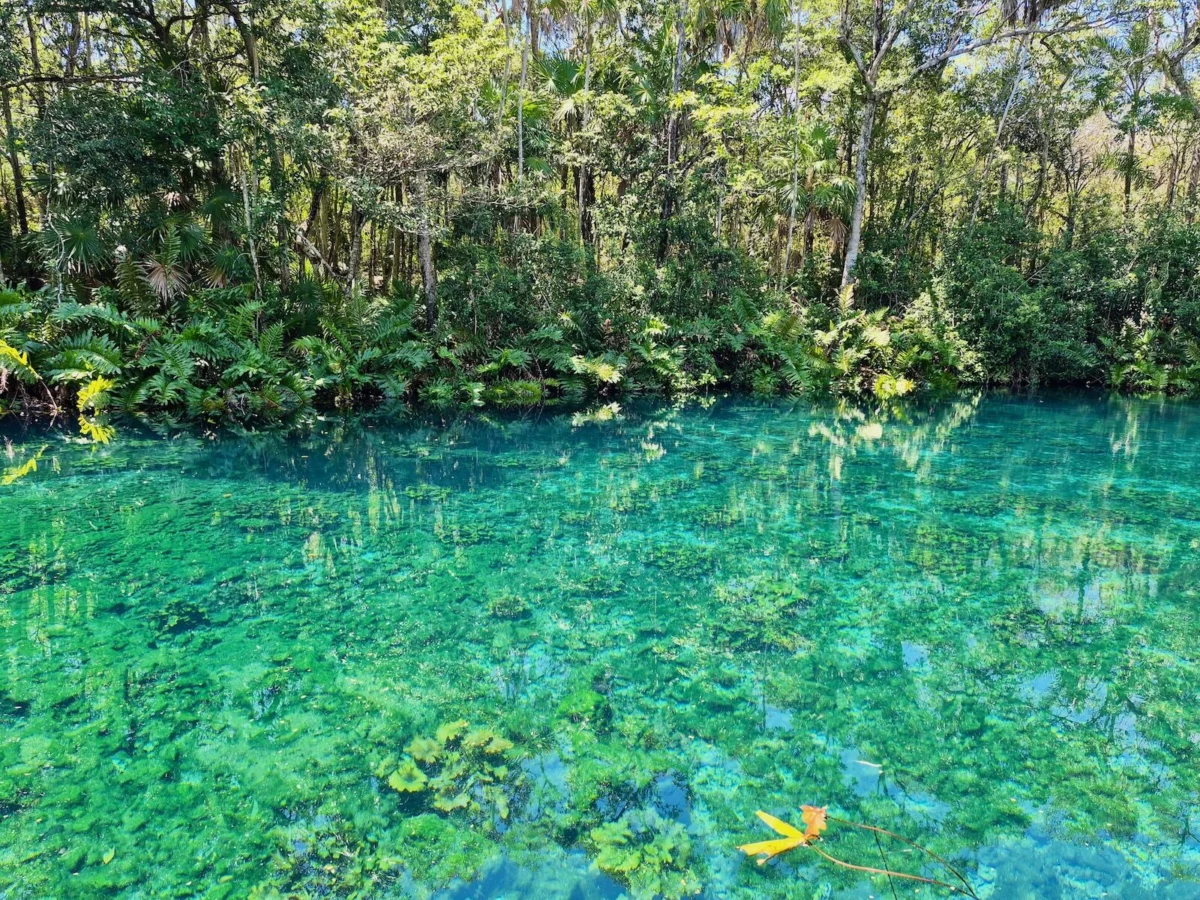
The Yucatan Peninsula is often reduced to the shimmering turquoise of its Caribbean coastline or the frenetic energy of its nightlife. However, beneath the veneer of modern tourism lies a landscape defined by millennia of sophisticated engineering, artistic mastery, and cultural resilience. A recent expedition through the heart of Quintana Roo and the surrounding Mayan heartland reveals a region where the past is not merely preserved in stone, but actively lived by the eight million descendants of the ancient Maya who continue to serve as custodians of their heritage.
Main Facts: The Intersection of History and Modernity
The expedition, facilitated by Intrepid, focuses on shifting the traveler’s gaze from the "tourist trail" to the authentic, community-led experiences that define the region. The itinerary centers on four pillars: the preservation of ancient pigments, the culinary evolution of regional staples, the ecological management of sacred water sources, and the archaeological significance of sites like Cobá and Chichén Itzá.
Key to this experience is the concept of "responsible tourism"—a mandate that prioritizes Mayan-operated venues, such as the Tankah cenotes and the Sian Ka’an Biosphere Reserve, over large-scale commercial entities. By bypassing mass-market tourism, travelers gain access to a deeper, more nuanced understanding of Mayan cosmology and societal structure, grounded in the reality that the Maya are not a lost civilization, but a thriving, contemporary culture.
Chronology: A Four-Day Immersion
Day 1: The Blue of the Ancients
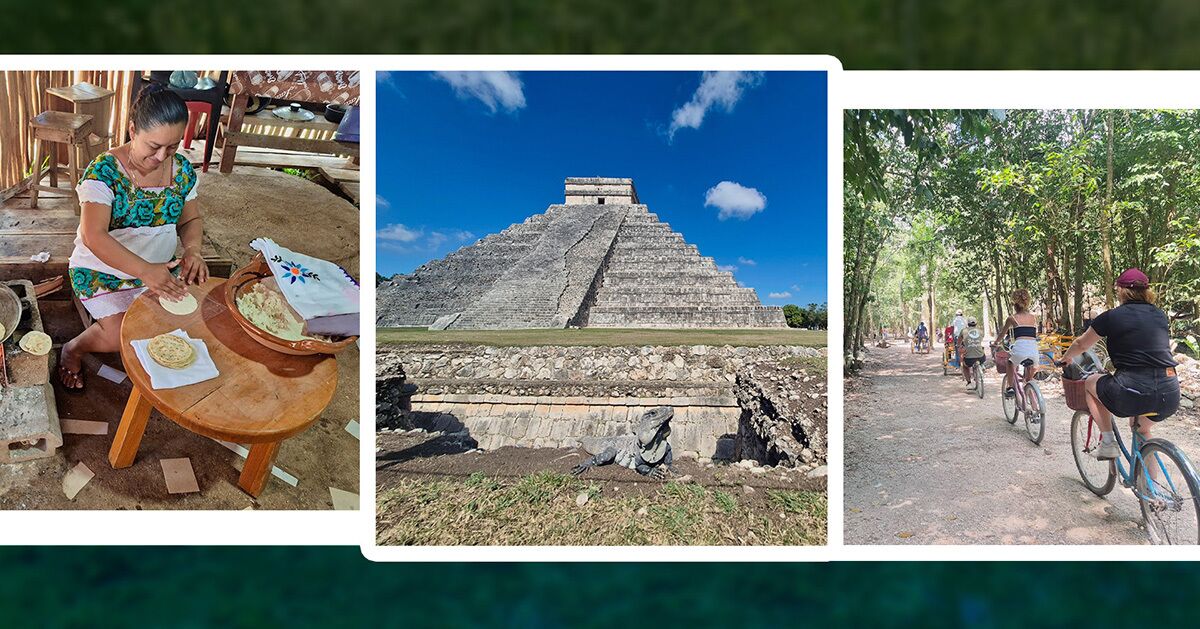
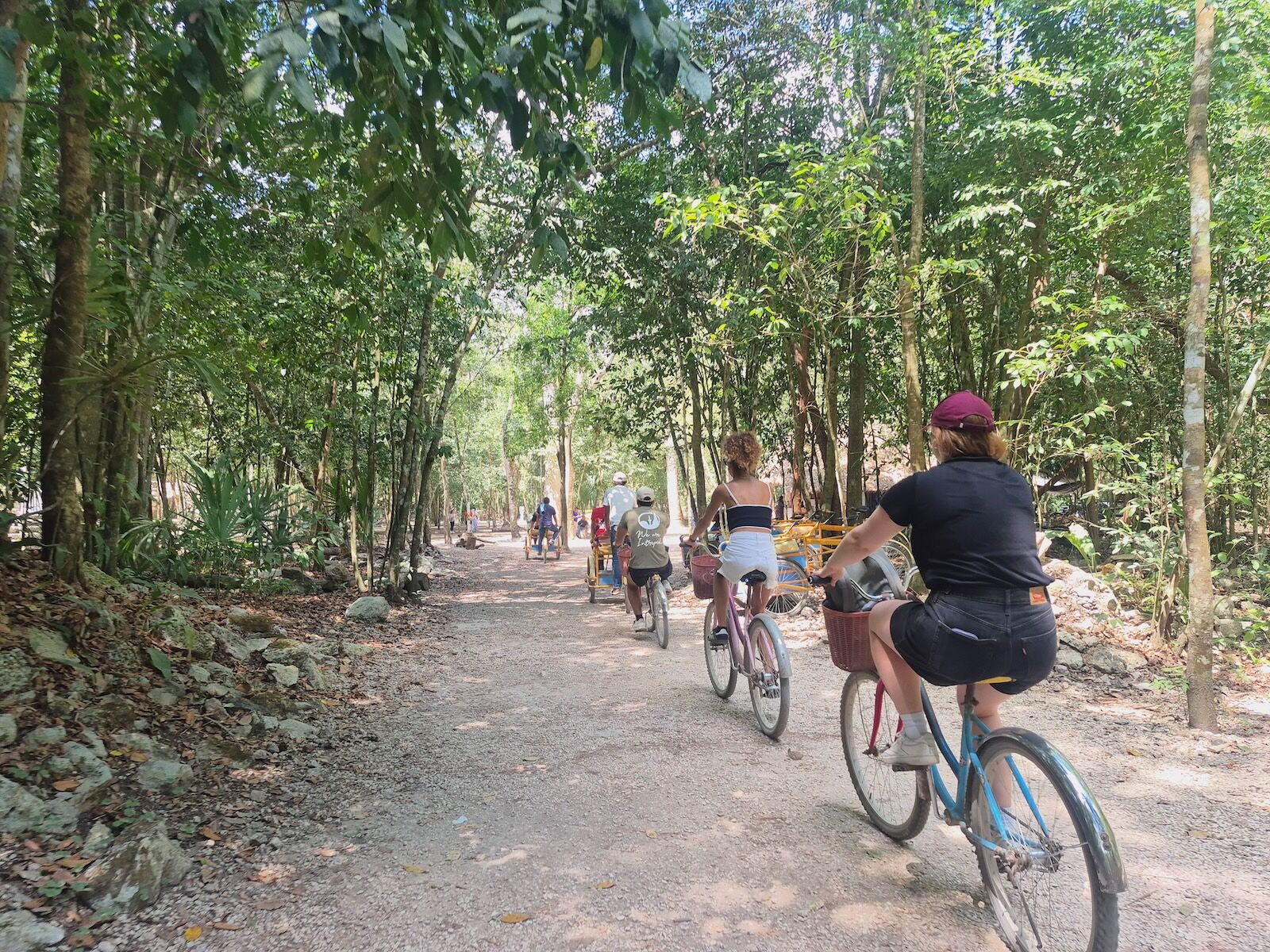
The journey began at the Cobá Archaeological Site. Unlike the manicured lawns of more famous ruins, Cobá offers an immersive experience, with visitors cycling through dense jungle paths connecting clusters of structures. The highlight is the Nohoch Mul pyramid, which, at 138 feet, remains one of the tallest in the peninsula.
It was here that our guide pointed out a subtle, lingering smudge of "Maya Blue" on a shrine entrance. This pigment, a testament to ancient chemical engineering, was the focus of our afternoon in Xunán Kab. We met with Arturo, an artisan dedicated to reviving the lost technique of bonding indigo and mineral-rich clay. Watching him work—using intuition rather than measuring tools—provided a stark contrast to modern mass production. Each participant was invited to dye their own fabric in the simmering, indigo-rich vat, a process governed by the lunar cycle and imbued with the same spiritual significance the ancients once accorded to gold.
Day 2: The Alchemy of Cochinita Pibil
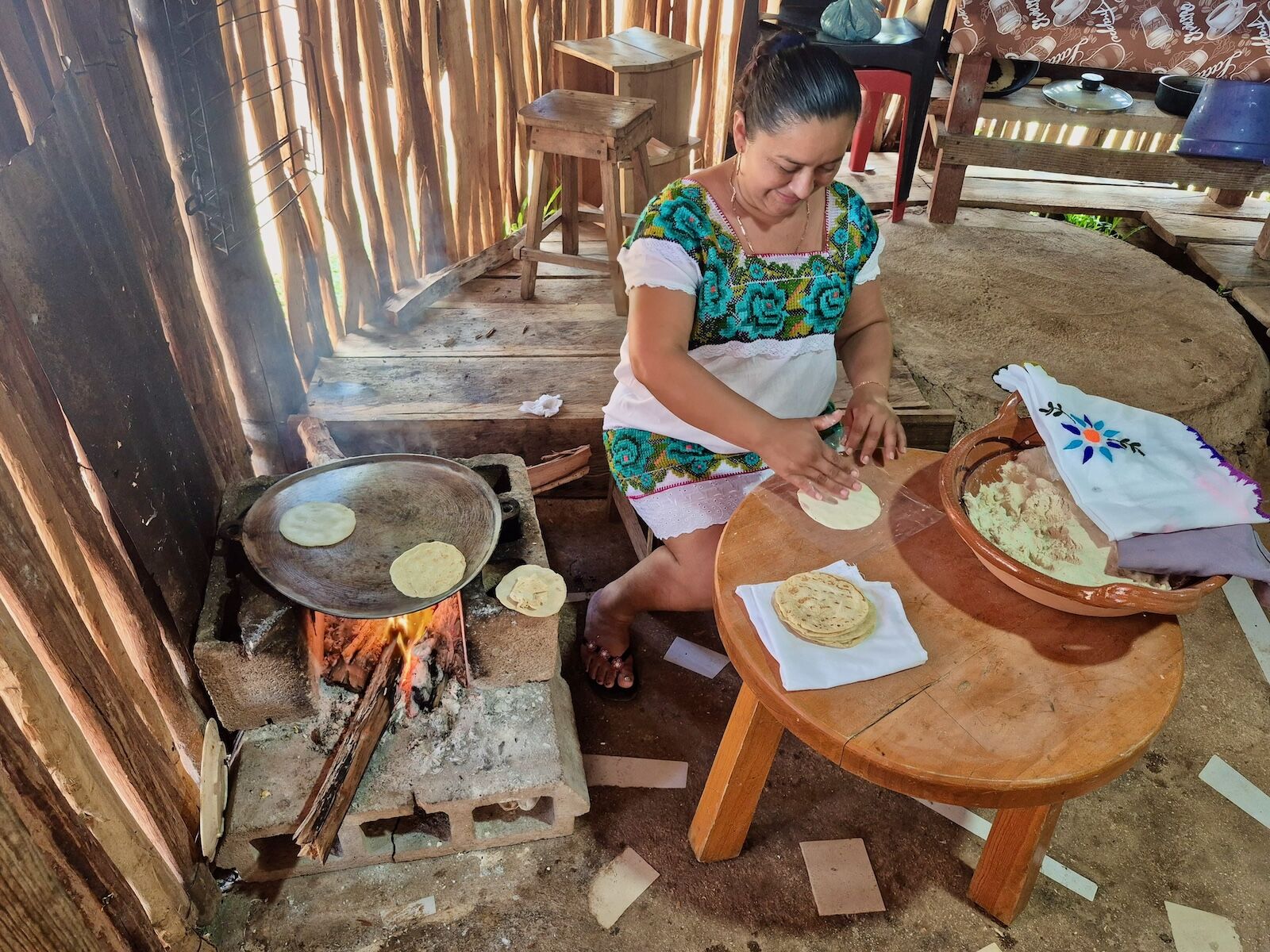
In the Yaxuna community, the focus shifted from color to flavor. Cochinita pibil, the Yucatan’s signature slow-roasted pork, serves as a bridge between the ancient and the modern. We learned the traditional preparation: marinating pork in achiote—a spice derived from the annatto tree—and wrapping it in banana leaves before burying it in a pib (an earth oven).
The culinary lesson highlighted how the dish has evolved; while the pib technique remains, the original recipe utilized native game and local wild fruits, which were later adapted to include pork and oranges following the Spanish arrival. The labor-intensive process, from grinding spices by hand to shaping masa for fresh tortillas, served as a communal effort that culminated in a shared meal, grounding the group in the simplicity and warmth of a traditional Mayan kitchen.
Day 3: Sacred Waters and Managed Landscapes
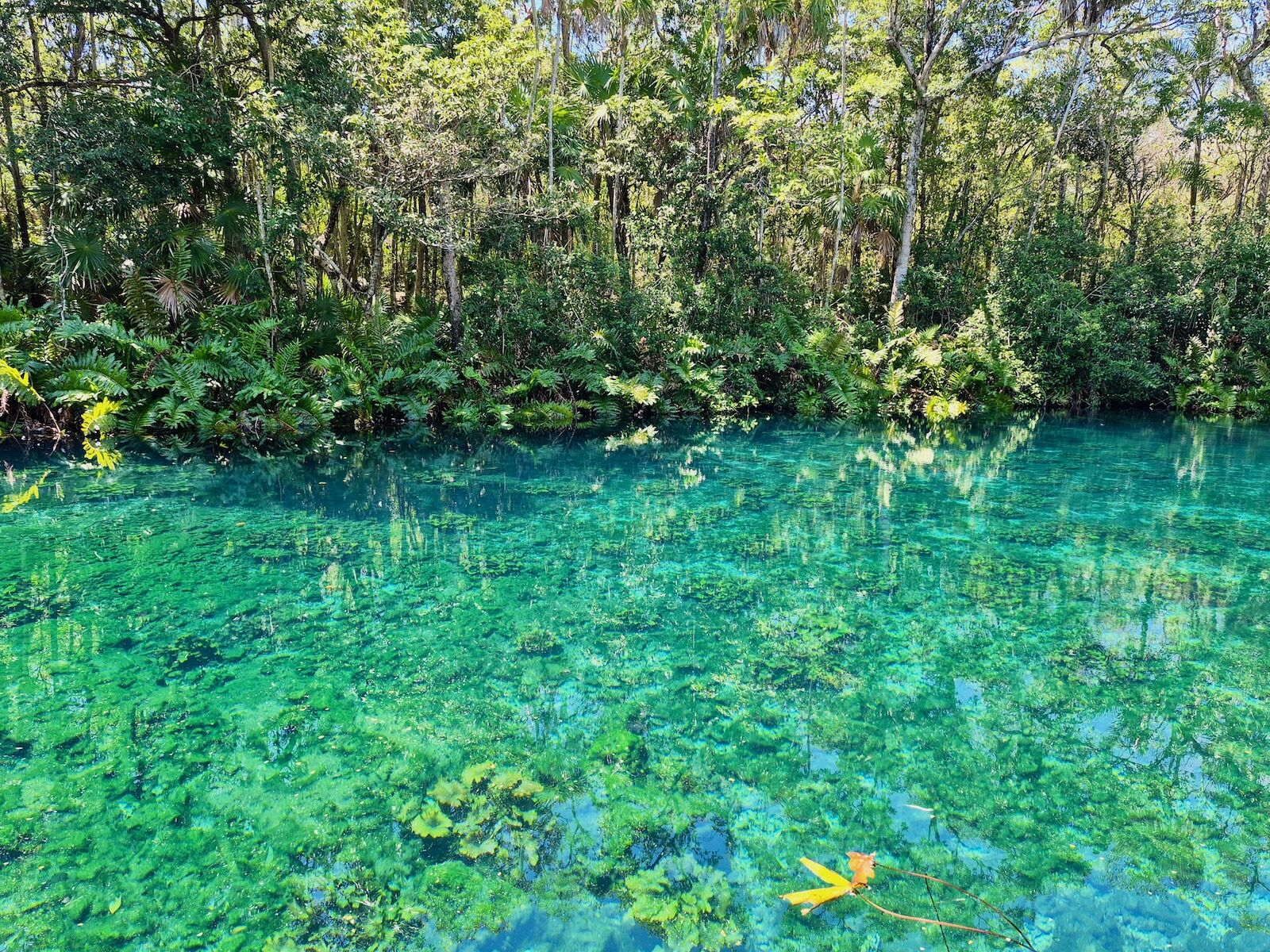
Tulum’s appeal is inseparable from its cenotes—naturally occurring sinkholes formed by the same geological cataclysms that altered the Earth millions of years ago. At the Mayan-operated Tankah site, we learned that these pools are not just swimming holes; they are sacred gateways to the underworld (Xibalba).
The afternoon was spent navigating the Sian Ka’an Biosphere Reserve. As a UNESCO World Heritage site, Sian Ka’an is a model for sustainable travel. No large tour buses or massive all-inclusive resorts are permitted. Instead, visitors travel by boat through narrow, mangrove-lined channels. The experience was transformative: drifting through canals engineered by the Maya over a millennium ago, observing manatees and sea turtles in their natural habitat, and witnessing a level of environmental stewardship that challenges the standard development model of the Mexican Caribbean.
Day 4: The Monumental Legacy of Chichén Itzá
The final day brought us to Chichén Itzá. While Cobá offers a sense of wild discovery—with over 95% of its structures still reclaimed by the jungle—Chichén Itzá provides the necessary scale to understand the mathematical and astronomical genius of the Maya.
Our guide, an expert in Mayan archaeology, explained the precision of "El Castillo," the temple that functions as a massive stone calendar. Despite the presence of large crowds, the site remains a powerful testament to human achievement. Recent 2025 archaeological findings, which confirm the existence of powerful female rulers in the region, continue to rewrite the history books, proving that our understanding of Mayan societal structure is still evolving.
Supporting Data: The Socio-Economic Impact
The shift toward community-led tourism is not merely a preference but an economic necessity for the preservation of the Yucatan. According to local reports, community-managed sites like Tankah return a significantly higher percentage of revenue to the local economy compared to government-owned or private commercial parks.
Furthermore, the emphasis on archaeological site protection is paramount. With the recent uncovering of hieroglyphs identifying long-forgotten queens, the need for limited, controlled tourism is higher than ever. By restricting access and emphasizing education, sites like Cobá ensure that future generations can continue to study the site without the degradation associated with over-tourism.
Official Responses and Cultural Context
"The Maya are not in the past; they are the present," notes Arturo, the artisan of Xunán Kab. This sentiment is echoed by the cultural custodians who manage the sites we visited. There is a concerted effort by Mayan collectives to reclaim the narrative of their ancestors from the "conquistador lens."
By focusing on the Mayan language, cosmology, and traditional arts, these collectives are effectively decolonizing the tourism experience. The prohibition of large-scale development in zones like Sian Ka’an serves as a legislative success story, proving that when local Mayan councils hold the power of oversight, the environment and the cultural heritage are better served.
Implications for Future Travel
The itinerary highlights a burgeoning trend in global travel: the demand for "intellectual tourism." Travelers are increasingly seeking to understand the "why" and "how" behind a destination rather than just the "what."
The implications are clear:
- Sustainability as a Standard: The success of the Sian Ka’an model suggests that strict visitor caps and prohibitions on large-scale infrastructure are the only viable ways to protect sensitive ecosystems.
- Community Sovereignty: The most profound experiences were those operated by the Mayan people themselves. This model creates a symbiotic relationship where the tourist receives an authentic education, and the community receives the financial and social capital to maintain their traditions.
- Historical Fluidity: As archaeology continues to unveil new truths—such as the role of female leaders—tourism must adapt to prioritize educational depth over superficial sightseeing.
In conclusion, the journey from the jungle paths of Cobá to the celestial alignments at Chichén Itzá is more than a vacation. It is an acknowledgment of a civilization that has refused to disappear. For those looking to traverse the Yucatan, the choice is no longer between luxury and history, but between being a passive observer and an active participant in the ongoing story of the Maya. By choosing routes that honor the land and its people, we ensure that the legacy of the "sky born" remains for centuries to come.
 Nana Wu
  Jia Lissa
  Evan Lee Salim