
 By Asep Darmawan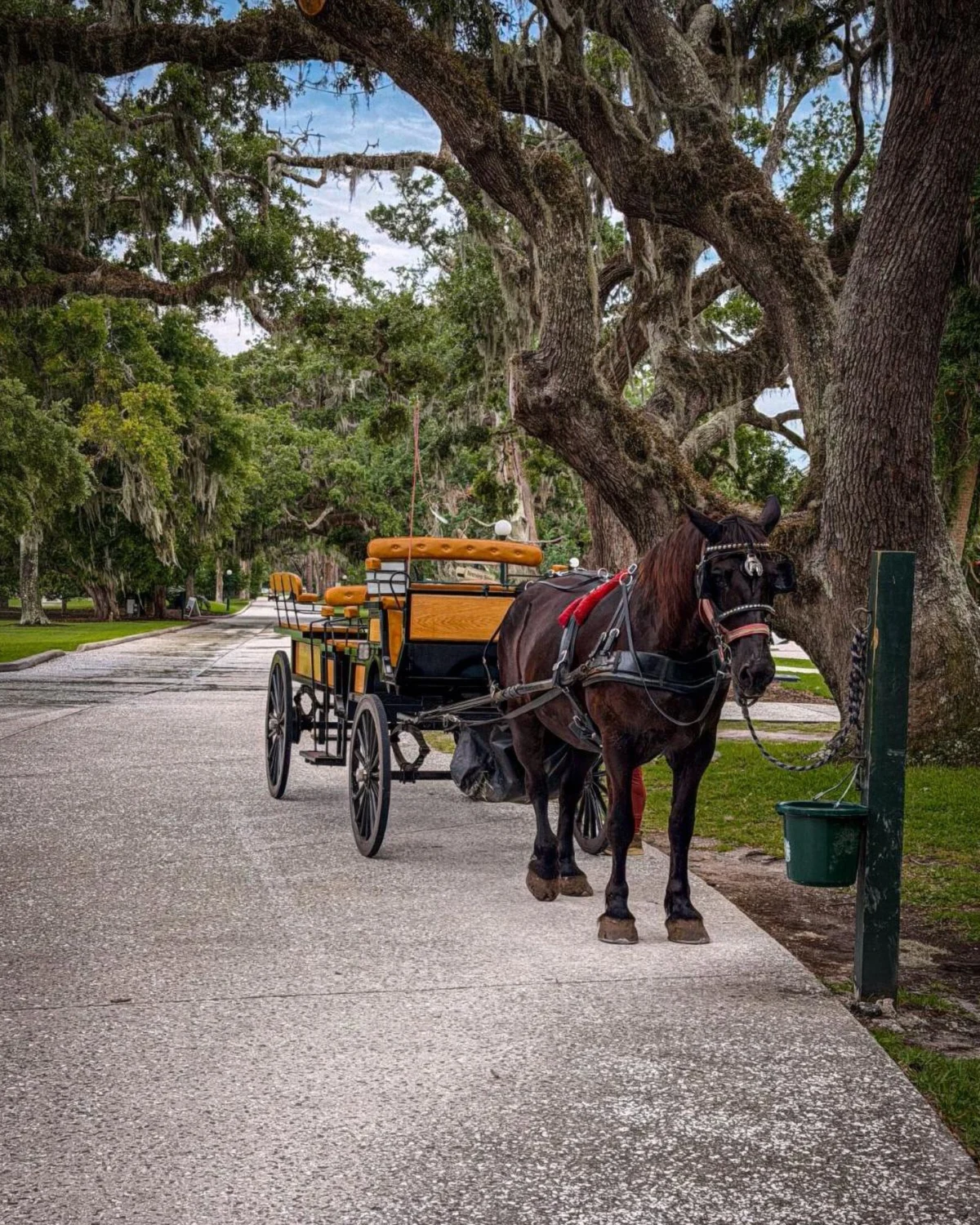
Jekyll Island, one of Georgia’s most cherished Golden Isles, exists as a rare paradox in the American landscape: a place where opulence meets conservation, and where the echoes of the Gilded Age harmonize with the rhythms of a protected maritime ecosystem. Located off the state’s southeastern coast, the island is shielded by strict state mandates that cap development at 35 percent of its total acreage. This commitment to preservation ensures that the island remains a sanctuary for both wildlife and travelers, accessible via the Downing Musgrove Causeway for a modest $10 parking fee.
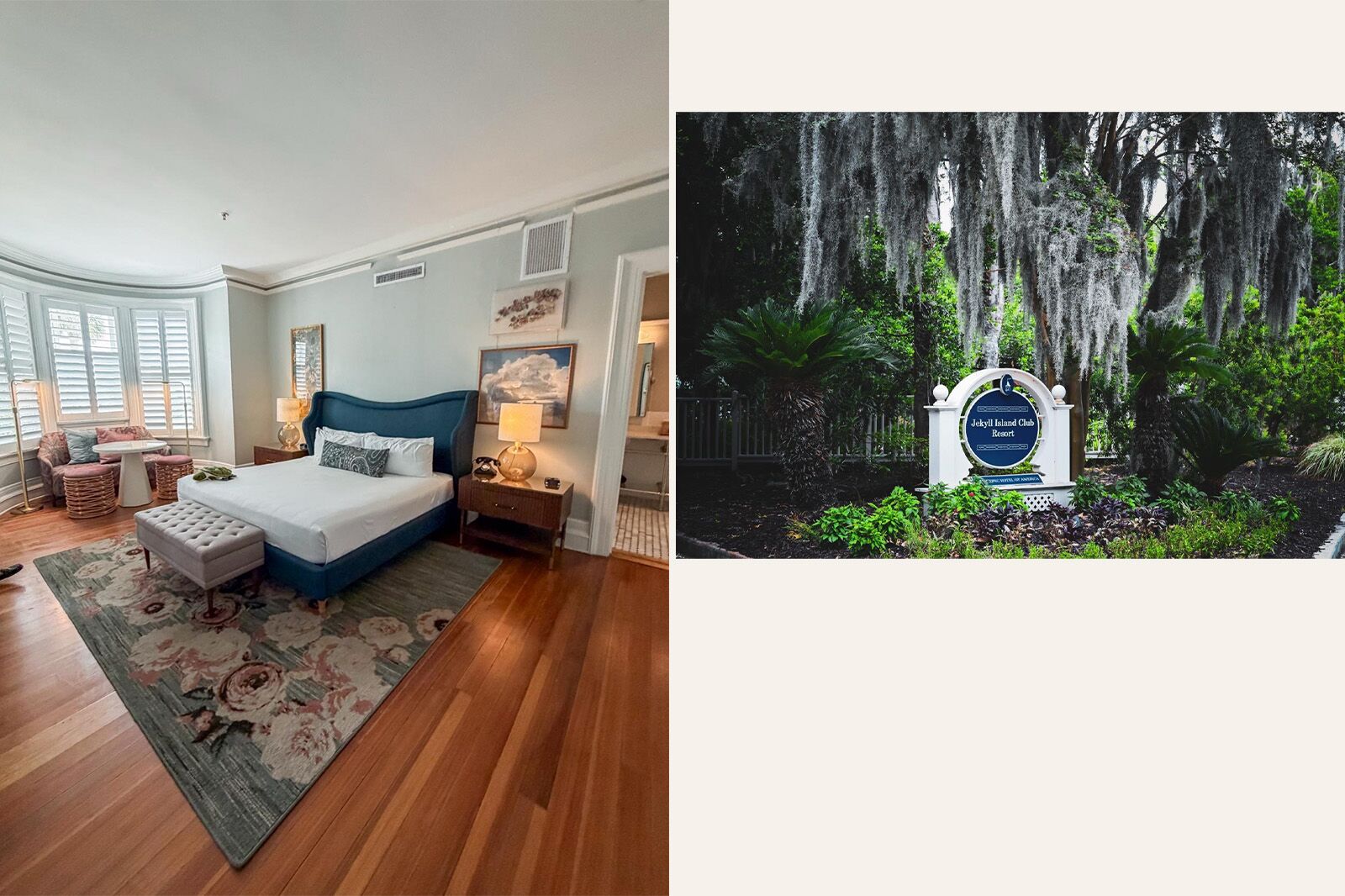
At the heart of this island lies the Jekyll Island Club Resort, a destination that offers three distinct tiers of hospitality: the storied main clubhouse, a collection of historic cottages, and the modern, beach-centric Ocean Club. Whether one is drawn by the weight of American history or the solace of a sun-drenched shoreline, the resort serves as a living archive of a bygone era, meticulously adapted for the contemporary traveler.
Main Facts: A Haven of History and Preservation
The Jekyll Island Club Resort is not merely a hotel; it is the cornerstone of the 240-acre Jekyll Island National Landmark Historic District. The property’s identity is defined by its architectural legacy—spanning from the 1880s to the 1920s—and its geographic position between riverfront serenity and Atlantic expanse.
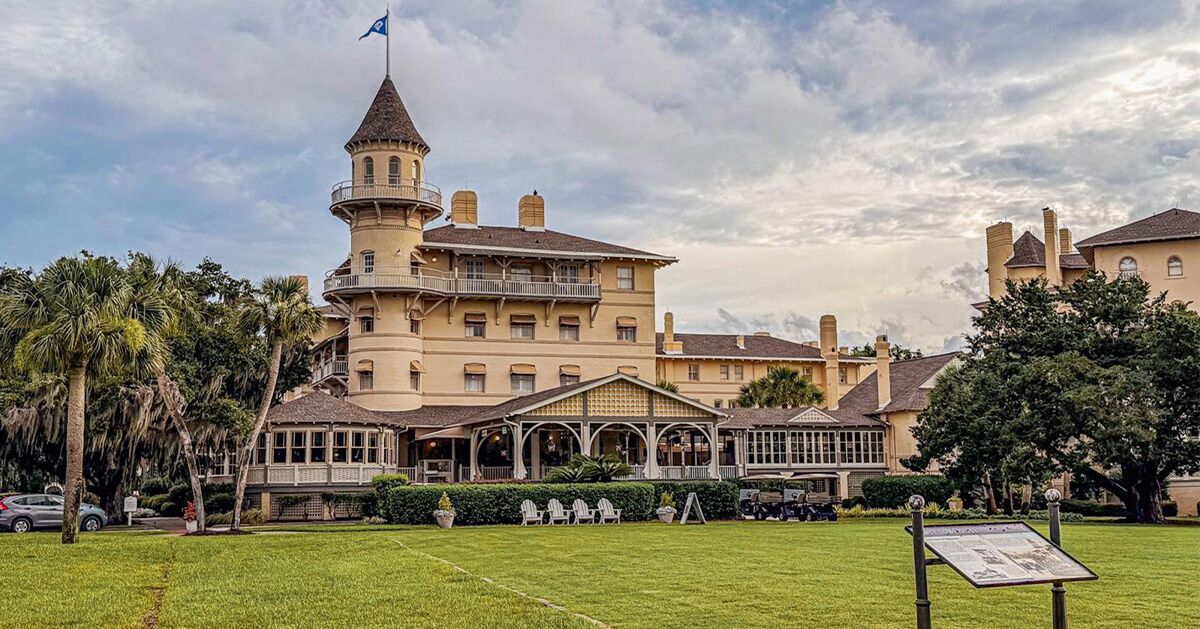
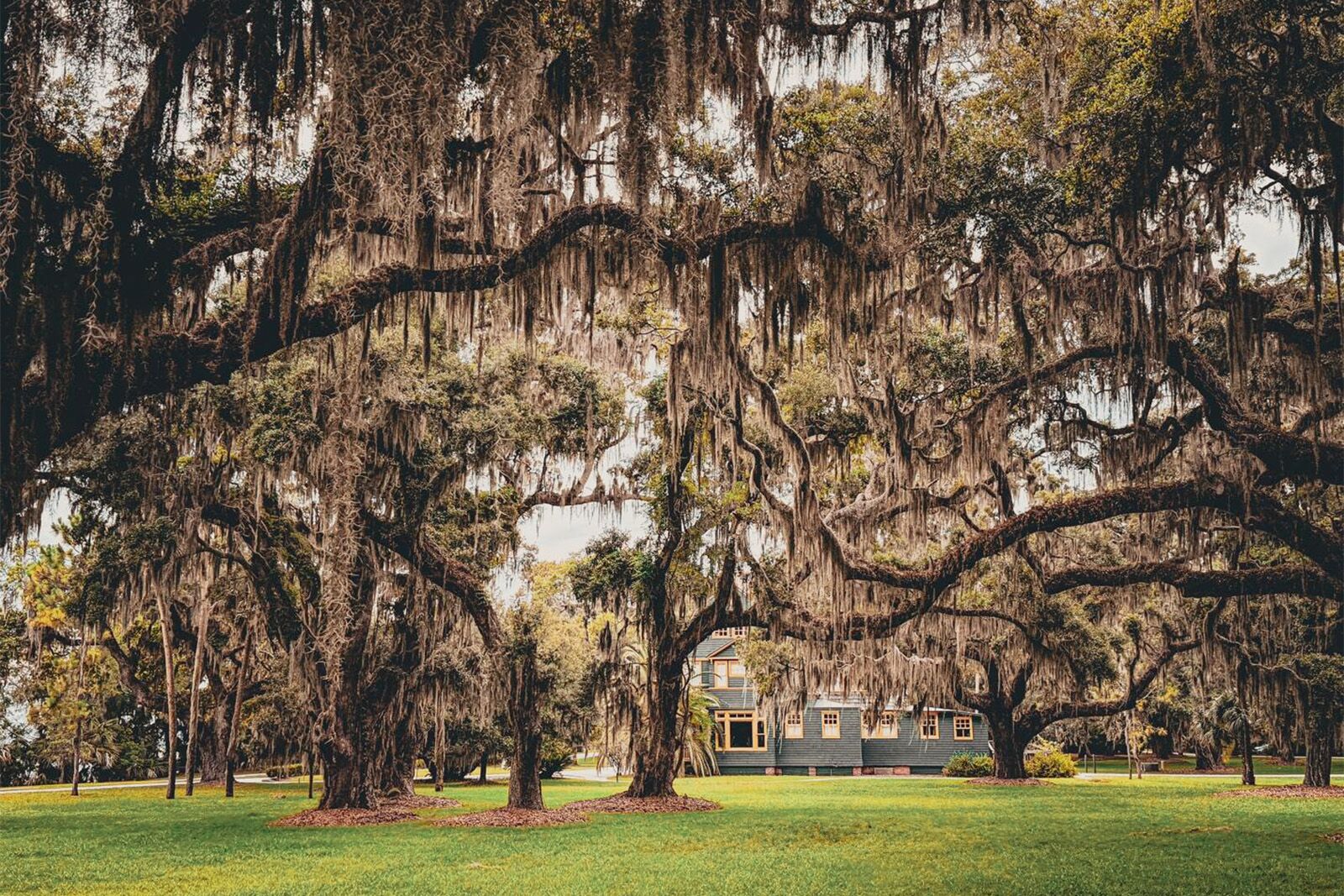
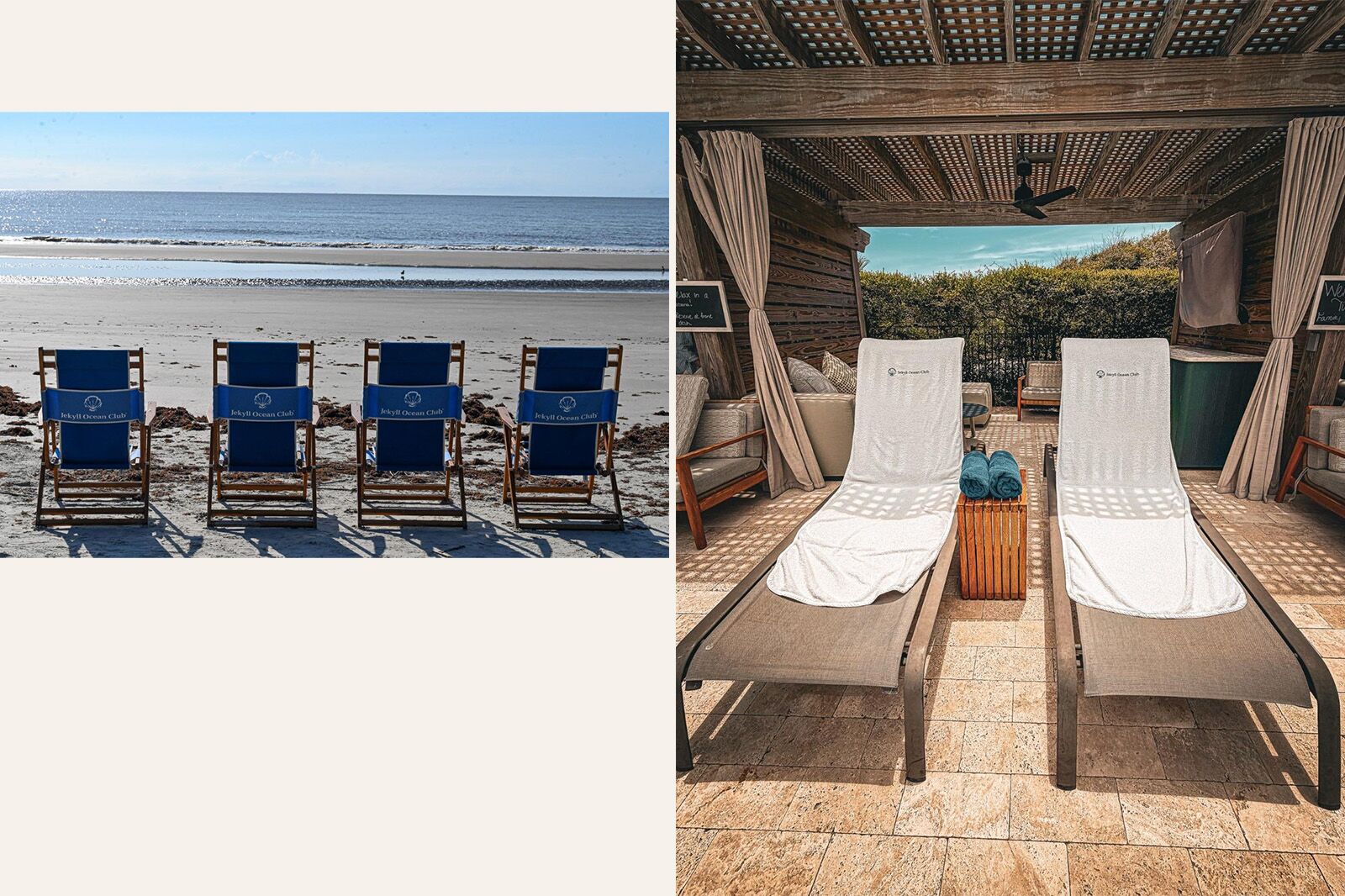
The resort’s primary allure is its dual nature. The historic clubhouse, opened in 1888, was once the exclusive retreat of the American elite, including the Rockefellers, Vanderbilts, and Morgans. Today, that legacy is preserved through the maintenance of original oak-lined paths, Spanish-moss-draped green spaces, and meticulously restored cottages. Conversely, the Jekyll Ocean Club provides a modern counterpoint, trading the Victorian-era grandeur of the interior for the salt-aired, all-suite luxury of the beachside.
Chronology: Milestones that Shaped a Nation
To understand the Jekyll Island Club is to understand the secret history of the 20th century. The island has served as the backdrop for events that fundamentally altered the course of American finance and technology.
1910: The Birth of the Federal Reserve
One of the most consequential events in American economic history occurred in absolute secrecy beneath the clubhouse’s stained-glass windows. In 1910, a clandestine group of the nation’s most powerful financiers and government officials gathered under the guise of a "duck hunting" trip. They arrived separately, using only first names, to draft the framework for what would eventually become the United States Federal Reserve System. The leaded glass windows, which still cast dancing light across the dining room today, were the silent witnesses to the birth of modern central banking.
1915: The First Transcontinental Call
Five years later, Jekyll Island became the nexus of a technological revolution. AT&T President Theodore Vail, stranded on the island due to a broken leg, refused to miss the ceremonial first transcontinental telephone call. Engineers scrambled to wire the island into the long-distance network. On January 25, 1915, history was made: Vail spoke from the island, Alexander Graham Bell responded from New York, Thomas Watson answered from San Francisco, and President Woodrow Wilson joined the call from Washington, D.C.
2000: Cinematic Echoes
The property’s history continued to evolve in the new millennium. The Alexander Bar and Boar’s Head Lounge—a favorite spot for guests today—is a direct artifact of Hollywood. Originally constructed as a set for Robert Redford’s 2000 film, The Legend of Bagger Vance, the structure was so well-crafted that the Club acquired it, preserving a piece of cinematic history as a permanent fixture for modern imbibers.
Supporting Data: The Architecture of Experience
The resort’s offerings are categorized by their architectural and historical significance. The cottages, in particular, provide a unique lens into the past.
- Crane Cottage: Built in 1917, this Northern Italian-style villa is perhaps the most requested venue for high-profile weddings and celebrations. Its grand, open-air courtyards and fountain-centric design feel inherently European, yet it sits seamlessly within the Southern coastal landscape.
- Cherokee Cottage: Constructed in 1904, this property offers a more intimate, residential experience. With only 10 guest rooms, it emphasizes the "great room" lifestyle, encouraging social interaction among guests.
- Sans Souci: Meaning "without care," this 1896 structure, once partially owned by J.P. Morgan, stands as one of the earliest examples of a condominium-style arrangement in the United States.
- Hollybourne: A structural marvel built in 1890 by a bridge engineer. Its unique truss system, which remains visible today, serves as a testament to the era’s innovative construction techniques. Having completed a major restoration in 2025, it is now a centerpiece for public education and private events.
The resort’s culinary program, led by chefs such as Matthew Raiford at Eighty Ocean Kitchen and Bar, reinforces the connection to the region. By utilizing local Lowcountry ingredients—Carolina Gold rice, fresh Atlantic seafood, and regional produce—the dining experience acts as an extension of the island’s natural environment.
Official Responses and Conservation Efforts
The Jekyll Island Authority (JIA) manages the island with a strict mandate: self-sustainability. Funds generated from resort leases, parking tolls, and tourism are reinvested directly into the preservation of the landscape.
One of the most notable components of this management is the Georgia Sea Turtle Center. This facility operates as a working hospital, providing critical care for sick and injured sea turtles and other coastal wildlife. The JIA’s commitment to the environment extends to its infrastructure; light pollution is kept to an absolute minimum to ensure that hatchlings are not disoriented, a testament to the island’s priorities: conservation first, tourism second.
Implications: The Future of Responsible Luxury
The success of the Jekyll Island Club Resort implies a shift in luxury travel trends. Travelers are increasingly seeking destinations that offer "layered" experiences—where the comfort of a high-end stay is bolstered by authentic historical narrative and environmental stewardship.
The resort’s ability to maintain its historic integrity while integrating modern luxuries (such as the Ocean Club’s suite-style accommodations) suggests a viable roadmap for historic preservationists. By utilizing the cottages for overnight stays, the resort ensures that these structures remain "lived-in" rather than becoming stagnant museum pieces. The creak of the floorboards and the salt-cured air are not flaws to be smoothed over; they are the core assets of the brand.
Planning Your Visit
For those planning a trip, the logistics are straightforward. The island is located approximately 90 miles south of Savannah and 65 miles north of Jacksonville. While Jacksonville (JAX) often offers more direct flight paths, the drive to the island is a scenic introduction to the coastal marshes.
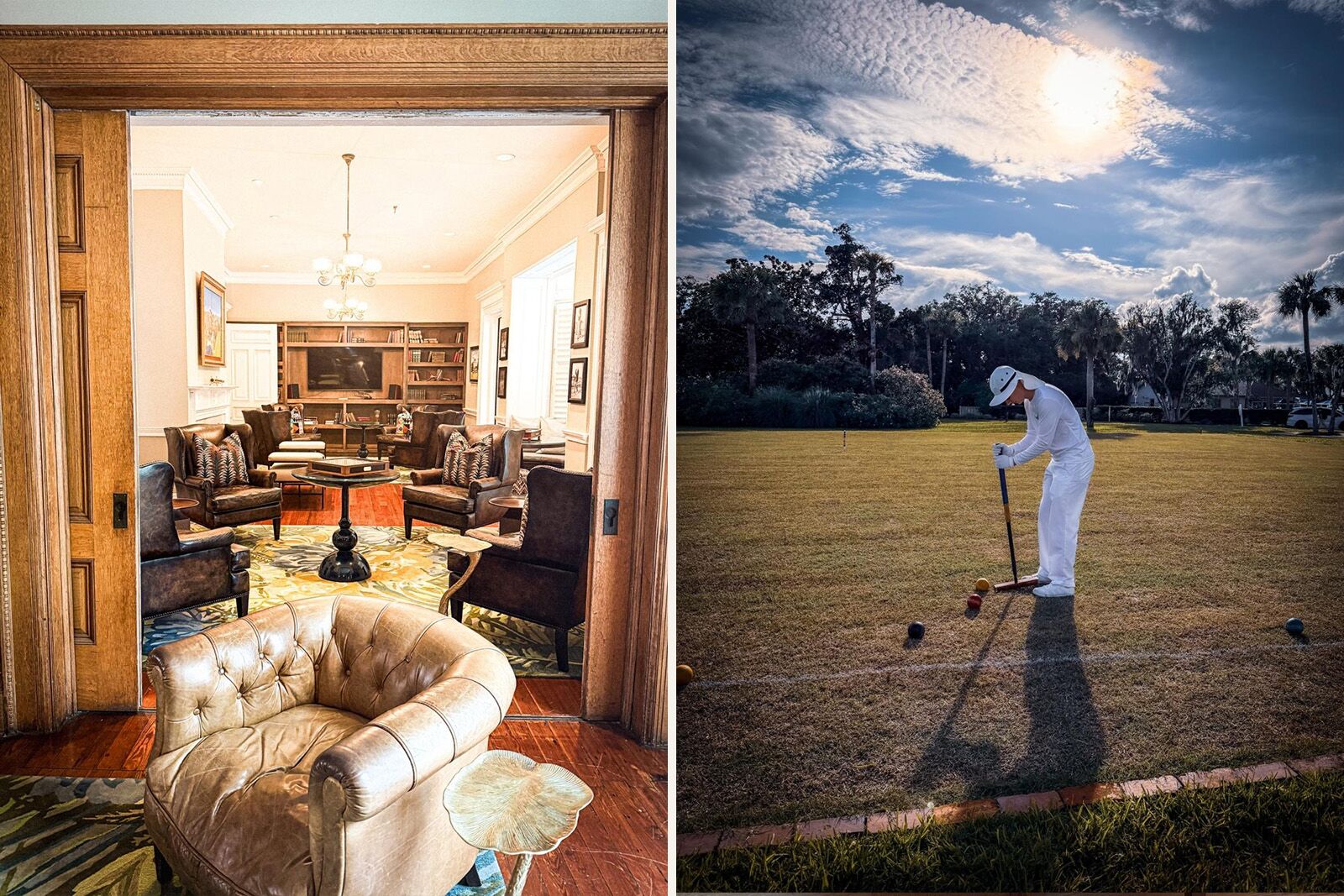
Travelers should pay close attention to the seasonal calendar. Events like Braderie South in August bring a touch of European street-fair culture to the croquet lawns, while the Holly Jolly Jekyll winter festival transforms the historic district into a luminous landscape. Whether visiting for the history, the culinary scene, or the quiet solitude of the dunes at sunrise, Jekyll Island offers a rare opportunity to disconnect from the frantic pace of the mainland and reconnect with a landscape that remains, in every sense, timeless.
As the sun sets over the marsh, turning the grass a deep, brilliant gold, one finds that the island’s most compelling amenity is not its history, its luxury, or its food—it is the rare, quiet realization that for a few days, the world outside can wait.
 Nana Wu
  Jia Lissa
  Evan Lee Salim