
 By rifanmuazin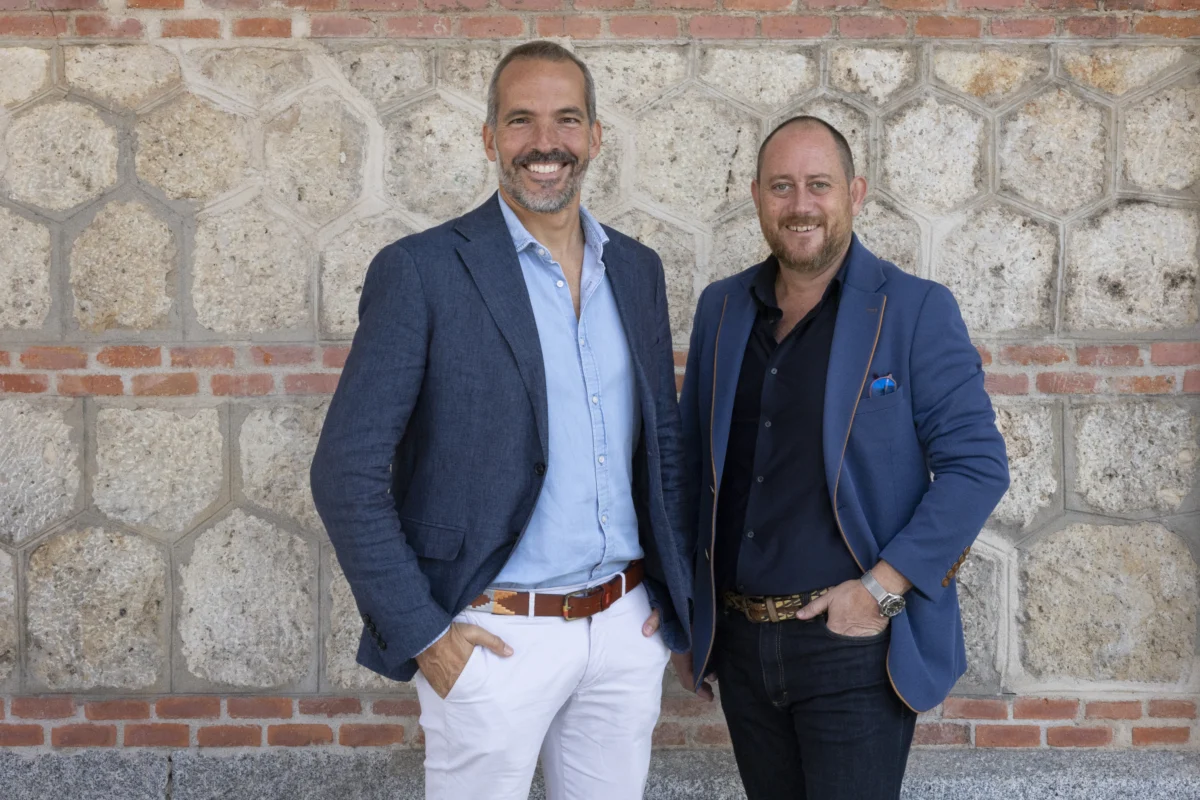
As the global audiovisual landscape shifts under the weight of technological disruption and evolving consumer habits, the Madrid-based Iberseries & Platino Industria is repositioning itself to meet the moment. Now entering its sixth edition, the event—scheduled for September 29 to October 2—is shedding its skin as a conventional conference to emerge as a definitive B2B nexus for the Ibero-American and European markets. With participation expected to exceed last year’s 2,500 accreditations, the event has become a critical barometer for the health and trajectory of the Spanish and Portuguese-language content industries.
A Strategic Pivot: From Passive Audiences to Active Commerce
For the event’s leadership, the sixth edition marks a philosophical departure. Co-director Samuel Castro notes that the initial years of the event were defined by "one-way conversations"—panels and keynotes where speakers addressed passive audiences. That model, while useful for education, was insufficient for an industry facing intense liquidity and distribution challenges.
"We’ve shifted our focus toward more B2B activities," Castro explains. "We are creating more business-focused opportunities and, crucially, more physical and digital spaces for people to meet, negotiate, and connect."
This evolution is reflected in the programming. Alongside the established co-production and financing forums, the organizers have introduced the Euro-Atlantic Series Co-Pro Pitch program. This initiative specifically targets a cross-section of European TV projects that are seeking to move from the conceptual stage to active development, bridging the gap between talent and the capital required to greenlight international content.
Chronology of Growth: Six Years of Industry Evolution
The trajectory of Iberseries & Platino Industria mirrors the rapid industrialization of Spanish-language content.
- The Foundational Years: The early editions focused on building a community, establishing the event as the premier gathering point for Ibero-American producers.
- The Integration Phase: The event began incorporating major international streamers and distributors, moving beyond regional interest to global relevance.
- The Professionalization Phase (Current): Now, the event has tightened its focus on "industrial capacity." The collaboration with the SGAE Foundation and DAMA to host 14 screenwriters—selected from nearly 300 submissions—highlights a shift toward talent incubation that directly feeds the market.
The Buyer Landscape: Who is Coming to Madrid?
The sheer gravity of the event’s attendee list underscores its growing influence. This year, the confab is welcoming approximately 220 buyers and 50 film commissioners. The roster reads like a "who’s who" of the global entertainment ecosystem, including Amazon MGM Studios/Prime Video, Netflix, AMC Networks, Atresmedia, Banijay Entertainment, Canal+, Disney, Globo, Mediaset, Movistar Plus+, and ZDF Studios.
Moreover, the event is breaking new ground by hosting major international institutions that previously had a smaller footprint in the Madrid scene, including the BBC, Arte, AppleTV+, Argentina’s Telefe, and Colombia’s Caracol TV. This influx of diverse stakeholders confirms that Madrid is no longer just a local hub, but a vital crossroads for global content strategy.
The AI Frontier: Regulation, Innovation, and "Pelagius"
Perhaps the most contentious and exciting topic on the agenda is the integration of Artificial Intelligence. Iberseries & Platino Industria has adopted a stance of "cautious advocacy."
"The ability to create stories should always be based on a fully human, author-driven concept," says Samuel Castro. "AI should be used as a tool, not as an end in itself."
To navigate this, the organizers have invited Concepción Diaz, Google’s Head of AI Trainings EMEA, to lead an AI Workshop for creators. This will be complemented by high-level panels addressing the regulatory challenges that keep producers awake at night.

The conversation will be anchored by the world premiere of Pelagius, Spain’s first feature film produced with generative AI. Directed by Miguel Asensio Llamas, the 97-minute historical epic, produced by Tiki Group, Elefantec Global, and Recrea Films, serves as a litmus test for the industry. While the visuals and some production elements rely on generative models, the project maintains a human core, utilizing professional Asturian actors for the voice cast.
"What’s most interesting about Pelagius is the conversation it opens," notes co-director Juan Alia. "We are in an experimental phase. AI is introducing tools that could transform production and post-production, but we must balance this with the preservation of creative integrity."
Focus on Mexico: Exporting Industrial Capacity
Each year, Iberseries selects a "Country of Focus" to highlight as a powerhouse of production. This year, the spotlight turns to Mexico. Far from a purely celebratory gesture, the focus is designed to integrate Mexico’s industrial infrastructure into the global supply chain.
"Mexico has long been a cultural reference in Latin America," Alia explains. "The next step is to make its industrial capacity more visible and better connected to the global market."
Adriana Castillo, general coordinator of Platino Industria, emphasizes that Mexico’s value lies in its depth: "We want Mexico to be seen not only through its films or its best-known names, but as a place where projects can be developed, partners found, and long-term alliances built." With highly developed VFX studios, established production services, and a deep bench of technical talent, Mexico is being positioned as a primary destination for international co-productions.
Implications for the Future of Storytelling
As the event looks toward its future, the leadership team is acutely aware of the obstacles facing the sector. The market is currently characterized by a "crowded space" effect, where the sheer volume of content makes discovery increasingly difficult, and financing remains notoriously complex.
"Data is informing decisions, but it shouldn’t replace creative judgment," says Alia. This sentiment summarizes the event’s broader mission: to provide a forum where the data-driven reality of modern distribution meets the human-centric art of storytelling.
Key Takeaways for Industry Professionals:
- Sustainability is Mandatory: The event is increasingly focusing on green production models as a core component of future-proofing.
- Microdramas as the New Frontier: The rise of mobile-first, short-form narrative content is being treated as a serious business segment, not a novelty.
- The Human-AI Contract: The industry is moving toward a consensus where human authorship is the prerequisite for value, while AI is the lever for efficiency.
As the sixth edition of Iberseries & Platino Industria approaches, the message is clear: the industry is in a state of rapid flux, but the fundamental need for connection—between buyers and sellers, creators and financiers, and stories and audiences—remains constant. By evolving into a true B2B engine, the Madrid confab is positioning itself not just as a host, but as an architect of the next generation of global television and cinema.
Organized by EGEDA and Fundación Secuoya, in collaboration with FIPCA and supported by the Madrid Film Office and Madrid Film Region, this year’s event serves as a critical junction for an industry that is simultaneously grappling with the past and racing toward an uncertain, technology-driven future.
 Lina Hope
  Nana
Nana  Laily UPN