
 By Dwi Wanna
As the digital economy matures, selecting the right financial plumbing for a small business has transformed from a routine administrative chore into a critical strategic decision. For entrepreneurs launching ventures or established companies re-evaluating their tech stacks in 2025, the market offers an unprecedented array of choices. While abundance is generally a positive indicator of market health, the sheer volume of alternative solutions can easily overwhelm founders who are already managing product development, marketing, and talent acquisition.
To bring clarity to a notoriously complex market, a comprehensive analysis of the leading payment solutions was conducted, evaluating platforms through the lenses of user experience, technological agility, pricing transparency, and security compliance.
Defining the Ecosystem: What Is a Payment System?
Before diving into specific vendors, it is crucial to establish a baseline definition. In modern commerce, a payment system refers to any integrated platform, network, or technological architecture that facilitates the secure transfer of funds between a buyer and a seller in exchange for goods and services.
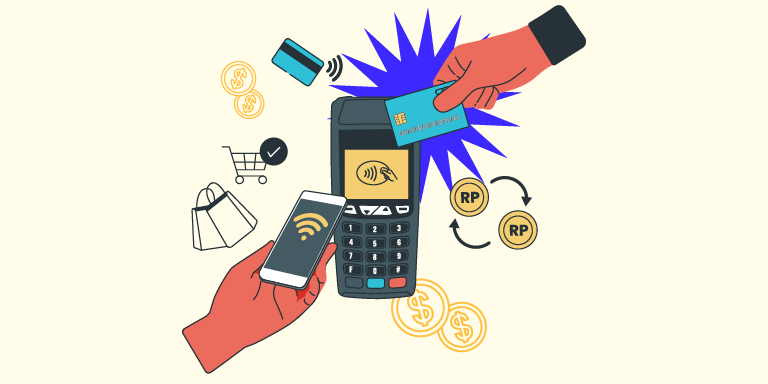
These networks encompass a wide array of tools, including online payment gateways, credit card processors, mobile wallets, and automated clearing house (ACH) bank transfer networks. Their primary objective is to move funds securely, efficiently, and with minimal friction.
It is equally important to distinguish what a payment system is not. It is not a standalone business bank account, nor is it an accounting ledger, though modern systems frequently integrate with these financial products. Fundamentally, a payment gateway acts as the digital bridge connecting the customer’s financial institution to the merchant’s acquiring bank.
Chronology of Modern Digital Payments: How We Got Here
The evolution of small business payment processing has moved at a breakneck pace over the past two decades. Understanding this timeline provides context for why the market looks the way it does in 2025:

- The Early 2000s (The Merchant Account Era): Setting up credit card processing used to require traditional merchant accounts through legacy banks. The process involved weeks of underwriting, high setup fees, rigid long-term contracts, and specialized hardware.
- The Mid-2000s to Early 2010s (The Digital Wallet Disruption): The rise of peer-to-peer and e-commerce payment pioneers like PayPal democratized digital transactions, allowing micro-merchants to accept payments online without establishing traditional merchant accounts.
- The Mid-2010s (The API-First Revolution): The launch and mass adoption of developer-friendly platforms like Stripe shifted the paradigm toward software-first payments. Companies could suddenly embed complex checkout experiences natively into their websites with just a few lines of code.
- The Late 2010s to 2020s (Omnichannel and Mobile Integration): The lines between physical and digital retail blurred entirely. Point-of-sale (POS) systems evolved from cash registers into cloud-connected mobile hubs, while digital wallets (Apple Pay, Google Pay) became standard consumer expectations.
- 2025 and Beyond (Unified, Instant-Payout Ecosystems): Today, business owners demand immediate access to capital, embedded finance features, localized cross-border processing, and robust, automated AI-driven fraud mitigation.
Supporting Data: Key Factors to Consider
When narrowing down the top payment providers for small businesses, several core performance metrics must be prioritized. These criteria formed the backbone of the recent evaluation process:
- Payout Velocity: Cash flow is the lifeblood of any small business. While traditional processors can hold funds for up to a week, modern aggregators offer next-day or even instant payouts—often for a small percentage fee.
- Conversion Friction and User Experience: A cumbersome checkout page is one of the leading causes of cart abandonment. Systems that keep users on-site and offer one-click digital wallet checkouts consistently outperform those that redirect customers to external portals.
- Geographic Accessibility: Domestic processing is relatively straightforward, but businesses aiming for international growth require multi-currency support and localized acquiring banks to avoid high cross-border transaction fees and declined foreign cards.
- Fee Transparency: The payments industry is notorious for interchange-plus, tiered, and flat-rate pricing models that can baffle even seasoned entrepreneurs. Clear, predictable cost structures are vital for maintaining healthy profit margins.
- Security and Regulatory Compliance: Every recommended processor must adhere strictly to the Payment Card Industry Data Security Standard (PCI-DSS), protecting merchants and consumers from liability and data breaches.
The Top 6 Payment Systems for Small Businesses in 2025
Based on rigorous testing, feature sets, and scalability, here are six leading payment solutions analyzed for their strengths, drawbacks, and pricing models.
1. Stripe
Stripe remains the gold standard for online-first businesses, SaaS platforms, and modern e-commerce stores. Its primary advantage lies in its developer-first approach, offering an extraordinarily robust and well-documented API.
- Pros: Seamless on-site checkout experiences that drastically reduce bounce rates; exceptional developer tools; effortless scalability.
- Potential Drawback: Advanced customization and complex billing architectures often require specialized engineering or technical expertise.
- Pricing: Typically structured around a flat rate for online card transactions (e.g., 2.9% + 30¢ per successful charge), with volume-based enterprise discounts available.
2. PayPal
As one of the most recognizable brands in global finance, PayPal continues to be a staple for small businesses. Its brand equity builds immediate trust with unfamiliar web visitors.
- Pros: High consumer trust; simple setup; robust multi-currency processing capabilities that facilitate easy cross-border trade.
- Potential Drawback: Standard checkout flows frequently redirect users away from the merchant’s website, which can occasionally disrupt the user journey and increase cart abandonment.
- Pricing: Standard online transaction rates generally hover around 3.49% + 49¢ for web checkouts, varying slightly by region and currency conversion requirements.
3. Authorize.net
A veteran in the payment gateway space, Authorize.net is a Visa solution known for its exceptional versatility and security infrastructure.
- Pros: Highly reliable infrastructure; advanced built-in fraud detection suite; excellent support for merchants requiring merchant-account flexibility.
- Potential Drawback: Can feel dated compared to modern, sleek API-first platforms; often involves monthly gateway fees in addition to per-transaction costs.
- Pricing: Typically combines a monthly gateway fee (around $25) with a per-transaction rate (approx. 2.9% + 30¢) and an optional setup fee.
4. Amazon Pay
Leveraging the purchasing power and familiarity of the global e-commerce giant, Amazon Pay allows millions of customers to check out on third-party websites using the payment methods stored in their Amazon accounts.
- Pros: Streamlined checkout for Amazon Prime members; immediate brand trust; robust back-end fraud prevention systems.
- Potential Drawback: Customer data remains within the Amazon ecosystem, limiting the merchant’s ability to build direct, long-term consumer relationships.
- Pricing: Generally aligns with industry standards, charging standard processing fees per domestic transaction (e.g., around 2.9% + 30¢).
5. Square
For small businesses operating physical brick-and-mortar storefronts, pop-up shops, or service-based businesses meeting clients in person, Square is widely considered the market leader.
- Pros: Industry-leading hardware ecosystem; intuitive virtual terminal for taking card-not-present transactions; excellent offline mode capabilities.
- Potential Drawback: Transaction fees for keyed-in or manually entered cards are noticeably higher than standard swiped rates.
- Pricing: Free basic POS software with transparent per-swipe rates (typically around 2.6% + 10¢ for in-person transactions).
6. SecurePay
An emerging alternative gaining traction among startups and growing e-commerce operations outside of dominant platforms like Shopify, SecurePay offers comprehensive features and helpful evaluation paths.
- Pros: Easy onboarding process; robust API integrations; often features trial periods or flexible introductory terms.
- Potential Drawback: Lower brand recognition among everyday consumers can occasionally introduce friction or hesitation during the final checkout stage.
- Pricing: Competitive tiered and flat-rate structures tailored to regional business volumes.
Note: Pricing and fee structures fluctuate across the financial sector based on localized regulations, processing volumes, and periodic platform updates. Business owners are strongly advised to verify current rates directly via official provider documentation prior to contract execution.
Official Responses and Industry Insights
Financial regulators and fintech executives have increasingly emphasized the importance of security and interoperability. In recent statements, industry compliance bodies have underscored that small businesses must adopt tokenization and multi-factor authentication protocols to combat sophisticated digital fraud rings.
Furthermore, major payment aggregators have reported a marked shift in merchant priorities. Rather than simply hunting for the lowest absolute transaction fee, modern founders are prioritizing unified commerce—the ability to sync online and offline sales data in real-time. This structural evolution has forced legacy processors to modernize their dashboards, offering integrated inventory management, payroll, and business lending directly through the payment portal.
Implications for Small Businesses in 2025 and Beyond
The selection of a payment system has profound downstream effects on business operations, customer retention, and brand perception.
- Impact on Conversion Rates: A poorly optimized checkout page can instantly erase expensive customer acquisition efforts. Implementing a system that supports digital wallets (Apple Pay, Google Pay) and eliminates unnecessary page redirects directly correlates with higher revenue realization.
- Working Capital Management: Businesses operating on thin margins cannot afford extended payout holds. Selecting a provider that offers rapid settlement times ensures founders maintain the liquid cash required to purchase inventory, cover payroll, and fund marketing campaigns.
- Customer Trust and Security Liability: Handling sensitive financial data carries immense responsibility. Utilizing PCI-DSS compliant providers shields small businesses from catastrophic data breaches, protecting both their brand equity and their legal standing.
Ultimately, the ideal payment system is not a one-size-fits-all solution; it is a strategic tool tailored to a company’s specific business model, customer demographics, and growth trajectory. By carefully weighing payout speeds, pricing transparency, and user experience, entrepreneurs can build a resilient financial foundation designed to thrive in the modern marketplace.
 Nana Muazin
  Layla Zulfa