 By Neng Nana
In an era where digital conversations move at lightning speed across a global network of 5.75 billion social media users, brand reputation can be built—or severely damaged—in a matter of minutes. For modern enterprises, public relations teams, and marketing professionals, keeping a finger on the pulse of the digital landscape is no longer optional. It is a foundational requirement for survival and growth.

Social media monitoring has evolved from a simple keyword-tracking exercise into a sophisticated ecosystem driven by artificial intelligence, natural language processing, and real-time analytics. By capturing mentions, hashtags, and direct customer interactions across a staggering array of digital channels, brands can transform raw data into actionable intelligence.

Main Facts: Understanding the Social Landscape
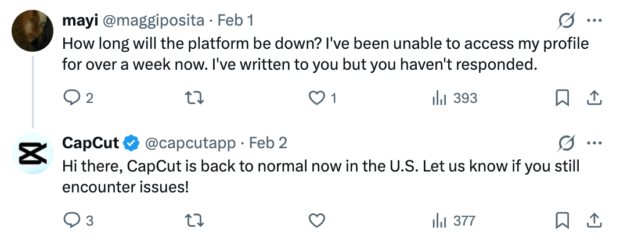
At its core, social media monitoring is the tactical process of tracking brand mentions, product names, competitor movements, and industry trends across various social networks and web properties. It operates on a short-term, reactive timeline, giving teams the immediate visibility needed to respond to customer service inquiries, intercept negative feedback, and manage emerging crises in real time.
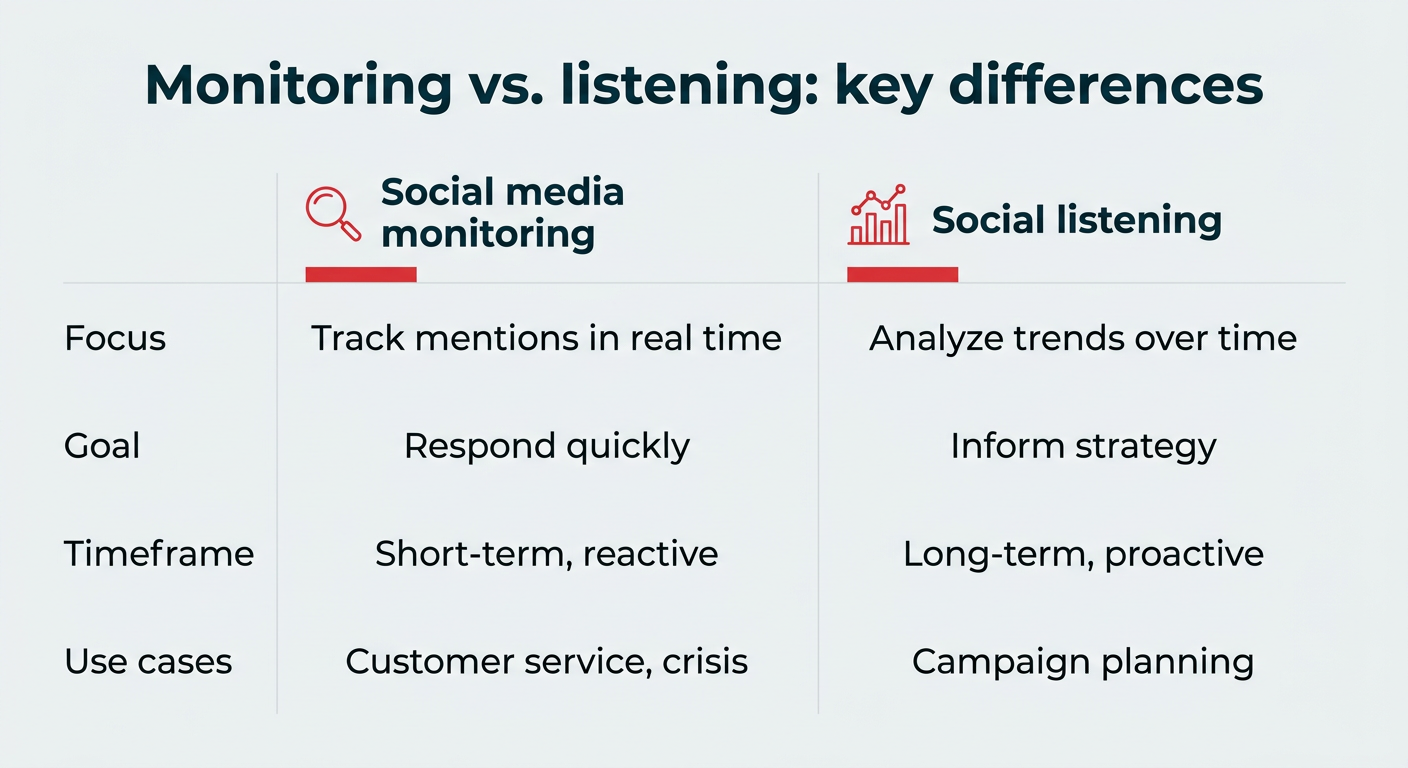
However, industry experts draw a clear line between monitoring and social listening. While monitoring focuses on tracking specific data points and answering the immediate question, "What is being said right now?", social listening takes a macro view. Listening analyzes broader trends, long-term sentiment patterns, and audience psychology to inform high-level business strategy and campaign planning.
The most successful modern marketing strategies seamlessly integrate both practices. Monitoring keeps organizations responsive on the front lines, while listening provides the strategic foresight necessary for long-term brand equity.
Chronology: The Evolution of Brand Tracking
The discipline of online tracking has undergone a massive transformation over the past two decades:
- The Early Web (Late 2000s): Brands relied on basic Google Alerts and manual searches to track press mentions and blog posts, largely missing the conversational nuances happening on nascent social platforms.
- The Rise of Dedicated Dashboards (2010s): As platforms like Twitter, Facebook, and LinkedIn exploded in popularity, early SaaS tools emerged to aggregate mentions, allowing marketing teams to monitor keywords in isolated streams.
- The AI and Big Data Era (2020s–Present): With global social adoption crossing 5.75 billion users, tracking tools evolved into enterprise-grade intelligence platforms. Modern software now processes billions of data points across video networks, forums, podcasts, and review sites, leveraging artificial intelligence to automate sentiment analysis and flag anomalies instantly.
Supporting Data: Comparing the Top 12 Social Media Monitoring Tools
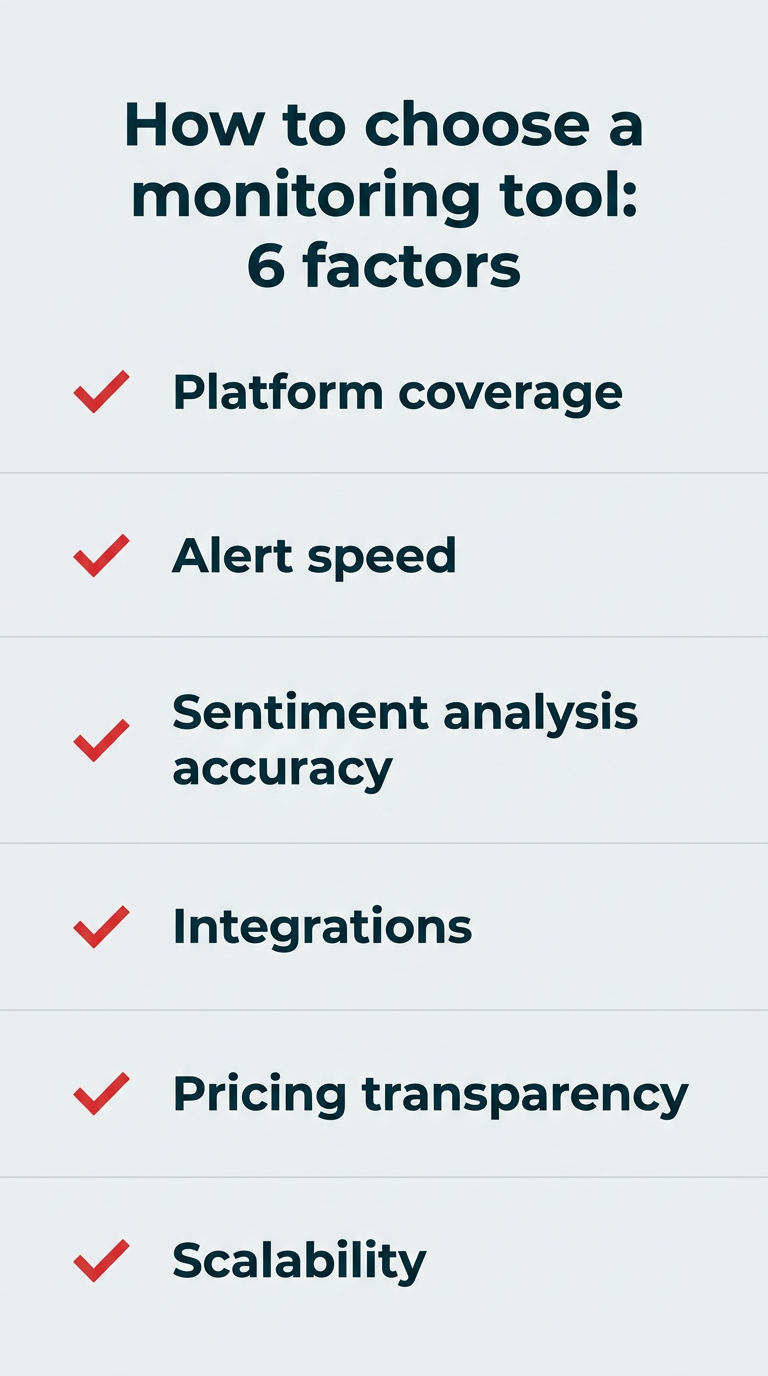
Choosing the right software depends heavily on a team’s budget, technical requirements, and workflow preferences. Below is a comprehensive comparison of the top 12 social media monitoring and listening tools currently shaping the industry:
| Tool | Starting Price | Free Trial | Best For | Key Differentiator |
|---|---|---|---|---|
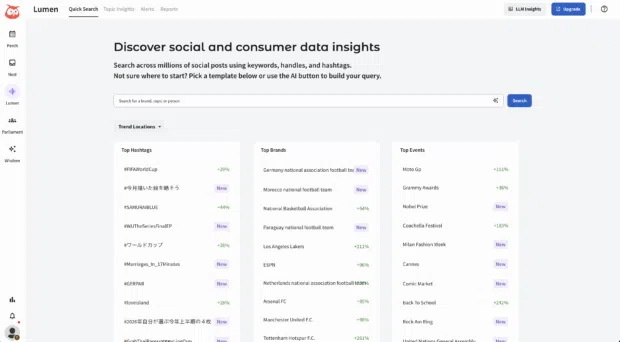
| Perch by Hootsuite | $99/user/month | Yes | Teams combining monitoring, publishing, and reporting | Quick Search listening built into every plan |
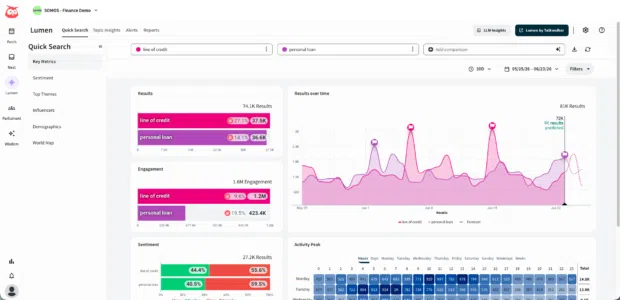
| Lumen by Talkwalker | Custom pricing | Demo available | Enterprise social and PR teams | Enterprise-grade listening across blogs, forums, news, and social |
| Brand24 | $199/month (billed annually) | 14 days | Online reputation management | Scores the reach and importance of each mention |
| Brandwatch | On request | No | Large enterprises with substantial budgets | One year of historical data plus 48 boolean operators |
| Mention | Custom pricing | Free trial available | Lean PR, communications, and social teams | Two years of historical mention tracking |
| Sprout Social | $199/seat/month | 30 days | Larger social teams with bigger budgets | AI-assisted response generation |
| Agorapulse | $79/user/month (billed annually) | 30 days | Brands handling high social ad comment volumes | Syncs and manages social ad comments natively |
| Mentionlytics | $69/month | 14 days | Multilingual and global brands | Multi-language mention and sentiment tracking |
| Digimind | On request | No | Consumer and competitive insight teams | 82 languages with automatic translation capabilities |
| Reputation | On request | No | Managing an entire online presence centrally | Combines reviews and social data into a single dashboard |
| Fedica | Free (paid tiers available) | Free plan | Audience segmentation on a budget | Demographic-enriched social listening |
| ReviewTrackers | Free with Hootsuite | Included | Review monitoring and local SEO | Aggregates disparate review sites into one stream |
Official Responses and Expert Insights
Industry leaders emphasize that technology is only as effective as the human strategy guiding it.
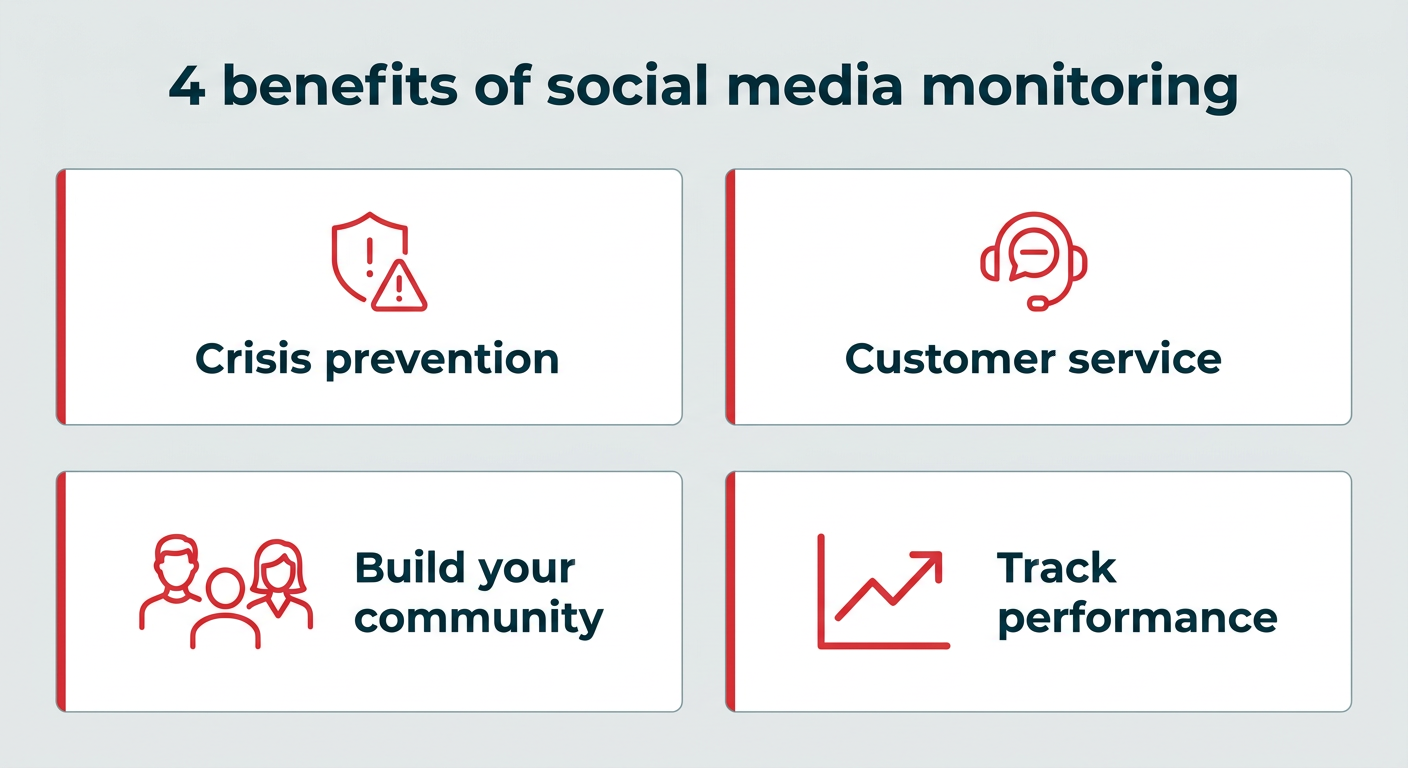
Katelyn Rhoades, Founder of Enfluence Marketing Studio, highlights the vital role these platforms play in executive decision-making. "These tools provide valuable insights into customer sentiment, brand reputation, and competitor activity," Rhoades explains. "They also help identify emerging trends, potential crises, and influencer marketing partnerships, all of which are crucial for a successful social media strategy."
Echoing the need for proactive engagement, Alienore Lanson, Senior Account Manager at MG Empower, notes how monitoring fosters genuine community building. "Effective social media monitoring lets brands be responsive to their audience’s pain points, allowing them to address specific issues as they arise," Lanson shares. "By actively engaging with their audience and providing valuable content, brands can build and sustain deeper connections."
Meanwhile, Aaron White, CEO of Outbound.com, points to the tactical execution of performance tracking. White utilizes monitoring software to track social metrics in real time, enabling his team to make "on-the-fly adjustments based on audience engagement and sentiment."

Implications: Four Pro Tips for Maximizing Monitoring ROI
Acquiring software is merely the first step. To truly leverage social media monitoring for brand growth, organizations must adopt best practices that bridge the gap between automated data and human intuition.
1. Make Monitoring an Always-On Routine
Reviewing brand mentions cannot be treated as an ad-hoc emergency response task. Continuous observation ensures that marketing teams understand baseline audience behavior, allowing them to spot subtle shifts in sentiment before they manifest into major public relations events.

2. Customize and Refine Your Keyword Matrix
An effective strategy rests on comprehensive keyword selection. Brands should monitor their corporate name, key executive profiles, product lines, competitor monikers, and industry-specific terminology. Setting up automated alerts for these specific terms ensures that rapid responses can be deployed the moment a conversation spikes.

3. Deploy Alerts for Anomalous Activity
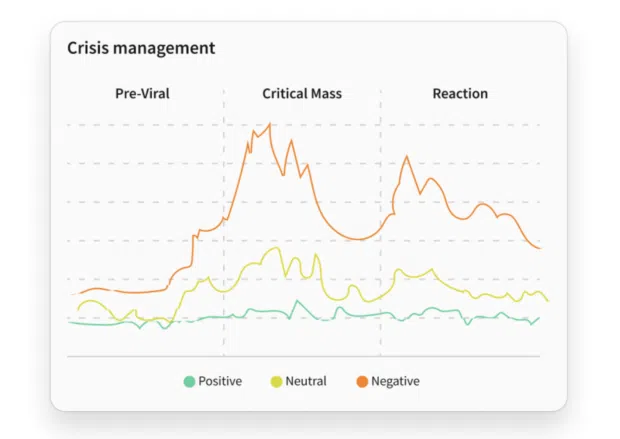
Sudden spikes in mention volume or rapid drops in sentiment are classic early-warning indicators. Whether signaling a successful viral campaign or an unfolding product defect, automated alerts give crisis management teams the precious time needed to assess situations and formulate a measured response.

4. Retain the Human Touch
As artificial intelligence plays a larger role in customer-facing interactions, maintaining human oversight is paramount. Industry analysts, including Forrester, have warned that companies deploying automated customer touchpoints without adequate human judgment risk eroding consumer trust. Algorithms can surface data and highlight trends, but it takes creative, empathetic marketers to interpret context and craft authentic connections.

Conclusion
Social media monitoring tools have transformed from basic tracking novelties into sophisticated nerve centers for modern enterprises. By carefully evaluating platforms based on speed, coverage, and cost—and by pairing software capabilities with seasoned human strategy—businesses can protect their reputations, delight their customers, and turn everyday digital chatter into a distinct competitive advantage.
 Nila Kartika Wati
  Ammar Sabilarrohman
  Asep Darmawan