
 By Nana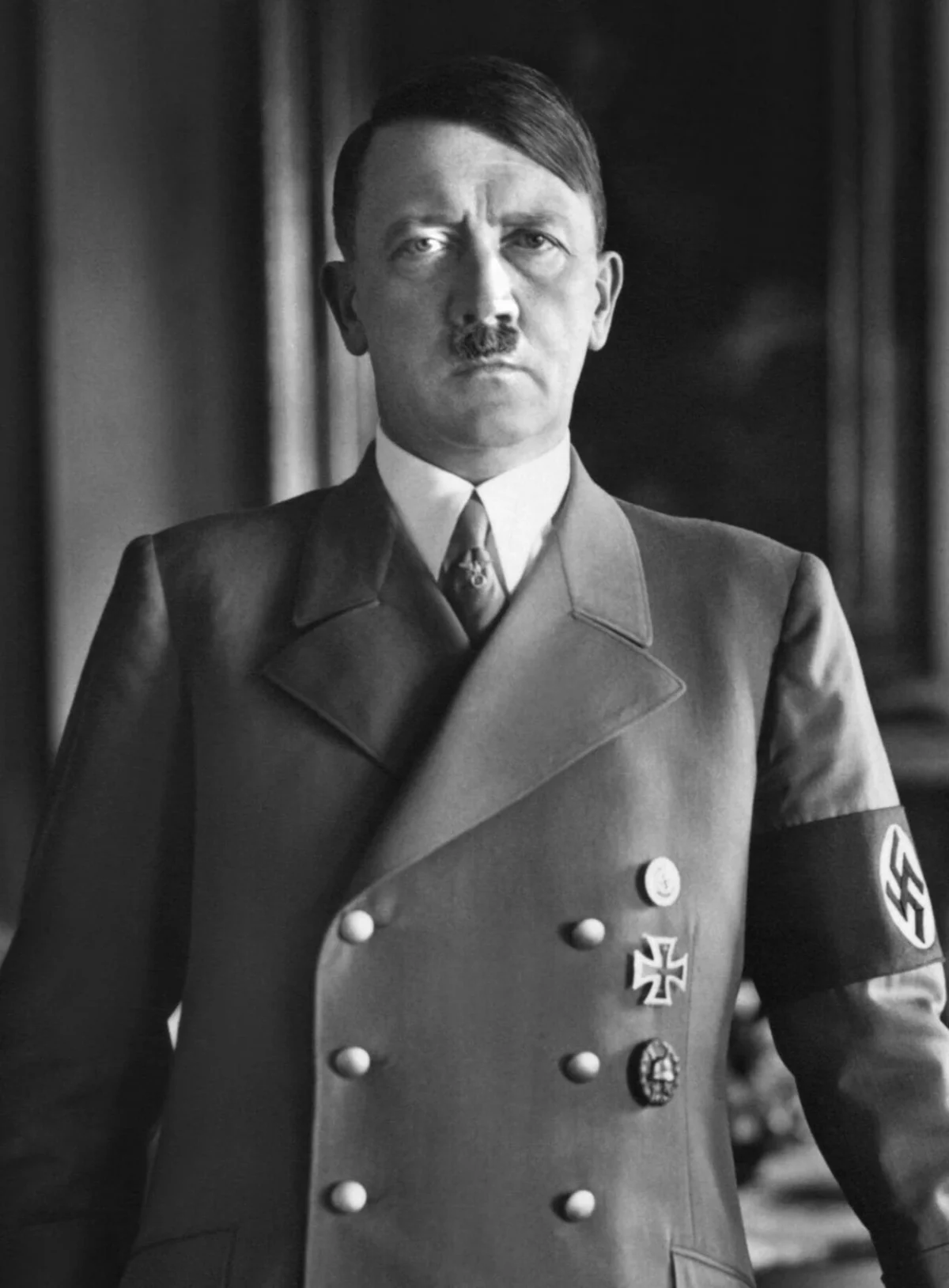
In an incident that has sent shockwaves through the Paramus, New Jersey, community, East Brook Middle School was forced to initiate an emergency recall of its 2026 student yearbooks this week. The drastic measure came after administrators discovered that a photograph of Adolf Hitler as an infant had been surreptitiously included in the "baby photos" section of the publication.
The inclusion of the image—a historical artifact representing one of the most heinous figures in human history—has triggered an internal investigation, prompted involvement from the local prosecutor’s office, and ignited a broader conversation regarding institutional oversight, the degradation of historical sensitivity, and the potential for digital-era pranks to spiral into profound ethical failures.
The Discovery and Immediate Response
The discovery was made shortly after the yearbooks were distributed to the student body. While the image of the infant Hitler was not immediately recognizable to the average middle school student or parent, the error was identified by observant community members, leading to a swift and categorical response from the school administration.
On June 25, Principal Ryan Aupperlee issued a formal statement to the families of East Brook Middle School students, characterized by a tone of deep regret and absolute condemnation. "Earlier today, after students had already received their yearbooks, we learned that the baby pictures section of the yearbook contained an image that was later identified as an infant photograph of Adolf Hitler," Aupperlee wrote.
The school’s reaction was immediate. Recognizing the gravity of the offense, administrators moved to collect all distributed copies of the yearbook to prevent the continued circulation of the image. "We immediately collected the yearbooks so the image would not remain in circulation," the statement continued. "I want to be direct with you: the presence of this image is unacceptable. Even if the image was not immediately recognizable to those paging through the book, its inclusion in an official school publication is a severe breach of our values."
A Breach of Core Values
Principal Aupperlee’s communication did not attempt to downplay the incident as a mere technical oversight or a simple printing error. Instead, he contextualized the failure within the broader historical reality of what the image represents.
"Hitler stood for hatred, antisemitism, and the horrors of the Holocaust," Aupperlee noted, referencing the systematic state-sponsored murder of six million Jews and millions of others by the Nazi regime. He concluded his message with a firm stance: "An image of him has no place in a yearbook created for our students. It does not reflect who we are or what East Brook stands for, and we condemn its inclusion without reservation."
The sentiment was echoed by regional stakeholders. The Jewish Federation of New Jersey, which has been vocal in its criticism of the incident, expressed profound dismay. A representative from the Federation told ABC 7 that he was "horrified once again by what’s going on in our society," adding that the incident suggests a troubling trend: "We have lost all sensitivity, and lost all respect for genocide and things that have happened in the past."
Chronology of the Failure
While the investigation is ongoing, the incident raises significant questions about the workflow of yearbook production. Typically, school yearbooks are curated through a multi-layered process involving student editors, faculty advisors, and, in many cases, external professional publishing firms.
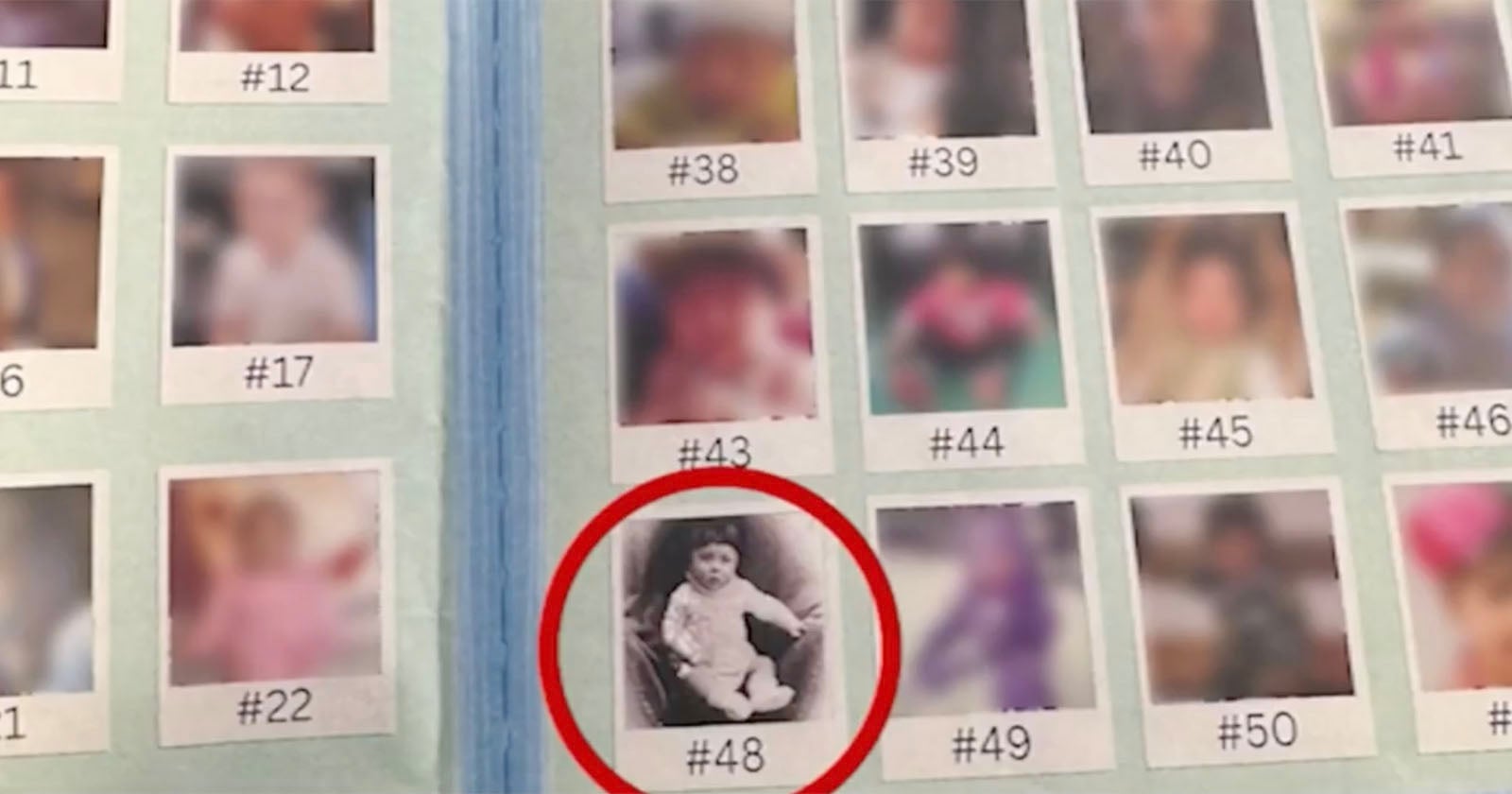
- Submission Phase: Students or parents are usually required to submit photos for the "baby photos" section. It is currently unclear if the image was submitted by a student as a prank or if it was mistakenly pulled from a stock database or an online source.
- Review Process: The "eyeball test" mentioned by critics refers to the editorial review stage. This is where faculty advisors or student editorial boards are expected to vet submissions. The fact that the image bypassed these safeguards suggests either a lack of historical literacy among the reviewers or a sophisticated attempt to hide the identity of the infant.
- Distribution: The error was only caught after the final product reached the hands of the students, indicating a total breakdown in the final proofing stages of the publication.
- Recall: Once the error was identified, the school acted within hours to mitigate the harm, prioritizing the removal of the offensive material over the logistical inconvenience of a full recall.
The Challenge of Identification and Digital Literacy
One of the most complex aspects of this incident is the potential for "plausible deniability." The representative from the Jewish Federation acknowledged that the image might be difficult to identify for those unfamiliar with historical archives, stating, "Although, in all fairness, it might be hard to identify the picture if you don’t know that picture."
This highlights a growing concern in the digital age: the intersection of internet trolling culture and historical ignorance. In recent years, social media platforms have seen an increase in the use of "dog whistles"—subtle symbols or references that are meant to be understood by a specific subculture while remaining invisible to the general public.
Whether the inclusion was a malicious "troll" designed to test the school’s vetting process or a bizarre case of mistaken identity, the result remains the same: a profound disrespect for the victims of the Holocaust. The incident serves as a stark reminder that as historical distance from the Second World War increases, the vigilance required to protect public spaces—including school publications—from the normalization of hate symbols must also increase.
Official Investigations and Implications
The involvement of the local prosecutor’s office marks a significant escalation from a standard school disciplinary matter to a formal inquiry. The authorities are now seeking to determine the "influence" behind the submission. Investigators are likely looking into whether the act was an isolated prank or if it was part of a broader pattern of behavior involving the individual who submitted the photo.
The implications for the students and staff involved are severe. If the act is found to be a deliberate attempt to propagate hate speech or intimidate students of Jewish descent, it could lead to significant disciplinary action, ranging from suspension to expulsion. Furthermore, the school board will likely be forced to review its publication guidelines and editorial oversight protocols to ensure such an oversight never recurs.
The Broader Context: Schools as Cultural Battlegrounds
This incident in Paramus does not exist in a vacuum. Schools across the United States have increasingly become focal points for debates regarding curriculum, historical representation, and the influence of political polarization. When an image like that of a genocidal dictator appears in a student yearbook, it is not merely viewed as an offensive joke; it is interpreted by the community as a failure of the educational environment to instill appropriate historical perspective.
For the students of East Brook Middle School, the yearbook—which is intended to be a nostalgic memento of their formative years—has been marred by a symbol of trauma. The school now faces the difficult task of restoring trust among parents, students, and the wider Jewish community.
Conclusion
The recall of the East Brook Middle School yearbook is a sobering event that underscores the necessity of constant vigilance in educational settings. While the school has taken the correct steps by condemning the act and removing the offensive material, the incident leaves behind uncomfortable questions about how such an image could be processed, printed, and distributed without detection.
As the investigation by the prosecutor’s office continues, the school community must grapple with the reality that even in an era of advanced digital technology, the human element of oversight remains the final line of defense against the intrusion of hateful ideologies into the lives of young people. The path forward for East Brook will require not only a thorough investigation into the "how" and "why" of this failure but also a renewed commitment to educating students on the gravity of history and the dangers of treating the symbols of genocide as tools for humor.
 Raul Delapena Setiawan
  rifanmuazin
  Ammar Sabilarrohman