
 By Nila Kartika Wati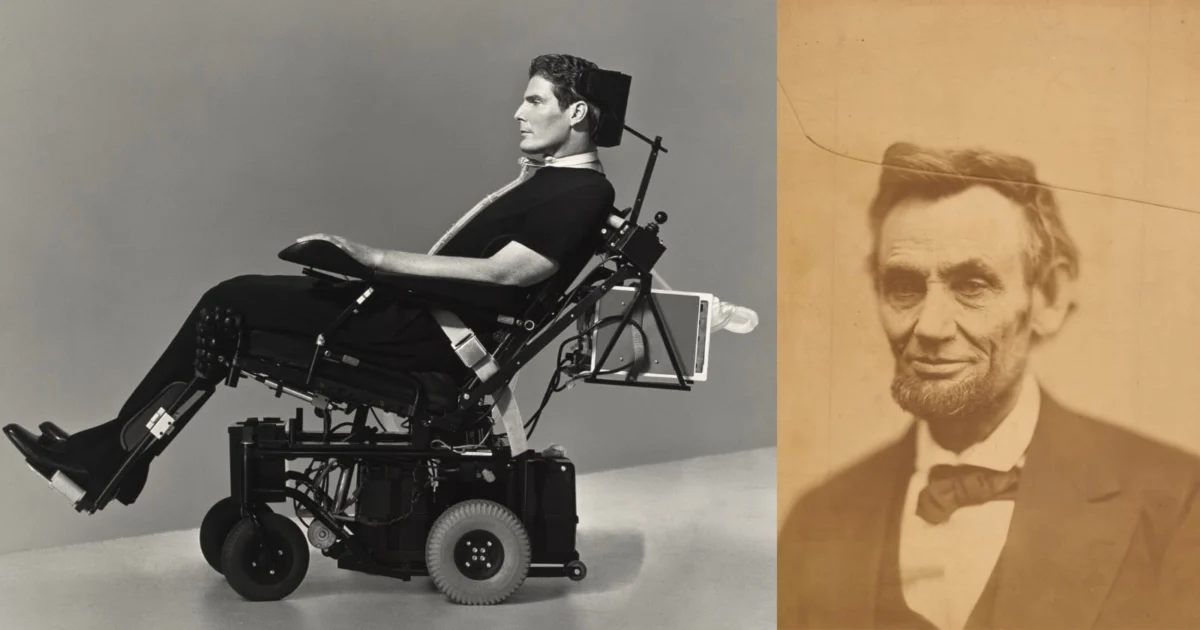
WASHINGTON — In celebration of a monumental milestone that reshaped how the nation preserves its cultural legacy, the Smithsonian’s National Portrait Gallery has announced a major upcoming exhibition. Titled Photographic Memory: Fifty Years of Collecting, the sprawling retrospective will mark the 50th anniversary of the museum’s photography acquisition program. Opening on November 14, 2026, the exhibition will bring together more than 120 defining photographic portraits from the institution’s vast vaults, offering visitors an immersive journey through the birth of American photography, the technological transformations of the medium, and the foundational figures who built modern visual culture.
Today, photography comprises nearly half of the National Portrait Gallery’s total holdings. However, this was not always the case. When the museum first opened its doors, its collection relied heavily on traditional media like oil paintings, sketches, and sculptures. The upcoming exhibition will trace how a strategic pivot in the mid-1970s allowed the museum to capture the faces of countless individuals who steered the course of American history but had never sat for a traditional portrait painter.
Main Facts: A Landmark Retrospective of American History
Curated by Ann Shumard, the museum’s senior curator of photographs, Photographic Memory is designed to be both an aesthetic journey and a historical chronicle. Spanning from the Daguerreian era of the 1840s to the complexities of the digital age, the exhibition will occupy the second floor of the National Portrait Gallery from November 14, 2026, through November 7, 2027.
Among the standout features of the exhibition is a historic pairing: an 1846 quarter-plate daguerreotype of Dolley Madison captured by John Plumbe Jr., displayed alongside an 1843 half-plate daguerreotype of President John Quincy Adams. According to museum archivists, this will mark the first time in history that the earliest known photographs of a U.S. president and a first lady have been exhibited side-by-side. The Dolley Madison portrait holds special significance, as it will make its public debut since being acquired by the Portrait Gallery in July 2024.
Visitors will also encounter an extraordinary cross-section of American identity, featuring historical abolitionists, Indigenous leaders, civil rights icons, artists, writers, and Hollywood legends. The narrative of the exhibition emphasizes that photography democratized portraiture, allowing marginalized voices and figures outside the political elite to claim their place in the national archive.
Chronology: Fifty Years of Building a Visual Nation
To fully understand the weight of Photographic Memory, historians look back to 1976. Coinciding with the United States Bicentennial, the National Portrait Gallery made the pivotal decision to expand its official collecting mandate to actively acquire photographs. Up to that point, the museum faced a significant gap: many foundational architects of American industry, science, social reform, and culture lived and died before the era of widespread portrait painting, or simply operated outside the wealthy circles that could afford commissioned art. Photography bridged that gap instantly.
The exhibition itself will be organized chronologically, anchored by an introductory timeline that maps out the rapid evolution of photographic processes and technological innovations.
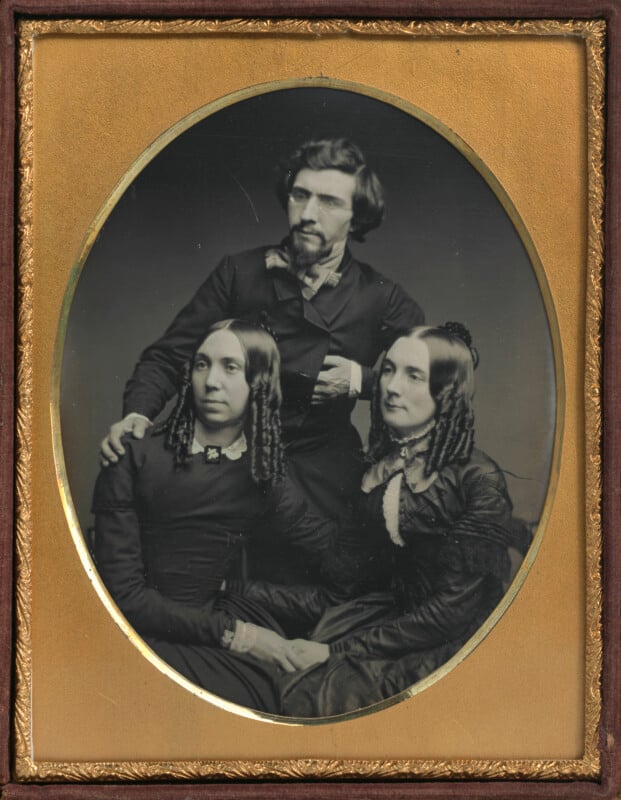
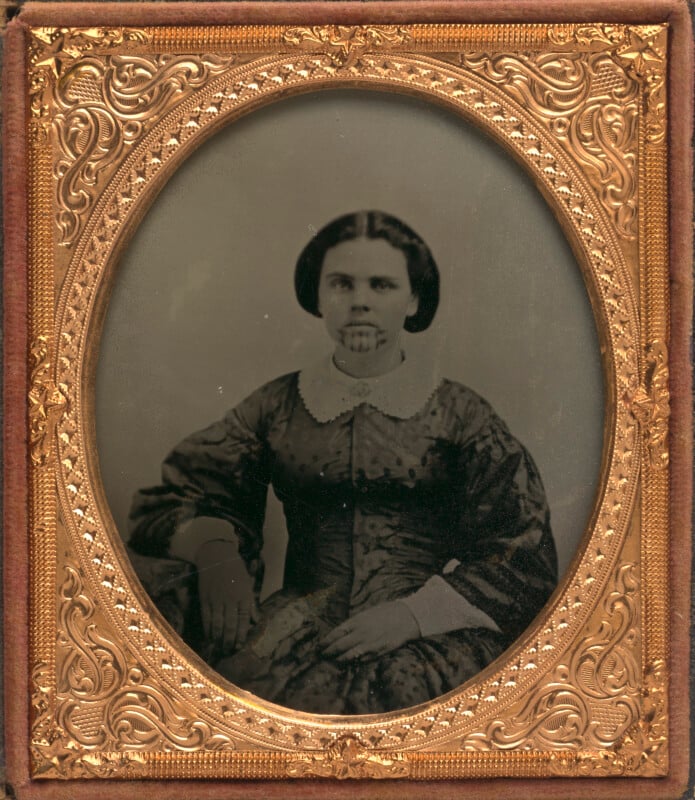
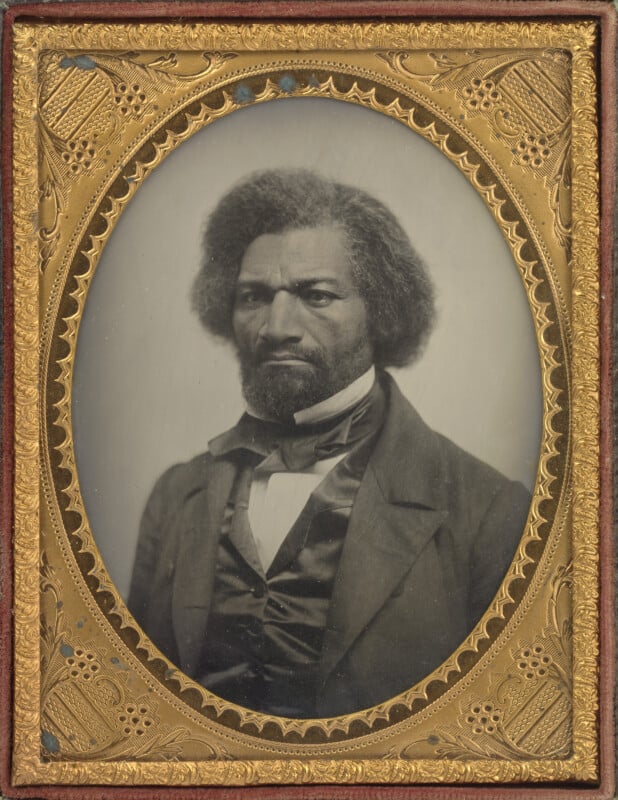
- The 19th Century (Daguerreotypes and Ambrotypes): The early rooms will showcase pioneering works from the dawn of photography. Alongside the Adams and Madison daguerreotypes, visitors will see Mathew Brady’s intimate 1851 quarter-plate portrait of his relatives Juliet "Julia" Brady and Ellen Brady Haggerty, an unidentified artist’s c. 1856 ambrotype of Indigenous activist Olive Oatman with her distinctive chin tattoo, and a quarter-plate ambrotype of abolitionist leader Frederick Douglass from roughly the same period.
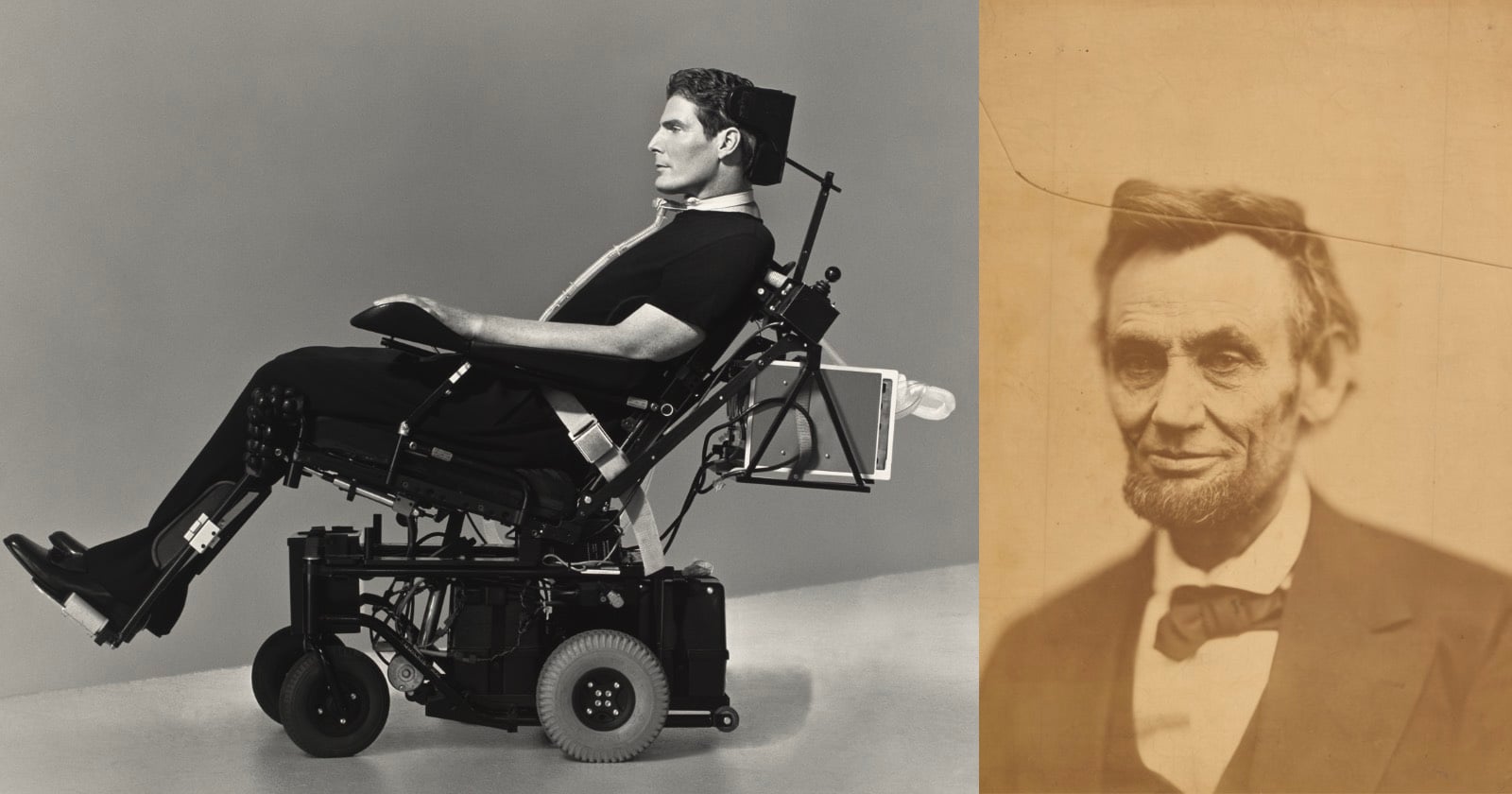
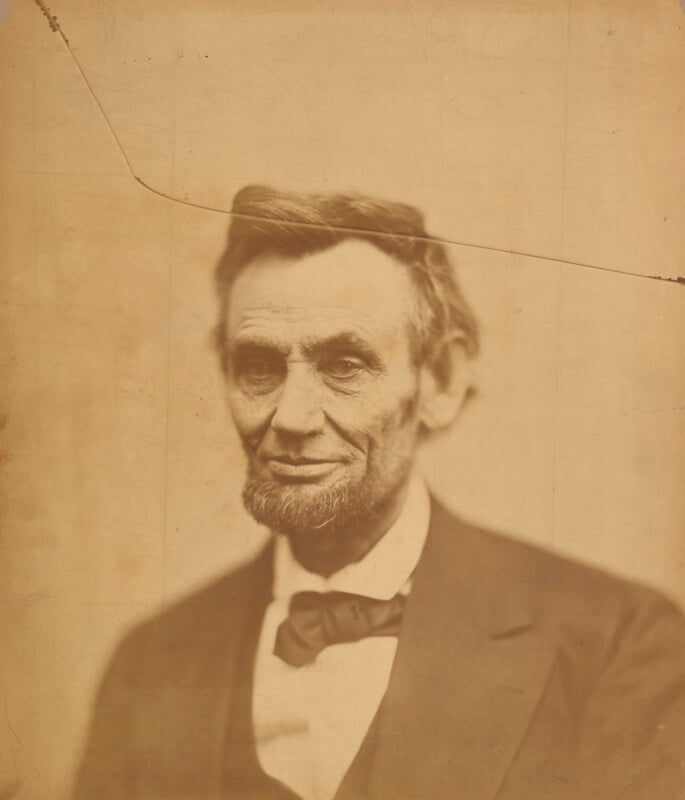
- The Late 19th and Early 20th Century: The chronology moves through the civil war and turn-of-the-century portraiture, featuring Alexander Gardner’s famous 1865 "cracked-plate" photograph of Abraham Lincoln—showing the definitive diagonal fracture across the negative—alongside rare cabinet cards such as Sallie E. Garrity’s portrait of journalist and activist Ida B. Wells-Barnett, and George K. Warren’s portrait of educator Ko Kʻun-hua.
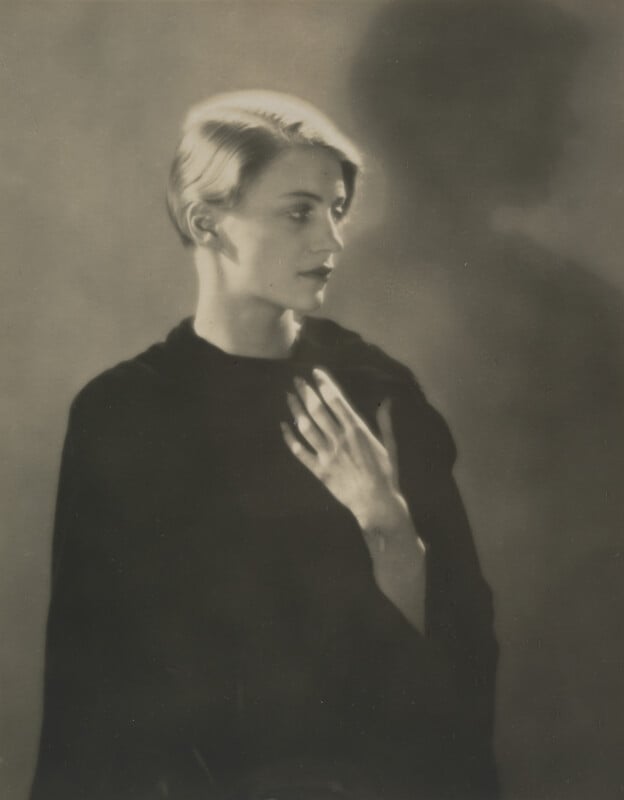
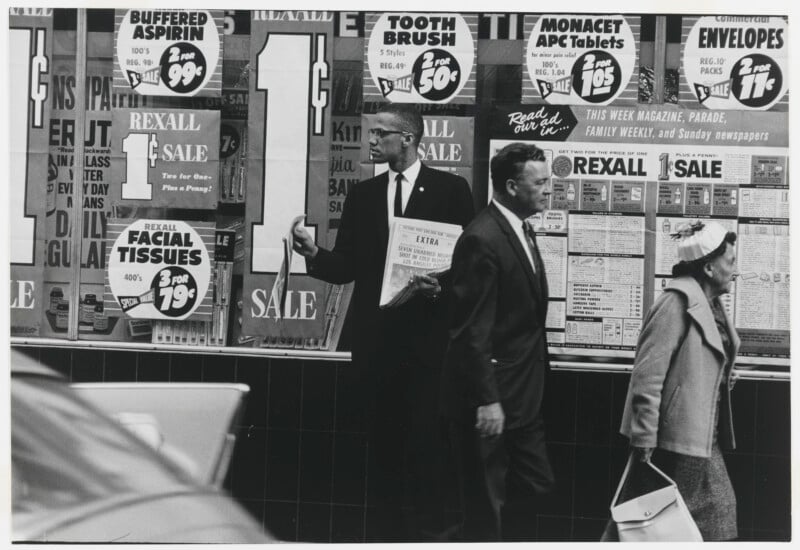
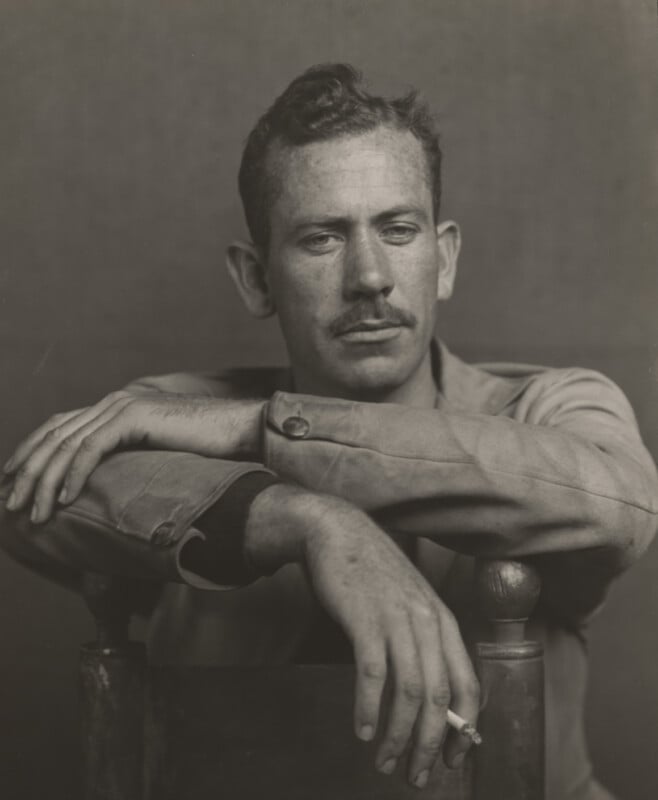
- The Mid-20th Century Modern Era: As photography shifted from a documentary novelty to a high art form, the collection captures the cultural explosions of the 1930s through the 1960s. Highlights include Man Ray’s haunting c. 1930 gelatin silver print of Lee Miller, Sonya Noskowiak’s 1935 portrait of author John Steinbeck, Gordon Parks’ striking 1963 street-level photograph of Malcolm X passing a Rexall store, and Philippe Halsman’s dynamic 1954 "jump" portrait of singer and actress Lena Horne.
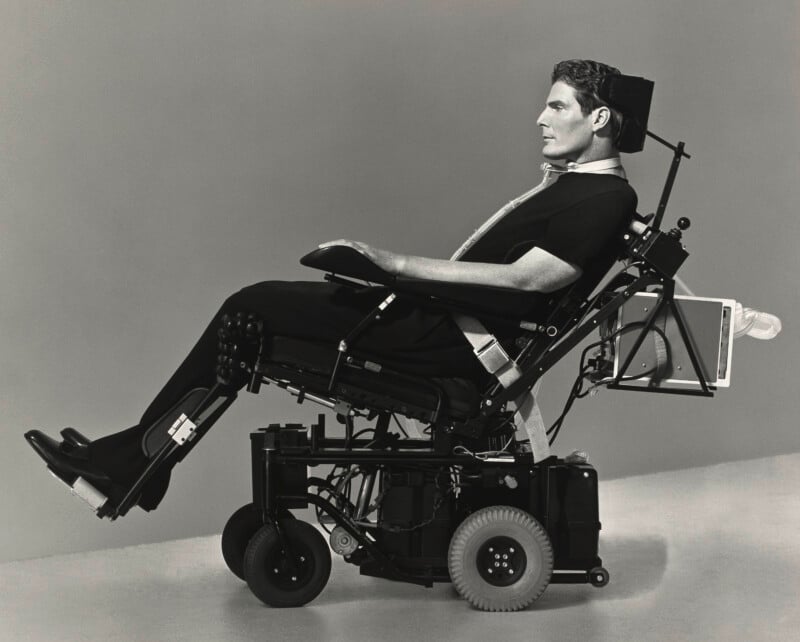
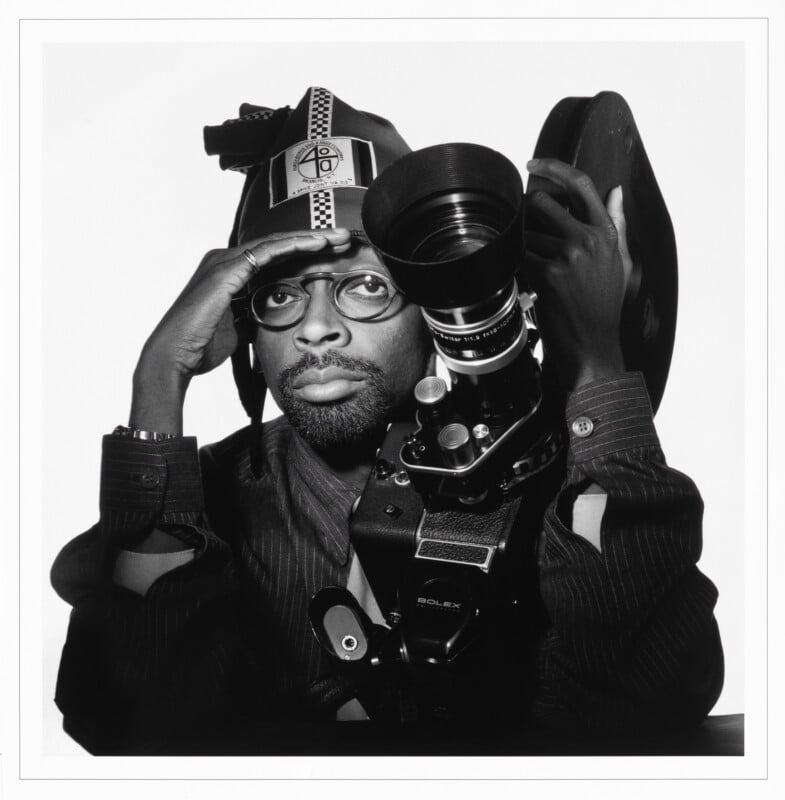
- The Contemporary Age: The final segments of the exhibition push into the late 20th and early 21st centuries, incorporating cutting-edge inkjet prints, gelatin silver works, and digital-era portraiture, capturing icons such as filmmaker Spike Lee (photographed by Jesse Frohman in 1999) and Herb Ritts Jr.’s poignant 1996 profile portrait of actor Christopher Reeve in a motorized wheelchair.
Supporting Data: The Scope of the Collection
The sheer scale of the National Portrait Gallery’s photographic holdings is staggering. Over the past five decades, through targeted acquisitions, generous philanthropic gifts, and foundational bequests, the museum has amassed hundreds of thousands of images.
- Collection Proportion: Photography now constitutes approximately 50% (nearly half) of the museum’s total permanent collection inventory.
- Timeline Span: The exhibition draws from a continuous timeline spanning 1839/1843 (the introduction of the daguerreotype) to the present day.
- Exhibition Scale: Photographic Memory will feature more than 120 carefully selected works, many of which have rarely—if ever—been displayed publicly due to the light-sensitive nature of early photographic mediums like salt prints, albumen prints, and daguerreotypes.
- Master Photographers Represented: The roster of behind-the-lens talent featured in the exhibition reads as a who’s who of photographic history, including Mathew Brady, Alexander Gardner, Alfred Stieglitz, Edward Steichen, Julia Margaret Cameron, Dorothea Lange, Ansel Adams, Gordon Parks, Irving Penn, Richard Avedon, Diane Arbus, Yousuf Karsh, and Annie Leibovitz.
Official Responses and Curatorial Vision
Museum leadership has emphasized that the exhibition is not merely a retrospective of technical milestones, but a celebration of storytelling.
"When the National Portrait Gallery began collecting photography in 1976, it fundamentally transformed our ability to tell the complete story of America," museum representatives noted in preliminary curatorial statements. By shifting focus toward the camera lens, the institution opened its doors to a medium that could capture the raw immediacy of human emotion, political struggle, and cultural identity with a fidelity that paint and marble could never quite match.
Senior curator Ann Shumard, whose decades of expertise have shaped the interpretation of the museum’s photographic archive, structured the exhibition to highlight the symbiotic relationship between the subject and the technician. Visitors will be encouraged to look past the famous faces to examine how these images were made—exploring the alchemy of silver nitrate, glass plates, platinum printing, and the deliberate compositional choices made by master portraitists.
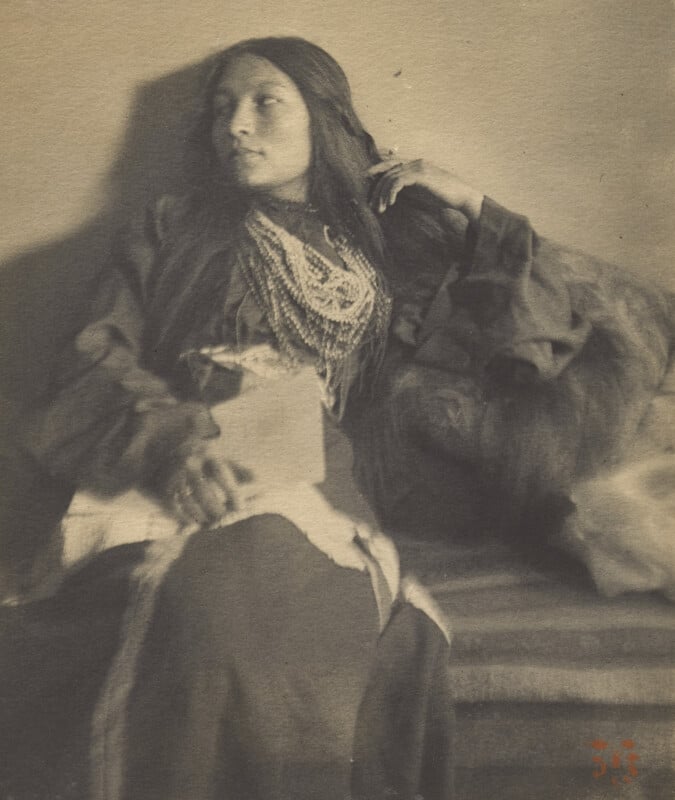
The inclusion of lesser-known figures alongside towering historical giants is a deliberate choice by the curation team. By placing portraits of Indigenous leaders like Red Cloud (captured in an 1880 albumen print by Charles Milton Bell) and Zitkála-Šá (photographed by Joseph T. Keiley in 1898 using a glycerine-developed platinum process) alongside presidents and titans of literature, the exhibition underscores a commitment to a multifaceted national narrative.
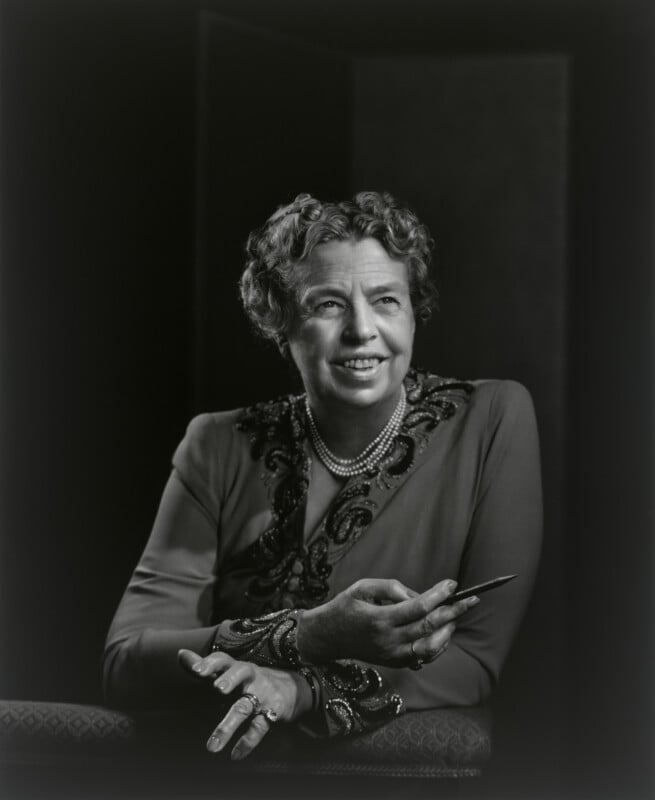
Implications: The Future of Visual Archives in the Digital Era
As Photographic Memory: Fifty Years of Collecting prepares to open its doors in late 2026, the exhibition arrives at a critical cultural juncture. In an era dominated by smartphone snapshots, digital manipulation, and synthetic media generated by artificial intelligence, physical photographic prints—particularly fragile historical artifacts like nineteenth-century daguerreotypes and mid-century gelatin silver prints—carry an unprecedented aura of authenticity.
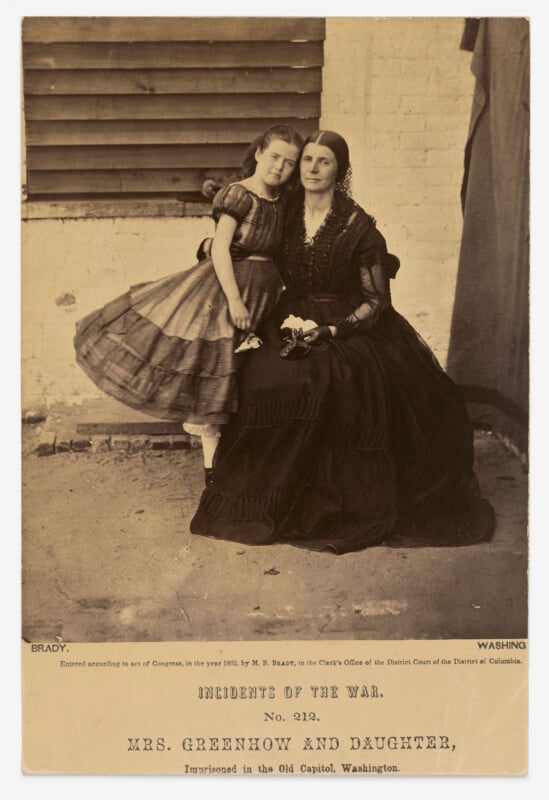
The exhibition serves as a timely reminder of the physical roots of photography and the immense labor required to capture, develop, and preserve the visual history of a nation. For the Smithsonian, the milestone anniversary highlights the ongoing necessity of archival stewardship. As photographic technology continues its rapid evolution toward the virtual and the ephemeral, institutions like the National Portrait Gallery remain the definitive custodians of our collective visual memory.
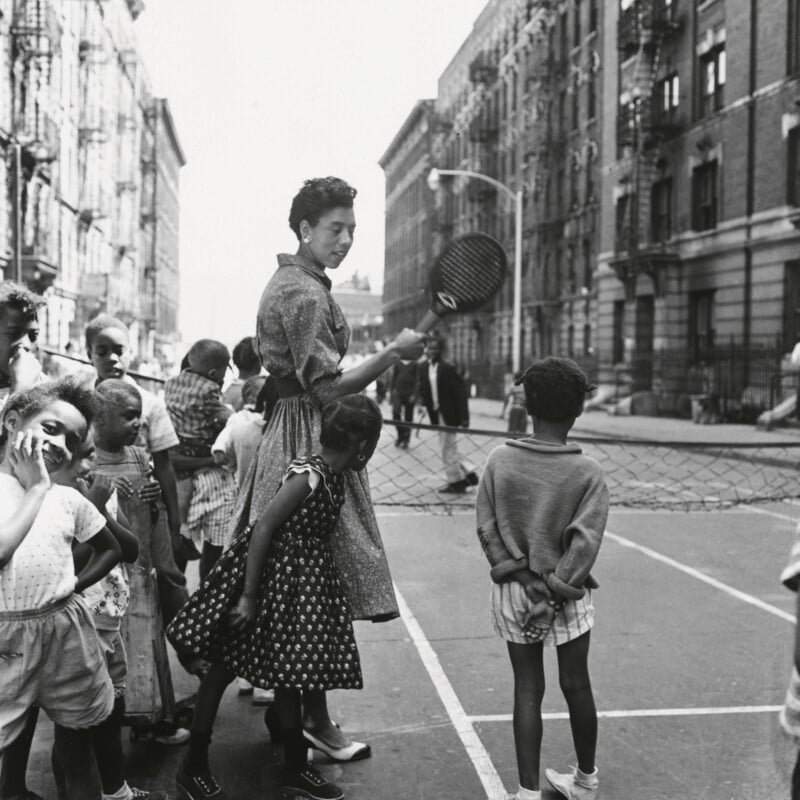
Photographic Memory: Fifty Years of Collecting will be open to the public on the second floor of the Smithsonian’s National Portrait Gallery in Washington, D.C., running from November 14, 2026, through November 7, 2027. Admission is free.
 Ali Ikhwan
  Iffa Jayyana
  Ammar Sabilarrohman