
 By rifanmuazin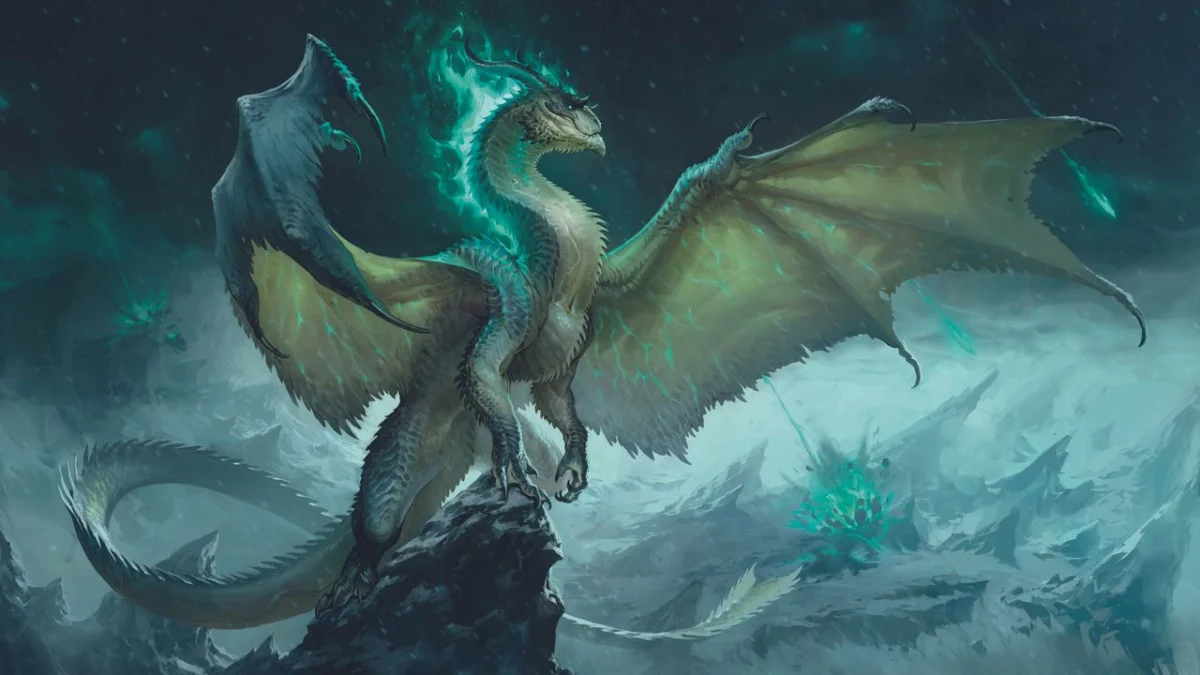
In the vast, untamed landscape of fantasy illustration, few subjects command as much respect and creative challenge as the dragon. For digital artist Javier Franco Santacreu, the dragon is not merely a creature of myth, but a canvas for boundless imaginative expression. In his latest personal project, Santacreu set out to capture the essence of a "looming calamity," moving away from the typical static portraits of beasts to create a narrative-driven piece that pulses with kinetic energy and atmospheric tension.
This article explores the technical process, philosophical approach, and professional insights behind Santacreu’s latest work, offering a masterclass in how to translate a menacing concept into a compelling visual reality.
The Philosophy of the Dragon: Why Anatomy Matters
For artists working within the fantasy genre, the dragon serves as the ultimate test of versatility. Unlike static human subjects, dragons can be interpreted through a near-infinite array of biological, elemental, and mythological lenses.
"Drawing dragons has always felt like a very creative and fun process to me," says Santacreu. "They are creatures that can be depicted in a wide variety of types and forms, which gives you a lot of creative freedom while challenging the imagination to create something different that hasn’t been done before."
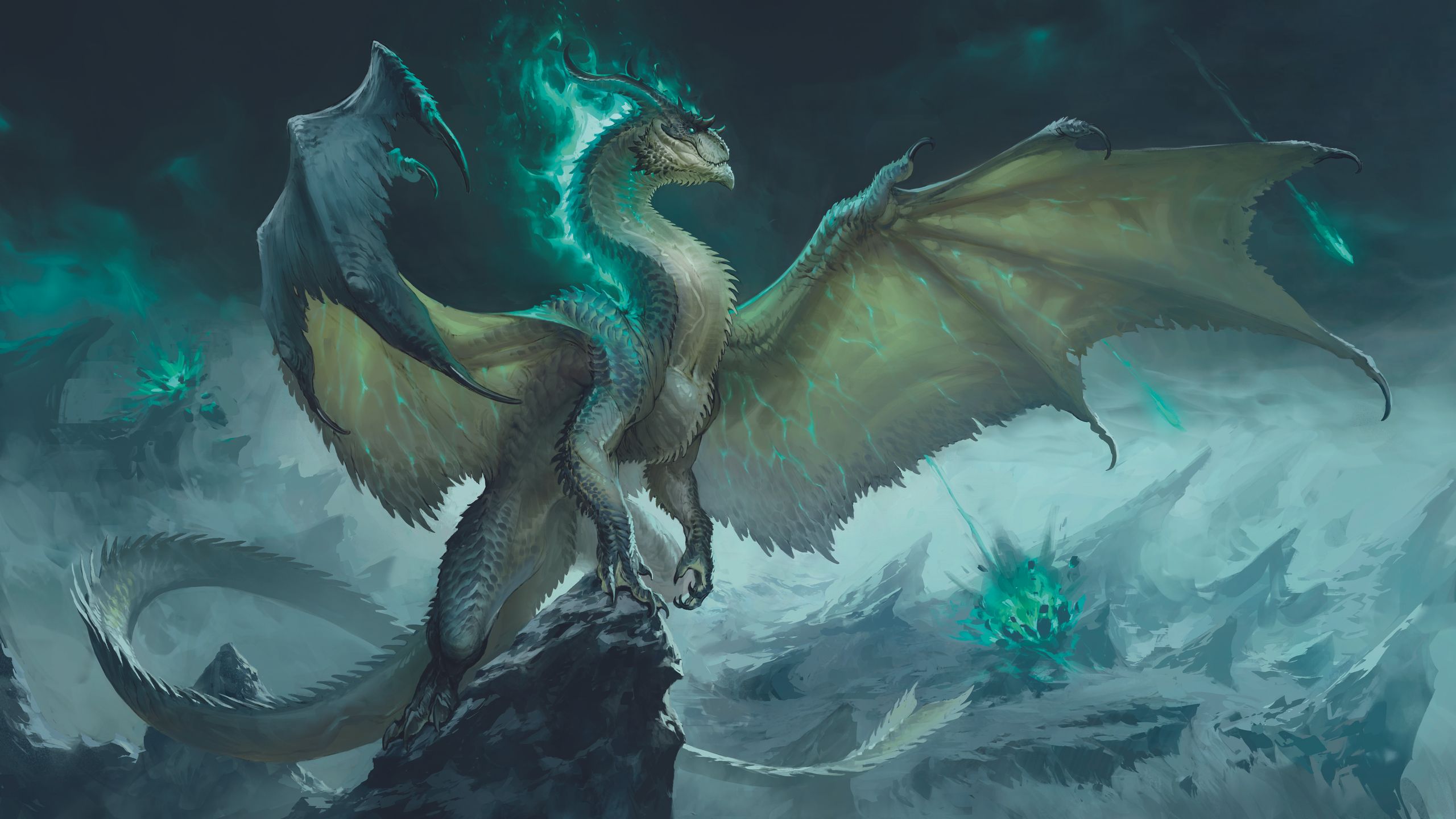
However, the secret to a successful dragon piece lies in expressiveness. Santacreu emphasizes that, much like the human hand, a dragon’s wings are its most communicative feature. By expanding the wings to occupy nearly the entire canvas, the artist forces the viewer to confront the beast’s immense scale. The wings are not just appendages; they are the primary engines of the creature’s presence, dictating the flow of the composition and framing the narrative of an impending disaster.
Chronology of a Masterpiece: A Step-by-Step Breakdown
Creating a high-concept digital illustration requires a rigorous workflow. Santacreu’s process, detailed below, provides a roadmap for artists looking to elevate their creature design.
Phase 1: The Foundation of Movement
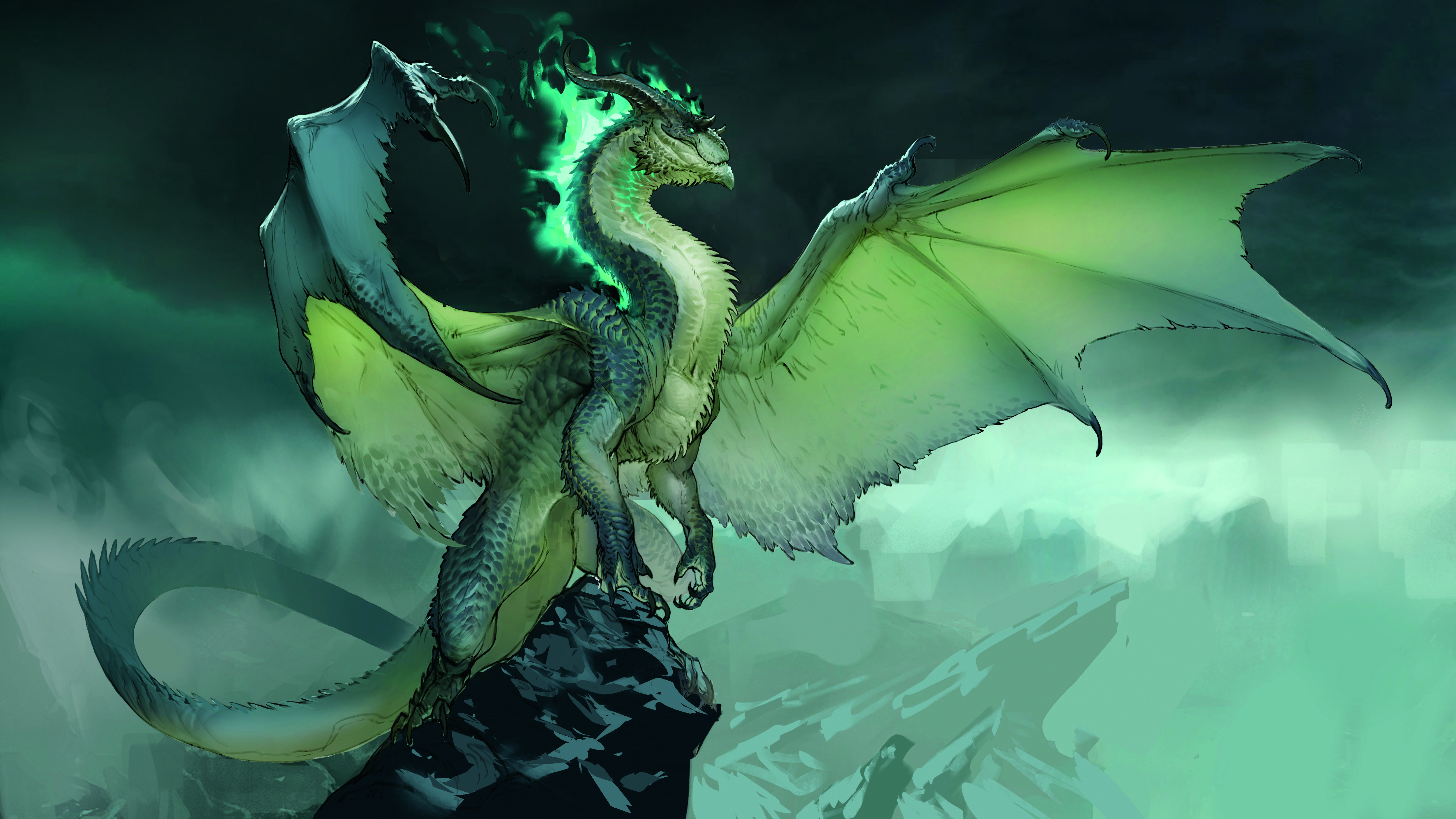
The initial phase of any great illustration is the gesture. Santacreu begins by focusing on the posture and body mechanics of the dragon. Before a single scale is detailed or a highlight is added, the silhouette must be readable and dynamic. By prioritizing the "line of action," the artist ensures that the dragon feels alive, mid-movement, and inherently threatening.
Phase 2: Establishing the Chromatic Mood
Color is the primary vehicle for emotion in digital painting. For this particular scene, the intent was to evoke a sense of dread and environmental harshness. Santacreu opted for a restricted palette dominated by deep blues and cold, desaturated greens. This decision serves a twofold purpose: it reinforces the "cold scene" narrative—suggesting a high-altitude or arctic environment—and it separates the creature from the background through subtle shifts in temperature.
Phase 3: Directing the Viewer’s Gaze
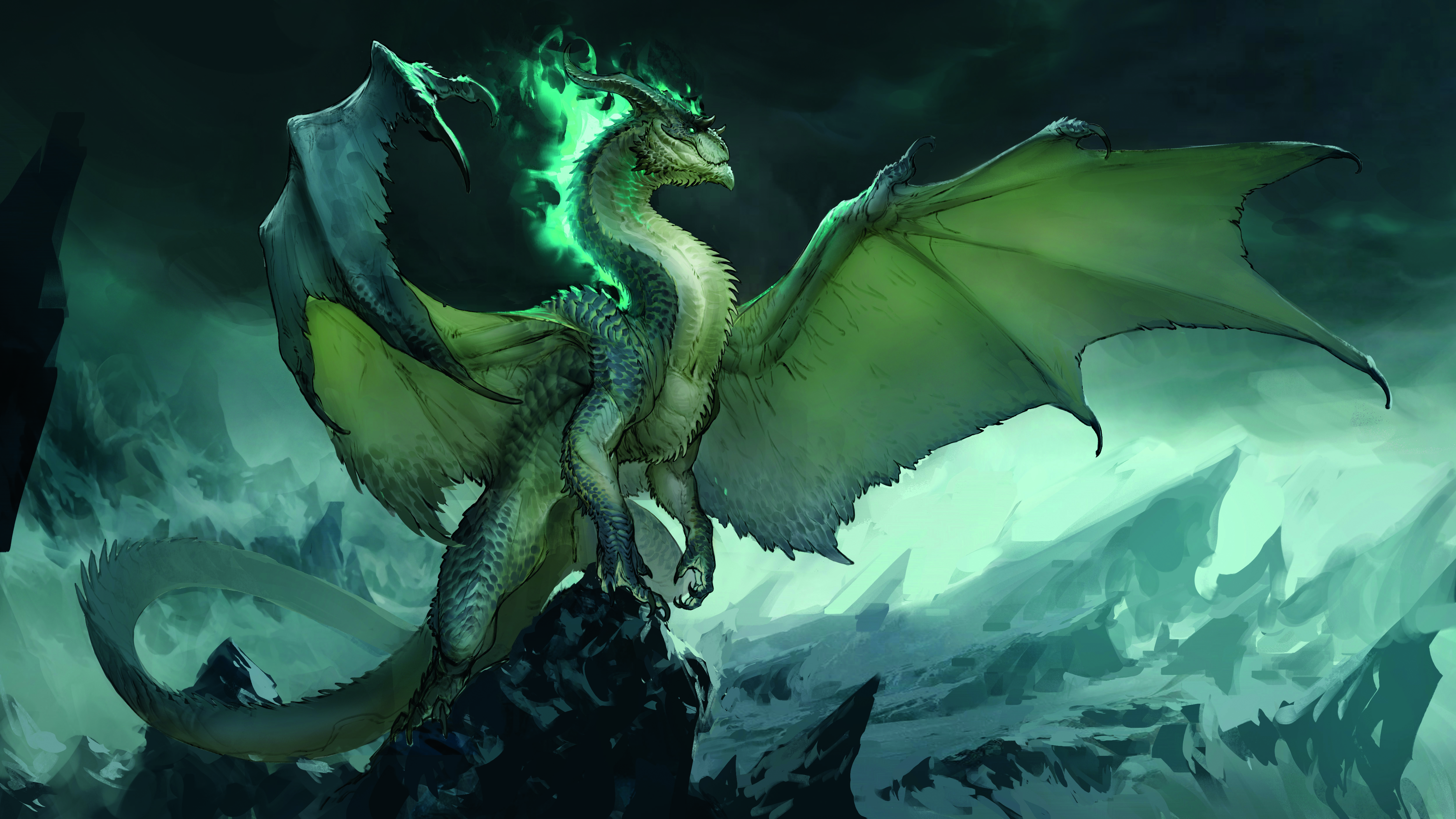
A common pitfall for emerging artists is "detail creep," where the artist spends too much time on textures at the expense of composition. Santacreu counters this by using broad, sweeping brushstrokes to blend the mountains and sky. By utilizing the principles of negative space, he forces the viewer to look where he wants them to—specifically, at the silhouette of the wings backlit by the dim, atmospheric light.
Phase 4: The Final Polish
The final stage involves the refinement of details: individual scales, the texture of horns, and the introduction of environmental elements like meteorites and a swirling blizzard. These elements are not added arbitrarily; they are placed to define the planes of depth. As the artist notes, "You can always add more detail, but the key to finishing an illustration is ensuring the planes of depth are clearly defined in relation to one another."
Supporting Data: The Digital Artist’s Toolkit
Modern digital art is as much about the hardware and software as it is about artistic intuition. For artists aiming to achieve the level of detail seen in Santacreu’s work, the choice of equipment is paramount.
Industry-Standard Software
The industry standard for digital painting remains consistent, with software like Adobe Photoshop, Corel Painter, and Procreate leading the charge. These programs provide the brush engines necessary to replicate traditional media textures while offering the non-destructive workflow required for complex compositions.
The Role of Hardware
Precision is non-negotiable in creature design. High-end drawing tablets—such as those from Wacom, Huion, or Xencelabs—offer the pressure sensitivity and latency-free performance required to execute fine details like scales and feathers. When evaluating tools, artists should look for:
- Pressure Sensitivity: Essential for varying line weight and opacity.
- Color Accuracy: A display that covers a high percentage of the Adobe RGB or DCI-P3 gamut ensures the colors chosen for the "cold scene" appear as intended.
- Ergonomics: For long-form illustration, the physical comfort of the tablet and stylus cannot be overstated.
Professional Implications: The Evolution of Fantasy Art
The work of artists like Javier Franco Santacreu highlights a significant shift in the fantasy art industry. We are moving away from the "monster-in-a-box" style of depiction toward a more cinematic, environmental approach.
The Narrative Shift
Contemporary digital art is increasingly judged by its storytelling capabilities. A dragon is no longer just a "threat"; it is a component of a larger ecosystem. By integrating elements like blizzards and meteorites, the artist provides context, answering the "what," "where," and "why" of the scene before the viewer even fully processes the subject matter.
The Rise of Digital Accessibility
The democratization of art education—often facilitated by platforms like ImagineFX and Creative Bloq—has raised the bar for what constitutes a "professional" finish. With tutorials and digital assets now readily available, the differentiator for artists is no longer just technical skill, but the ability to conceptualize unique, atmospheric narratives.
Conclusion: Crafting Your Own Menace
Javier Franco Santacreu’s work serves as a reminder that the best art is born from a balance of technical rigor and creative intuition. By focusing on posture, color theory, and the strategic use of negative space, any artist can transform a simple sketch of a beast into a compelling, narrative-driven scene.
As you embark on your own artistic endeavors, remember that the tools—whether they be the latest drawing tablets or high-end software—are merely the vessel. The true power lies in your ability to imagine a creature, place it in a world of your own making, and tell a story that leaves the viewer feeling the chill of the blizzard and the shadow of the wings.
For those looking to deepen their craft, consider the importance of consistent practice and study. Whether through magazine subscriptions like ImagineFX or by utilizing the latest mobile apps to stay updated on design trends, the pursuit of artistic excellence is a lifelong journey.
Interested in exploring the world of digital illustration further? Stay tuned to the latest developments in art and technology by downloading the Creative Bloq app, available now for iOS and Android.
 Lina Hope
  Reynand Wu
  Pevita Pearce