Introduction: The Changing Landscape of Modern Womanhood
For generations, the traditional trajectory of adult womanhood was viewed through a singular, predictable lens: education, career, marriage, and motherhood. Society often treated the desire to have children not as a choice, but as an inevitable biological and social imperative. However, contemporary cultural shifts are dismantling this monolithic standard. Today, women are increasingly vocal about charting diverse life paths—some embracing motherhood with lifelong devotion, others discovering it later in life, and a growing segment consciously deciding to remain childfree.
This cultural evolution recently crystallized on social media when TikTok user @dara.diary posed a deceptively simple yet profound question to her followers: What are the real reasons you don’t want to have kids?
The prompt opened the floodgates to thousands of raw, deeply reflective, and often humorous responses. Far from the generalized stigma that childfree individuals are "selfish" or "uncaring," the submissions reveal a complex tapestry of economic anxieties, psychological self-awareness, environmental concerns, and a profound appreciation for personal autonomy. For anyone navigating the complex, highly personal decision of whether to expand a family, these shared experiences offer a reassuring reminder: not only is simply "not wanting kids" a valid and complete reason in itself, but no woman walking this path is truly alone.
Chronology of a Cultural Shift: From Taboo to Open Dialogue
The conversation surrounding voluntary childlessness has undergone a remarkable transformation over the past several decades.
The Mid-to-Late 20th Century: The introduction of the birth control pill in the 1960s gave women unprecedented control over their reproductive futures for the first time in history. Yet, choosing not to use that control to start a family remained a deeply stigmatized taboo. Women who openly rejected motherhood faced intense social censure, often pathologized as unnatural or unfulfilled.
The Turn of the Millennium: As more women entered higher education and the professional workforce, the average age of first-time mothers began to rise. Academic and sociological interest in "voluntary childlessness" grew, though mainstream discourse still largely viewed it as an economic or career-driven compromise rather than a valid lifestyle preference.
The 2010s (The Rise of Digital Communities): Platforms like Reddit, Tumblr, and early Facebook groups allowed childfree individuals to find community and share resources. Terms like "childfree by choice" began replacing defensive terminology like "childless," reclaiming agency over the identity.
The Present Day (Social Media and Viral Realism): Through short-form video platforms like TikTok, the conversation has moved from niche forums into the mainstream. Creators like @dara.diary have created viral spaces where women can dissect the realities of parenting—and non-parenting—without filtering their thoughts through traditional societal expectations. The recent viral thread serves as a comprehensive snapshot of modern women weighing the realities of motherhood against the freedom of autonomy.
Supporting Data and Key Themes from the Viral Discourse
An analysis of the responses compiled in the viral thread highlights several distinct categories of reasoning behind the decision to remain childfree. These insights bridge individual anecdotes with broader sociological trends.
1. The Value of Spontaneity and Personal Autonomy
A dominant theme among respondents is the absolute value placed on personal freedom. Many women noted that their ideal days do not involve managing the chaotic schedules, dependencies, and logistics of raising children.
Representative sentiment: "Parents describing a perfect day always starts with no kids."
Another respondent noted the simple luxury of spontaneous movement: "The freedom to leave the house spontaneously for any duration without having to think about it."
2. Economic Realities and the Cost of Living
Raising a child in the 21st century requires staggering financial resources. Economic instability, high housing costs, and the skyrocketing price of childcare heavily influence family-planning decisions.
As one user pointed out: "The only happy parents I know have generational wealth and/or help from their parents, and I have neither."
Another simply stated, "I like money," highlighting the financial trade-offs inherent in modern parenting.
3. Mental Health, Overstimulation, and Emotional Capacity
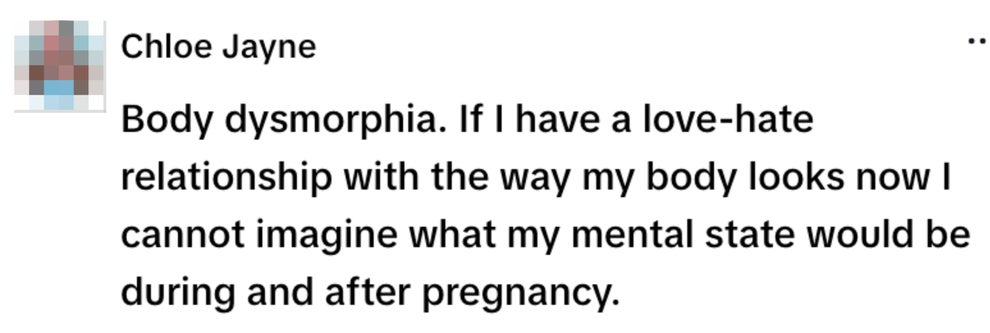
Self-awareness regarding psychological limits emerged as a powerful motivator. Many women expressed deep concern over how chronic sleep deprivation and overstimulation would affect their mental health and, consequently, how that might impact a child.
"When I’m overstimulated, I’m mean. They don’t deserve that ever… I didn’t," shared one user, reflecting a desire to break cycles of potential trauma or emotional strain.
Another noted the haunting weight of anxiety: "I would be a very controlling and overprotective mother. All due to anxiety."
4. Environmental and Global Anxieties
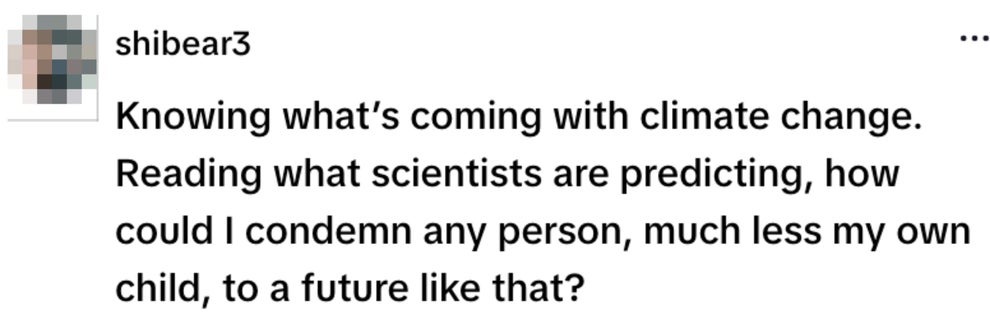
External factors—ranging from climate change to geopolitical instability—also weigh heavily on younger generations. For some, bringing a new life into an uncertain future feels ethically complex.
Concerns over the viability of the planet and the socio-political challenges waiting for the next generation regularly appear in childfree discourse, framing the choice as an act of ecological or ethical consideration.
Official Responses and Sociological Perspectives
Sociologists, psychologists, and demographic researchers have closely monitored the steady rise in voluntary childlessness across developed nations. According to data from the Pew Research Center and various national statistical agencies, birth rates in many Western countries have fallen below replacement levels, driven largely by shifting priorities among younger generations.
Dr. Laura Carter, a sociologist specializing in family structures, notes that contemporary discourse reflects a healthy shift toward intentional living:
"For centuries, procreation was treated as an automatic default setting for adulthood. What we are seeing now is a cultural maturation. People are asking a critical question that previous generations were discouraged from voicing: Should I have children, or am I just doing this because it’s expected? The answers emerging from these digital spaces show that women are making deeply considered choices based on their emotional, financial, and psychological capacities."
Furthermore, mental health professionals emphasize that recognizing one’s limitations—whether dealing with sensory overstimulation, past trauma, or chronic illness—is an act of profound responsibility rather than selfishness.
Implications of the Childfree Movement
The growing acceptance and visibility of the childfree lifestyle carry significant cultural, economic, and social implications for the future.
Cultural Implications
As the stigma surrounding voluntary childlessness fades, societal definitions of fulfillment are expanding. Women are increasingly recognized for their contributions to science, art, community leadership, and the workforce without needing to validate their status through motherhood. This shift helps dismantle toxic expectations that equate a woman’s worth solely with reproductive output.
Economic Implications
Economically, the "DINKS" (Double Income, No Kids) demographic represents a powerful consumer base. With greater disposable income and flexibility, childfree individuals significantly impact travel, entertainment, housing markets, and investment sectors. Conversely, declining birth rates present long-term challenges for traditional pension systems and workforce replenishment, forcing governments to rethink economic sustainability in an aging society.
Interpersonal Relationships
The conversation also sheds light on the realities of platonic and familial relationships. Several respondents noted how friendships evolve—or fracture—after children enter the picture, as priorities and daily realities diverge. Open dialogue about these friction points helps normalize the growing pains that can occur within social circles as friends enter different life stages.
Conclusion: A Safe Space for Personal Truth
Ultimately, the viral conversation sparked by @dara.diary underscores a fundamental truth: there is no universal blueprint for a meaningful life. Whether a woman’s journey leads her to motherhood at age four, through adoption, via a conscious choice to tie her tubes, or toward a vibrant, peaceful life centered on personal growth, creativity, and autonomy, every path deserves respect.
By fostering safe, open spaces to share these diverse truths, digital communities are helping to dismantle old stigmas and empower individuals to make choices that honor their authentic selves. As society continues to evolve, the most important takeaway remains clear: simply knowing what you want—and having the courage to live it—is reason enough.

 By Sagoh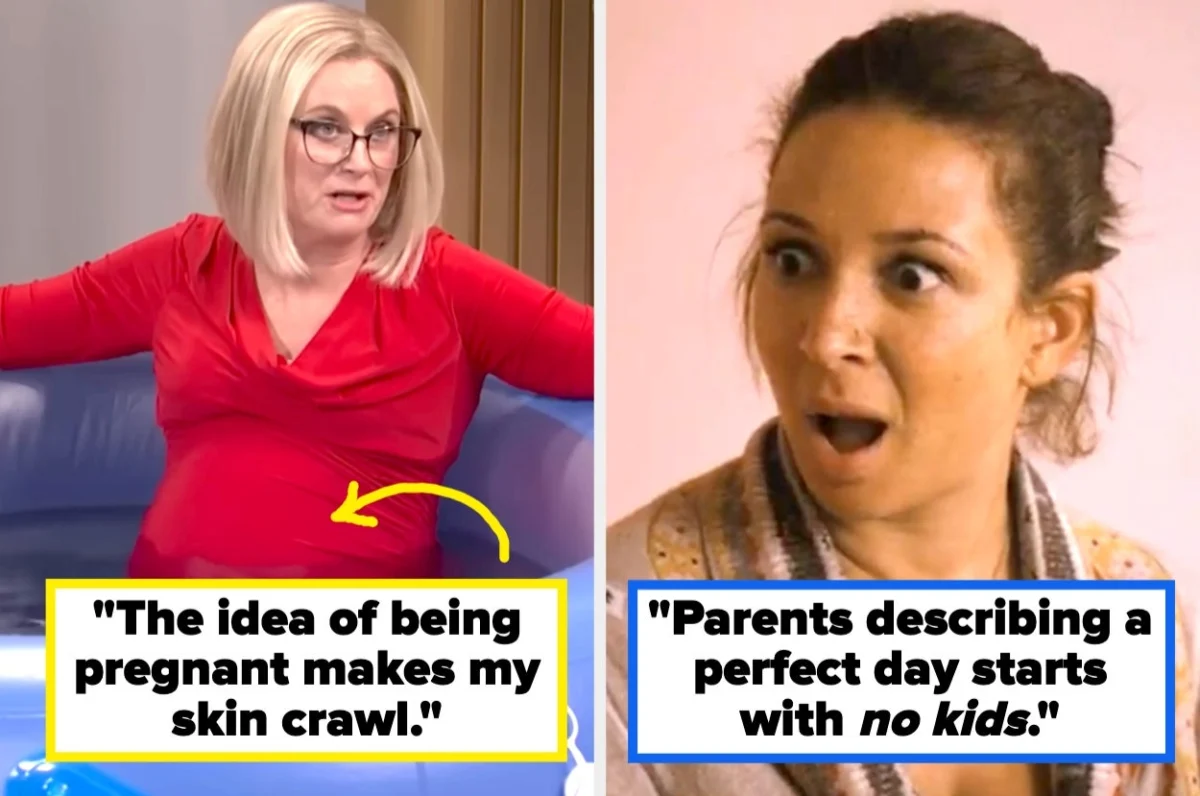















 Pevita Pearce
  Raul Delapena Setiawan
  Muslim