
 By Layla Zulfa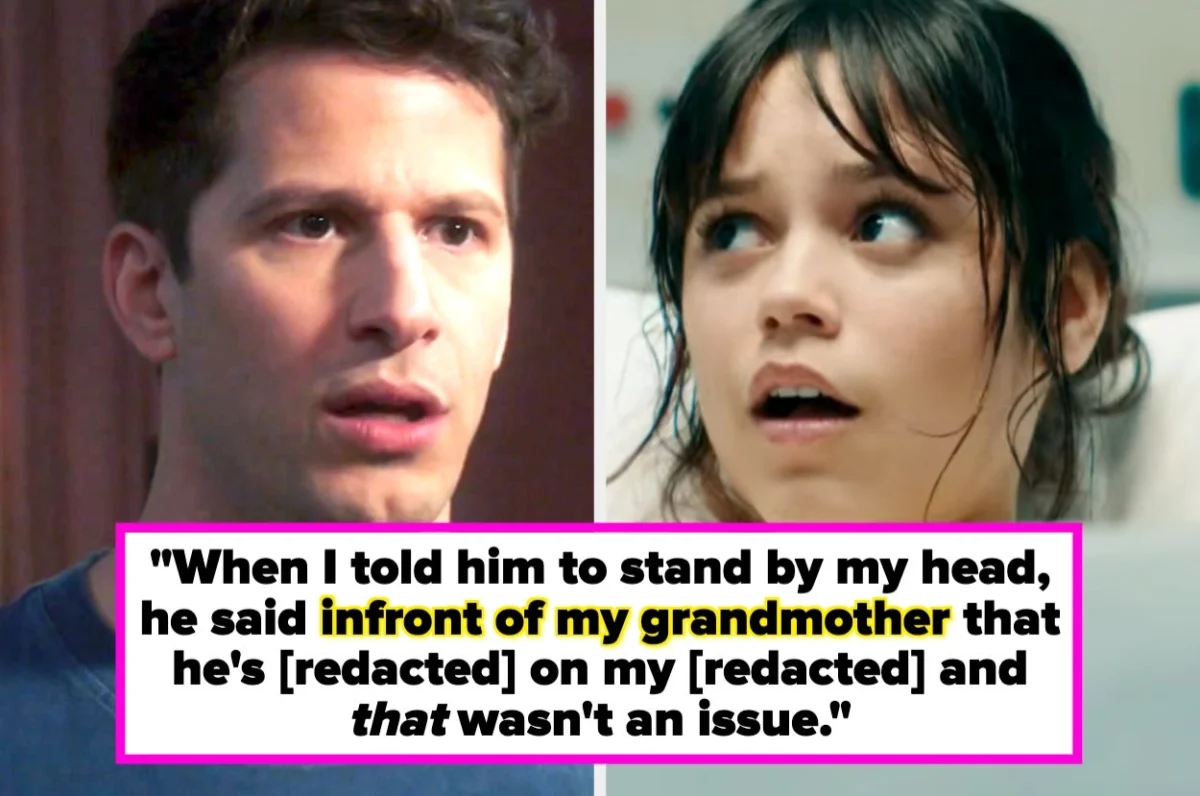
The delivery room is widely recognized as one of the most intense, high-stakes environments a couple will ever experience together. It is a crucible of raw human emotion—a volatile mix of profound pain, overwhelming joy, physical exhaustion, and the existential weight of bringing new life into the world. In these moments, partners are expected to serve as pillars of support, advocates, and calm anchors. However, as recent viral trends on TikTok have illuminated, the reality is sometimes far more chaotic.
A series of viral discussions, sparked by content creators @kenna_huntsman and @shelbielynn418, has opened a floodgate of anecdotal evidence revealing a bizarre, often hilarious, and sometimes infuriating phenomenon: partners saying the most profoundly inappropriate things at the most critical moments of labor. From casual observations about the medical procedure to bizarre inquiries about their own comfort, these stories have resonated with millions, suggesting that the "delivery room blooper" is a more universal experience than many would care to admit.
The Anatomy of a Delivery Room Faux Pas
Childbirth, while a biological imperative, is often shrouded in expectations of cinematic perfection. Partners are coached to be supportive, quiet, and attentive. Yet, psychology suggests that the high-stress environment of a hospital, combined with sleep deprivation and the sheer shock of witnessing the physical realities of labor, can cause some individuals to experience a temporary lapse in social judgment.
The anecdotes collected from these social media threads range from the medically insensitive to the emotionally obtuse. One mother reported her partner looking at the surgical site during a C-section and uttering, "Babe, they’ve basically gutted you like a fish!" Another recounted a partner complaining about the quality of the hospital’s cafeteria food while she was in the throes of active labor.
Chronology of the Viral Trend
The conversation gained significant momentum in early 2025. It began when user @kenna_huntsman posted a prompt asking her followers for their most "unhinged" delivery room stories. The response was immediate and overwhelming. Thousands of women flooded the comments section, detailing stories that had remained bottled up for years.
The trend evolved further when @shelbielynn418 shared a second, even more extensive compilation of these stories. The sheer volume of shared experiences—ranging from 29 distinct, documented accounts in these specific threads alone—highlights a pattern. The narratives typically follow a three-act structure: the anticipation of the birth, the specific "moment of madness" where the partner interjects with an inappropriate comment, and the subsequent "stare of disbelief" from the laboring parent.
Supporting Data: Why Do Partners Say These Things?
While these anecdotes are anecdotal, they point to underlying physiological and psychological stressors. According to experts in maternal health and family dynamics, partners are often just as traumatized and overwhelmed as the laboring person.
- Fight-or-Flight Response: When a partner sees their loved one in extreme pain, they often enter a state of high physiological arousal. Some individuals cope with this stress through humor—even if that humor is wildly misplaced.
- The "Observer" Disconnect: Because the partner is not physically experiencing the contraction, they are often in a different headspace. They are observing the medical logistics, the sounds, and the sterile environment, which can lead to comments that feel "clinical" or "detached" to the person in labor.
- Exhaustion: Labor can last for days. A partner who has been awake for 36 hours is prone to cognitive impairment, which often strips away the "filter" that prevents one from saying, "Hey, are you going to finish that sandwich?" while their partner is pushing.
Categorizing the "Unhinged" Comments
By analyzing the data provided by these thousands of participants, we can categorize these comments into several archetypes:
1. The "Observer" (The Documentarian)
These partners offer running, often unwanted, commentary on the medical procedure. Phrases like "Oh, that looks like a horror movie" or "I think I see the head" are common, even when explicitly asked not to look or comment.
2. The "Self-Centric" (The Comfort Seeker)
These individuals are so overwhelmed by their own hunger, exhaustion, or discomfort that they forget their role is to support the mother. These include complaints about uncomfortable chairs, lack of sleep, or hunger pangs during the most intense phases of labor.
3. The "Inappropriate Comedian"
Attempting to break the tension with humor, these partners often fail spectacularly. A poorly timed joke about the physical toll of childbirth can land with a thud, leaving the laboring parent feeling isolated in their struggle.
Official Responses and Medical Perspectives
Medical professionals who work in labor and delivery are rarely surprised by these stories. Nurses and midwives have long observed the "delivery room dynamic" as a litmus test for relationships.
"We see it all," says one labor and delivery nurse, speaking on condition of anonymity. "We’ve seen partners faint, we’ve seen them try to negotiate the price of the epidural, and we’ve seen them ask the most absurd questions. Our job is to manage the patient, but we often end up acting as a referee between the couple. We encourage partners to stay focused, keep the tone calm, and—above all—think before they speak."
Hospitals are now increasingly recommending that birth plans include a section on "partner conduct," explicitly outlining that the laboring person has the right to request silence or remove a support person if their behavior becomes a hindrance.
Implications for Modern Relationships
The virality of these stories is not just about laughter; it is a symptom of a larger cultural conversation about the expectations we place on partners during childbirth. Historically, partners were often excluded from the delivery room. Today, their presence is the standard, yet there is very little formal training on how to be an effective, non-obstructive presence.
The implications are clear:
- Preparation is Key: Couples should discuss their expectations well before the due date. Establishing boundaries—such as "no jokes during contractions" or "no food talk"—can mitigate future resentment.
- Normalization of the "Bad Moment": It is vital to recognize that saying something stupid does not necessarily make a partner "bad." It often just makes them human. Many of the contributors to these threads noted that they laughed about it years later, even if they wanted to commit murder in the moment.
- Communication Post-Birth: The postpartum period is fragile. If a partner’s comment caused genuine hurt, it is essential to address it once the dust has settled and the baby has arrived, rather than letting it fester as a point of long-term resentment.
Conclusion
The "unhinged" delivery room comment is a modern rite of passage. While the stories shared by @kenna_huntsman and @shelbielynn418 are undeniably shocking and sometimes cringe-worthy, they serve a valuable purpose. They provide a space for parents to process the intensity of their birth experiences through humor.
Ultimately, these stories remind us that childbirth is messy, unpredictable, and rarely the picture-perfect event portrayed in media. Whether it’s a partner comparing a medical procedure to butchery or complaining about their own back pain, these moments remind us that even in the most life-changing scenarios, humans are prone to saying the wrong thing at the absolute worst time. As we continue to share these experiences, the stigma of the "perfect birth" diminishes, replaced by a more honest, chaotic, and relatable reality of parenthood.
Do you have a story from the delivery room that still makes you gasp? The conversation remains open. As the digital community continues to document these moments, one thing is certain: the delivery room is a place where, despite the pain, the laughter (or the shocked silence) often manages to find its way in.
 Ammar Sabilarrohman
  rifanmuazin
  Suro Senen