SAN FRANCISCO — As corporate reliance on digital touchpoints deepens, the landscape of socialmedia management has transitioned from a collection of fragmented scheduling plugins into a unified operational ecosystem. A comprehensive new industry analysis released in late September 2026 by strategist Sam Lauron highlights 14 essential tools defining the modern digital marketingstack. The report details how artificial intelligence, advanced social listening, and cross-departmental integration have shifted from "nice-to-have" add-ons to core business infrastructure.
The digital marketing industry is currently navigating a period of unprecedented transformation. According to benchmark data from Gartner cited in the study, marketing leaders expect the AI-driven automation of marketing tasks to more than double, surging from 16% to 36% by 2028. This growth underscores an urgent demand for platforms capable of handling high-volume content production, intricate brand governance, and rigorous data analytics without creating crippling software bloat.
Main Facts: The Anatomy of Modern Social Software
Social media tools are no longer defined solely by their ability to queue posts for future publication. Today’s software classification encompasses all-in-one operating systems, standalone graphic design suites, AI-driven text and media generators, and enterprise-grade listening technologies.
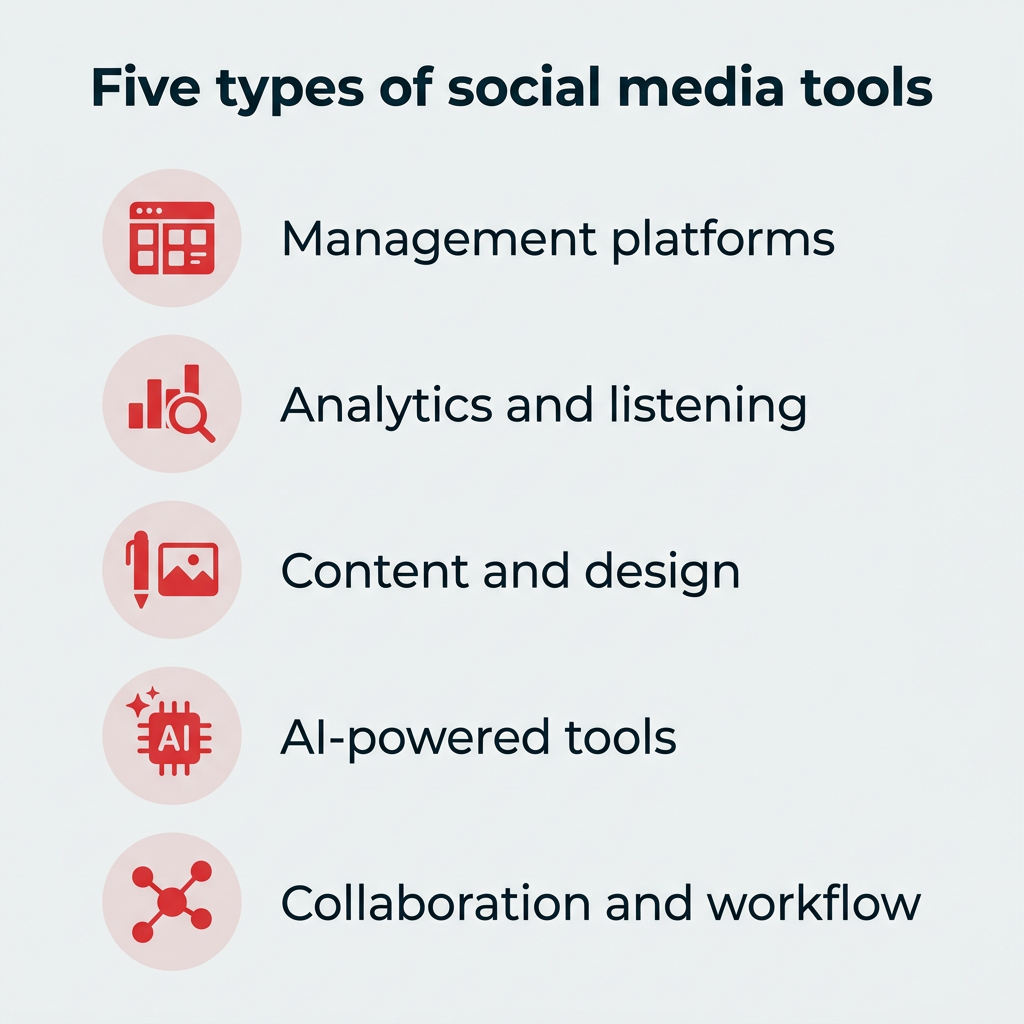
The core categories shaping the 2026 market include:
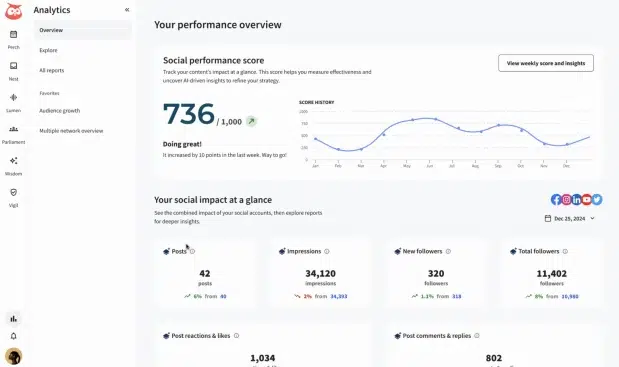
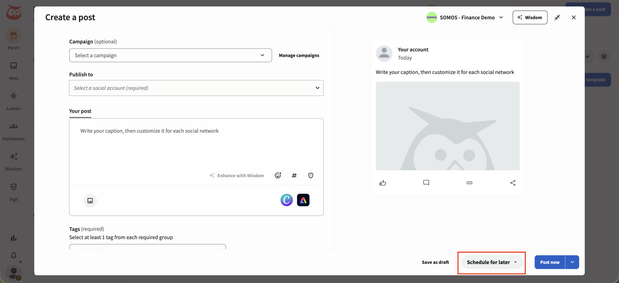
All-in-One Management Platforms: Centralized command hubs like Hootsuite Social OS and HubSpot that merge scheduling, publishing, analytics, and customer care into a single dashboard.
Analytics & Social Listening: Advanced systems like NetBase Quid and Lumen that scan millions of online sources in real time to evaluate consumer sentiment, track brand health, and flag crisis signals.
Content Creation & Design: Visual engines like Canva and Adobe Stock that leverage AI editing to produce professional-grade assets without requiring dedicated graphic design teams.
AI-Powered Assistants: Native and third-party models—such as Wisdom by Hootsuite, Lately AI, and ChatGPT—that automate caption writing, repurpose long-form assets, and pull insights straight from live databases.
Collaboration & Workflow: Project management solutions like Monday.com, Airtable, and Notion that align cross-functional teams around content calendars and creative briefs.
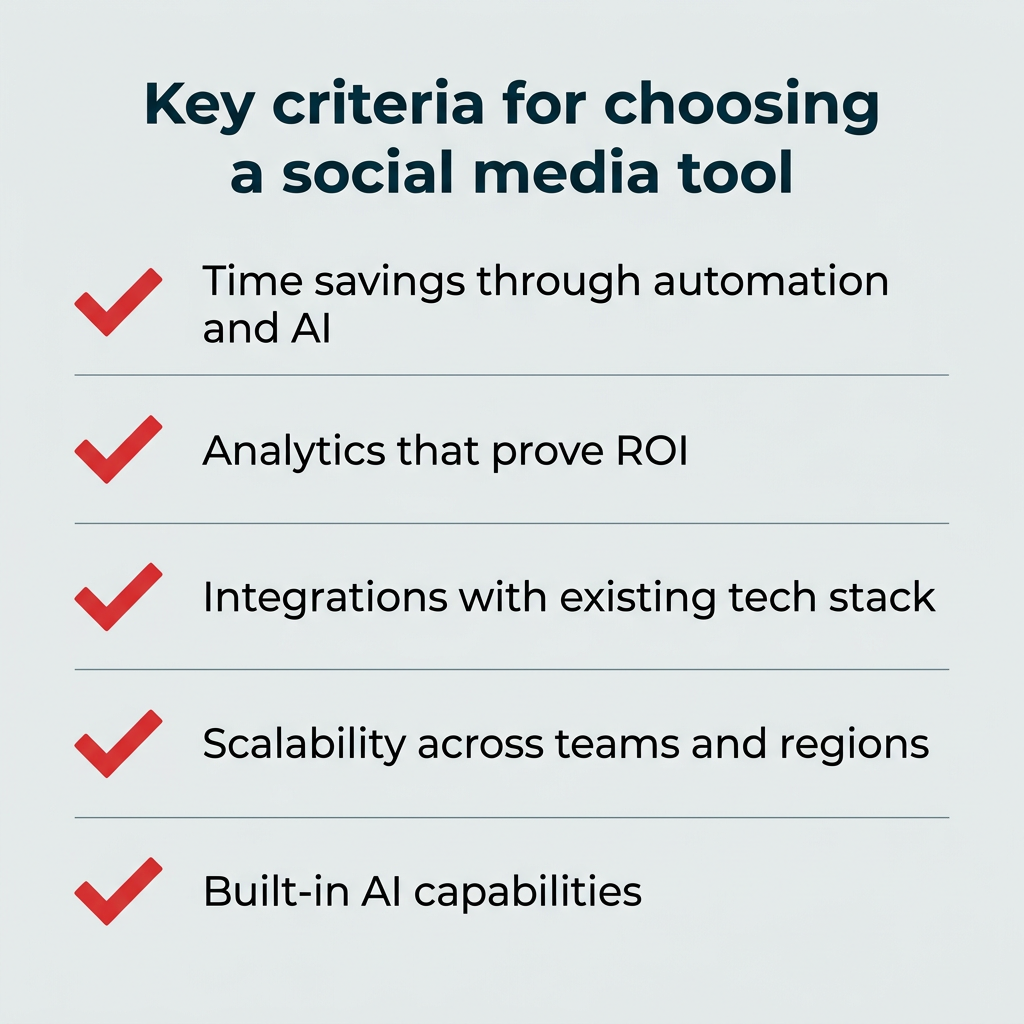
Selecting the right software requires careful evaluation against six key organizational criteria: time savings, proven return on investment (ROI), tech stack integration, scalability across regions and brands, robust AI capabilities, and comprehensive brand reputation protection.
Chronology: The Evolution Toward Connected Intelligence
The maturation of social media management tools has occurred in distinct waves over the past decade.
Early 2010s (The Siloed Scheduling Era): Tools functioned primarily as basic broadcast calendars. Marketers logged into separate dashboards just to post updates to Twitter and Facebook, manually exporting analytics into standalone spreadsheets.
Late 2010s to Early 2020s (The Multi-App Sprawl): As social platforms diversified to include Instagram, LinkedIn, TikTok, and Pinterest, teams adopted specialized point solutions for listening, customer care, and graphic design. This fragmentation often resulted in data silos and disconnected customer journeys.
2024–2025 (The Generative AI Boom): Standalone generative AI applications flooded the market, enabling rapid caption and image creation. However, these tools frequently operated outside existing workflows, requiring constant copy-pasting and manual data entry.
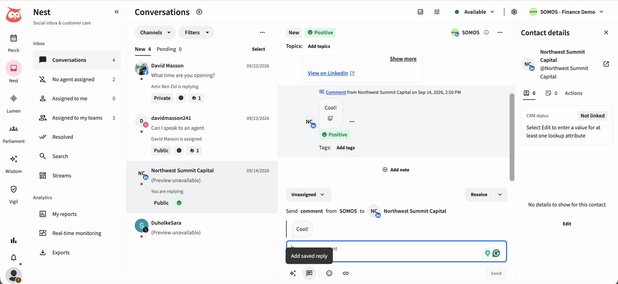
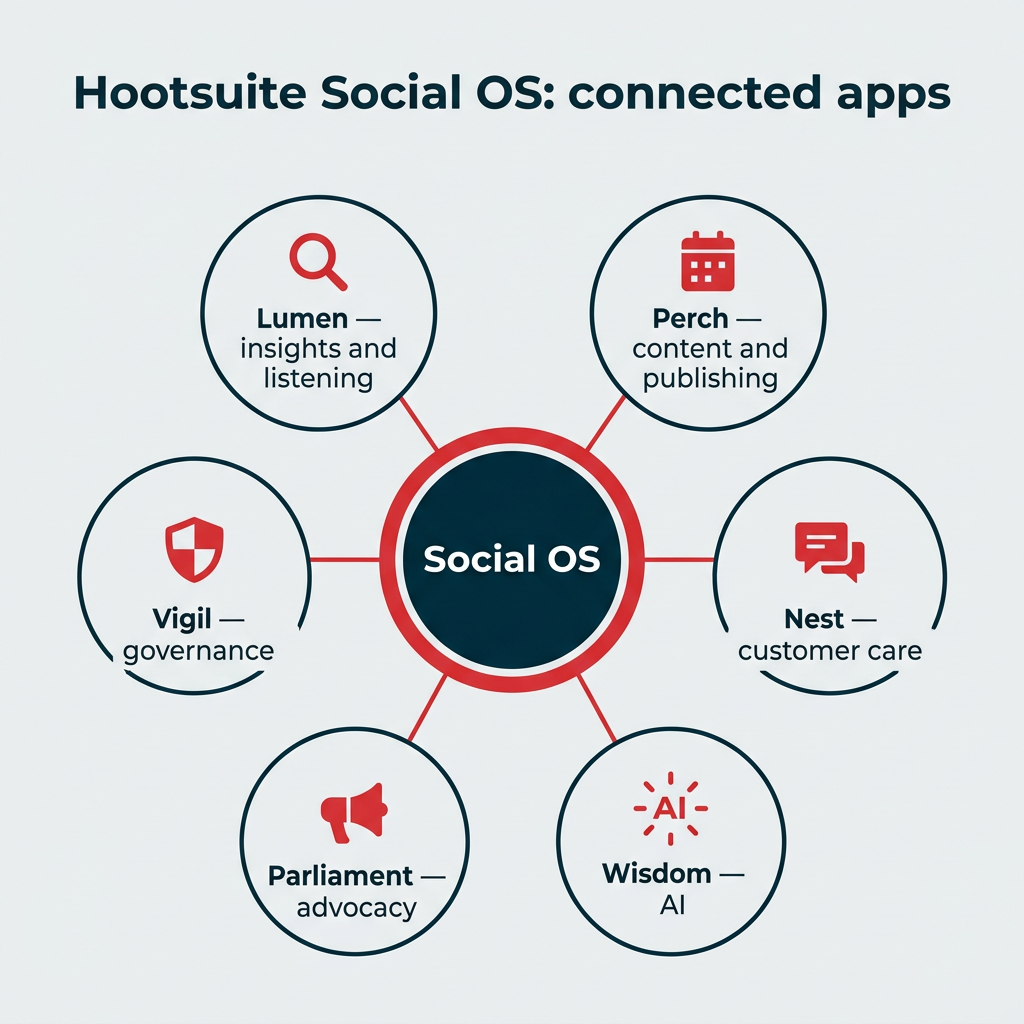
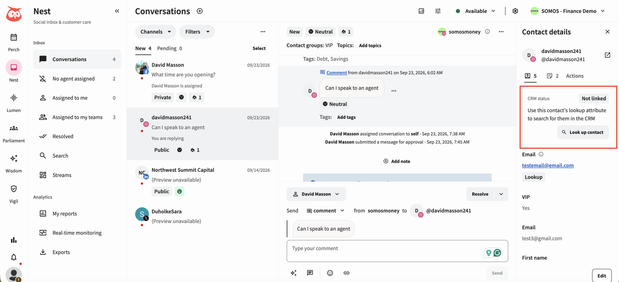
2026 (The Connected Operating System): The current landscape emphasizes consolidation and contextual intelligence. AI and listening capabilities are no longer separate tabs; they are embedded directly into enterprise workflows. Systems like Hootsuite Social OS utilize connected apps (such as Lumen for listening, Nest for engagement, and Wisdom for AI) that operate on a unified data layer. Simultaneously, the explosive growth of influencer marketing—with U.S. spending projected to surpass $10 billion—has driven the integration of creator discovery tools like Upfluence and Insense directly into core scheduling ecosystems.
Supporting Data: Comparative Market Overview
Navigating the crowded marketplace requires a clear understanding of how tools compare across features, pricing tiers, and primary use cases.
Tool
Category
Best For
Standout Feature
Starting Price
Free Plan
Hootsuite Social OS
All-in-one management
Multi-brand enterprise teams
Connected apps for publishing, listening, and AI
$99/user/month
No
HubSpot
All-in-one management + CRM
Teams tying social to sales data
Social interactions mapped to CRM contact records
$7/month/seat
Yes
NetBase Quid
Analytics & listening
Consumer & market intelligence
Consumer sentiment & brand health analysis
Custom pricing
No
Google Business Profile
Analytics & reputation
Local businesses
Free review management & business updates
Free
Yes
Canva
Content creation & design
Teams without dedicated designers
Template library + AI image generation
~$10–$15/month
Yes
Adobe Stock
Content creation & design
Adobe Creative Cloud users
Licensed stock assets inside creative workflows
$29.99/month
No (Trial available)
Wisdom by Hootsuite
AI tools
Data-grounded AI workflows
Cited answers from live social data in plain language
Included with plans
No
Lately AI
AI tools
Repurposing long-form content
Auto-generated captions from blogs and podcasts
$99/month
No
ChatGPT
AI tools
General ideation & drafting
Connectors that bring social data into chat windows
$20/month
Yes
Upfluence
Influencer management
Discovering & managing creators
Creator search across six social networks
Contact for pricing
Free Chrome extension
Insense
Influencer management
E-commerce UGC campaigns
End-to-end UGC briefs and creator matching
$300/month
No
Monday.com
Collaboration & workflow
Campaign and calendar planning
Customizable boards with workflow automations
$9/user/month
Yes
Airtable
Collaboration & workflow
Cross-team workflow management
Database flexibility with calendar/kanban views
$20/user/month
Yes
Notion
Collaboration & workflow
Documentation & ideation
Central knowledge base for brand guidelines
$10/user/month
Yes
Official Industry Insights and Expert Commentary
Industry analysts emphasize that the dividing line between basic and advanced marketing execution is the quality of data integration. According to Sam Lauron’s report, marketing leaders can no longer justify tools that operate in isolation.
"The right tool should eliminate repetitive work so your team can focus on strategy and creativity," notes the analysis. "In 2026, the most effective social media tools include AI for content creation, post optimization, trend detection, and automated recommendations. The distinction that matters is whether AI is built into the workflow or bolted on beside it."
Data security and brand governance have also taken center stage. As enterprises face heightened regulatory scrutiny—particularly in sectors like financial services and healthcare—the demand for robust audit trails, role-based permissions, and compliance guardrails has surged. Enterprise-tier solutions now prioritize internal governance mechanisms (such as Hootsuite’s Vigil and Parliament apps) to ensure that automated publishing and AI-generated outputs strictly adhere to brand guidelines before going live.
Implications for Marketers and Enterprises
The shift toward unified social operating systems carries profound implications for organizational efficiency and resource allocation.
1. The Death of Point-Solution Sprawl
Teams that rely on a dozen disparate free applications are discovering that the administrative overhead of moving data between tools outweighs the cost savings. While free tiers—such as Canva for design basics, Google Business Profile for reviews, and Notion for documentation—remain valuable for solo creators, growing enterprises require consolidated platforms to maintain data integrity.
2. AI as an Operational Standard
With 81% of marketing technology leaders actively piloting or deploying AI agents, the technology has transitioned from a creative writing trick to an analytical anchor. Tools that offer cited AI—meaning the artificial intelligence pulls answers directly from internal performance datasets rather than hallucinating from open-web guesses—will dominate enterprise procurement decisions.
3. Proving Tangible ROI to Leadership
Modern social media management is inextricably linked to revenue attribution. Tools that connect social engagement metrics directly to CRM records (such as HubSpot) or provide enterprise-grade executive reporting (such as Hootsuite Social OS and NetBase Quid) empower marketers to prove their direct impact on the corporate bottom line.
Ultimately, whether managing a localized brick-and-mortar storefront or orchestrating a multi-national brand campaign, the mandate for marketing professionals in 2026 is clear: consolidate the tech stack, leverage governed AI, and transform social data into actionable business intelligence.

 By Ali Ikhwan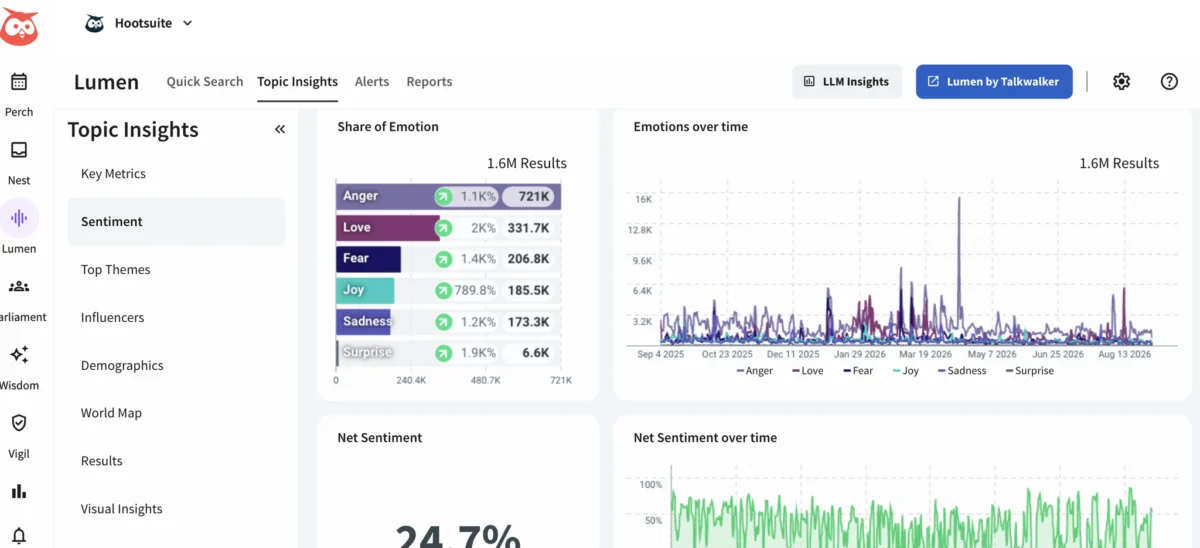





 Siti Muinah
  Jia Lissa