
 By Jia Lissa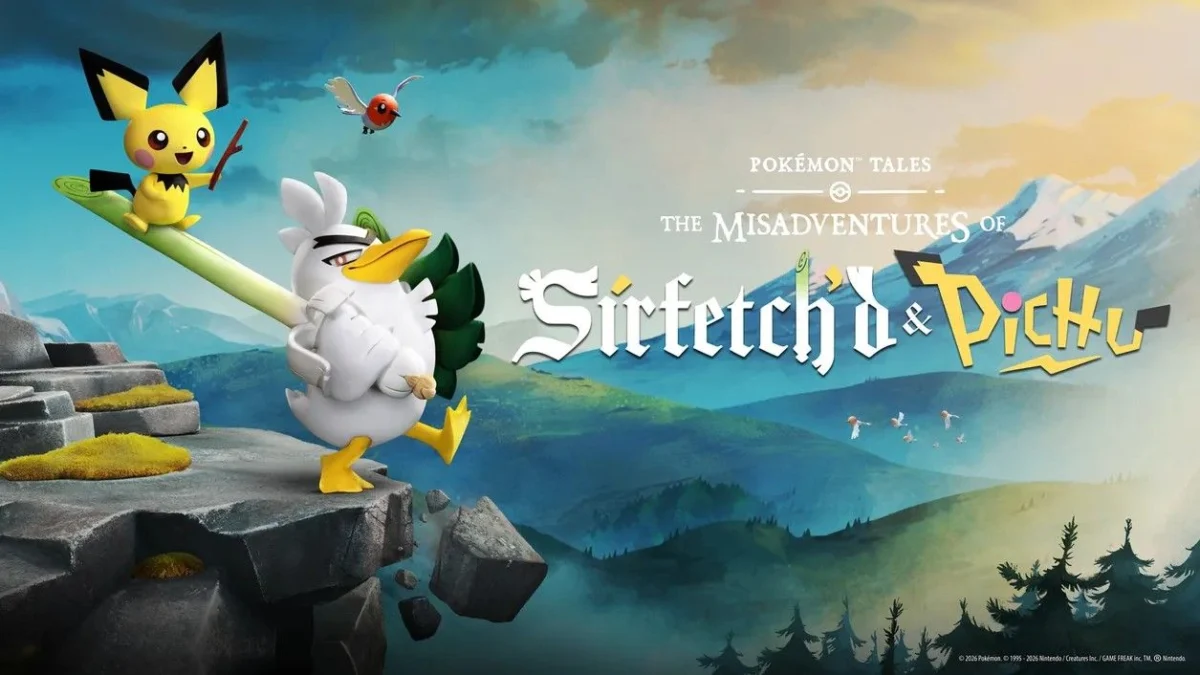
In an era defined by the rapid encroachment of generative AI into the creative arts—where content is increasingly measured by how quickly it can be synthesized—The Pokémon Company has made a startlingly analog move. The announcement of Pokémon Tales: The Misadventures of Sirfetch’d & Pichu, a stop-motion series produced in collaboration with the legendary Aardman Animations, is more than a mere creative pivot. It is a profound, calculated investment in "vivid physicality" at a time when the industry is racing toward the frictionless, the digital, and the automated.
For a franchise that dominates the global media landscape, this decision to partner with the Bristol-based masters of claymation is a declarative statement: in a world of infinite, hollow digital generation, human-led craftsmanship is the ultimate premium.
The Core Facts: A Return to Tactile Storytelling
Unveiled this week at the prestigious Annecy International Animation Film Festival, Pokémon Tales marks a departure from the high-octane, digital-first aesthetic that has defined the series since its inception. Scheduled for a 2027 release, the series will bring the Galar region to life through the distinct, physical lens of stop-motion.
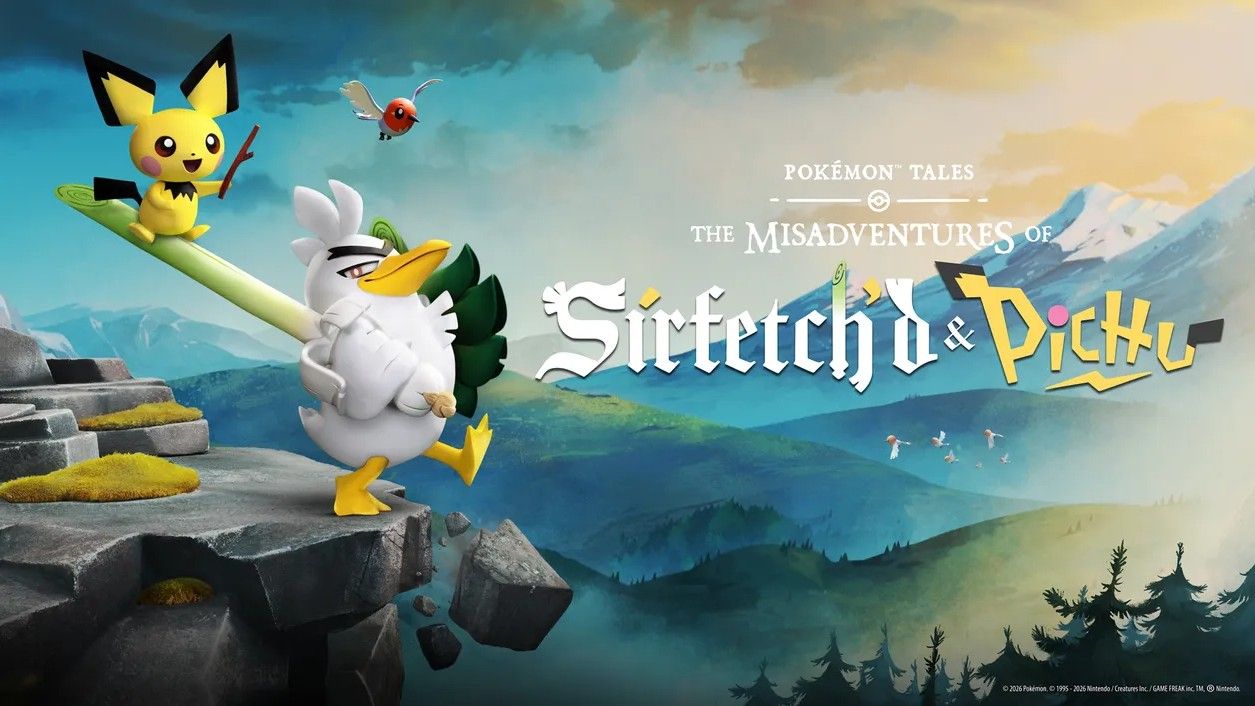
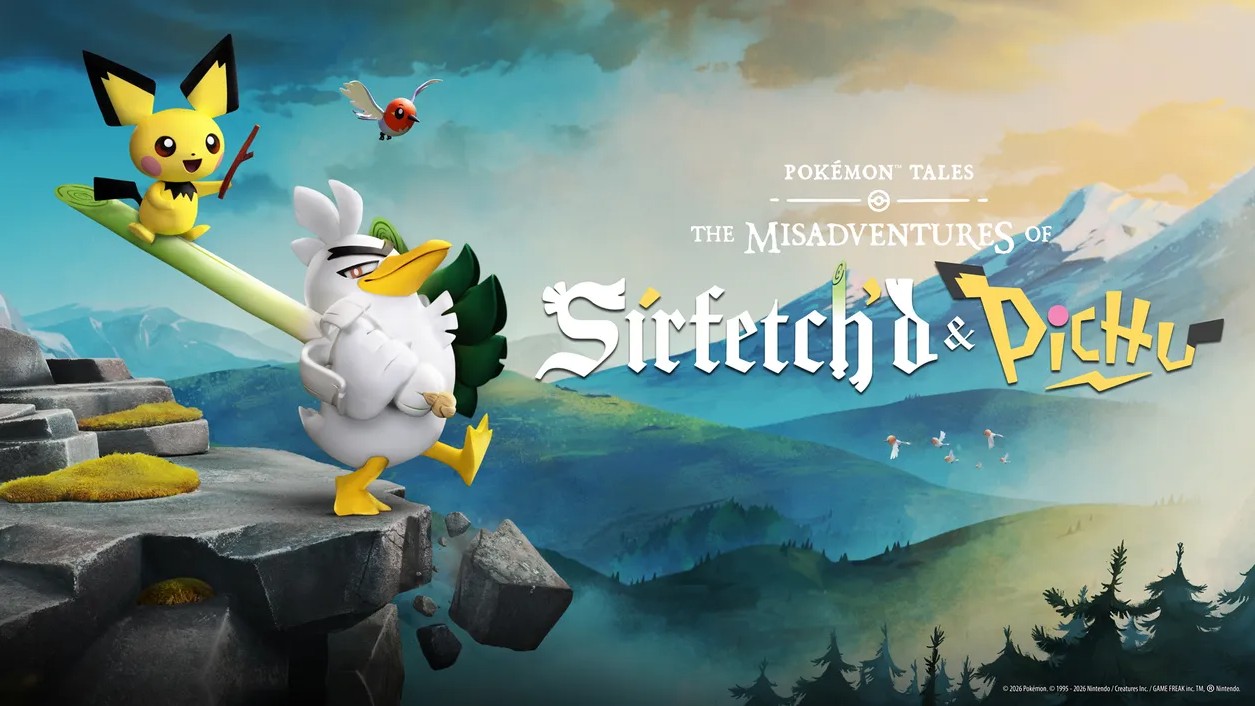
The promotional imagery released by the companies—showcasing Sirfetch’d and Pichu in a storybook-styled, mountainous landscape—captures a level of textural detail that is fundamentally unattainable through standard CGI or algorithmic rendering. By choosing Aardman, The Pokémon Company is not just hiring a studio; it is purchasing an aesthetic of "visible labor." This partnership acknowledges that the value of a brand like Pokémon—long rooted in the joy of collecting and the intimacy of the trainer-Pokémon bond—is uniquely suited to the tactile, imperfect warmth of stop-motion.
A Chronology of the Partnership
While the project is set for a 2027 release, the collaboration reflects a long-term strategic evolution for The Pokémon Company:
- Pre-2024: The Pokémon Company begins exploring avenues to expand its narrative footprint beyond traditional anime and video games, looking for ways to deepen the "warmth" of its brand identity.
- Early 2024: Secretive talks begin between Pokémon executives and Aardman Animations. The goal: to find a medium that emphasizes the personality and "eccentricities" of Pokémon in a way that feels organic and handcrafted.
- June 2024: The official announcement at the Annecy International Animation Film Festival sends ripples through the creative community. The trailer, highlighting the charming, clunky, and utterly lovable movements of Sirfetch’d and Pichu, confirms the shift in artistic direction.
- 2025–2026 (Projected): The development phase. Aardman’s team of animators will engage in the grueling, frame-by-frame process of production, an antithesis to the "push-button" workflows currently trending in mainstream media.
- 2027: The official premiere of Pokémon Tales, expected to serve as a benchmark for how major IP holders can utilize traditional crafts to foster deeper emotional resonance with audiences.
Supporting Data: The Value of Human "Thumbprints"
To understand why this is a significant move, one must look at the current state of the animation and creative industries. According to recent market analysis, while the demand for high-volume, AI-assisted content has skyrocketed to meet the needs of social media algorithms, the premium market—film, prestige television, and high-end advertising—is trending in the opposite direction.
"Human-made" has become the new luxury. Studies on audience engagement indicate that viewers are becoming increasingly adept at identifying "hollow" imagery. Even if a viewer cannot define why a digital asset feels cold, they perceive the lack of intentionality. In contrast, Aardman’s work relies on the "thumbprint" effect—the subtle imperfections in the clay, the slight variations in lighting, and the physical weight of the characters. These are not glitches; they are the markers of human effort. By commissioning this project, The Pokémon Company is essentially placing a high-stakes bet that audiences are suffering from "AI fatigue" and are actively craving the reality that only physical labor can provide.
Official Responses: The Philosophy of the Craft
The rhetoric surrounding the announcement confirms that this is an ideological stance as much as a business decision. Sarah Cox, Chief Creative Director at Aardman, emphasized the importance of the physical process. "Bringing the vivid physicality of stop-frame animation into the Pokémon world allows us to create a hand-crafted spin that celebrates the quirks and eccentricities of these characters," Cox noted.
This sentiment is echoed by Phil Rynda, Director of Original Animation at The Pokémon Company. Rynda pointedly praised the "warmth" present in "every brilliantly crafted frame." By framing the project in this way, both companies are distancing themselves from the industry’s obsession with efficiency. They are suggesting that the slowness of the process is exactly what makes the final product valuable. It is a rebellion against the "fast-content" cycle that dominates current digital media consumption.
The Implications: A Lesson for Creative Professionals
For those working in the creative arts, the Pokémon Tales announcement offers a vital lesson. It suggests that even in a landscape where cost-cutting and automation are the default, the most powerful brands remain obsessed with the "premium" of human skill.
1. Skill as a Moat
As AI tools lower the barrier to entry for basic visual creation, high-end technical skills—such as physical puppet making, lighting for stop-motion, and nuanced performance animation—become more valuable. Aardman was not chosen because they were the cheapest or fastest option; they were chosen because their process creates an aesthetic that cannot be easily mimicked by a prompt.
2. The Return of Tactile Honesty
We are entering a phase where "handmade" will be the ultimate marketing differentiator. Just as consumers moved from mass-produced digital music back to vinyl, audiences are signaling a desire for "tactile honesty" in animation. The visible labor involved in the production of Pokémon Tales acts as a badge of authenticity.
3. Redefining "Content"
The industry is currently grappling with the term "content," which often implies something disposable and interchangeable. By choosing a medium that requires years of dedicated, painstaking work, Pokémon is attempting to reclaim the word "craft." This is a signal to other major franchises that long-term brand equity is built through emotional depth and artistic integrity, not just the volume of output.
Conclusion: A Triumph of Human Will
The decision to pair the world’s most successful media franchise with a studio that literally shapes its art by hand is a massive, encouraging anomaly. While the rest of the world is busy chasing the efficiencies of the digital horizon, Pokémon and Aardman have decided to look back at the clay, the lens, and the light.
Pokémon Tales: The Misadventures of Sirfetch’d & Pichu is a reminder that some things are still worth doing the "slow way." In a time when the creative industries are threatened by the allure of the instant, this partnership provides a necessary, refreshing, and deeply human path forward. It is a triumph of persistence over automation, and for the future of animation, it is a development that deserves to be celebrated with three cheers. The thumbprints in the clay are, quite literally, the mark of a masterpiece in the making.
 Lina Hope
  Reynand Wu
  Pevita Pearce