
 By Layla Zulfa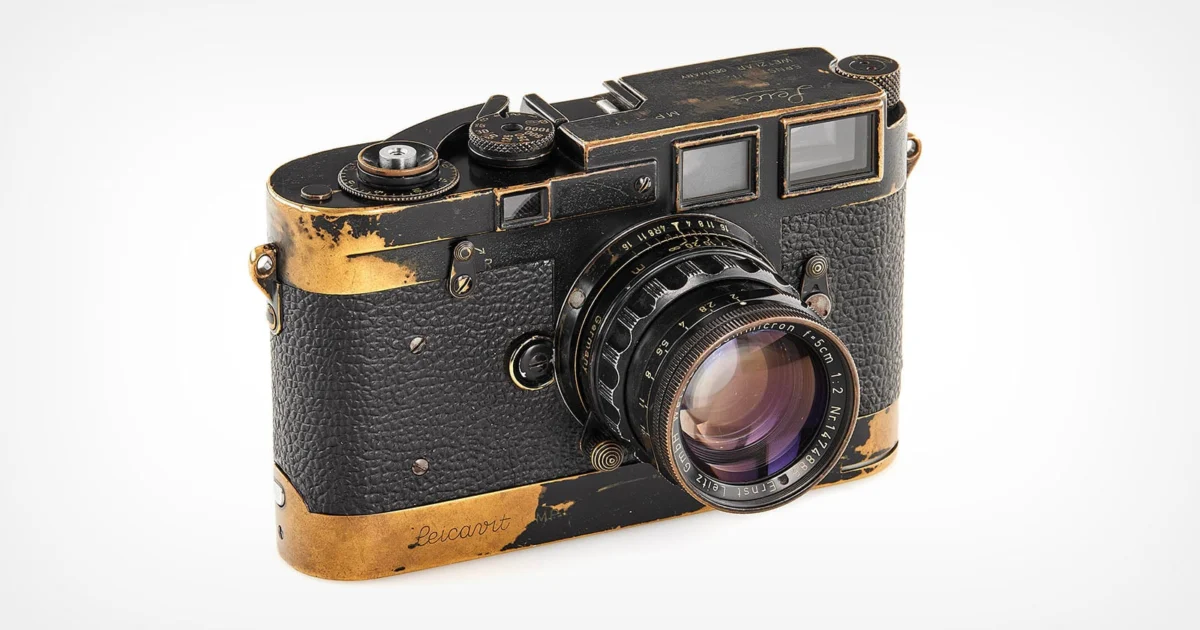
The world of high-end photography collecting has long been defined by a pursuit of the rare, the historical, and the mechanically sublime. This past weekend, the 48th Leitz Photographica Auction reaffirmed that the appetite for vintage analog technology is not merely surviving—it is reaching fever pitch. As the gavel fell on a series of extraordinary lots, collectors from around the globe committed millions of dollars to secure pieces of photographic heritage, turning rare metal and glass into blue-chip assets.
The Main Event: A Masterclass in Rarity
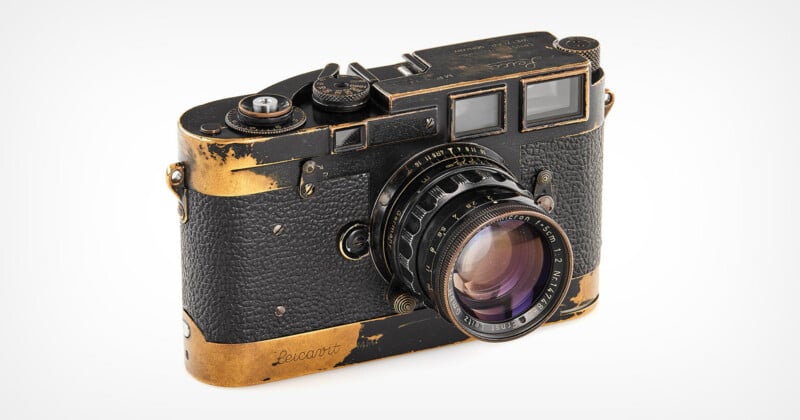
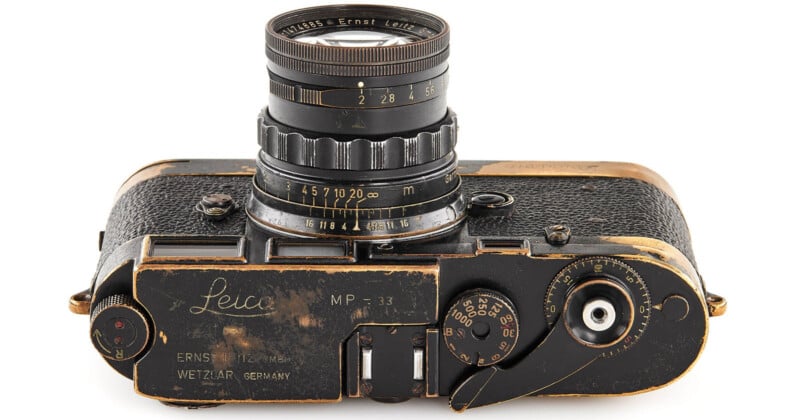
The headline of this year’s auction was undoubtedly the Leica MP black paint, serial number MP-33. Emerging from the archives of photographic history, this specific unit fetched a staggering €600,000 (approximately $700,000). To the uninitiated, the price may seem astronomical, but to the connoisseur, it is a reflection of extreme scarcity.
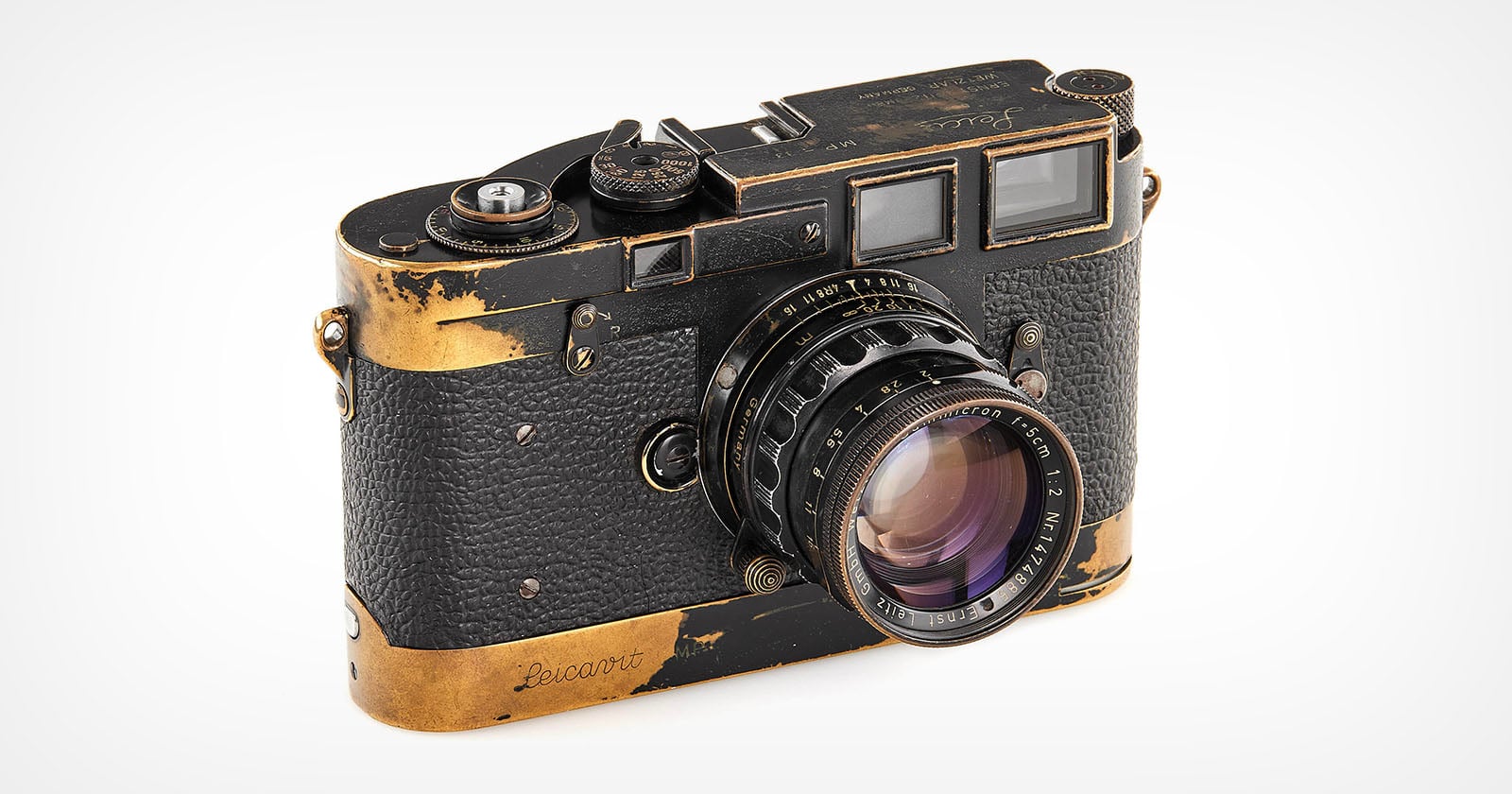
First unveiled at the 1956 Photokina trade fair, the Leica MP was produced in an incredibly limited run of only 402 units. Of that already small number, only 141 were finished in the coveted black paint—a finish that has become synonymous with the "holy grail" status in Leica collecting. What sets the MP-33 apart even further is its unique naming convention; unlike the standard serial production models of the era, the MP series featured a consecutive numbering system that tracked the unit’s place in the production sequence. Owning the 33rd unit ever produced is, for a collector, akin to owning the first edition of a rare literary masterpiece.
Chronology of a High-Stakes Weekend
The auction proceedings followed a rigorous schedule that saw a mix of highly anticipated lots and unexpected bidding wars.
- Early Sessions: The auction began with a focus on historical prototypes and early 20th-century craftsmanship, setting a competitive tone early in the day.
- The Mid-Auction Peak: The sale of the Leica Ig prototype no. 750000 marked the transition into the afternoon, capturing significant attention.
- The "Swedish Surprise": Late in the event, the focus shifted to military-issue gear, where the Leica IIIg black paint Swedish Army "New Old Stock" (NOS) set defied all expert projections, becoming the statistical anomaly of the weekend.
- Final Closings: The auction concluded with the sale of various professional medium-format systems, including the striking "Edition Fire" Linhof Technorama, signaling a diverse interest that extends beyond the Leica brand.
The "Humpback" Prototype: A Milestone in Design
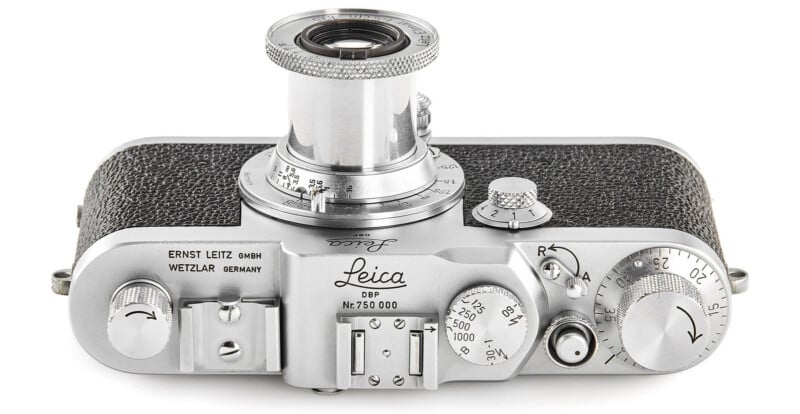
Following the sale of the MP-33, another centerpiece caught the eye of the auction floor: the Leica Ig prototype no. 750000, which commanded a hammer price of €540,000 ($624,000).
Manufactured circa 1953, this prototype is a masterclass in industrial evolution. It is distinguished by a highly unusual "humpback" platform integrated into the top plate, specifically engineered to accommodate a flash shoe—a feature that was experimental at the time. This specific unit is not just a camera; it is a physical document of the iterative design process that allowed Leica to dominate the mid-century market. Its exceptional condition and its status as a "milestone piece" solidified its position as one of the most significant items in the auction catalog.
Supporting Data: When Expectations Are Shattered
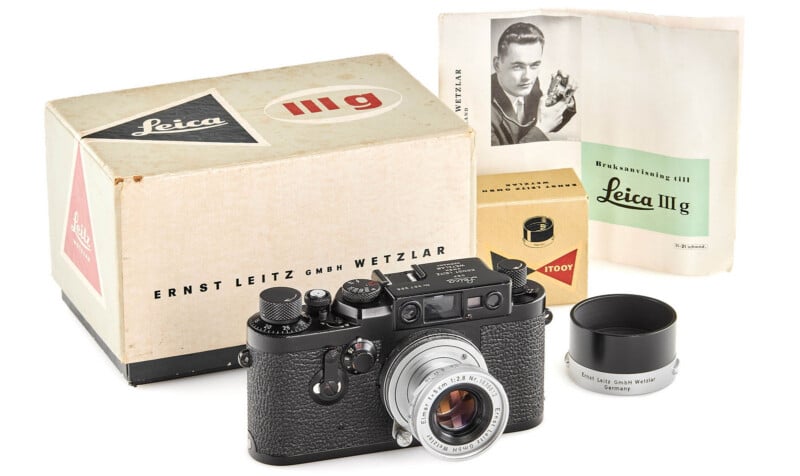
In the world of fine art and collectible auctions, pre-auction estimates serve as a guidepost, yet they are frequently obliterated by the psychological phenomenon of a bidding war. The most profound example of this at the 48th Leitz Auction was the Leica IIIg black paint Swedish Army set.
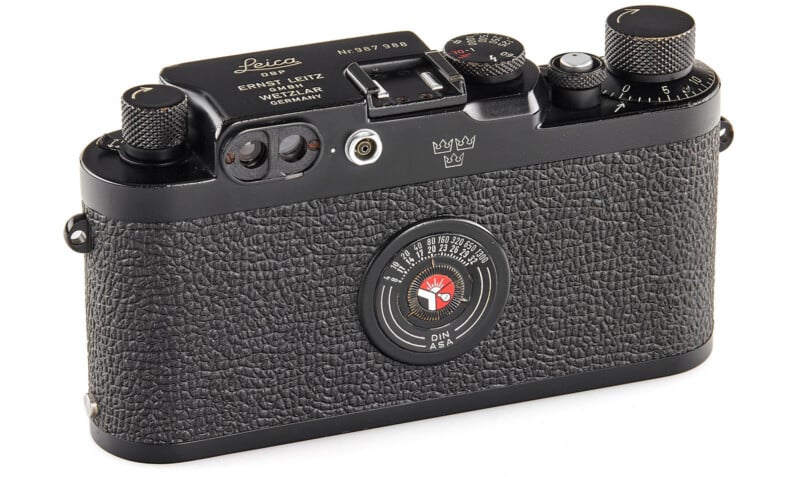
Initially estimated to reach a maximum of €140,000, the final sale price reached an incredible €456,000 ($526,000). This set represents a rare confluence of factors: military provenance, "New Old Stock" condition, and extreme scarcity. Only 125 of these units were manufactured for the Swedish Armed Forces in 1960. Given that military cameras were typically subjected to harsh field use, the existence of a factory-fresh, boxed set is virtually unheard of. This lot serves as a powerful reminder that "provenance" and "condition" are the two most critical drivers of value in the collectible market.
The Market Pulse: What Didn’t Sell
It is equally important to examine what remained on the block. Despite the high-octane atmosphere, not every item found a buyer. Notable omissions included the much-hyped Leica Astro Rifle outfit and a rare Leica MP previously owned by one of Italy’s first paparazzi.
The failure of these items to sell—despite their historical significance—suggests a more nuanced market. Collectors are increasingly selective, prioritizing specific condition grades and historical narratives. These items, while culturally valuable, may require a more specific buyer profile, and it is highly likely they will reappear in future auctions when the market conditions align with their unique profiles.
Official Perspectives: The Value of History
The auction house, Leitz Photographica, framed the success of the event as a testament to the enduring legacy of analog engineering. Regarding the Linhof Technorama 612 PC II "Edition Fire," which sold for €28,800 ($33,370), the auction house noted: "The total number of red Technoramas produced remains unknown. This is only the second example we have encountered, representing one of the rarest variants of the Technorama and a remarkable example of professional medium-format camera design."
These official insights emphasize that the auction is not merely a retail environment; it is an archival effort. By cataloging these items, Leitz acts as a custodian of photographic history, ensuring that these tools remain preserved for future generations.
Implications for the Future of Collecting
The results of the 48th Leitz Photographica Auction have several implications for the broader market:
- The "Black Paint" Premium: The demand for black paint variants remains insatiable. Collectors are willing to pay a massive premium for the aesthetic and rarity value associated with this specific finish.
- Military Collectibles as Blue-Chip Assets: The performance of the Swedish Army IIIg set suggests that military-issue Leica gear, particularly when accompanied by original documentation, is emerging as a top-tier asset class.
- Diversification Beyond Leica: While Leica dominates the headlines, the success of the Linhof Technorama proves that there is a healthy, growing interest in professional medium-format analog equipment, especially those that feature unique manufacturing variants or special editions.
- The Digital-Analog Duality: As digital photography continues to evolve, the value of the analog "original" continues to climb. Collectors are not buying these cameras to compete with modern digital sensors; they are buying them as artifacts of a tactile, mechanical era that cannot be replicated.
Conclusion
The 48th Leitz Photographica Auction was more than just a series of transactions; it was a celebration of the mechanical ingenuity that defined the 20th century. With record-breaking prices for the MP-33 and the stunning performance of the Swedish Army IIIg, the message is clear: the history of photography is being treated with the same reverence as fine art. As these cameras continue to move from the hands of users to the private collections of investors, their status as cultural icons is only set to rise. For the photographer and the collector alike, the auction serves as a stark reminder that while technology moves forward, the soul of the medium remains rooted in the precision of the past.
 Laily UPN
  Reynand Wu
  Lina Hope