
 By Asro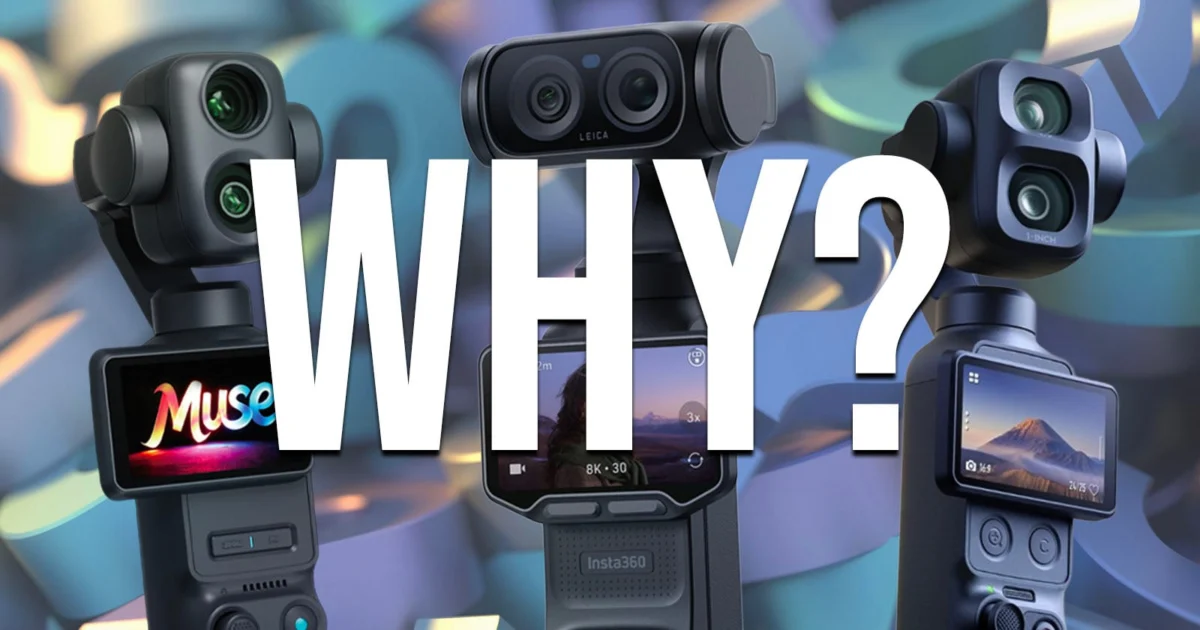
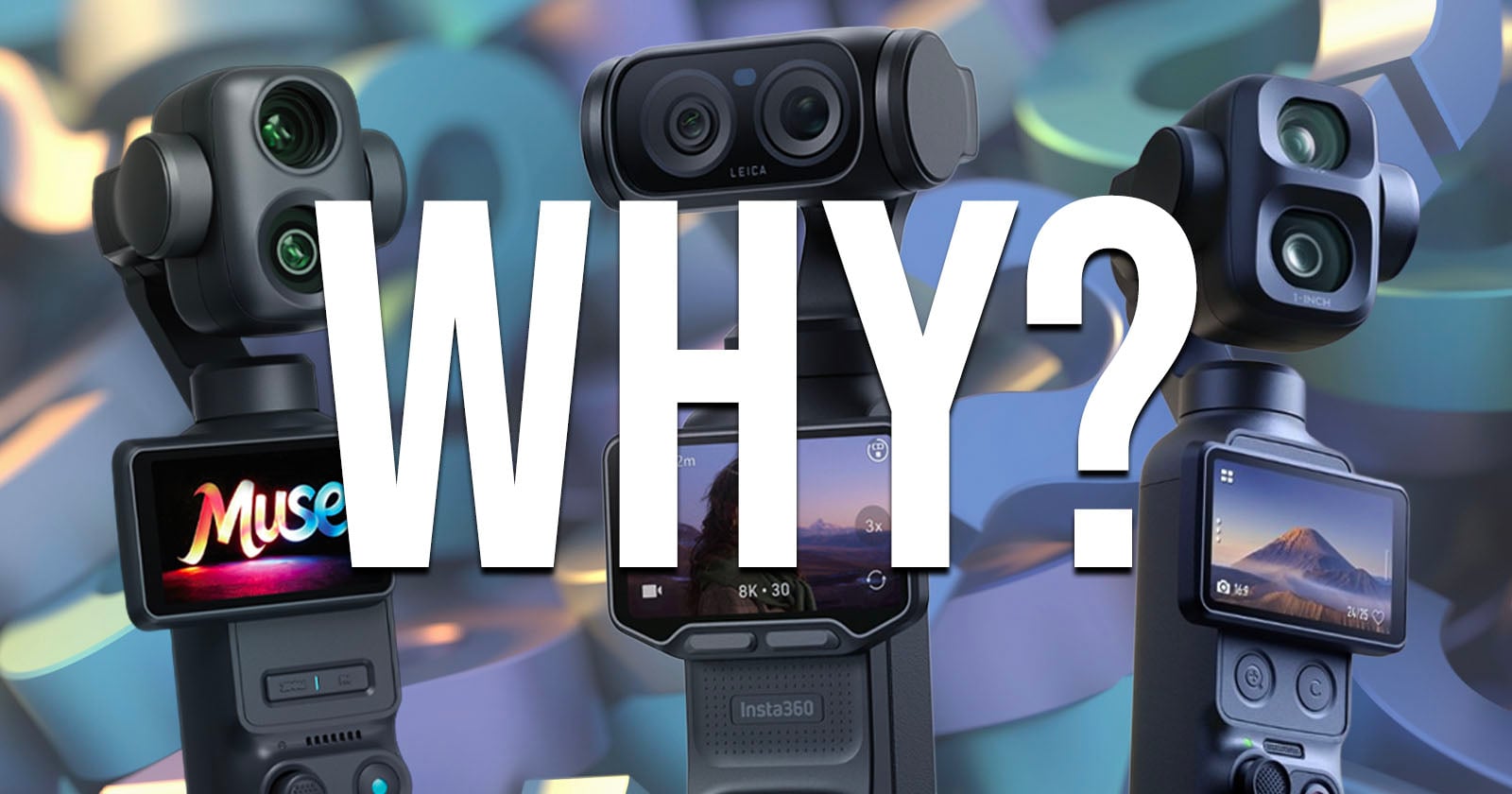
The photography industry is currently witnessing a masterclass in how not to conduct a product launch. Over the past several months, the community has been subjected to a protracted, confusing, and arguably manipulative series of rollouts involving the next generation of dual-sensor gimbal cameras: the DJI Pocket 4P, the Insta360 Luna Ultra, and the newcomer, Xtra Muse 2 Pro.
What began as a competitive sprint to capture the successor market to the highly successful Osmo Pocket 3 has devolved into a chaotic, fragmented "launch" cycle that leaves creators, retailers, and journalists in the dark. By treating potential customers as pawns in a corporate geopolitical game, these manufacturers are trading long-term brand loyalty for short-term hype, ultimately inducing a profound sense of "pocket camera fatigue" among their core user base.
The Chronology of Chaos: A Timeline of Teases
The current frustration stems from a lack of transparency and a staggered release strategy that seems oblivious to the globalized nature of the modern internet.
- April 2026: The rumors began in earnest following the initial buzz surrounding the potential for dual-lens technology. DJI accidentally signaled the existence of the 4P shortly after the launch of the standard Pocket 4, triggering a wave of speculation.
- May 2026: DJI formally held an event at the Cannes Film Festival. However, instead of a comprehensive product reveal, the company offered a "teaser" that reiterated a few high-level specs—Type 1 sensor, 10-bit D-log, and 17 stops of dynamic range—without providing a release date or regional pricing.
- Early June 2026: As the industry waited for concrete details, the "Xtra" brand emerged, seemingly out of nowhere. Xtra began courting the U.S. market with an "early access" reservation system, asking for consumer deposits for a product with no finalized delivery date or confirmed retail price.
- Mid-June 2026: The drama peaked when B&H Photo Video accidentally listed the Insta360 Luna Ultra, effectively forcing a premature public acknowledgment of a device that had been teased for weeks. Meanwhile, DJI continued to keep the Pocket 4P under strict embargo, despite the camera already being available in the Chinese domestic market.
The "Xtra" Problem: Shell Companies and Market Evasion
Central to the frustration is the peculiar rise of Xtra. The brand has positioned itself as an aggressive, budget-friendly competitor to DJI and Insta360. However, the industry has widely noted that Xtra’s product architecture is suspiciously identical to that of DJI’s hardware.
Many analysts believe Xtra serves as a U.S.-based proxy for manufacturers currently facing legal or regulatory hurdles preventing them from operating openly in the American market. This creates a "shell company" dynamic where legal complaints are filed—such as DJI’s recent patent infringement lawsuit against Insta360—while simultaneously ignoring the presence of a "copycat" brand that might, in reality, be an extension of the same corporate ecosystem.
When a company asks for a "deposit" to secure a spot in line for a product that hasn’t been fully unveiled, it moves beyond standard marketing and into the realm of predatory pre-selling. It is a system that demands blind faith from the consumer while offering zero accountability in return.
Supporting Data: The Anatomy of a Stalled Launch
To understand why this approach is failing, one must look at the disconnect between marketing and substance.
The Specs vs. The Mystery
- DJI Pocket 4P: Heavily hyped at Cannes, yet still "in the dark" for most of the world. Despite having a finished product in production in China, the company maintains an opaque stance, likely to avoid cannibalizing sales of the older Pocket 4 or to navigate international trade tensions.
- Insta360 Luna Ultra: The "frosted glass" strategy. Insta360 attempted to build hype by hiding the camera, yet simultaneously provided review units to select content creators who showcased the device in full. This disparity creates a "have and have-not" dynamic that alienates the average consumer.
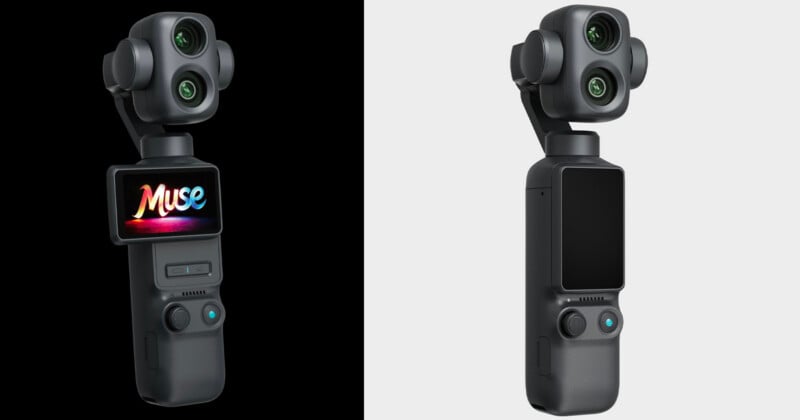
- Xtra Muse 2 Pro: A "sub-$700" price point promise that functions more as a placeholder than a commitment. By avoiding the term "pre-order" in favor of "early access," they are skirting consumer protection norms while collecting interest-free capital from their audience.
Official Responses and Industry Silence
The silence from these manufacturers is deafening. When pressed for clarification on why international releases are staggered to such an extreme degree, representatives often cite "supply chain logistics" or "regional marketing strategies."
However, this argument falls flat in the digital age. When a product is released in Tokyo or Beijing, the specifications, performance benchmarks, and real-world reviews appear on YouTube and Reddit within hours. By pretending that the U.S. or European markets are operating in a vacuum, these companies are not protecting their brand equity; they are insulting the intelligence of their customers.
The legal skirmishes, specifically the ongoing litigation between DJI and Insta360, have further muddied the waters. These companies are utilizing the court system to delay the competition, hoping to clear the path for their own "next big thing." In doing so, they have prioritized legal maneuverings over the user experience.
Implications for the Future of Photography Hardware
The long-term implications of this "staggered release" model are significant.
1. The Erosion of Consumer Trust
The most immediate impact is the decline of brand trust. When a user is asked to put down money for a product that is essentially a "ghost," they learn to view all future marketing from that brand with skepticism. The "hype cycle" is being replaced by a "fatigue cycle."
2. The Rise of the "Gray Market"
Because companies refuse to provide unified, global release dates, they are effectively pushing consumers toward gray-market imports. If a user can see a camera being used in a video from a Chinese influencer, but they cannot purchase it in their own country for another six months, they will inevitably look for alternative ways to acquire the tech. This hurts local authorized dealers and complicates warranty and support structures.
3. A Shift in Reviewer Responsibility
The media, including outlets like PetaPixel, are finding themselves in an increasingly difficult position. When companies demand NDAs (Non-Disclosure Agreements) for products that are already being discussed openly on social media, the role of the journalist is compromised. The industry is currently in a state where the most important information is leaked, while the "official" channels provide only carefully curated, empty marketing fluff.
Conclusion: A Call for Transparency
The gimbal camera market, once defined by the groundbreaking accessibility of the Osmo Pocket 3, is now being suffocated by corporate gamesmanship. These companies are treating their user base as pieces on a chessboard, using us to wage wars of patents and regional distribution.
If these brands want to maintain the momentum they built in 2024 and 2025, they must abandon the secrecy. A successful launch is one that provides clear specifications, a finalized price, a definitive release date, and a commitment to global availability. Anything less is not a "marketing strategy"—it is a failure of communication that ultimately does more damage to the brand than any competitor could ever hope to inflict.
The community is ready for innovation, but it is no longer willing to wait for it while being kept in the dark. It is time for DJI, Insta360, and Xtra to stop the games and start selling cameras. Until then, the "Pocket 4P," "Luna Ultra," and "Muse 2 Pro" are little more than cautionary tales of how a lucrative market can be squandered by its own architects.
 Laily UPN
  Reynand Wu
  Lina Hope