
 By Nana Wu
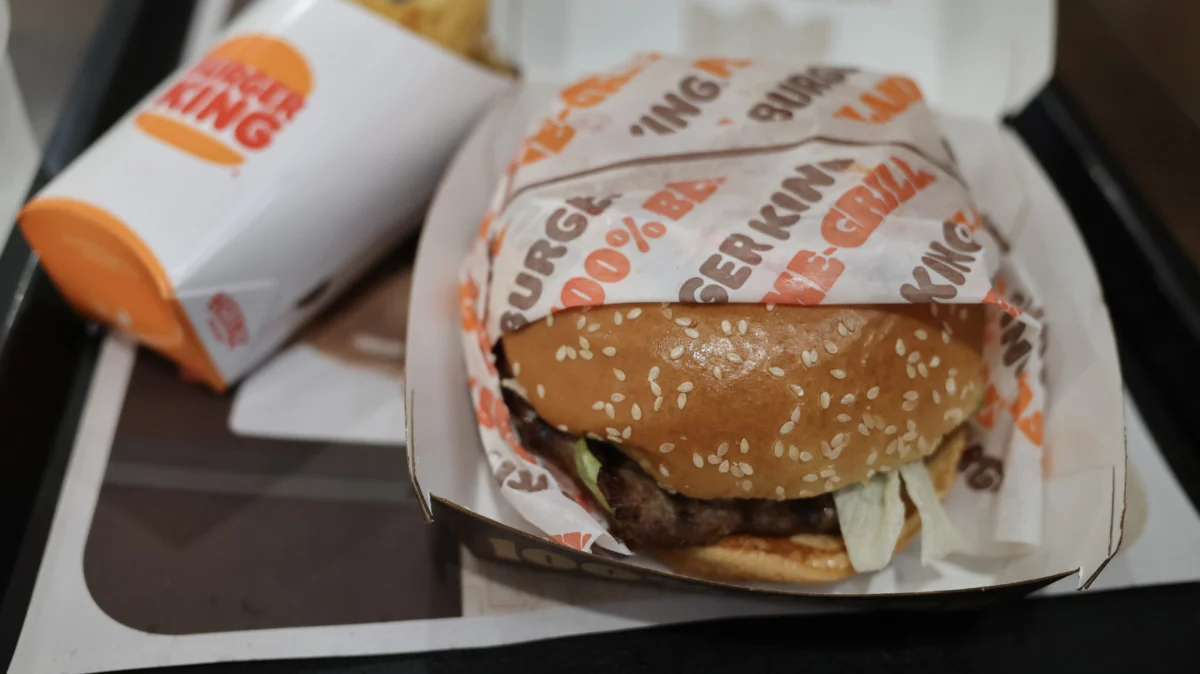
When Burger King rolled out its heavily promoted, customer-driven recipe overhaul in February 2026, corporate executives hoped to ignite a culinary renaissance for the fast-food giant. Marking the first major structural changes to its iconic Whopper in nearly a decade, the initiative was built on direct consumer feedback. Yet, fast-food history is littered with well-intentioned rebrandings that missed the mark—think of the infamous "New Coke" disaster—and Burger King’s latest flagship update is quickly proving to be a lightning rod for criticism.
While some diners are singing the praises of the revamped classic, a vocal faction of customers has taken to social media to voice severe disappointment. From texture complaints regarding the "premium" bun to accusations of corporate astroturfing on Reddit, the rollout of the new Whopper has illuminated a deeper, ongoing struggle within the fast-food industry: the chasm between corporate vision and inconsistent execution at the franchise level.
Main Facts: What Changed in the 2026 Whopper Overhaul?
For millions of loyal patrons, the Whopper is the indisputable anchor of Burger King’s menu. Introduced in 1957, the flame-broiled burger has remained remarkably consistent over generations. However, responding to shifting consumer preferences and mounting competition in the "burger wars," Burger King greenlit its first comprehensive recipe and packaging redesign in almost ten years.
The core elements of the 2026 update include:
- The "Premium" Bun: A newly formulated bun intended to offer a softer texture, richer flavor, and a more artisanal presentation.
- Upgraded Mayonnaise: A revised proprietary mayo blend engineered to deliver a richer, more robust flavor profile.
- Structural Packaging: A new protective cardboard box designed to replace traditional paper wrappers, intended to keep the burger intact and prevent the contents from getting crushed during transit or delivery.
Despite these upscale aspirations, the reality of execution has fractured the customer base. Rather than uniting fans around a superior product, the changes have sparked a polarizing debate across internet forums, highlighting long-standing vulnerabilities in fast-food consistency, temperature control, and quality assurance.
Chronology: From Concept to Consumer Controvery
The Lead-Up (2025–Early 2026)
Throughout 2025, Burger King quietly laid the groundwork for its upcoming menu refreshes, leaning heavily on focus groups and direct consumer surveys. Executives signaled that the brand was listening to complaints regarding fast-food inflation and shrinking portion sizes, promising a return to quality.
Concurrently, the digital landscape was shifting. Marketing agencies and brands alike were increasingly turning to native social media engagement to drive organic interest. In 2025, a video game marketing firm named Trap Plan inadvertently thrust the ethics of online marketing into the spotlight when a now-deleted blog post detailed its strategies for generating stealthy, pseudo-organic brand mentions on platforms like Reddit.
The Launch (February 2026)
In February 2026, Burger King officially launched the new Whopper nationwide. Initial corporate press releases touted the burger as an "S-tier" culinary upgrade crafted directly from consumer feedback. Almost immediately, however, early adopters flooded online communities like Reddit (r/BurgerKing and r/fastfood) with conflicting reports.
The Backlash and the Astroturfing Accusations (Spring 2026)
Within weeks of the rollout, online sentiment split cleanly down the middle. While some users posted glowing reviews accompanied by pristine, advertisement-ready photographs, a parallel wave of disgruntled consumers complained of dry ingredients, "plastic-y" buns, and lukewarm temperatures. As positive reviews continued to flood niche subreddits at a suspicious velocity, skeptical users began accusing the brand of astroturfing—orchestrating fake grassroots campaigns to manufacture artificial hype.
Supporting Data: What the Consumers Are Saying
To understand the friction surrounding the new Whopper, one must examine the qualitative data bleeding out of digital review boards and fast-food forums. Customer experiences vary wildly, painting a picture of systemic inconsistency.
The Detractors: Textural and Temperature Complaints
Criticism of the new Whopper centers on several distinct sensory failures:
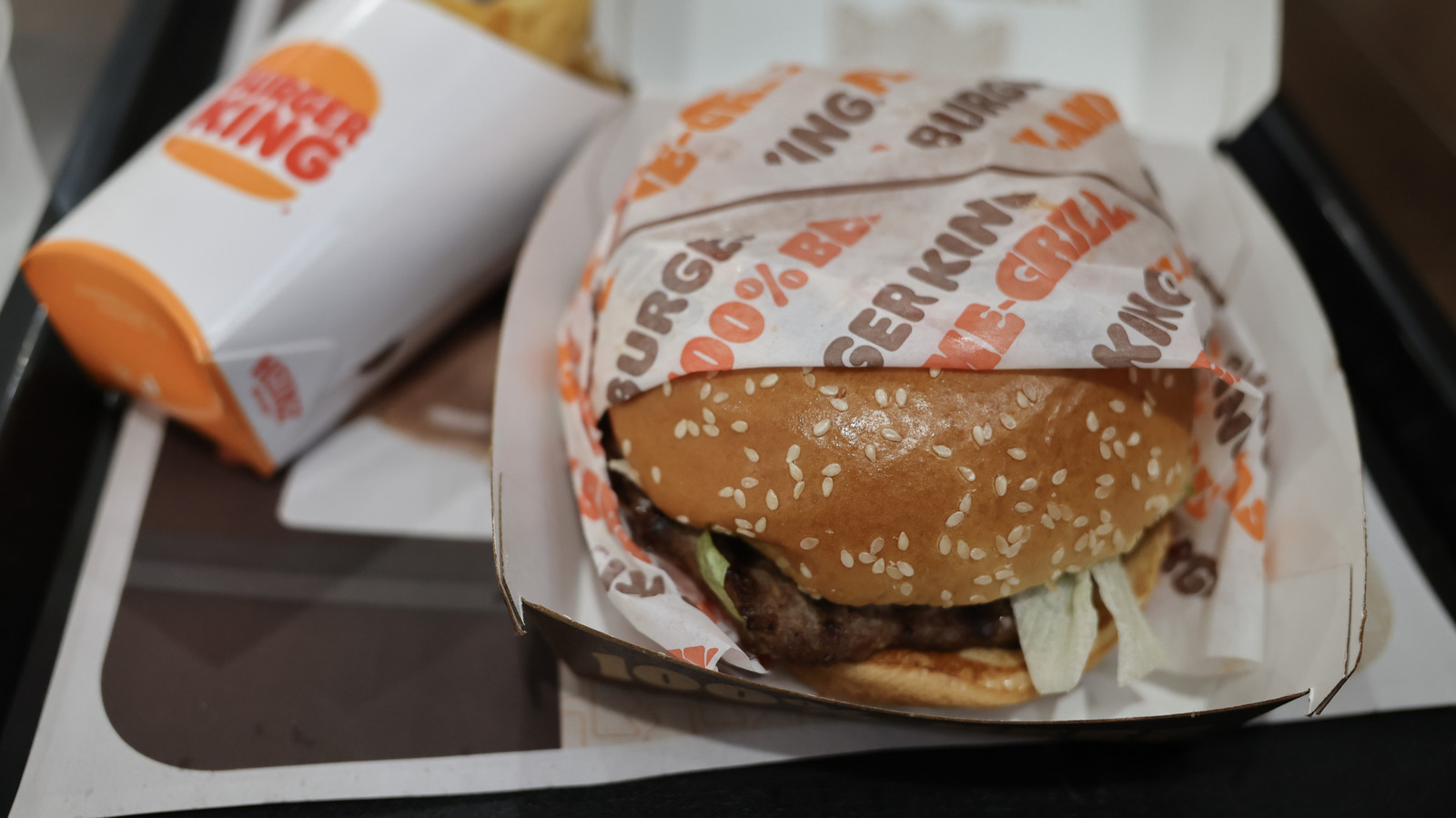
- The Bun: While intended to feel artisanal, several Reddit users described the new bread as "a bit plastic-y" and overly chewy compared to the traditional sesame seed bun.
- The Condiments: The updated mayonnaise—designed to be a standout feature—fell flat for many. One user lamented, "I couldn’t even tell the difference," while others complained that the overall sandwich felt notably drier due to inconsistent sauce distribution.
- Temperature: A recurring grievance across multiple reviews is that the burgers are being served lukewarm at best. Fast-food analysts note that this is frequently a byproduct of holding food too long under heat lamps or inefficiencies in assembly lines during peak hours.
The Defenders: Perfection or Propaganda?
Conversely, a vocal minority—or perhaps, as critics argue, paid actors—insist the new burger is a masterpiece.
- "The new Whopper is S-tier… it might actually be perfect," declared one enthusiastic Reddit poster.
- Another user hailed it as "the best fast-food burger I’ve had in years."
This extreme dichotomy has led many observers to question whether individual taste buds are truly the only variable at play, or if digital manipulation is distorting public perception.
Official Responses and Industry Context
Burger King has historically navigated the delicate balance between maintaining a standardized global menu and relying on thousands of independent franchisees. Corporate leadership has consistently maintained that quality control and listening to customer feedback are top priorities. However, official corporate statements regarding the specific online astroturfing allegations remain sparse, as major fast-food chains rarely comment directly on social media conspiracy theories.
Industry experts, however, point out that digital astroturfing is an increasingly documented phenomenon in modern corporate marketing. When a brand launches a major product overhaul, the pressure to demonstrate immediate social proof on platforms like Reddit, TikTok, and X (formerly Twitter) is immense.
Furthermore, the variability in Burger King’s food quality has long been a subject of industry scrutiny. While items like the original Whopper enjoy historic loyalty, ancillary menu items—such as the chain’s chicken offerings—have historically suffered from lower consumer satisfaction ratings compared to competitors like Chick-fil-A or Popeyes. The root cause, according to both former employees and franchise analysts, usually boils down to a simple fast-food maxim: execution is entirely dependent on franchise management. As one astute Reddit user summarized: "Bad management, bad food; good management, good food."
Implications: What This Means for Burger King’s Future
The controversy surrounding the revamped Whopper extends far beyond a single sandwich; it serves as a case study in the perils of modern fast-food marketing and operational management.
1. The Franchise Consistency Crisis
The most critical takeaway for Burger King is its ongoing battle with operational variance. If a customer can visit one location and receive what they call "the best fast-food burger ever," yet walk into another location a few miles away and be served a dry, lukewarm disappointment, the brand’s overarching quality assurance strategy is failing. For a flagship product as vital as the Whopper, inconsistency threatens to alienate core demographics who expect uniformity when they pull into the drive-thru.
2. The Erosion of Digital Trust
The rapid rise of astroturfing accusations demonstrates a growing cynicism among modern consumers. Today’s diners are hyper-aware of digital marketing tactics, native advertising, and corporate manipulation on social media. When a brand is perceived as manufacturing praise rather than earning it organically, it risks sparking a digital backlash that can overshadow the actual merits of the product. Moving forward, fast-food brands must navigate online communities with radical transparency to maintain credibility.
3. A Call to Action for Diners
For the average consumer navigating this transitional phase at Burger King, culinary navigation requires a bit of strategy. Fast-food veterans suggest that avoiding pre-packaged lulls by explicitly requesting a Whopper "hot off the broiler" can dramatically improve the dining experience, bypassing the pitfalls of heat-lamp storage.
Ultimately, Burger King’s 2026 Whopper upgrade proves that altering an American fast-food icon is fraught with peril. Whether the recipe tweaks are ultimately deemed a triumph or a failure will depend less on the corporate boardroom’s intentions and far more on whether local franchisees can successfully bridge the gap between high expectations and everyday execution.
 Lina Hope
 Asep Darmawan
 rifanmuazin
