
 By rifanmuazin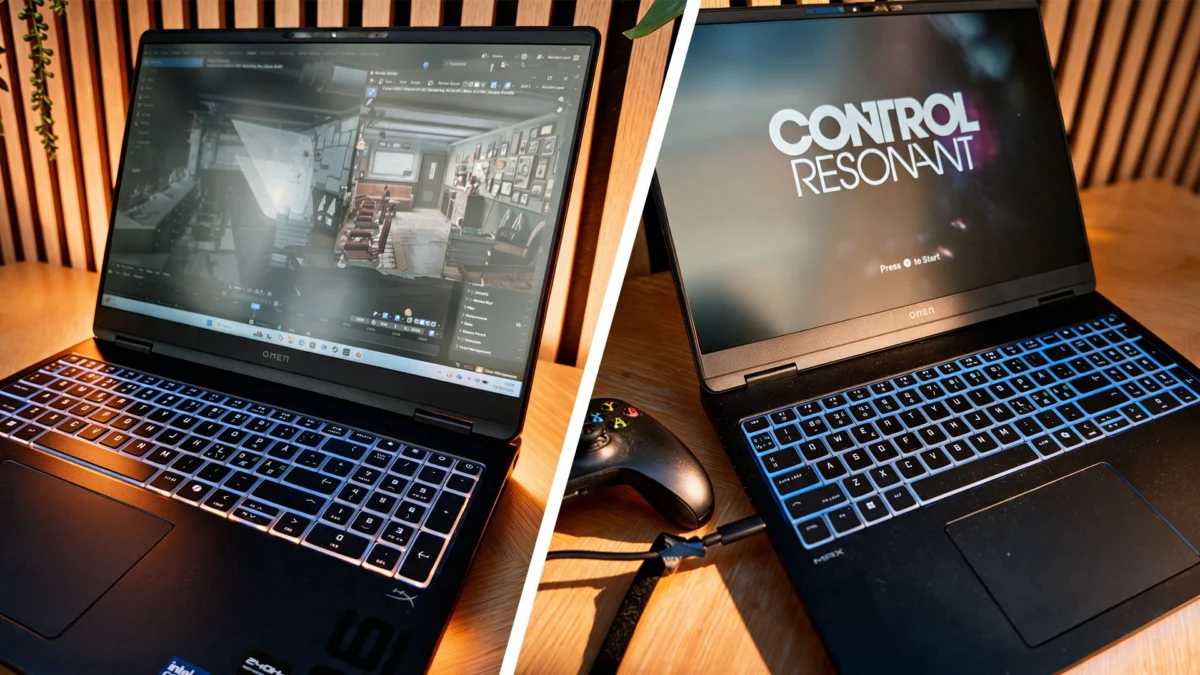
The line between "gamer" hardware and "creator" workstations has blurred significantly in recent years, but rarely has a device bridged that chasm as effectively as the new HP Omen Max 16. Equipped with the latest NVIDIA GeForce RTX 5080 and the Intel Core Ultra 9 275HX processor, this laptop is designed for those who refuse to compromise between high-fidelity gaming and resource-intensive 3D rendering. However, its high-end performance comes with a premium price tag and a set of considerations that every potential buyer—particularly students and creative professionals—must weigh carefully.
The First Impression: Style Meets Substance
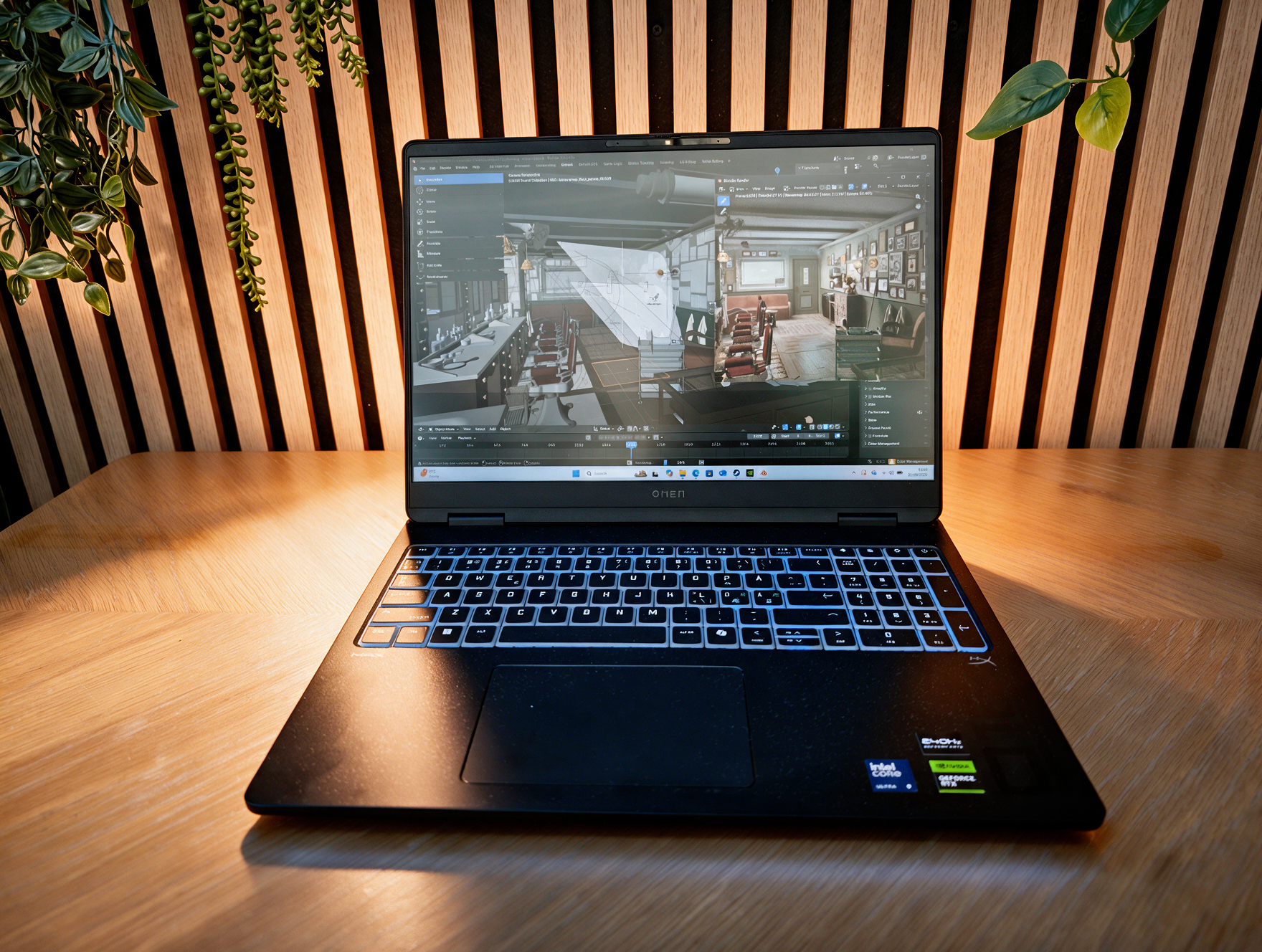
When you first lift the lid of the HP Omen Max 16, the keyboard LEDs pulse in a vivid display of blue and purple. It is an immediate nod to its gaming heritage—a "Vegas nightclub" aesthetic that, while stylish, may feel out of place in a corporate boardroom or a serious academic lecture. Fortunately, the RGB lighting is highly customizable and can be toned down to a subtle, professional glow or deactivated entirely.
Beyond the aesthetics, the Omen Max 16 surprises with its portability. High-performance machines of this caliber are traditionally built like "paving slabs," sacrificing weight for thermal management. HP has managed to keep the chassis remarkably slim and lightweight for a device housing an RTX 5080. While it may not compete with ultrabooks, it is significantly more portable than many of its competitors, making it a viable companion for commutes, client meetings, or trips to the library.
Two Worlds, One Chassis: A Technical Chronology
NVIDIA’s strategy over the past few years has been to position its RTX ecosystem as a solution for both entertainment and professional workflows. The Omen Max 16 is the embodiment of this philosophy.
The Creative Workflow
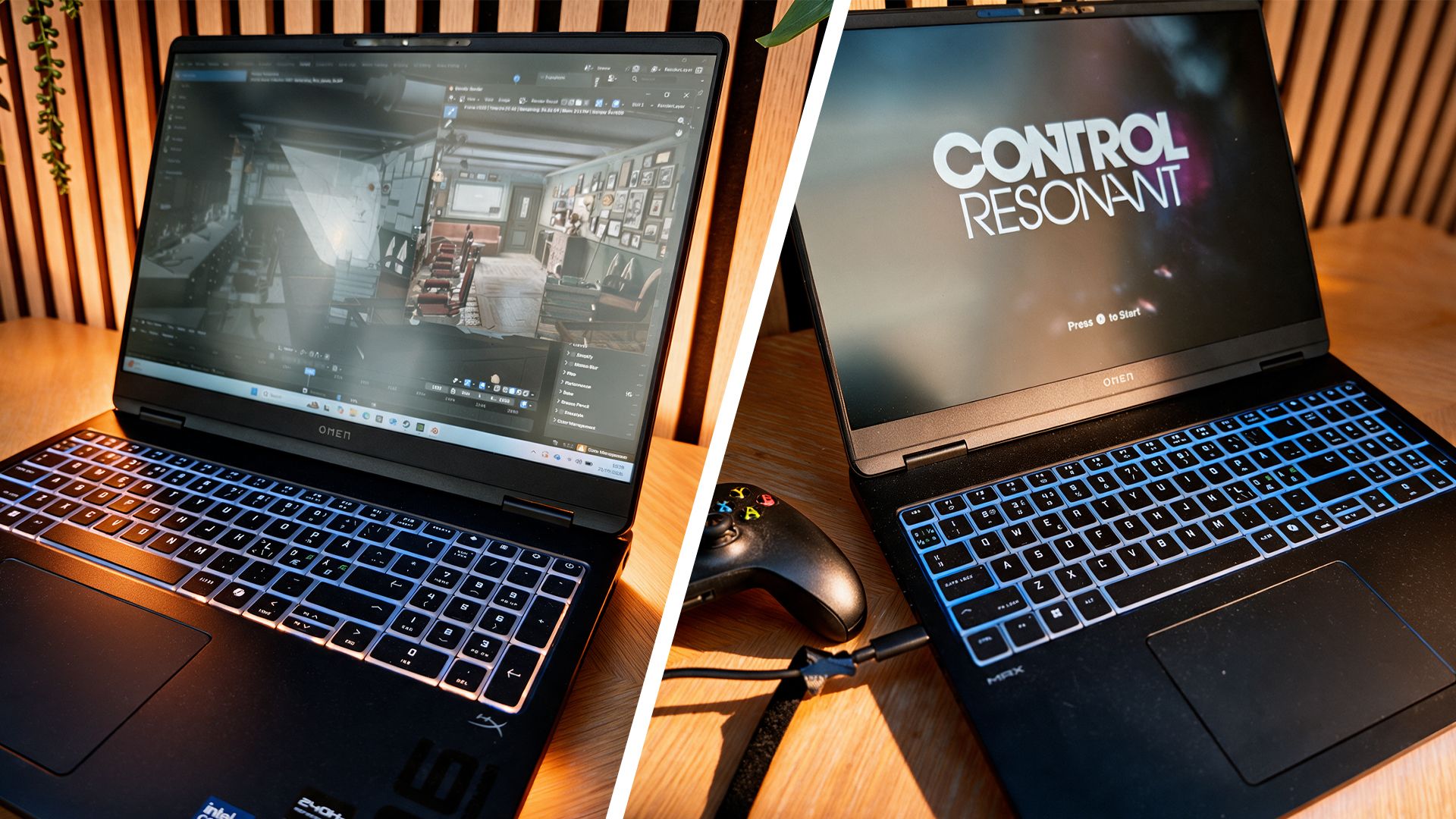
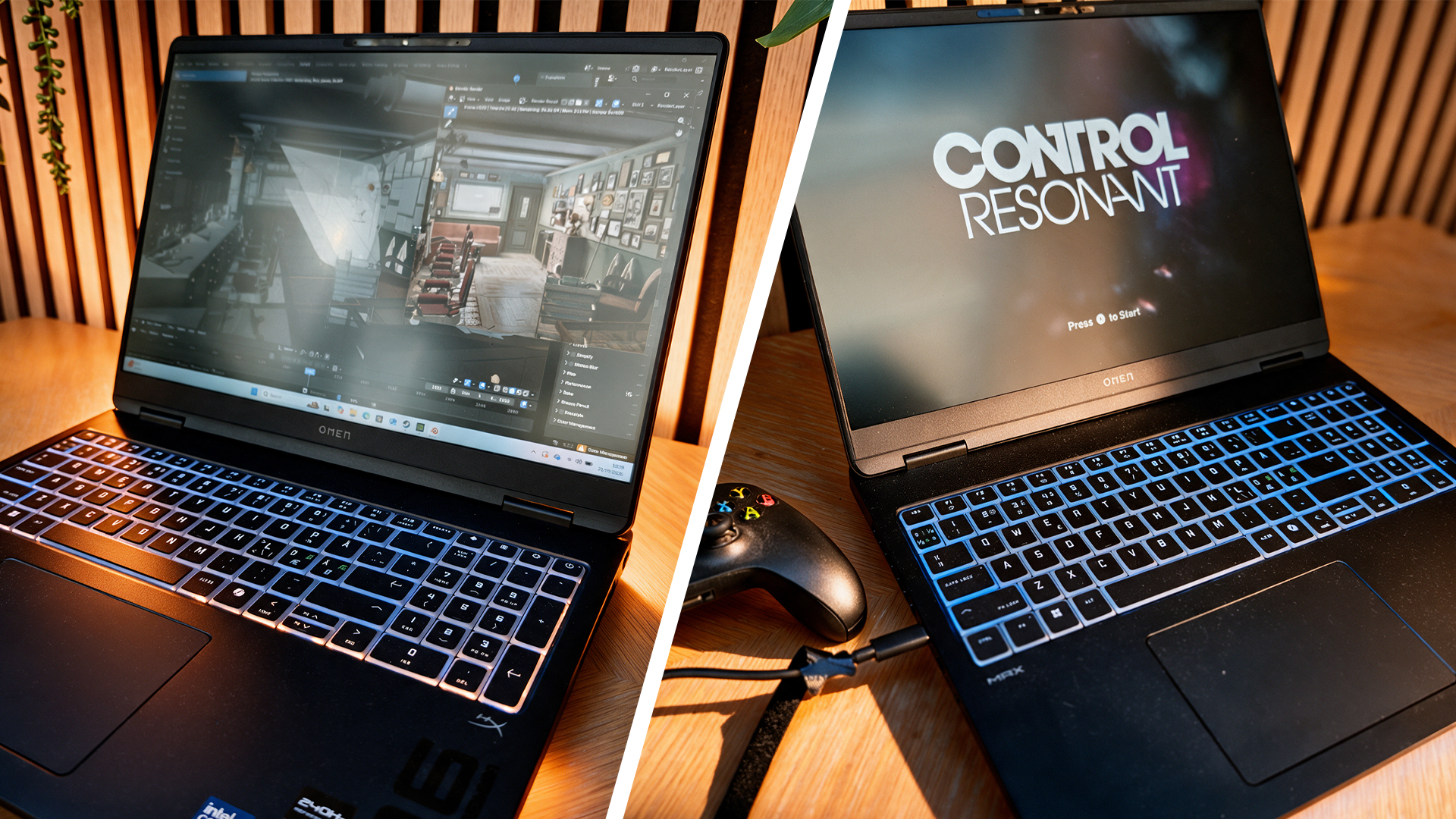
For the 3D artist, the Omen Max 16 is a beast. Using software like Blender, the machine handles complex viewports with fluid grace. The inclusion of 16GB of GDDR7 VRAM on the GPU is a critical differentiator here. During testing, the machine chewed through scenes that typically cause mid-range laptops to stutter or stall. The RTX cores handle the heavy lifting in Cycles rendering, allowing artists to iterate faster and spend less time waiting for progress bars to finish.
The Gaming Experience
In the evening, the same machine shifts gears. By toggling to "Gamer Ready" drivers—a process that takes only a few clicks—the laptop transitions from a productivity workhorse to a gaming powerhouse. Whether it is ray-traced lighting in Control Resonant or high-frame-rate competitive gaming, the hardware delivers a seamless experience. This duality is rare; usually, users are forced to choose between a workstation that lacks gaming optimization or a gaming laptop that lacks the stability required for professional creative output.
Supporting Data: Why Specifications Matter
To understand the value proposition of the Omen Max 16, one must look at the technical specifications compared to lower-tier alternatives.
| Component | Omen Max 16 (Top Tier) | Standard Omen 16 (Mid-Tier) |
|---|---|---|
| GPU | RTX 5080 (16GB VRAM) | RTX 5060 (8GB VRAM) |
| RAM | 32GB | 16GB |
| Processor | Intel Core Ultra 9 275HX | Ryzen 8-Core |
| Storage | 1TB SSD | 512GB SSD |
The most significant bottleneck for any creative professional is VRAM. While RAM and storage can often be upgraded after purchase, VRAM is soldered to the GPU. The 16GB of VRAM in the Max 16 provides a significantly higher ceiling for texture sets, dense geometry in Unreal Engine 5, and complex scene lighting. For a student or freelancer, this difference determines whether a project can be completed at the highest quality or if it must be downscaled to avoid system crashes.
Official Context and Market Positioning
HP is positioning the Omen Max 16 as an "investment piece" rather than a disposable commodity. At an RRP of £2,999 (though currently seeing retailer discounts bringing it closer to £2,619), it is an expensive acquisition.
Industry analysts note that while the market is flooded with "back-to-school" deals on entry-level machines, the Omen Max 16 serves a different demographic. It is targeted at the "prosumer"—the game artist, the VFX student, and the content creator who needs hardware that won’t become obsolete by their third year of study.
However, the financial implication of such a purchase cannot be ignored. Retailers often offer aggressive "Buy Now, Pay Later" schemes that make high-end tech feel affordable in the moment. Yet, with APR rates often exceeding 40% if repayment windows are missed, these financing options can turn a tool of professional growth into a significant debt trap.
The Implications: Is It Worth the Cost?
The decision to purchase the Omen Max 16 comes down to a fundamental question: Are you "dabbling" or are you "committing"?
For the Casual User
If your creative work is limited to light photo editing or basic graphic design, the Omen Max 16 is overkill. You would be better served by a more affordable, lower-specced gaming laptop or a dedicated workstation that prioritizes battery life and screen accuracy over raw GPU power.
For the Dedicated Creator
For those who intend to spend the next four years immersed in Blender, Unreal Engine, and high-fidelity game development, the math changes. The Omen Max 16 isn’t just buying speed; it is buying longevity. By investing in a machine that won’t "hit the ceiling" during critical final-year projects, you are essentially front-loading the cost of your professional toolkit.
Ultimately, the Omen Max 16 proves that you can have a singular device that handles the "heavy lifting" of the studio and the "hard play" of the living room. It is a rare instance where the indulgent choice and the practical choice align—provided that you can manage the significant financial commitment.
As we look toward the future of creative hardware, the success of the Omen Max 16 suggests that professionals are increasingly demanding "all-in-one" powerhouses. The question is no longer whether a laptop can handle the workload, but whether the user is ready to make the jump into high-end, future-proofed technology. If you are serious about your craft, the Omen Max 16 is one of the most persuasive arguments for the "one-laptop-to-rule-them-all" philosophy we have seen this year.
 Asep Darmawan
  Basiran
  Neng Nana