
 By Nana Wu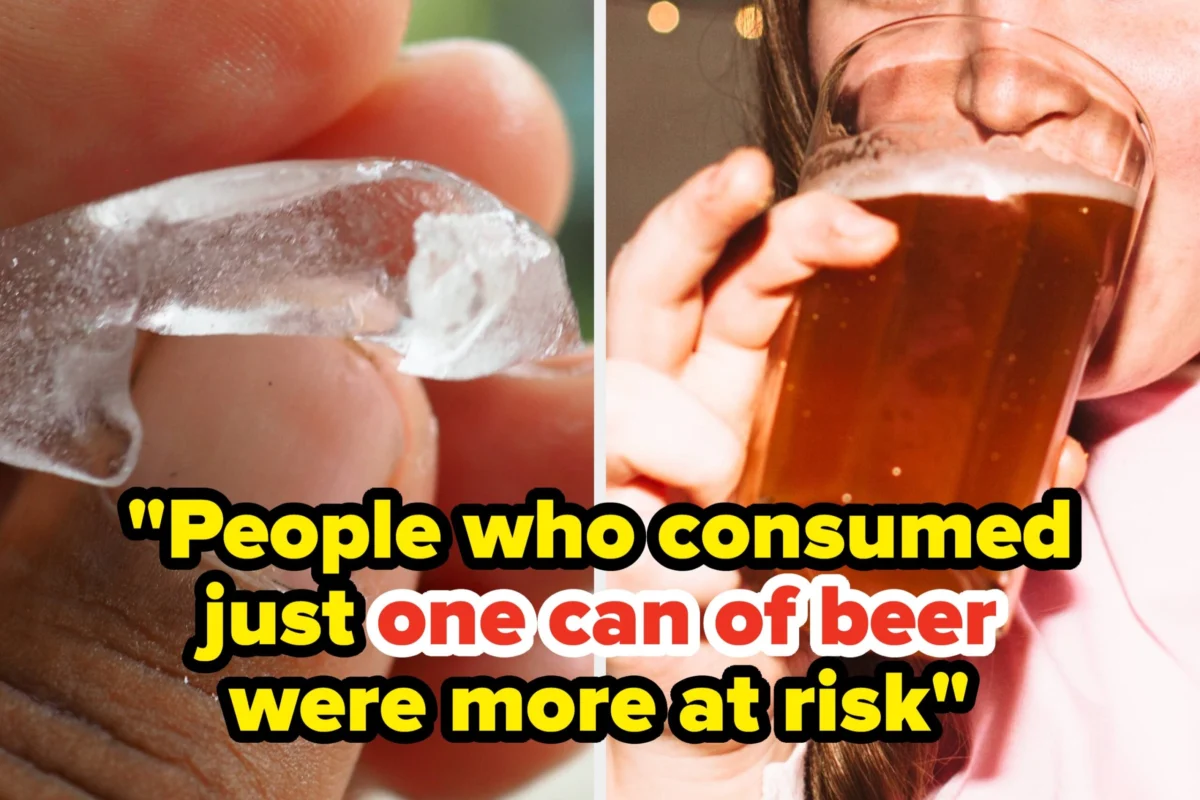
As daylight fades and backyard barbecues swing into full gear, an invisible, high-pitched buzz inevitably fills the air, instantly dividing social gatherings into two distinct camps: those who remain blissfully untouched and those who serve as an all-you-can-eat buffet for mosquitoes.
If you have ever wondered why you seem to bear the brunt of these relentless insects while companions sitting mere inches away escape without a single bump, you are not imagining things. Entomologists and dermatologists confirm that mosquitoes are remarkably selective hunters. Armed with an array of sophisticated sensory organs, these pests do not randomly choose their victims. Instead, they lock onto specific chemical, physical, and biological signals emitted by the human body.
Understanding what makes certain individuals so irresistibly attractive to mosquitoes is the first step toward reclaiming your outdoor spaces. Backed by insights from leading entomologists and dermatologists, here is a comprehensive look at why mosquitoes target you, the science behind their preferences, and the most effective ways to protect yourself.
Main Facts: The Anatomy of a Mosquito Magnet
Mosquitoes are guided by a multi-step hunting process, utilizing a combination of primary and secondary cues to locate, identify, and land on a host. Contrary to popular belief, these insects are not guided by intuition or sheer luck; they rely on precise biological data.
1. Blood Type Matters
One of the most surprising factors influencing mosquito attraction is your blood type. In a controlled study published in the Journal of Medical Entomology, researchers discovered that mosquitoes landed on individuals with blood Type O nearly twice as frequently as those with Type A.
While researchers emphasize that more comprehensive studies are needed to fully understand the mechanics behind this preference, scientists note that chemical secretions through the skin—known as kairomones—vary depending on an individual’s genetic blood markers. These secretions act as a chemical beacon, tipping off mosquitoes to a preferred blood source.
2. The Power of Carbon Dioxide ($CO_2$)
According to Jonathan F. Day, an entomology professor at the University of Florida, carbon dioxide is perhaps the single most important long-range cue for mosquitoes.
"These cues let them know they are going to a blood source," Day explains. "Perhaps $CO_2$ is the most important. The amount of $CO_2$ you produce—such as in people with high metabolic rates due to genetics or other factors—increases the amount of carbon dioxide you give off. The more you give off, the more attractive you are to these arthropods."
Because metabolic rate dictates how much carbon dioxide a person exhales, individuals with larger body masses, those engaged in physical exertion, or pregnant women naturally emit higher volumes of $CO_2$, instantly placing themselves on the mosquito radar.
3. Secondary Cues: Lactic Acid and Body Heat
Once a mosquito is drawn closer by carbon dioxide plumes, it relies on secondary cues to home in on its target.
- Lactic Acid: This is the metabolic byproduct that causes muscles to cramp during intense exercise. As lactic acid is released through human sweat and skin, it signals to mosquitoes that a prime target is nearby.
- Tactile and Thermal Cues: When a mosquito lands, it evaluates the host’s body heat. "Body heat is a really important tactile cue," Day notes. "That comes into play with genetic differences or physiological differences. Some people tend to run a little warmer. When they land, they’re looking for a place where blood is close to the skin." Individuals with naturally higher internal temperatures are therefore far more vulnerable to bites.
Chronology: How Mosquitoes Hunt and Attack
To understand how to evade mosquitoes, it helps to understand the chronological sequence of their hunting behavior, which peaks predictably during specific times of the day.
The Daily Rhythm: Sunrise and Sunset
Mosquitoes are creatures of habit governed by environmental conditions, particularly wind and temperature. Contrary to popular belief, very few mosquito species are active in the middle of a hot, dry afternoon. Instead, their activity follows a strict diurnal rhythm.
- Peak Hours: Sunrise and sunset represent the windows of maximum activity. During these transitional hours, the air is typically calmer, and humidity is higher—ideal conditions for fragile, weak-flying insects.
- Behavioral Shift: If you are accustomed to an early morning jog or an evening patio gathering, you are directly intersecting with peak mosquito hunting hours. Day advises shifting outdoor exercise routines to midday or late morning when mosquito activity drops significantly.
The Landing and Biting Sequence
Once a mosquito identifies a target during these peak hours, the attack unfolds in rapid succession:
- Visual Navigation: Mosquitoes possess excellent vision, though they fly close to the ground to shield themselves from wind currents. They scan the horizon for contrasting silhouettes. Wearing dark clothing makes a person stand out sharply against the horizon, whereas light colors help individuals blend into their background.
- The Approach: Guided by a trail of exhaled carbon dioxide and skin-borne lactic acid, the mosquito navigates directly toward the source.
- Thermal Verification: Upon landing, the insect uses specialized sensors on its legs and mouthparts to detect local body heat, seeking out thin skin where blood vessels run close to the surface.
- The Bite: The mosquito pierces the skin using a specialized proboscis, injecting saliva containing anticoagulants to keep the blood flowing freely. It is this saliva that triggers the human immune system, resulting in the characteristic red, itchy bump.
Supporting Data: Lifestyle Factors and Environmental Triggers
Beyond genetics and blood types, several lifestyle and physiological choices can dramatically increase your appeal to mosquitoes. Melissa Piliang, a dermatologist at the Cleveland Clinic, highlights several key risk factors:
- Exercise and Physical Activity: Moving around actively raises your core body temperature, increases metabolic rate, and accelerates the production of sweat, carbon dioxide, and lactic acid.
- Alcohol Consumption: Research indicates that consuming even a single can of beer significantly increases a person’s attractiveness to mosquitoes. While the exact biological mechanism is still under study, scientists believe alcohol raises body temperature and alters skin chemistry.
- Pregnancy and Body Mass: Both pregnancy and higher body mass indices (BMI) naturally elevate a person’s basal metabolic rate. Pregnant women, for instance, exhale a significantly higher volume of carbon dioxide and run at a slightly elevated body temperature, making them frequent targets.
The Beer and Patio Trap
Combining these factors creates a worst-case scenario for outdoor entertaining. "If you’ve been moving around all day doing yardwork and then you stop around dusk and drink a beer on your patio, you’re definitely at risk of bites," Piliang warns.
Official Responses and Expert Recommendations on Prevention
Because mosquito bites are more than just a nuisance—acting as potential vectors for diseases such as West Nile virus, Zika, and dengue—health authorities emphasize robust prevention strategies.
1. Clothing Choices
When outdoor gatherings are unavoidable during peak hours, dermatologists and entomologists recommend modifying your wardrobe.
- Cover Up: Wear long-sleeved shirts and long pants constructed from lightweight, breathable fabrics (such as technical fishing gear). This physically blocks mosquitoes from reaching the skin.
- Choose Light Colors: Opt for white, beige, or pastel-colored garments to minimize your visual contrast against the horizon.
2. The Verdict on DEET and Repellents
When it comes to chemical protection, experts agree that DEET remains the gold standard. Despite persistent public concerns regarding its safety, comprehensive reviews by regulatory bodies—including a major re-evaluation by the U.S. Environmental Protection Agency (EPA)—have reaffirmed that normal, directed use of DEET poses no health risks to adults, children, or pregnant and breastfeeding women.
"DEET is the most effective," Piliang states. "If you are going to be in a mosquito-prone place, knowing that they carry disease, it is your best bet. Take a shower later to wash it off, and put on just a little bit."
According to Professor Day, even low concentrations provide substantial protection; a spray containing roughly 5% DEET can provide up to 90 minutes of complete coverage. Always consult Centers for Disease Control and Prevention (CDC) guidelines when applying insect repellent to children.
3. Natural Alternatives: What Works and What Doesn’t?
Many consumers turn to natural remedies, such as citronella oil candles or plant-based bracelets, hoping to avoid synthetic chemicals. However, scientific literature offers little support for these methods. Peer-reviewed studies in entomology journals have repeatedly shown that citronella candles fail to provide meaningful protection against mosquito landings.
Instead of burning candles, experts recommend harnessing physics. "Mosquitoes can’t get around very much," especially in windy conditions, Piliang notes. "You can run a fan to keep air moving." Setting up oscillating fans on a deck or patio effectively disrupts the delicate flight paths of mosquitoes, keeping them away from your seating area.
Implications: Managing Bites and Avoiding Complications
If preventive measures fail and you find yourself waking up covered in itchy welts, how you respond matters immensely.
The Biology of the Itch
The severity of your reaction depends heavily on your individual immune system. "This all depends on how allergic you are to the chemicals in the saliva of the mosquito, and that can vary based on the type of the mosquito or how reactive you and your skin are to things in the environment," Piliang explains.
Why You Must Stop Scratching
When a bite begins to itch, scratching feels like the only logical relief, but dermatologists warn it is the worst possible action.
- The Histamine Loop: Scratching stimulates the skin, prompting the release of more histamine, which paradoxically makes the itch significantly worse.
- Secondary Infection: Vigorous scratching breaks the delicate epidermal barrier, leading to bleeding, scabbing, and open wounds that put you at high risk for bacterial infections and permanent scarring.
Safe and Effective Treatment Options
Instead of scratching, experts recommend several evidence-based alternatives to soothe irritated skin:
- The Ice Cube Trick: Applying an ice cube directly to the bite offers immediate relief. "The sensation of cold travels on the same nerve as itch, so you cannot feel both at the same time," Piliang notes. Even holding a cold beverage can help numb the sensation temporarily.
- Topical Steroids: For multiple bites, over-the-counter anti-itch creams containing a mild topical steroid, such as hydrocortisone, can be applied two to three times a day to suppress the local immune reaction.
- Oral Antihistamines: If you are severely reactive, taking an oral antihistamine can neutralize the body’s systemic allergic response. While drowsy options like diphenhydramine (Benadryl) work well at night, non-drowsy alternatives like cetirizine (Zyrtec) or fexofenadine (Allegra) provide effective daytime relief without impairing focus.
By understanding the physiological triggers that make you a target—from blood chemistry and metabolism to clothing and body temperature—you can outsmart mosquitoes this season. Prioritizing strategic prevention, utilizing proven repellents like DEET, and managing bites safely will ensure that your summer evenings remain relaxing, comfortable, and itch-free.
 Pevita Pearce
  Raul Delapena Setiawan
  Muslim