
 By Raul Delapena Setiawan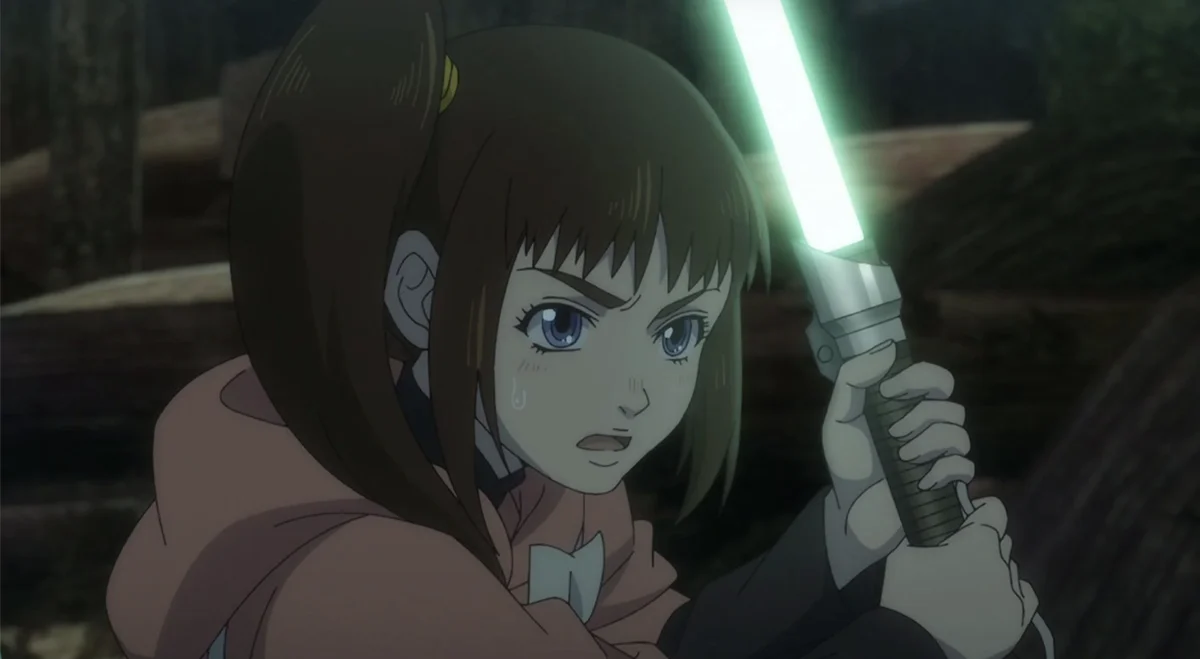
For years, a persistent and vocal strain of discourse has echoed through the corridors of social media and dedicated fan forums: the belief that Lucasfilm is quietly "deleting" the sequel trilogy—the trio of films released between 2015 and 2019 that chronicled the rise of Rey, the internal conflict of Kylo Ren, and the eventual conclusion of the Skywalker saga.
According to this theory, Disney is orchestrating a slow-motion retcon, scrubbing The Force Awakens, The Last Jedi, and The Rise of Skywalker from the official canon to appease a dissatisfied portion of the fanbase. However, a dispassionate look at the current state of the franchise reveals a different reality. Lucasfilm is not erasing its history; it is engaging in a complex, often messy, but undeniably deliberate process of expansion. The persistence of the "erasure" narrative says far more about the modern audience’s relationship with unresolved creative work than it does about the actual strategy of the studio.
The Chronology of Discontent: From Lucas to Disney
To understand the current tension, one must look at the fractured history of the franchise. George Lucas’s original trilogy (1977–1983) remains the gold standard of cultural myth-making, a touchstone of cinematic history. The prequel trilogy (1999–2005) served as a controversial, lore-heavy origin story that, while initially panned, has seen a significant reappraisal in recent years.
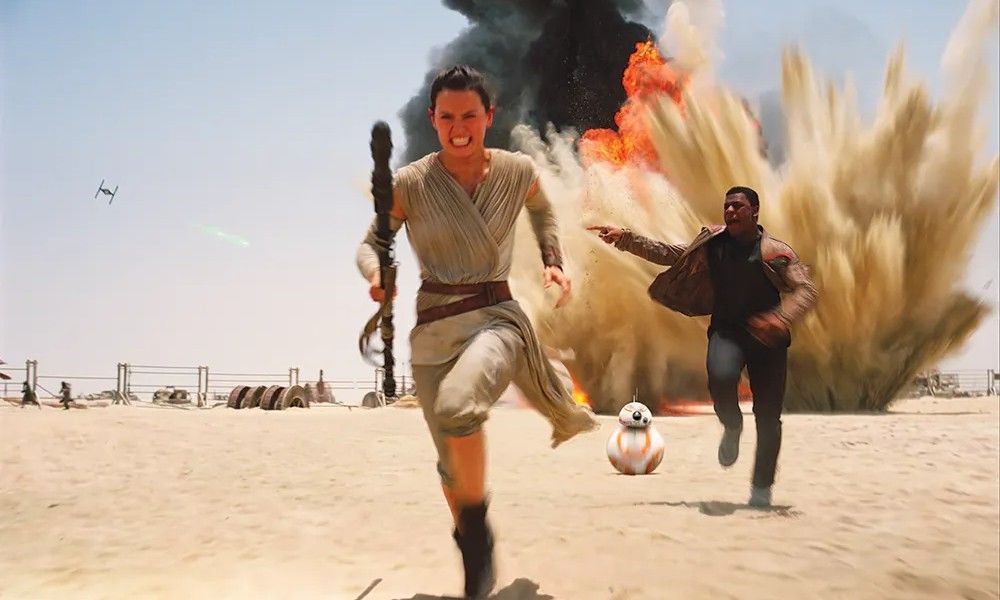
When Disney acquired Lucasfilm in 2012, the pressure to deliver a successful sequel trilogy was immense. The resulting films—The Force Awakens, The Last Jedi, and The Rise of Skywalker—grossed over $4 billion globally. Yet, the financial success masked a deep-seated fracture in the fandom. Critics and fans alike pointed to a perceived lack of long-term planning, tonal inconsistencies, and a disjointed narrative arc that left many feeling that the legacy of the original characters had been sidelined.
This dissatisfaction, which has simmered for half a decade, is the fertile soil from which the "erasure" rumors grow. Because a segment of the audience feels the sequel trilogy failed to meet their expectations, they have convinced themselves that the studio must feel the same way.
Three Projects, Three Approaches
Far from ignoring the sequels, current Lucasfilm output reflects a multifaceted approach to canon, characterized by three distinct strategies: isolation, refinement, and expansion.
1. The Isolation Strategy: Star Wars: Visions
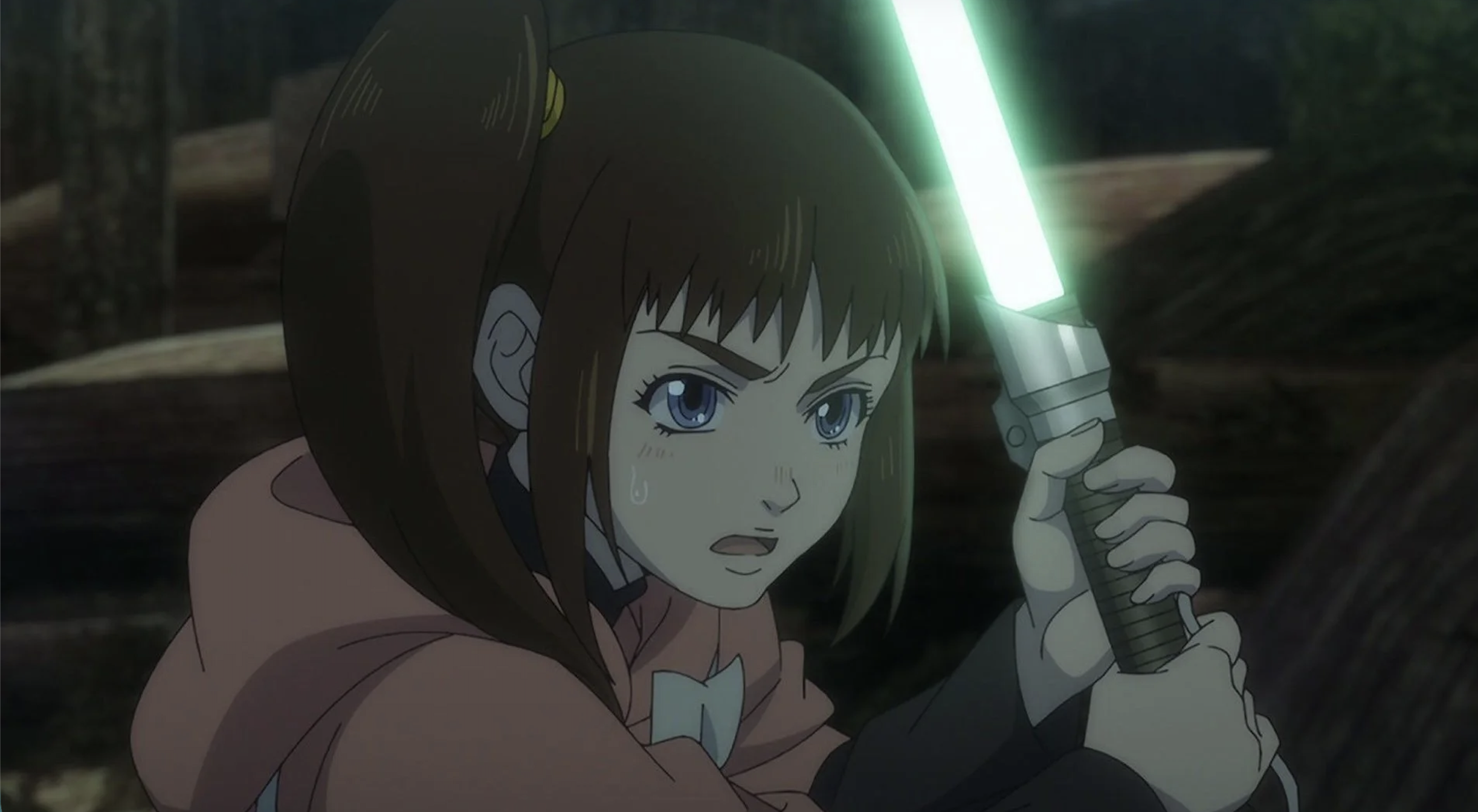
The argument for "erasure" is most frequently tethered to projects like the animated anthology Star Wars: Visions and, more specifically, the upcoming The Ninth Jedi. Because these stories take place in a timeframe far removed from the sequels and avoid direct references to the characters of that era, proponents of the "reset" theory cite this as proof of a pivot. However, this is a fundamental misunderstanding of the Visions project. By design, Visions is non-canonical; it is a canvas for animators and storytellers to experiment with the aesthetic of Star Wars without the shackles of continuity. To interpret an anthology of standalone tales as a "secret wipe" is to confuse artistic freedom with corporate policy.
2. The Refinement Strategy: Star Wars: Legacy
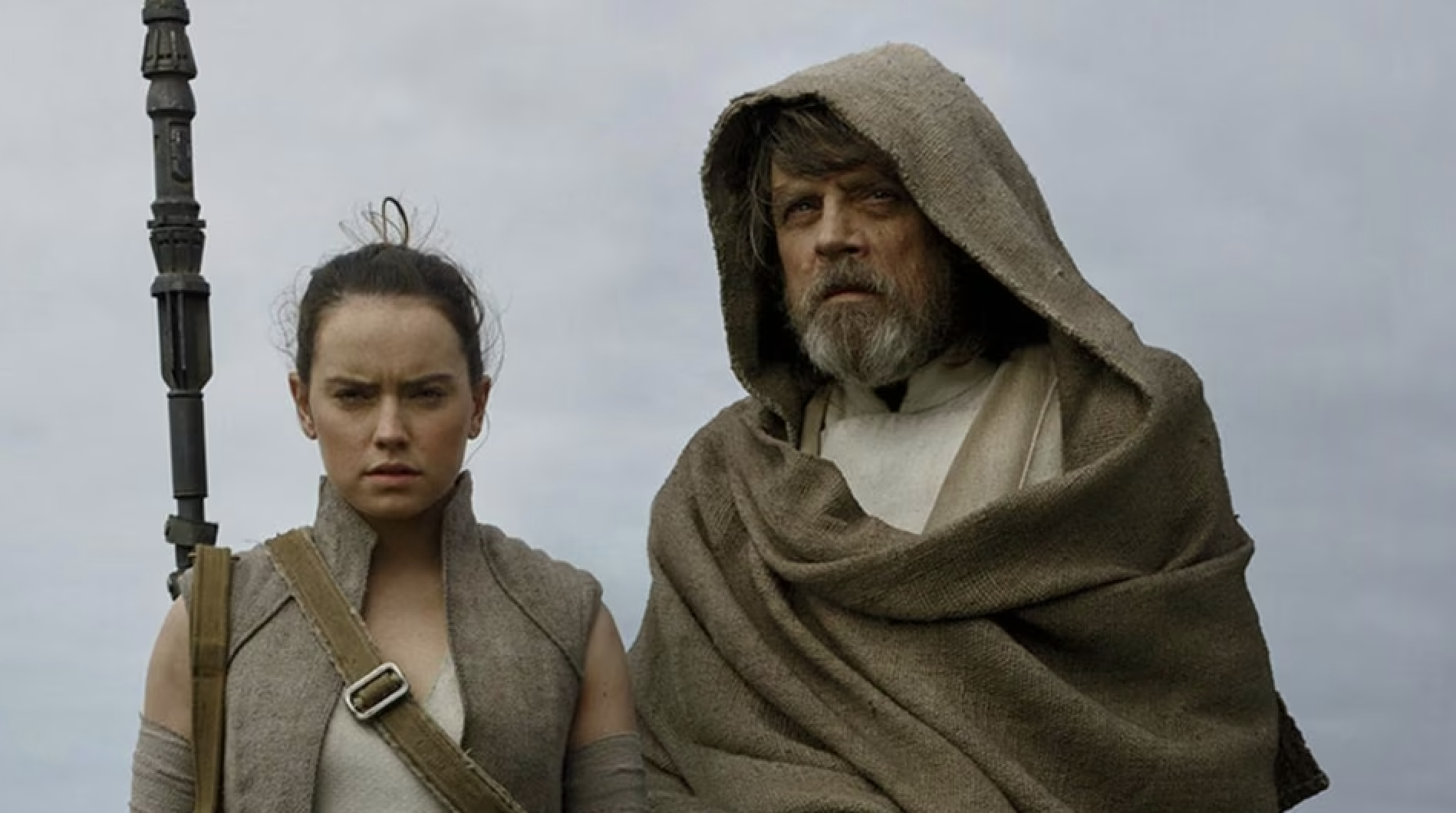
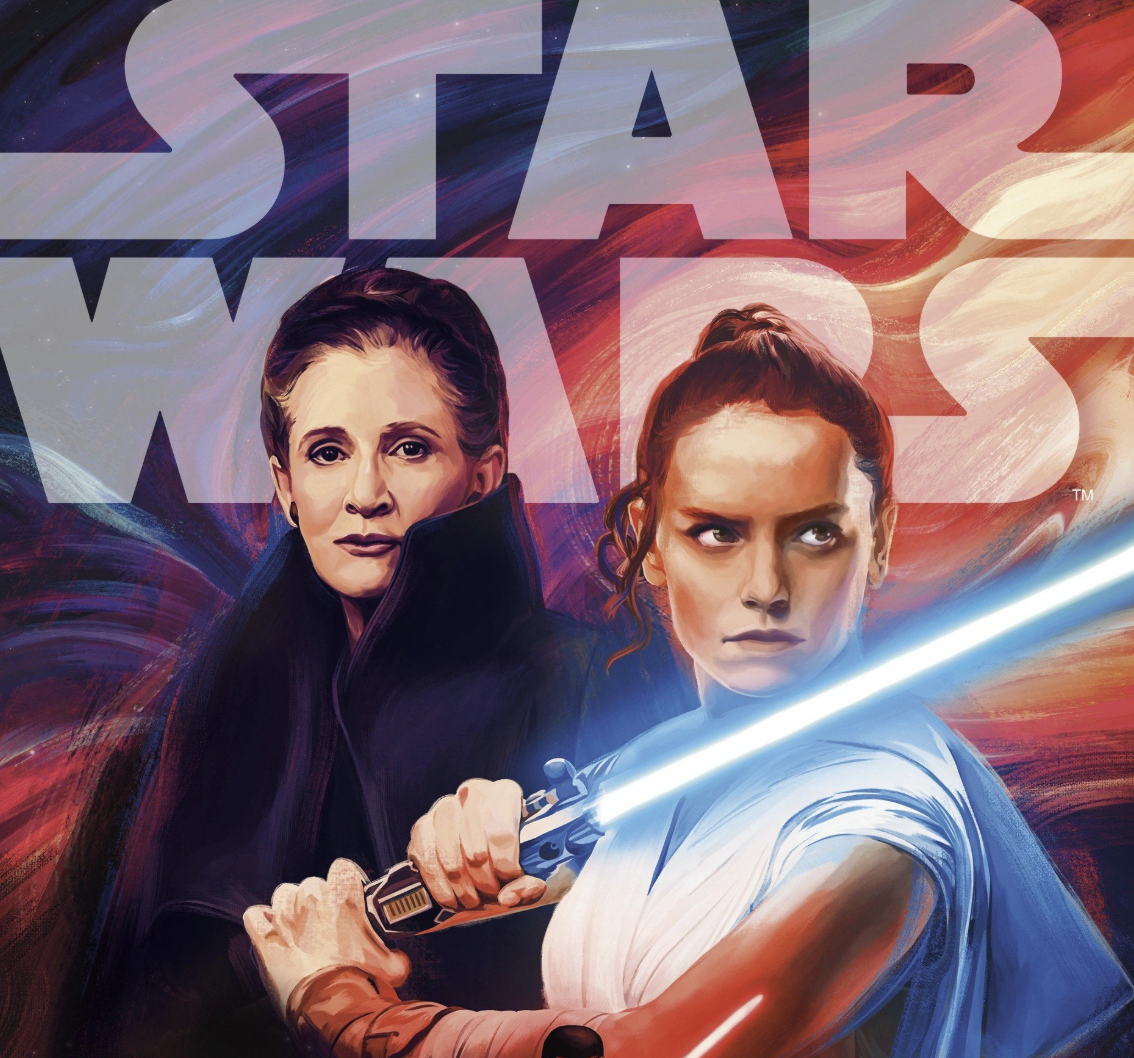
Perhaps the strongest evidence against erasure is the active effort to patch the holes in the existing narrative. Madeleine Roux’s novel, Star Wars: Legacy, is a direct response to the pacing and characterization issues within the films. By expanding on Rey’s Jedi training and providing depth to Leia Organa’s leadership, the book acts as a bridge, retroactively smoothing over the rough edges of the trilogy. Rather than deleting the content, Lucasfilm is choosing to invest in it, treating the trilogy as a foundation that needs better structural support.
3. The Expansion Strategy: Starfighter
Looking ahead, Shawn Levy’s Starfighter (slated for 2027) is set to take place just five years after the events of the sequel trilogy. By choosing to push the timeline forward rather than resetting it, Lucasfilm is signaling that the sequels are the definitive starting point for the next era of the galaxy. The studio is not backtracking; it is moving toward a future built upon the foundation of the previous films, regardless of how "wobbly" that foundation may have been.
Defining "Canon" in the Digital Age
The obsession with "canon" is a relatively modern phenomenon. In the context of 20th-century storytelling, consistency was a convenience, not a legal requirement. Doctor Who has survived 60 years by largely ignoring its own contradictions. The Sherlock Holmes canon has been reimagined in every medium for over a century, with no single version holding total authority.
In the 21st century, we have become accustomed to the "multiverse" model—a convenient narrative device used by Marvel and DC to allow multiple versions of characters to coexist without requiring apology. This has led to a culture where fans treat "canon" like case law. There is a desire for an authoritative, immutable version of the truth. When a franchise as large as Star Wars refuses to provide that, fans often perceive the ambiguity as a failure or a sign of an impending "reset."
The discomfort with the current Star Wars timeline suggests a broader cultural anxiety. We live in an era of constant, iterative updates—our software, our news feeds, and our digital identities are always in flux. When our favorite stories are similarly "unresolved," it causes friction. We want someone in a position of power to stand up and declare which version of history is "real."
Professional Implications: The Myth of the Perfect Portfolio
For those working in creative industries, the lesson here is profound. The "erasure" narrative is fueled by the same instinct that prevents a designer from updating their portfolio: the belief that one’s "weaker" work should be hidden, disowned, or deleted to maintain an image of perfection.
Many professionals fall into the trap of waiting for the "perfect" project to represent their career, ignoring the fact that their growth was facilitated by the projects that didn’t go quite as planned. Lucasfilm’s strategy is a masterclass in professional resilience. They are not hiding the trilogy that polarized the audience; they are integrating it into a larger, more comprehensive narrative.
By building upon what exists—rather than attempting to erase it—the studio is acknowledging a vital truth: in creative work, there is no "undo" button. The path forward is not found by deleting the past, but by learning from it.
Conclusion: The Path Forward
The demand for a "reboot" of the Star Wars sequel trilogy is, ultimately, a fantasy of control. It is a reaction to the messy, non-linear nature of modern storytelling. However, the evidence is clear: Disney is committed to the long game. By simultaneously allowing creative experimentation in non-canon spaces like Visions and providing narrative support in novels and upcoming films, they are creating a layered, if inconsistent, universe.
For the audience, the choice is simple: one can continue to chase the mirage of an "official" erasure that will never come, or one can accept that Star Wars, like all enduring mythologies, is a living, breathing, and occasionally contradictory entity. The healthiest way to engage with any creative endeavor is to recognize that a piece of work—whether it’s a film trilogy or a personal project—is never truly "finished." It is merely a chapter, and the next one is always an opportunity to make the whole story make more sense.
 Ammar Sabilarrohman
  Muslim