
 By Asro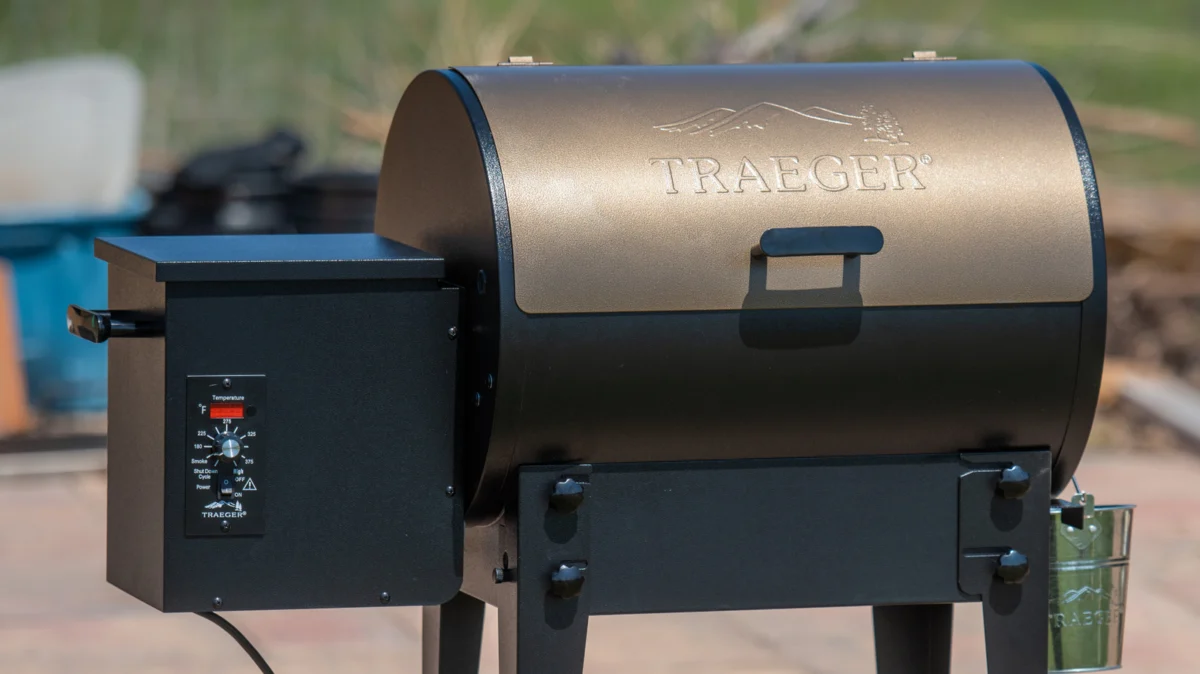
For nearly four decades, the name "Traeger" has been synonymous with the pellet grill revolution. When Joe Traeger invented the first wood-pellet grill in 1987, he fundamentally altered the landscape of outdoor cooking. By marrying the convenience of a gas grill with the depth of flavor found in traditional offset smokers, Traeger created a category that would eventually dominate suburban patios across North America.
However, in the digital age, brand legacy is constantly under the microscope. Online communities, particularly on platforms like Reddit, have become the town squares of consumer advocacy. A growing chorus of enthusiasts is now posing a provocative question: In a market saturated with high-performance competitors, is the premium price tag associated with Traeger still justified, or are consumers paying for a name rather than innovation?
The Historical Context: How Traeger Built an Empire
To understand the current debate, one must look back at the origins of the pellet grill. Before 1987, outdoor cooking was largely binary: you either opted for the high-maintenance, labor-intensive process of tending a charcoal fire, or the convenience of a gas grill, which often sacrificed the nuanced smoke profile that barbecue purists craved.
Traeger’s innovation was the auger-fed system. By utilizing a motorized screw to push hardwood pellets into a firepot at a controlled rate, the grill could maintain a precise internal temperature—a feat that was notoriously difficult with traditional wood-burning pits. This "set it and forget it" technology democratized barbecue. Suddenly, a novice could produce competition-grade brisket without staying up all night to monitor firebox temperatures.
For the first twenty years, Traeger held a near-monopoly on this technology. They became the gold standard, establishing a brand identity rooted in rugged, American-made craftsmanship. But as patents expired and the popularity of smoked meats skyrocketed, the market saw an influx of competitors, ranging from budget-friendly imports to high-end, stainless-steel heavyweights.
The Reddit Verdict: A Shift in Consumer Sentiment
The modern discourse surrounding Traeger is increasingly critical. A deep dive into subreddits dedicated to grilling and smoking reveals a shift in brand loyalty. While many users acknowledge Traeger as the pioneer, they are quick to point out that "pioneer" does not always equate to "current leader."
The Competition Narrative
Critics on Reddit frequently highlight that while Traeger’s software, such as the WiFIRE connectivity, is user-friendly, the hardware often lags behind competitors. Users often cite brands like Green Mountain Grills (GMG), Recteq, and Camp Chef as offering better value-for-money propositions.
One particularly vocal user noted: "Traeger is the brand most recognized because they were the first to introduce pellet cooking. There are numerous competitors on the market now that are equally good, and a number that are far superior." This sentiment is echoed by those who have made the switch to rival brands, citing better temperature stability and superior build quality. As one former Traeger owner put it, "The difference is night and day; my new grill holds temp 100 times better. I wouldn’t buy another Traeger."
Value vs. Performance
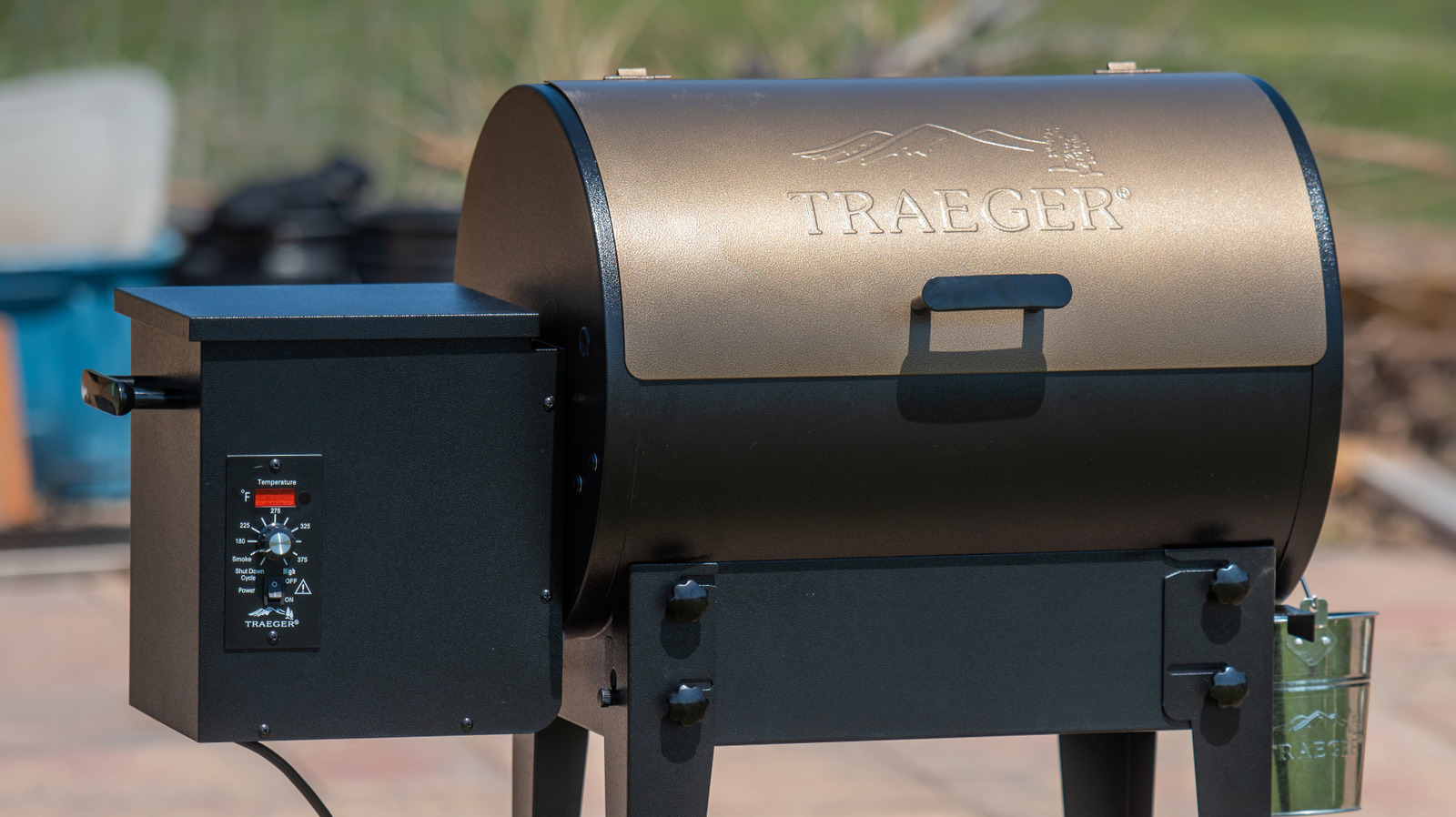
The debate often boils down to the "Traeger Tax"—a term coined by enthusiasts to describe the premium price paid for the brand’s marketing and retail footprint. Critics argue that when comparing a $1,000 Traeger to a $1,000 competitor, the competitor often features thicker gauge steel, more robust insulation, and higher-quality heating components. The implication is that Traeger’s margins are bolstered by brand recognition, while rivals must compete on pure technical performance to earn market share.
The Technical Reality: Avoiding Pellet Grill Pitfalls
Regardless of the brand, transitioning to a pellet grill requires a fundamental shift in technique. The most common mistake novice pellet grillers make is treating the machine like a traditional charcoal grill.
The Thermometer Mandate
The most critical piece of advice from seasoned grillers is to ignore the built-in lid thermometer. Pellet grills circulate air differently than charcoal pits, and the smokiness of the wood can often "deceive" the cook. The smoke interacts with the proteins in the meat, potentially causing a dark, bark-like exterior while the interior remains under-cooked. A high-quality, multi-probe digital thermometer is not just a luxury; it is a necessity for food safety and consistency.
Mastering the "3-2-1" Method
For those tackling larger cuts like ribs or brisket, the "3-2-1" rule remains the industry standard for success on a pellet grill:
- 3 Hours: Smoke the meat unwrapped to allow the smoke ring to form and the surface to set.
- 2 Hours: Wrap the meat in foil or butcher paper with a small amount of liquid (apple cider, beef broth, or beer) to braise and tenderize.
- 1 Hour: Remove the wrapping, apply your favorite sauce, and return to the heat to caramelize the exterior.
While smaller items like burgers or sausages do not require this length of time, the principle of controlled temperature zones remains essential for all pellet grill cooking.
Official Responses and Brand Evolution
Traeger has not remained silent in the face of this criticism. The company has invested heavily in technology, moving toward an integrated ecosystem. Their mobile app, WiFIRE, allows users to monitor their cook, adjust temperatures, and even download pre-programmed recipes from celebrity chefs.
From a corporate perspective, Traeger’s value proposition is no longer just the hardware; it is the experience. By fostering a community of "Traegerhood" enthusiasts and offering a massive library of educational content, the company aims to provide a turnkey lifestyle product. For the consumer who values support, a vast network of retail outlets, and a seamless app experience, Traeger argues that the price is justified by the peace of mind.
Implications for the Future of Backyard Barbecue
The current market tension between Traeger and its competitors signifies a maturing industry. We are moving out of the "innovation" phase and into the "refinement" phase of the pellet grill lifecycle.
The Rise of the "Prosumer"
The modern backyard griller is more informed than ever. They watch YouTube tutorials, join specialized Facebook groups, and participate in forums. They demand transparency regarding steel thickness, controller PID (Proportional-Integral-Derivative) accuracy, and pellet efficiency. Companies that cannot meet these demands are finding it increasingly difficult to compete on brand name alone.
The Sustainability Factor
As the market grows, so does the focus on pellet quality. Critics and fans alike are beginning to look beyond the grill itself to the fuel. The best grill in the world will perform poorly if the fuel source is filled with fillers or binders. Traeger has leaned into this, producing high-quality pellets, which has helped them retain a segment of the market that values the end-to-end ecosystem.
Conclusion: Is it Worth It?
Ultimately, the question of whether a Traeger grill is "worth it" depends entirely on what the buyer prioritizes.
If you are a "set it and forget it" cook who values a polished user interface, excellent customer support, and a robust community of shared recipes, Traeger remains a formidable choice. The brand’s ability to guide a beginner from their first burger to their first brisket is unparalleled.
However, if you are a "grill-first" enthusiast who prioritizes heat retention, heavy-duty build quality, and raw performance per dollar, the consensus among the Reddit community is clear: you owe it to yourself to look at the competitors. The market is no longer a monopoly; it is a competitive arena where innovation is moving fast, and the consumer is the ultimate winner.
In the end, the best grill is the one that gets you excited to cook. Whether that means joining the established "Traegerhood" or opting for a niche competitor, the golden age of the home smoker has arrived—and it has never been a better time to fire up the pellets.
 Azzam Bilal Chamdy
  Lina Irawan
  Lina Hope