
 By rifanmuazin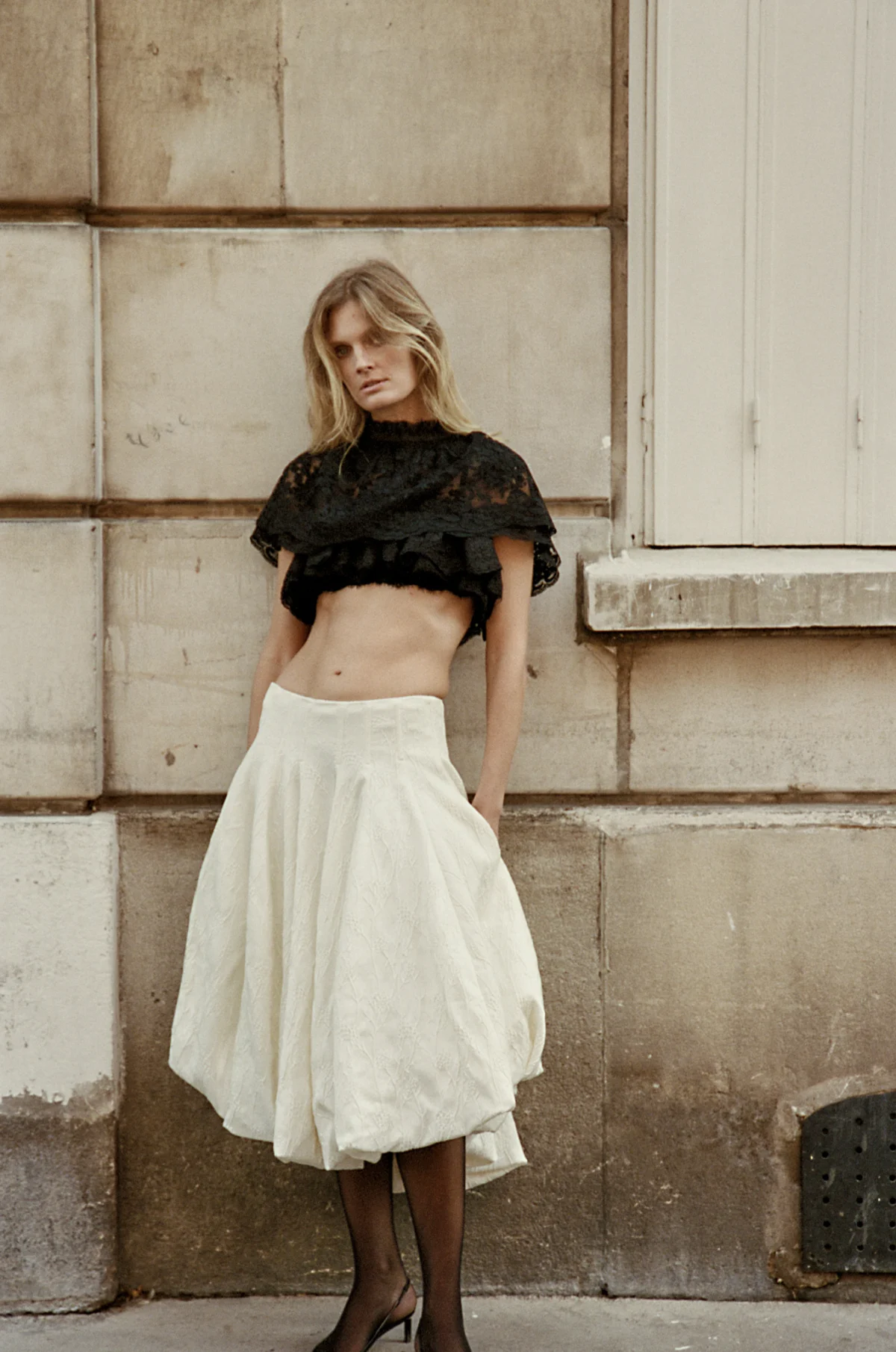
Introduction: A Designer’s Comeback
In the fast-paced, high-pressure world of international fashion, the announcement that a designer is "retiring" is often met with skepticism. Yet, when Kristopher Brock shuttered the celebrated Brock Collection in 2021, the industry took his departure seriously. Citing the crushing weight of the traditional seasonal fashion calendar and the creative exhaustion that follows relentless production cycles, Brock stepped away from the spotlight, declaring that he would never again helm a namesake brand.
However, fashion is rarely a closed chapter for those who possess an innate compulsion to create. After a period of quiet reflection and strategic experimentation through select collaborations, Brock has made a definitive return. During Paris Fashion Week, the American designer unveiled his new label—simply titled "Brock"—marking a significant pivot in his career and a refined evolution of his aesthetic philosophy.
Chronology: From Burnout to Rebirth
To understand the significance of the new "Brock" label, one must look back at the trajectory of the designer’s career.
The Brock Collection Era
Founded alongside Laura Vassar, the original Brock Collection was a darling of the luxury market, defined by a distinctively romantic, vintage-inspired aesthetic. It was a brand that flourished on the red carpet and in the pages of high-fashion editorials. Yet, as the industry shifted toward a more demanding "always-on" model, the duo faced the pressures that have led many contemporary designers to seek refuge outside the traditional fashion ecosystem. The 2021 closure was viewed as a cautionary tale of the industry’s inability to sustain the mental and creative health of its visionaries.
The Interim Period
Following the dissolution of the label, Brock retreated from the public eye. During this sabbatical, he did not abandon design; rather, he recalibrated his relationship with it. He engaged in smaller, more intimate collaborations—most notably with the brand V. Chapman. It was this specific partnership that served as the catalyst for his return. "I re-fell in love with why I originally got into fashion, which is to make clothes," Brock remarked during his presentation in Paris. This realization was the spark that reignited his ambition, proving that his previous burnout was not a lack of passion for design, but a lack of affinity for the machinery of the industry.
The Soft Launch
Before the fanfare of Paris Fashion Week, Brock staged a quiet debut. He released a resort collection earlier this summer, which was quickly picked up by luxury e-commerce powerhouse Moda Operandi. This strategic, low-noise entry allowed him to test the market and refine his vision before the full-scale reveal in Paris.
Supporting Data: A New Business Model
The new iteration of the brand is not merely a stylistic revival; it is a structural evolution. Understanding that the previous burnout was tied to the industry’s rigid expectations, Brock has approached his new venture with a renewed focus on sustainability—not just of the environment, but of the designer.
Pricing and Accessibility
Perhaps the most notable shift for the new label is its positioning. While the original Brock Collection occupied an ultra-luxury tier, the new "Brock" label targets a more accessible luxury demographic. With an average retail price for a dress hovering around $725, the label is positioning itself to capture a broader audience of contemporary, fashion-forward consumers. This pricing strategy reflects a modern understanding of luxury, where sophistication is no longer synonymous with exclusionary price points.
Strategic Retail Partnerships
The partnership with Moda Operandi is a calculated move. By launching through a digital-first platform alongside a direct-to-consumer (DTC) model, Brock is bypassing the traditional wholesale bottlenecks that often force designers to over-produce. This leaner business model allows him to focus on quality and creative integrity rather than meeting the bloated quotas of department store seasonal buy-ins.
The Aesthetic: Where Rural Meets Radical
The collection presented at Paris Fashion Week was a masterclass in the "Brock DNA," albeit one that had been distilled and sharpened.
Texture, Volume, and Proportion
The collection is an exploration of contrast. Brock played heavily with the interplay of structure and fluidity. We saw the inclusion of "barely-there" lingerie pieces paired against the weight of ruffled, voluminous skirts. The use of lace—a hallmark of his past work—remained, but it felt less like a costume and more like an architectural element.
Archival Inspiration
The floral prints were a standout feature of the collection. Drawing inspiration from an archival wallpaper collection, the prints carried a "faded vintage charm," giving the pieces a sense of history and lived-in comfort. This nostalgia is balanced by modern silhouettes, such as the flouncy puffball skirts that featured a high-low hemline—long at the back, short at the front—constructed in both crisp poplin and heavier stretch jacquard.
Functional Femininity
A significant portion of the collection was dedicated to the concept of "active styling." Brock introduced tie details that allow the wearer to dictate the silhouette. The integration of inner corsetry into the dresses provides structure, yet these pieces are designed to be detached at the back, allowing straps to slip off the shoulder for a "nonchalant" aesthetic. Similarly, a mini-cape top in lace was presented as a versatile piece capable of being worn in multiple ways, underscoring the designer’s commitment to utility.
Official Responses and Creative Philosophy
During the presentation, Brock was candid about the transition from his past work to his current vision.
The Texan Influence
While the collection is rooted in a romantic, Parisian-adjacent elegance, Brock has integrated his personal history into the work. The inclusion of workwear jackets in soft, powdery pastels and impeccably cut ecru jeans served as a nod to his Texan upbringing. When asked about this juxtaposition, Brock noted, "There is this balance of an ultra-feminine side meeting this more rural element." This tension between the rustic and the refined gives the collection a grounded, human quality that is often missing from high-concept runway shows.
A More Youthful Energy
Brock explicitly characterized this new collection as "more youthful." While he acknowledges that the brand identity will always carry traces of his previous work—simply because the design sensibility is intrinsic to him—he emphasized that the new label is designed to be "more sexy, flirty, fun, but still maintaining that sophistication." This is a departure from the more formal, bridal-adjacent, or gala-ready gowns that defined his earlier career.
Implications: The Future of the Independent Designer
The return of Kristopher Brock is more than just a brand relaunch; it is a bellwether for the future of independent fashion.
The Reclamation of Agency
By choosing to re-enter the market on his own terms—with a lower price point, a more agile business model, and a clearly defined aesthetic—Brock is demonstrating a path for other designers who have felt the pressure of the industry’s "burnout culture." He is proving that it is possible to maintain a career in high fashion without sacrificing one’s autonomy or mental health.
The Evolution of "Quiet Luxury"
As the industry moves away from logo-mania, Brock’s focus on craft, silhouette, and the "why" behind the clothes is perfectly timed. His ability to balance the ultra-feminine with the rural and the structural with the fluid places him at the forefront of a new wave of American designers who are redefining what it means to be a modern couturier.
A Sustainable Path Forward
Ultimately, the success of the new "Brock" label will be measured not just by the volume of sales, but by the longevity of the enterprise. If the designer can maintain the "love for making clothes" that he rediscovered during his collaboration phase, he will have successfully navigated one of the most difficult challenges in the industry: building a brand that thrives on creativity rather than one that is consumed by it.
As the industry looks toward the next season, the "Brock" brand stands as a testament to resilience. It is a reminder that the best design often comes from a place of honesty—and sometimes, that honesty requires a period of silence before the next, more confident, chapter can begin.
 Muslim
  Nana
Nana  Evan Lee Salim